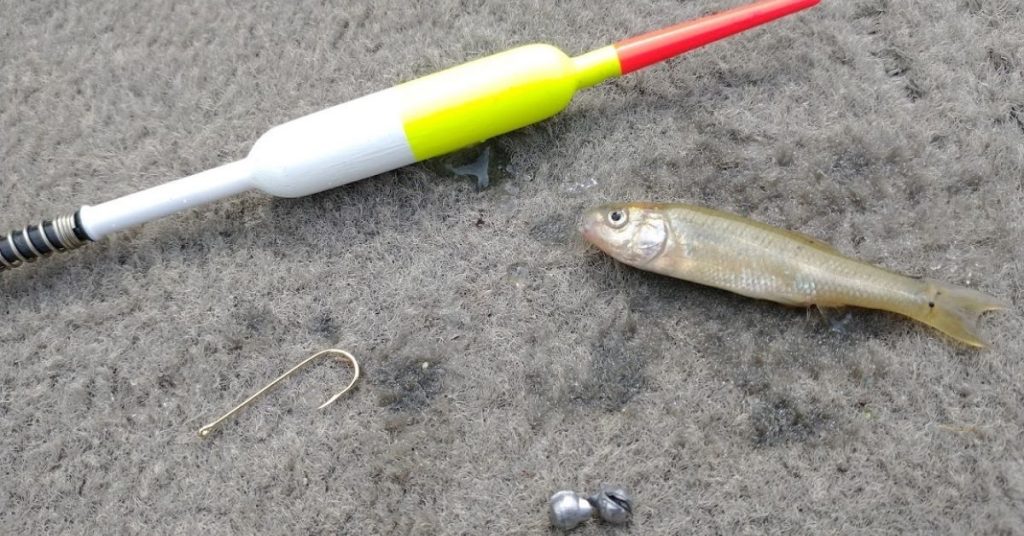
Are you ready to make your fishing experience easier and more successful? Knowing how to put a bobber on a fishing line is one of the simplest yet most effective skills you can learn.
A bobber helps you see when a fish is biting, so you don’t have to guess or miss the action. In this guide, you’ll discover step-by-step how to attach a bobber quickly and correctly. By the end, you’ll feel confident and ready to catch more fish with less hassle.
Keep reading to find out how this small tool can make a big difference in your fishing trips.
Choosing The Right Bobber
Using the right bobber helps you fish better. It shows when a fish bites and keeps your bait at the right depth.
Picking a bobber depends on the type of fishing you do and the water conditions. Let’s look at how to choose the right one.
Types Of Bobbers
There are many bobber types. Each works best for different fishing styles and fish types.
- Round Bobbers:Classic ball shape. Easy to use for beginners.
- Slip Bobbers:Slide on the line. Good for deep water fishing.
- Waggler Bobbers:Thin and long. Great for river fishing.
- Pencil Bobbers:Small and slim. Best for small fish.
Selecting Size And Color
Bobber size depends on the bait weight and water conditions. Bigger bobbers hold heavier bait.
| Bobber Size | Best For |
| Small (1/8 to 1/4 oz) | Light bait, calm water |
| Medium (3/8 to 1/2 oz) | General fishing, mild currents |
| Large (3/4 oz and up) | Heavy bait, strong currents |
Color matters for visibility. Bright colors like red, orange, or yellow are easy to see on the water.
Preparing Your Fishing Line
Putting a bobber on a fishing line helps you catch fish effectively. Let’s learn how to prepare your fishing line for this task.
Ensure your fishing line is in good condition before attaching a bobber. Measure the depth to set the bobber correctly.
Checking Line Condition
Examine your fishing line to ensure it is strong and free from damage. A good line helps you fish efficiently.
Look for any signs of wear or fraying. Replace your line if it looks weak or damaged.
- Check for knots or tangles
- Feel for rough spots on the line
- Ensure the line is not too old
Measuring The Depth
Measuring the water depth helps you place the bobber correctly. Proper placement increases your chances of catching fish.
Use a weight to determine how deep the water is. Adjust the bobber position based on this depth.
- Attach a weight to the line
- Lower the weight into the water
- Measure the depth using the line marks
Attaching A Slip Bobber
Slip bobbers are great for fishing because they let your bait reach different depths. You can adjust the bobber’s position on the line easily. This guide shows how to attach a slip bobber correctly.
Follow these steps to set up your slip bobber so it works well. You will learn how to add a bobber stop, a bobber bead, and then slide the bobber on the line.
Threading The Bobber Stop
The bobber stop keeps the slip bobber from sliding too far on your line. It sets how deep your bait will go. Thread the bobber stop first before adding other parts.
Use a small loop or a special tool to thread the stop onto the line. Pull the stop tight so it stays in place but can still slide when you adjust it.
- Make a small loop with the stop or use the stop’s thread
- Slide the loop or thread onto the line
- Pull the stop tight to hold its place
Adding The Bobber Bead
The bobber bead protects the knot on your line from the bobber stop. It also helps the stop move smoothly. After the stop, add the bead to the line.
Pick a small plastic or glass bead and slide it onto the line. The bead should fit between the stop and the bobber. This keeps everything secure and working well.
- Choose a bead slightly bigger than the line
- Slide the bead onto the line after the bobber stop
- Make sure the bead fits snugly but moves freely
Sliding On The Bobber
Now you can slide the slip bobber onto the fishing line. The bobber has a hollow tube that lets the line pass through. Slide it down until it rests against the bead.
Adjust the stop to set how deep the bobber can slide. This controls the bait depth when fishing. Make sure the bobber moves smoothly but stays in place during casting.
- Hold the line and slide the bobber onto it
- Push the bobber down to the bead
- Move the bobber stop to set the fishing depth
- Check that the bobber slides easily but holds firm
Attaching A Fixed Bobber
Putting a fixed bobber on your fishing line helps you keep the bait at a set depth. This method is simple and very effective for many fishing types. It holds the bobber firmly in place so it does not slide.
There are two common ways to attach a fixed bobber: pinching the bobber clip or using a bobber stop. Each method keeps the bobber secure on the line.
Pinching The Bobber Clip
The bobber clip is a small metal piece on the bobber. You pinch it onto the fishing line to hold the bobber in place. This method is quick and does not need extra parts.
- Place the line inside the clip.
- Use your fingers or pliers to pinch the clip tight.
- Make sure the bobber does not slide up or down.
- Test by gently pulling the bobber up and down the line.
Securing With Bobber Stop
A bobber stop is a small knot or rubber piece that you tie or slide onto the line. It stops the bobber from moving past that point. This method lets you adjust the depth easily.
| Step | Action |
| 1 | Slide the bobber stop onto the line. |
| 2 | Move the stop to the depth you want. |
| 3 | Tighten the stop by pulling the line. |
| 4 | Attach the bobber below the stop. |
Adding Hooks And Weights
Putting a bobber on a fishing line needs more than just the float. Hooks and weights play a key role in fishing success.
This guide explains how to add hooks and weights properly for better fishing experience.
Choosing The Right Hook
Pick a hook size that fits the fish you want to catch. Bigger fish need bigger hooks, and smaller fish need smaller ones.
Make sure the hook is sharp and strong. This helps catch fish easily and keeps the bait secure.
- Use size 6 to 10 hooks for small fish
- Use size 1 to 4 hooks for medium fish
- Use size 1/0 or larger for big fish
- Choose hooks made of strong metal
Placing Sinkers Correctly
Sinkers add weight to your line, helping the bait sink to the right depth. Place them carefully to avoid scaring fish.
Usually, put one or two small sinkers a few inches above the hook. This keeps the bait near the bottom or middle of the water.
- Pinch sinkers gently onto the line
- Space sinkers 4 to 6 inches above the hook
- Use small sinkers for light bait
- Use larger sinkers for strong currents or deeper water

Credit: www.youtube.com
Testing Your Setup
After putting a bobber on your fishing line, testing the setup is important. This helps ensure your bait will stay at the right depth.
Check your bobber’s position and float to get better results while fishing.
Adjusting Bobber Depth
Set the bobber depth based on the fish you want to catch. The depth controls where your bait stays in the water.
- Slide the bobber up or down the line to change depth.
- Try different depths to find where fish are biting.
- Make small adjustments to avoid scaring fish.
- Use a ruler or measure the depth to be precise.
Ensuring Proper Float
The bobber must float correctly to signal fish bites. Test it in calm water before fishing.
| Bobber Position | What It Means |
| Too High | Bait sinks too deep or bobber tips over |
| Too Low | Bait floats near the surface, less natural |
| Just Right | Bobber stays upright and bait is at target depth |
Tips For Effective Bobber Fishing
Using a bobber can make fishing easier and more fun. It helps you see when a fish bites your bait.
To fish well with a bobber, you need to know how to read water, pick the right bait, and cast properly.
Reading Water Conditions
Look at the water before you fish. Clear water shows fish easily. Murky water hides them.
- Watch for ripples or splashes where fish are active.
- Notice water temperature; fish like different temps at different times.
- Check for underwater plants where fish might hide.
Choosing Bait
Pick bait that fish like in your fishing spot. Different fish prefer different types.
| Bait Type | Best For |
| Worms | Most freshwater fish |
| Minnows | Bass and larger fish |
| Insects | Trout and panfish |
| Artificial lures | Varies by fish species |
Casting Techniques
Cast your line smoothly to avoid scaring fish. Aim for quiet spots near plants or rocks.
- Hold the rod firmly but relaxed.
- Pull the line back with your finger.
- Swing the rod forward in one smooth motion.
- Release the line at the right moment.
- Let the bobber float naturally on the water.

Credit: www.msn.com

Credit: nwiowaoutdoors.com
Frequently Asked Questions
How Do You Attach A Bobber To Fishing Line?
To attach a bobber, slide the line through the bobber’s clip or hole. Secure it by pinching the clip or tying a stopper knot. Adjust the bobber’s position based on the fishing depth for better bite detection.
What Type Of Bobber Is Best For Beginners?
Plastic slip bobbers are great for beginners. They are easy to attach and adjust on the line. These bobbers allow smooth casting and help detect fish bites clearly, improving fishing success.
How Far Should A Bobber Be From The Hook?
Place the bobber 12 to 18 inches above the hook for shallow fishing. For deeper water, extend the distance to 3 feet or more. This helps keep the bait at the right depth to attract fish.
Can You Use Any Fishing Line With A Bobber?
Yes, most fishing lines work well with bobbers. Monofilament lines are preferred for their flexibility and ease of use. Ensure the line fits the bobber’s clip or hole for proper attachment.
Conclusion
Putting a bobber on a fishing line is easy once you know the steps. Choose the right bobber for your fishing needs. Clip or thread it onto the line carefully. Adjust its position to control how deep your bait goes.
This simple skill helps you catch more fish. Practice a few times to get comfortable. Enjoy your time by the water with confidence. Fishing becomes more fun and successful this way. Keep trying, and you will see better results soon.