
Are you struggling to grow your own food in Fallout 4? Learning how to plant food effectively can change the way you survive and thrive in the wasteland.
Imagine having a steady supply of fresh crops right at your settlement—no more hunting for scraps or relying on scarce resources. In this guide, you’ll discover simple steps to plant food that will boost your settlement’s growth and keep your settlers happy.
Keep reading, and you’ll master the art of farming in Fallout 4 in no time.
Choosing The Right Location
Planting food in Fallout 4 needs careful location choice. The right spot helps plants grow strong and healthy.
Consider soil, sunlight, water, and radiation to get the best harvest. Each factor affects crop growth differently.
Soil Types In Fallout 4
Soil quality changes how well plants grow. Some soils hold water better, while others drain fast. Picking the right soil helps your crops survive.
| Soil Type | Water Retention | Best For |
| Loamy Soil | High | Most crops |
| Sandy Soil | Low | Root vegetables |
| Clay Soil | Very High | Water-loving plants |
Sunlight And Water Access
Plants need sunlight and water to grow well. Find spots with enough light and easy water supply to keep crops healthy.
- Choose open areas without tall buildings or trees blocking sun.
- Place crops near water sources for easy irrigation.
- Check daily sunlight hours to match crop needs.
Avoiding Radiation Zones
Radiation harms plants and lowers food quality. Avoid areas with high radiation to keep crops safe and nutritious.
- Use a Geiger counter to find safe spots.
- Stay away from known nuclear sites and dumps.
- Plant crops in clean, cleared areas.
Selecting Crop Types
In Fallout 4, planting food is essential for your settlement. Choosing the right crops helps you succeed in the game. Different crops have different benefits, so choose wisely.
Consider crop yield, growth time, and special benefits when selecting what to plant. Here’s a guide to help you decide.
Best Crops For Beginners
New players should start with easy-to-grow crops. These crops require little maintenance and provide a steady food supply.
- Mutfruit: Grows fast and provides both food and water.
- Corn: Easy to plant and a key ingredient for starch.
- Tato: Simple to grow, perfect for crafting adhesive.
High-yield Food Crops
Some crops produce more food than others. These are good for large settlements needing lots of resources.
- Mutfruit: Gives 1 food per plant.
- Tato: Also provides 1 food per plant.
- Carrot: Grows well, provides 0.5 food per plant.
Crops With Special Benefits
Certain crops offer unique benefits beyond just food. They are useful for crafting and trade.
- Gourd: Can be traded for caps.
- Melon: Provides both food and water.
- Razorgrain: Used for making flour, helpful in cooking.
Preparing The Soil
Good soil preparation helps plants grow strong and healthy. It makes sure plants get enough air, water, and nutrients.
Preparing the soil takes a few important steps. Each step helps create the best place for your plants to grow.
Clearing Debris And Weeds
Remove all dead leaves, sticks, and other debris from the soil. Clear out weeds that compete for water and nutrients.
- Pull weeds by hand or use a hoe
- Collect and dispose of debris away from the garden
- Check the soil surface for hidden roots or seeds
- Clear the area completely before planting
Using Fertilizers And Compost
Add natural compost or fertilizer to improve soil quality. This gives plants the nutrients they need to grow.
| Type | Benefits |
| Compost | Improves soil structure and adds nutrients |
| Organic Fertilizer | Feeds plants slowly and safely |
| Balanced Fertilizer | Provides nitrogen, phosphorus, and potassium |
Tilling Techniques
Turn the soil using a shovel or tiller. This loosens the soil and mixes in compost or fertilizer.
Follow these tilling tips:
- Do not till too deep to avoid harming soil life.
- Break large clumps into smaller pieces.
- Level the soil surface after tilling.
- Let the soil rest for a few days before planting.

Credit: www.youtube.com
Planting Seeds
Planting food in Fallout 4 helps you grow your own supplies. Seeds are the first step in farming.
You need to know how to get seeds and plant them correctly for good growth.
Seed Acquisition Tips
Seeds come from different sources in the game world. You can find them in stores or from settlers.
Look for seeds in junk piles and farming areas. You can also buy them from vendors.
- Check general stores and markets
- Harvest crops in settlements
- Search containers in farms
- Trade with settlers
Optimal Planting Depth
Plant seeds at the right depth to help them grow. Seeds need enough soil to take root.
Planting too shallow or too deep stops seeds from growing properly. Aim for a medium depth.
- Dig a small hole about 2-3 inches deep
- Place the seed gently in the hole
- Cover the seed with soil
- Water after planting if possible
Spacing For Growth
Give each plant enough space to grow. Crowding plants can slow growth and reduce yield.
Space seeds at least a few inches apart. This allows roots and leaves to spread well.
- Plant seeds 6 to 12 inches apart
- Leave room for sunlight and air
- Thin crowded seedlings early
- Check plant size to adjust spacing
Maintaining Your Crops
Growing food in Fallout 4 requires care and attention. Maintaining your crops helps keep them healthy. You can get better yields by managing water, pests, and defenses.
This guide covers watering schedules, pest and creature control, and using scarecrows and defenses. Following these tips will protect your crops from damage.
Watering Schedules
Crops need regular watering to grow well in Fallout 4. If you water them too little, they will die. Too much water does not help, so find the right balance.
- Water your crops every in-game day to keep soil moist.
- Use water sources like pumps or water purifiers nearby.
- Check your crops daily to avoid dry soil.
- Use water tanks to store extra water for dry days.
Pest And Creature Control
Pests and creatures can damage your crops. Radroaches and molerats are common threats. You must act fast to keep your plants safe.
| Pest/Creature | Damage Type | Control Method |
| Radroaches | Eat crops | Use traps or turrets nearby |
| Molerats | Dig and uproot plants | Build walls or fences |
| Deathclaws | Destroy crops and structures | Set up strong defenses |
Using Scarecrows And Defenses
Scarecrows keep animals and pests away from your crops. Defenses protect your farm from bigger threats. Place them wisely around your garden.
- Place scarecrows inside crop fields for best effect.
- Build turrets at key entrances to your farm.
- Use fences to block animal paths.
- Repair defenses regularly to keep them working.
Harvesting And Storage
Growing food in Fallout 4 needs careful harvesting and storage. This keeps your crops fresh and useful.
Knowing when to pick and how to store crops saves resources and time in the game.
Identifying Crop Maturity
Look for signs that crops are ready to harvest. Mature crops change color and size.
- Corn turns golden yellow and ears grow large.
- Mutfruit changes from green to red.
- Carrots grow full size and have bright orange tops.
- Tato plants have firm tubers and green leaves.
Efficient Harvesting Methods
Use the right tools and techniques for quick harvesting. This helps you gather more crops fast.
- Equip a melee weapon or your hands to pick crops.
- Hold the action button to harvest all ready crops in one area.
- Plan your farm layout for easy access to all plants.
- Clear weeds and debris before harvesting to avoid mistakes.
Preserving Your Food
Store your food properly to stop it from spoiling. Use containers and keep food safe from enemies.
| Storage Method | Benefits | Notes |
|---|---|---|
| Wooden Crates | Simple and easy to build | Keep crops organized |
| Fridges | Extend food freshness | Needs power supply |
| Scavenged Containers | Free and quick to use | Limited space |
Advanced Farming Techniques
Farming food in Fallout 4 can be more efficient with smart techniques. Using advanced ways helps you grow more crops.
These methods save time and increase food production for your settlements. Let’s explore some key farming tips.
Irrigation Systems
Water is important for crops, even in Fallout 4. Using irrigation systems keeps plants healthy and growing fast.
You can place water pumps and pipes near your crops. This simulates irrigation and improves crop growth rates.
- Build water pumps close to your farm
- Connect pipes to spread water across fields
- Place crops near water sources for faster growth
Crop Rotation Strategies
Crop rotation means changing what you plant each season. This keeps soil fresh and reduces pests.
Switch between different crops like corn, mutfruit, and tatos. Rotating crops helps keep your farm healthy.
- Plant different crops in the same spot each season
- Avoid planting the same crop repeatedly
- Use rotation to prevent soil depletion and pests
Using Settler Labor
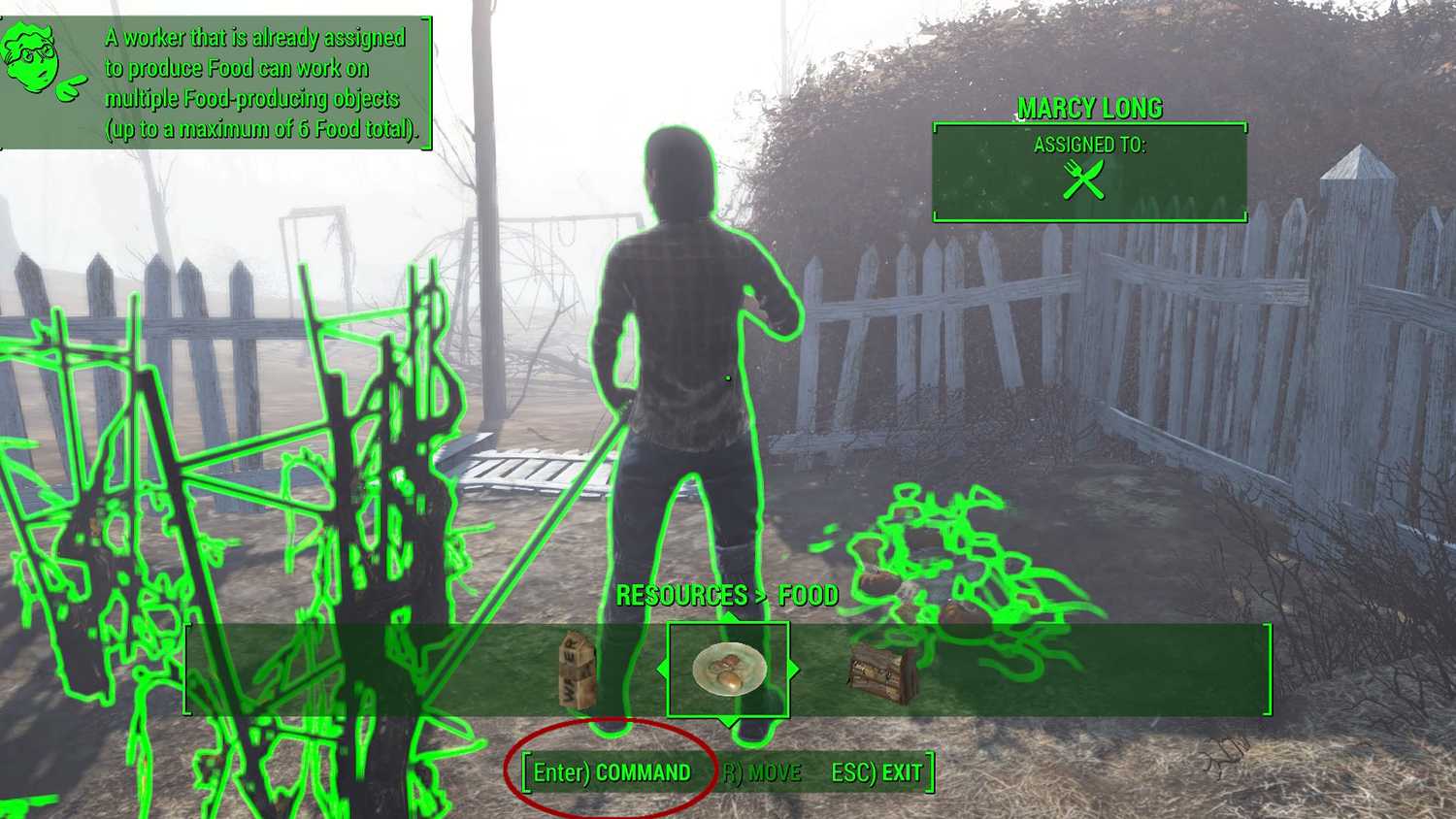
Settlers can work on your farms to speed up food production. Assign them to crops for better results.
Make sure to assign settlers to each farm plot. They will automatically tend to crops and harvest food.
- Assign settlers to every farm plot
- More settlers mean faster crop growth and harvest
- Keep settlers happy to maintain work efficiency

Credit: fo4horizon.fandom.com
Troubleshooting Common Issues
Planting food in Fallout 4 can sometimes cause problems. These issues can stop your crops from growing well.
This guide helps you fix common problems with planting. You will learn how to handle crop failures, soil problems, and bugs.
Dealing With Crop Failures
Crops may fail if they do not get enough water or sunlight. Sometimes pests or enemies can also destroy plants.
Check if your plants have enough water and space. Protect your crops from attacks by building walls or defenses.
- Water your crops regularly using water sources
- Give plants enough space to grow
- Build fences or turrets to keep enemies away
- Remove any dead or damaged plants quickly
Managing Soil Depletion
Soil loses nutrients after growing many crops. This makes new plants grow slower or not at all.
Rotate your crops to different soil patches. Let the soil rest by not planting in the same spot every time.
- Change crop locations to fresh soil
- Leave some soil empty to regain nutrients
- Use fertilizer if available to improve soil quality
Handling Fallout 4 Bugs
Sometimes bugs in Fallout 4 stop crops from growing correctly. These bugs can cause strange behavior or freezes.
Save your game often. Reload your save if crops do not grow. Check for game patches or updates to fix bugs.
- Save your progress before planting
- Reload if crops do not grow after some time
- Restart the game to clear temporary bugs
- Install official updates and patches
Credit: gamerant.com
Frequently Asked Questions
How Do I Start Planting Food In Fallout 4?
First, find a settlement with farming plots. Open Workshop Mode, select a plot, and choose a crop to plant. Make sure you have enough settlers assigned to farming for best results.
What Crops Grow Best In Fallout 4 Settlements?
Corn, mutfruit, and tatos are popular crops. They grow quickly and provide versatile food. Choose crops based on your settlement’s needs and available water sources.
Can I Plant Food Without Settlers In Fallout 4?
No, settlers must tend the crops for growth. Assign settlers to farming tasks in Workshop Mode. Without caretakers, planted crops won’t produce food.
How Do I Increase Food Production In Fallout 4?
Expand your farm by adding more crop plots. Assign more settlers to farming roles. Use fertilizer and build water pumps for healthier crops.
Conclusion
Planting food in Fallout 4 helps you survive and build better settlements. Start with simple crops like corn or mutfruit. Water your plants and protect them from threats. Growing your own food saves time and resources. It also makes your settlements stronger and happier.
Keep checking your crops and harvest them when ready. Soon, you will have a steady food supply for your adventures. Farming in Fallout 4 is easy and rewarding. Give it a try and enjoy the benefits.