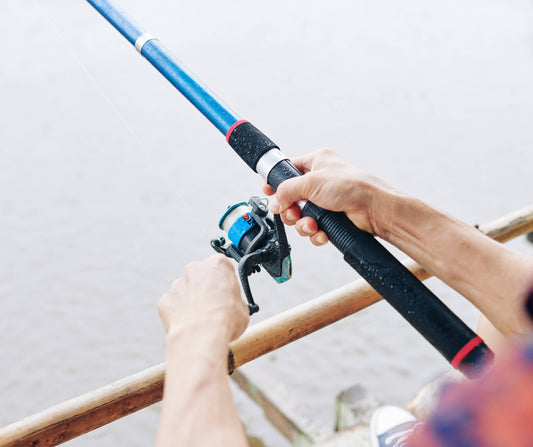
Ready to get your fishing pole ready for your next big catch? Learning how to put fishing line on a fishing pole might seem tricky at first, but once you know the simple steps, it’s easy and even enjoyable.
Whether you’re a beginner or just need a quick refresher, this guide will help you set up your gear perfectly. Keep reading, and you’ll be casting like a pro in no time. Your next fishing adventure starts here!
Choosing The Right Fishing Line
Picking the right fishing line is key to enjoying your fishing trip. The line must fit the fish you want to catch and the gear you use.
This guide covers types of fishing lines, matching line to your fishing style, and understanding line strength and thickness.
Types Of Fishing Lines
There are mainly three types of fishing lines: monofilament, fluorocarbon, and braided. Each has unique features.
- Monofilament:Flexible and easy to handle. Good for beginners.
- Fluorocarbon:Nearly invisible underwater. Best for clear water.
- Braided:Very strong and thin. Ideal for heavy cover and big fish.
Matching Line To Fishing Style
Your fishing style affects the best line choice. For light fishing, use thinner lines. For heavy fishing, use stronger lines.
- Light fishing: smaller fish, light lures, and clear water.
- Medium fishing: average fish size and mixed water conditions.
- Heavy fishing: large fish, heavy cover, and rough water.
Line Strength And Thickness
Line strength is measured in pounds (lb). Thickness is called diameter. Both affect casting and fish control.
| Line Strength (lb) | Line Diameter (inches) | Use Case |
| 2-6 | 0.006-0.010 | Small fish, light tackle |
| 8-12 | 0.012-0.016 | Medium fish, general use |
| 15-30 | 0.018-0.035 | Large fish, heavy cover |
Credit: mysterytacklebox.com
Preparing Your Fishing Pole
Getting ready to put a fishing line on your fishing pole is important. This process ensures your gear works well in the water.
Before you start, make sure your pole is clean and ready. This helps prevent problems when you are fishing.
Cleaning The Reel
Clean your reel before adding a new line. A clean reel ensures smooth line movement.
Use a damp cloth to wipe away dirt and debris. Pay attention to the small parts and corners.
- Remove dust with a soft brush
- Use a mild cleaner for stubborn spots
- Dry thoroughly to prevent rust
Checking The Guides
Inspect the guides on your fishing pole. They help the line move smoothly.
Check each guide for damage or dirt. Clean them if necessary to prevent line snagging.
- Look for cracks or chips in the guides
- Use a cotton swab to clean inside the guides
- Replace damaged guides to avoid line breaks
Setting The Drag System
Adjust the drag system on your reel. It controls the resistance when a fish pulls on the line.
Set the drag according to the size of fish you want to catch. This helps prevent the line from breaking.
- Test the drag by pulling the line with your hand
- Adjust the knob to tighten or loosen the drag
- Ensure the drag is smooth and consistent
Spooling The Fishing Line
Putting fishing line on a fishing pole is an important skill. Spooling the line correctly helps you catch fish easily. This guide covers the key steps to spool the line right.
Focus on attaching the line to the reel, keeping good tension, and filling the spool well. Each step matters for a smooth fishing experience.
Attaching The Line To The Reel
Start by threading the line through the rod guides. Then tie the line to the reel spool using an arbor knot. Make sure the knot is tight and secure.
- Pass the line around the spool’s core
- Tie a simple overhand knot around the main line
- Tighten the knot firmly against the spool
- Trim any excess line close to the knot
Maintaining Line Tension
Keep the line tight while spooling to avoid twists and tangles. Use your fingers or a cloth to hold the line firmly. This helps the line wrap evenly on the spool.
Here are tips to maintain good tension:
- Use one hand to turn the reel handle
- Use the other hand to pull the line tight
- Keep steady pressure on the line at all times
- Avoid letting the line slack or loosen
Filling The Spool Properly
Fill the spool so the line reaches near the edge but does not overflow. Too little line reduces casting distance. Too much line causes tangles.
| Spool Size | Line Capacity (yards) | Recommended Fill Level |
| Small (1000-2000) | 100-150 | Fill to 1/8 inch below edge |
| Medium (3000-4000) | 150-250 | Fill to 1/8 inch below edge |
| Large (5000+) | 250-300+ | Fill to 1/8 inch below edge |
Securing The Line
Securing the fishing line on your pole is important to keep it tight and ready for fishing. A loose line can cause tangles and make casting hard.
Follow the right steps to tie the line end and trim any extra line. This helps your setup stay neat and effective.
Tying The Line End
Start by threading the line through the reel spool. Wrap the line around the spool two times for better hold.
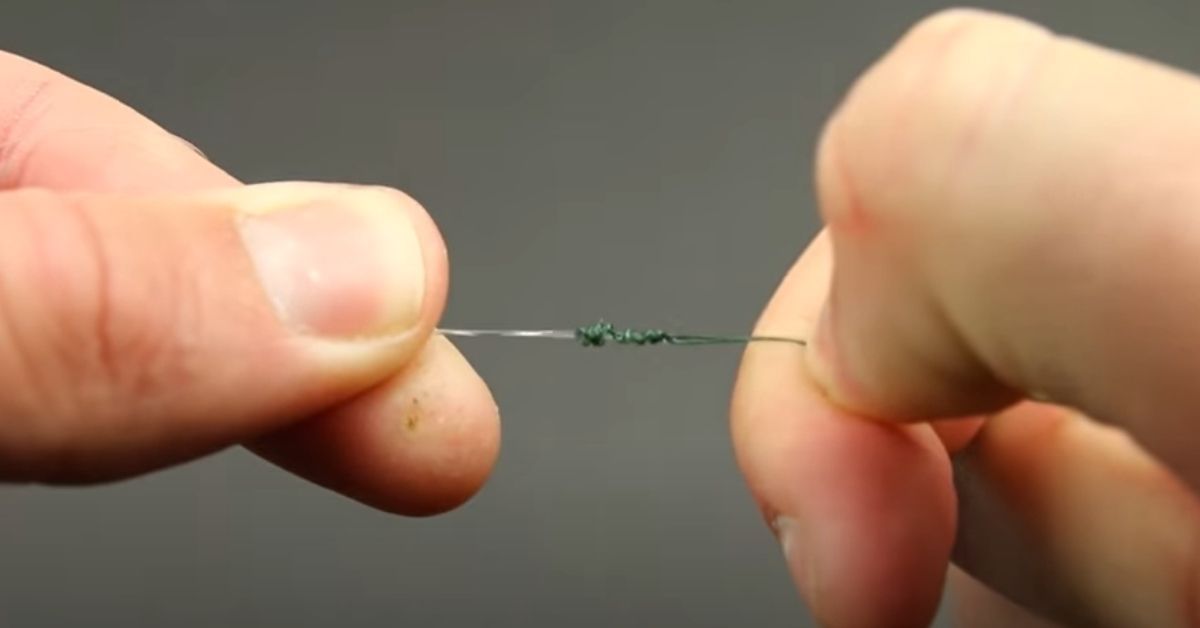
Use a strong knot to tie the line end to the spool. The Arbor knot is simple and reliable for this purpose.
- Make a loop around the spool with the line
- Tie an overhand knot around the standing line
- Pull the knot tight against the spool
- Check that the line is secure before winding
Trimming Excess Line
After tying the line, trim the extra end close to the knot. This keeps the line neat and avoids snags.
Use sharp scissors or nail clippers for a clean cut. Leave about 1/8 inch of line to prevent knot slippage.
- Hold the line steady near the knot
- Cut the excess carefully
- Do not cut too close to avoid slipping
- Make sure no loose ends stick out
Testing The Setup
After putting the fishing line on your pole, check the setup carefully. Testing ensures the line works well and lasts long.
Pay attention to how the line reels in and if it stays straight. This helps avoid problems while fishing.
Reeling Smoothly
Turn the handle slowly and watch the line move. It should wind evenly on the spool without jerks or stops.
If the line feels rough or sticks, check the reel for dirt or damage. Clean it if needed to keep it smooth.
Checking For Twists
Look closely at the fishing line as you reel it in. Twists cause tangles and weak spots.
- Pull the line out straight and let it hang freely.
- Spin the spool slowly to see if the line twists.
- If you see loops or knots, the line is twisted.
- Try to unwind the twists by hand or rewind the line properly.
Adjusting If Needed
| Problem | Cause | Solution |
| Line bunches up | Loose spool tension | Tighten the drag or spool tension |
| Line twists | Incorrect spool winding | Rewind line with correct tension |
| Line slips | Worn spool or knot | Check knots and replace spool if needed |
Make small changes and test again. Proper adjustments keep your fishing line ready for a good catch.

Credit: www.youtube.com
Tips For Line Maintenance
Keeping your fishing line in good shape helps you catch more fish. Proper maintenance makes the line last longer and work better.
These tips will help you take care of your fishing line and avoid common problems.
Replacing Old Line
Old fishing line loses strength and can break easily. Replace it regularly to avoid losing fish or gear.
Look for cracks, frays, or discoloration as signs to change the line. Remove all old line before adding new line.
- Cut off old line completely
- Clean the reel before spooling new line
- Use the right type of line for your fishing
- Check line tension when spooling
Storing Your Fishing Pole
Proper storage protects your fishing line and pole. Avoid leaving your pole in the sun or wet areas.
Keep the line loose on the reel to prevent stretching. Store poles in a cool, dry place away from sharp objects.
- Loosen the drag on your reel
- Store poles vertically or on racks
- Cover the line spool to keep dirt out
- Check line condition before each use
Avoiding Common Mistakes
Many anglers make simple errors that damage their fishing line. Avoid these mistakes to keep your line strong.
Do not overfill the reel or tie knots incorrectly. Avoid dragging the line over rough surfaces.
- Do not overfill the spool with line
- Use proper knots to avoid slipping
- Keep line away from sharp edges
- Rinse line with fresh water after saltwater use

Credit: www.youtube.com
Frequently Asked Questions
How Do I Choose The Right Fishing Line For My Pole?
Choose a fishing line based on your target fish and fishing environment. Consider line strength, type, and thickness for best results.
What Is The Best Way To Secure Fishing Line On A Reel?
Tie a strong knot like the Arbor knot to attach the line securely to the reel spool. This prevents slipping during casts.
How Much Fishing Line Should I Put On The Reel?
Fill the reel spool about 80% full to avoid tangles and ensure smooth casting. Too much or too little line causes issues.
Can I Use Any Fishing Line With Any Fishing Pole?
Not all lines suit every pole. Match line type and strength to your pole’s specifications for optimal performance.
Conclusion
Putting fishing line on a fishing pole is a simple task. Follow the steps carefully to avoid mistakes. Take your time to wrap the line evenly on the spool. Check the line for knots or twists before casting. A well-spooled line helps improve your fishing experience.
Practice makes this process easier and faster. Soon, you will feel confident preparing your fishing pole. Enjoy your time by the water with a properly set line. Fishing becomes more fun when your gear works well. Keep your line fresh and replace it when needed.