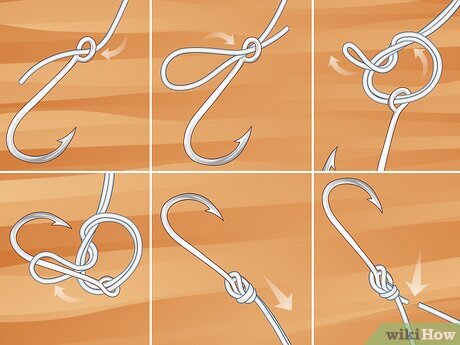
Getting your hook securely tied to your fishing line is one of the most important skills every angler needs. If your hook slips or isn’t attached properly, you could lose the big catch of your day.
But don’t worry—learning how to put the hook on the fishing line is easier than you think. You’ll discover simple, step-by-step methods that anyone can master. Whether you’re a beginner or want to improve your technique, by the end, you’ll feel confident and ready to reel in your next trophy fish.
Keep reading, and let’s get your fishing game on point!

Credit: greensafaris.com
Choosing The Right Hook
Choosing the right hook is important for successful fishing. The hook must fit the fish and bait size.
Using the wrong hook can scare fish or make catching them harder. Learn about hook types and sizes.
Hook Types And Sizes
Hooks come in many shapes and sizes. Each type suits different fishing styles and bait.
Smaller hooks catch small fish. Larger hooks are for big fish and heavy bait.
- J-Hook: Classic shape, good for many fish
- Circle Hook: Reduces fish injury, good for catch and release
- Treble Hook: Has three points, used with lures
- Siwash Hook: Long shank, good for artificial bait
- Octopus Hook: Short shank, good for live bait
Matching Hook To Fish Species
Different fish need different hooks. Match the hook size to the fish’s mouth.
Use smaller hooks for panfish and trout. Use bigger hooks for bass, catfish, or pike.
| Fish Species | Recommended Hook Size | Hook Type |
|---|---|---|
| Bluegill | 10 to 14 | J-Hook, Circle Hook |
| Trout | 8 to 12 | Octopus Hook, J-Hook |
| Bass | 4 to 8 | J-Hook, Treble Hook |
| Catfish | 2 to 6 | Circle Hook, J-Hook |
| Pike | 1/0 to 4/0 | Siwash Hook, Treble Hook |
Credit: www.beadinggem.com
Selecting The Fishing Line
Choosing the right fishing line is important for a successful fishing trip. The line connects you to the fish, and different lines suit different conditions.
Consider the environment and fish type when selecting your fishing line. This will help ensure you have the best experience.
Line Strength And Material
The strength of your fishing line is crucial. Strong lines are needed for bigger fish. Look at the pound test rating to know how much weight the line can handle.
Fishing lines are made from different materials like monofilament, fluorocarbon, and braid. Each type has its own benefits.
- Monofilament is good for beginners and general use
- Fluorocarbon is almost invisible underwater
- Braid is strong and has no stretch
Line Thickness Considerations
Thicker lines are stronger but more visible to fish. Thin lines are less visible but might break easily.
Choose the thickness based on the water clarity and fish size. Clear water needs a thinner line.
| Water Type | Line Thickness |
| Clear Water | Thin Line |
| Muddy Water | Thicker Line |
Preparing The Line
Preparing the fishing line is an important step before attaching the hook. Proper preparation helps the hook stay secure and improves your fishing experience.
Two key actions to prepare the line are cutting it properly and moistening it before tying the knot. These steps ensure the line does not weaken or slip.
Cutting The Line Properly
Cut the fishing line cleanly to avoid frayed ends. Use sharp scissors or a line cutter for the best results. A clean cut helps the knot hold better.
- Use sharp scissors or a line cutter
- Cut the line straight across, not at an angle
- Avoid crushing the line when cutting
- Make sure the cut end is smooth and even
Moistening The Line
Moisten the line before tying the hook. This reduces friction and prevents the line from burning or weakening during the knot tying process.
Follow these steps to moisten the line:
| Method | Description |
| Use water | Dip your finger in water and run it along the line knot |
| Use saliva | Wet your finger with saliva and moisten the line knot |
| Use lubricant | Apply a small amount of fishing line lubricant if available |
Tying Basic Knots
Tying knots is a key skill for fishing. It helps secure the hook to the line. Strong knots keep the hook from slipping.
Learn three simple knots that work well for most fishing needs. These knots are easy to tie and very reliable.
Improved Clinch Knot
The Improved Clinch Knot is popular for tying hooks to the fishing line. It holds tight and is easy to tie.
- Pass the line through the hook eye.
- Wrap the tag end around the standing line five times.
- Thread the tag end through the small loop near the hook eye.
- Pass the tag end through the big loop you just made.
- Moisten the knot and pull tight.
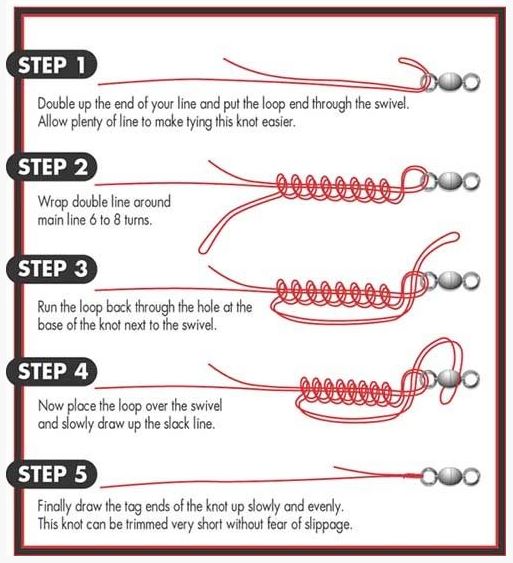
Palomar Knot
The Palomar Knot is strong and simple. It works well with braided and monofilament lines.
Follow these steps:
- Double about 6 inches of line and pass it through the hook eye.
- Tie a loose overhand knot with the doubled line.
- Pass the hook through the loop of the overhand knot.
- Pull the loop and lines to tighten the knot.
- Trim the tag end.
Loop Knot
The Loop Knot lets the hook move freely. It is good for lures that need extra action.
| Step | Action |
| 1 | Make an overhand knot in the line, leaving a long tag end. |
| 2 | Pass the tag end through the hook eye. |
| 3 | Pass the tag end back through the overhand knot loop. |
| 4 | Tighten the knot while holding the tag end and standing line. |
| 5 | Adjust the loop size for hook movement. |
Attaching The Hook
Attaching the hook to the fishing line is an important skill. It keeps the hook secure during fishing.
Using the right knot and checking it carefully helps catch fish without losing the hook.
Step-by-step Knot Tying
Start by threading the line through the hook eye. Leave enough line to make several wraps.
- Wrap the line around itself five to seven times.
- Pass the tag end back through the loop near the hook eye.
- Moisten the knot with water or saliva.
- Pull the main line slowly to tighten the knot.
- Trim the tag end close to the knot.
Checking Knot Security
After tying, test the knot for strength. A weak knot can cause lost fish.
| Check | What to Do |
| Visual | Look for tight wraps and no gaps |
| Tug | Pull firmly to ensure knot holds |
| Trim | Cut tag end but leave a small tail |
| Repeat | Retie if knot slips or loosens |

Credit: n1outdoors.com
Tips For Knot Strength
Strong knots keep your hook secure and help catch more fish. A weak knot can break easily and lose your catch.
Learn how to avoid common mistakes and test your knots to ensure they hold tight every time.
Avoiding Common Mistakes
Many anglers tie knots that slip or weaken the line. These errors reduce knot strength and cause frustration.
- Do not leave too much or too little tag end; about 1/4 inch is ideal.
- Wet the line before tightening the knot to reduce friction and heat.
- Make sure the knot is snug but not overly tight to avoid line damage.
- Use the right knot for the line type and hook size.
- Trim the tag end close, but not flush to prevent untying.
Testing The Knot
Always test your knot before casting. A quick test can save your gear and catch.
| Test Method | How to Do It | What to Check |
| Pull Test | Pull the line hard from both ends of the knot. | Look for slipping or loosening. |
| Visual Check | Inspect the knot for twists or gaps. | Ensure knot is tight and smooth. |
| Water Test | Wet the knot and pull again. | Check if the knot tightens properly. |
Maintaining Your Tackle
Keeping your fishing tackle in good shape helps you catch fish more easily. Simple care can stop problems before they start.
Check your gear often and fix or replace parts as needed. This keeps your tackle ready for every fishing trip.
Replacing Worn Hooks
Hooks get dull or rusty after use. A sharp hook holds the fish better. Replace hooks that look bent, rusted, or dull.
- Look for rust or bent points on hooks
- Use needle-nose pliers to remove old hooks
- Choose hooks that fit the size of your catch
- Attach new hooks tightly to avoid slipping
- Check the hook’s sharpness before each trip
Inspecting The Line Regularly
Fishing lines can get weak or damaged. Check your line to avoid losing fish or tackle during fishing.
| Line Problem | What to Do |
| Frays or cuts | Cut out damaged parts and tie a new knot |
| Weak spots | Replace the entire line if many weak spots appear |
| Discoloration | Replace the line as sun damage makes it weak |
| Old knots | Untie and retie knots to keep them strong |
Frequently Asked Questions
How Do You Tie A Hook To Fishing Line?
To tie a hook, thread the line through the hook eye, wrap it around 5-7 times, then pass the tag end through the loop. Pull tight to secure the knot firmly. The improved clinch knot is popular for its strength and simplicity.
What Is The Best Knot For Fishing Hooks?
The improved clinch knot is the best for attaching hooks. It’s strong, easy to tie, and reliable. Other good options include the Palomar knot and the Uni knot. These knots hold well under tension and prevent the hook from slipping.
How Tight Should The Hook Knot Be?
The hook knot should be tight enough to prevent slipping but not so tight it damages the line. Pull the knot firmly until it’s snug against the hook eye. A secure knot ensures your hook stays attached during casting and fish strikes.
Can I Use Any Fishing Line To Tie Hooks?
Most fishing lines, including monofilament, fluorocarbon, and braided lines, can be used to tie hooks. However, knot strength varies by line type. Use specific knots recommended for your line to ensure a strong, secure connection with the hook.
Conclusion
Putting the hook on the fishing line is simple with practice. Use the right knot to keep the hook secure. Make sure the knot is tight and neat. Check your line for any weak spots before fishing. A well-tied hook improves your chances to catch fish.
Keep practicing to get faster and more confident. Enjoy your time fishing and stay patient. Every catch starts with good preparation.