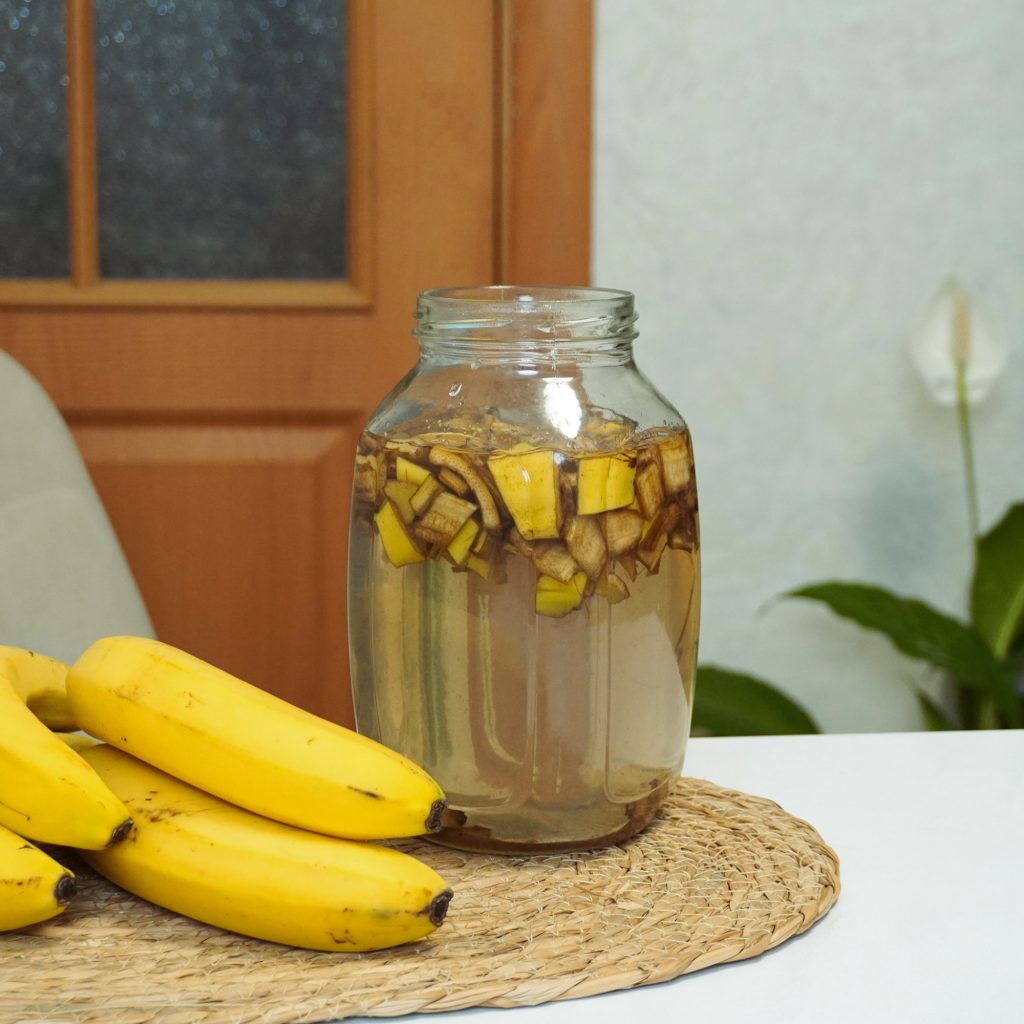
Have you ever wondered if the plant food you use can actually go bad? You want your plants to grow strong and healthy, but using old or expired plant food might do more harm than good.
Knowing whether your plant food has lost its effectiveness can save you time, money, and frustration. You’ll discover how to tell if your plant food is still good and what to do if it’s not. Keep reading to make sure your plants get the best care possible.
Credit: meadowlarkjournal.com
Shelf Life Of Plant Foods
Plant foods include fresh fruits, vegetables, grains, and frozen items. Each type has a different shelf life. Knowing how long they last helps reduce waste and save money.
Proper storage affects how long plant foods stay fresh and safe to eat. This guide explains the durability of fresh, shelf-stable, and frozen plant foods.
Fresh Produce Durability
Fresh fruits and vegetables spoil faster than processed foods. Their shelf life depends on the type and storage conditions. Some last only a few days, while others can last weeks.
Keep fresh produce in the fridge to slow down spoilage. Some items like bananas and tomatoes do better at room temperature. Check for soft spots or mold before use.
- Berries: 2–5 days in the fridge
- Leafy greens: 5–7 days refrigerated
- Root vegetables: 2–4 weeks in a cool place
- Apples: 4–6 weeks in the fridge
Shelf-stable Plant Foods
Shelf-stable plant foods include dried beans, rice, and canned vegetables. These foods last longer without refrigeration. They can stay good for months or years if stored properly.
Store shelf-stable foods in a cool, dry place away from sunlight. Keep containers sealed to prevent moisture and pests. Check expiration dates to ensure safety.
- Dried beans and lentils: up to 1 year
- Uncooked rice: 4–5 years if sealed
- Canned vegetables: 1–2 years unopened
- Flour and grains: 6–8 months
Frozen Plant Foods
Freezing slows down spoilage and keeps plant foods safe longer. Frozen fruits and vegetables keep most nutrients and taste. They can last for many months in the freezer.
Keep frozen foods at 0°F (-18°C) or lower. Use airtight packaging to prevent freezer burn. Label packages with the date to track storage time.
- Frozen fruits: 8–12 months
- Frozen vegetables: 8–12 months
- Frozen herbs: 6–12 months
- Frozen prepared meals with plants: 3–6 months
Signs Of Spoilage
Plant food can go bad over time. It’s important to know the signs of spoilage to keep plants healthy. Recognizing these signs can prevent damage to your plants.
There are three main indicators that plant food might be spoiled: visual indicators, texture changes, and odor detection. Understanding these will help you ensure the quality of your plant food.
Visual Indicators
Check for changes in color. Plant food should maintain its original color. If it looks darker or has unusual spots, it may be spoiled.
Look for mold or clumps in the plant food. These are clear signs that it has gone bad.
- Change in color
- Presence of mold
- Unusual spots
Texture Changes
Feel the texture of the plant food. It should be smooth and even. If it feels gritty or lumpy, this could mean spoilage.
Plant food that becomes sticky or hard may not be good to use anymore.
- Gritty texture
- Lumpy appearance
- Sticky or hard consistency
Odor Detection
Smell the plant food. Fresh plant food has a neutral or mild scent. If it has a strong, unpleasant odor, it is likely spoiled.
A sour or rotten smell is a clear indicator of bad plant food.
- Strong odor
- Unpleasant smell
- Sour or rotten scent
Storage Methods
Plant food can lose its effectiveness if not stored properly. Proper storage helps keep nutrients stable and safe.
Different types of plant food need different storage ways. This keeps them fresh and ready to use.
Optimal Refrigeration
Some plant foods, especially liquid or organic types, last longer in the fridge. Cool temperatures slow down spoilage.
Store plant food in sealed containers to avoid contamination and odors. Keep them away from fruits and vegetables.
- Use airtight bottles or jars
- Place on middle shelves, not door
- Keep temperature steady, around 40°F (4°C)
Freezing Techniques
Freezing can extend the life of some plant foods like liquid fertilizers. It stops bacteria growth and nutrient loss.
Use freezer-safe containers and leave space for expansion. Thaw slowly before use to keep quality intact.
- Choose freezer-proof bottles or bags
- Label with date and contents
- Defrost in the fridge or at room temperature
Dry Storage Tips
Dry plant food like powders or granules last best in a cool, dry place. Moisture causes clumps and reduces effectiveness.
Keep containers tightly closed and away from sunlight. Use moisture absorbers if needed to keep dryness.
- Store in airtight containers
- Place in a dark, cool cabinet
- Avoid damp or humid areas
Credit: meadowlarkjournal.com
Packaging Tips
Plant food can lose quality if not stored properly. Good packaging helps keep it fresh longer.
Choosing the right container and sealing methods protects plant food from air and moisture.
Choosing The Right Containers
Pick containers that block light and air. Glass jars and BPA-free plastic work well. Avoid containers that let moisture inside.
- Use airtight lids to seal containers
- Choose dark-colored or opaque containers to reduce light exposure
- Select containers that fit the amount of plant food to limit air space
- Label containers with the packing date
Vacuum Sealing Benefits
Vacuum sealing removes air around the plant food. This slows spoilage and keeps flavors fresh longer.
| Benefit | Reason |
| Reduces oxidation | Less air means slower chemical changes |
| Prevents moisture loss | Sealed bags keep moisture inside |
| Blocks pests | Air-tight seal stops insects and bacteria |
| Extends shelf life | Freshness lasts up to 3 times longer |
Using Natural Preservatives
Natural preservatives help keep plant food fresh without chemicals. They slow down spoilage and mold growth.
- Sprinkle cinnamon or clove powder to reduce mold.
- Use lemon juice or vinegar to lower pH and prevent bacteria.
- Store with dried herbs like rosemary to act as natural antioxidants.
- Keep plant food dry by adding silica gel packets or rice.
Common Mistakes To Avoid
Plant food helps your plants grow strong and healthy. Using it correctly keeps your plants happy. Some mistakes can spoil your plant food or reduce its effect.
Learn the common errors to avoid. This will make sure your plant food stays fresh and works well.
Overcrowding Storage
Storing plant food in crowded spaces can cause damage. It may lead to spills and make it hard to check the food’s condition. Air and moisture can get in, making the food go bad faster.
Keep plant food in a clean, dry spot with enough space. This keeps it fresh and easy to use.
- Use clear containers with tight lids
- Store in a cool, dry place away from sunlight
- Keep different types of plant food separate
Ignoring Expiry Dates
Plant food can lose its nutrients after the expiry date. Using old food may not help your plants grow well. Sometimes, expired food can even harm plants.
Always check the expiry date before buying or using plant food. Use older food first and throw away any that is past its date.
- Write the purchase date on the container
- Check expiry before each use
- Discard plant food that smells or looks strange
Improper Washing Practices
Rinsing plant food containers or tools with dirty water spreads germs. Contaminated tools can cause plant diseases. Using unclean water may also spoil the plant food.
Wash containers and tools with clean water and dry them well. This keeps plant food safe and plants healthy.
- Use fresh water for washing
- Dry containers before refilling
- Keep tools separate from soil and debris
Credit: meadowlarkjournal.com
Extending Freshness Naturally
Plant food can lose its effectiveness over time. It may spoil if not stored well. Keeping it fresh helps plants grow better.
Natural ways can extend the life of plant food. Simple steps can keep it fresh longer and safe to use.
Herbs And Citrus Use
Adding herbs like rosemary or thyme can help keep plant food fresh. Citrus peels also slow down spoilage.
These natural ingredients release oils that protect plant food from bacteria and mold.
- Use dried herbs to avoid moisture
- Add lemon or orange peels for freshness
- Mix gently to spread natural oils
Humidity Control
High humidity can cause plant food to clump and spoil. Keeping the right moisture level is key to freshness.
Store plant food in dry places and use airtight containers to block moisture.
- Use silica gel packs to absorb moisture
- Keep containers sealed tightly
- Store in cool, dry areas
Ethylene Gas Management
Ethylene gas speeds up ripening and spoilage of plant food. Some fruits and vegetables release this gas naturally.
Keep plant food away from ethylene-producing items to extend its shelf life.
- Avoid storing near bananas, apples, and tomatoes
- Use ventilation to reduce gas buildup
- Check plant food often for signs of spoilage
Frequently Asked Questions
Does Plant Food Expire Over Time?
Yes, plant food can expire. Nutrients degrade, reducing effectiveness. Always check the expiration date on the packaging to ensure optimal results.
How To Tell If Plant Food Has Gone Bad?
Look for changes in color, smell, or texture. Clumping or foul odor indicates spoilage. Avoid using expired plant food to protect your plants.
Can Expired Plant Food Harm My Plants?
Using expired plant food may harm plants by providing fewer nutrients or causing root damage. Fresh plant food ensures healthy growth and vitality.
How Should I Store Plant Food To Keep It Fresh?
Store plant food in a cool, dry place away from sunlight. Proper storage preserves nutrient quality and extends its shelf life effectively.
Conclusion
Plant food can lose its effectiveness over time. Keep it sealed and stored in a cool, dry place. Check the expiration date before use. Old plant food may harm your plants instead of helping. Use fresh plant food for best growth results.
Regularly replace your supply to keep plants healthy. Remember, fresh nutrients feed strong, vibrant plants. Take care of your plant food, and your plants will thrive. Simple steps make a big difference in plant care.