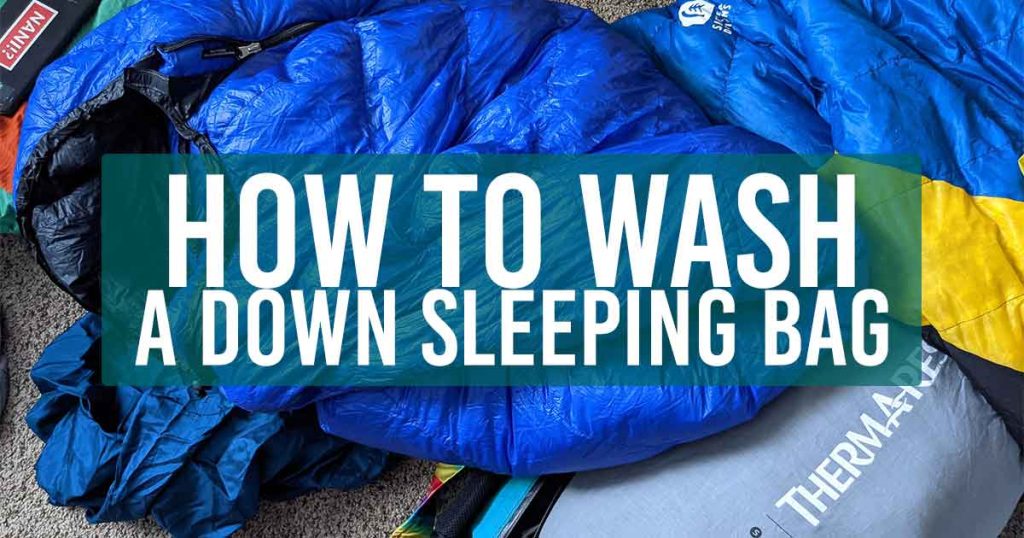
Have you ever wondered if you can dry your sleeping bag in a dryer without ruining it? If you’re eager to pack up quickly after a camping trip or want your gear ready for the next adventure, drying your sleeping bag fast sounds like a great idea.
But is it safe? Will it damage the insulation or shape? You’ll discover the best way to dry your sleeping bag using a dryer and what you should watch out for to keep it fluffy and warm. Keep reading—your next camping trip depends on it!
Dryer Suitability For Sleeping Bags
Drying a sleeping bag in a dryer can save time and effort. Yet, not all sleeping bags suit machine drying. Choosing the right method helps keep your sleeping bag safe and fluffy.
Understanding which materials dry well in a dryer and which do not helps protect your sleeping bag’s quality and lifespan.
Materials That Can Be Dried
Some sleeping bags have materials that handle dryer heat well. These materials dry faster and keep their shape and insulation.
- Down-filled sleeping bags usually dry well on low heat with tennis balls to keep the fill fluffy.
- Synthetic sleeping bags often tolerate low to medium heat and dry quickly.
- Nylon or polyester shells are typically safe for tumble drying on gentle cycles.
Sleeping Bags To Avoid In Dryer
Some sleeping bags can get damaged or lose their insulation when dried in a machine dryer. These need special care.
| Sleeping Bag Type | Reason to Avoid Dryer |
| Cotton sleeping bags | Can shrink and lose softness |
| Silk sleeping bags | Delicate fibers may tear or weaken |
| Sleeping bags with foam insulation | Foam can break down or clump |
| Sleeping bags with waterproof coatings | Heat may damage water-resistant layers |

Credit: www.youtube.com
Preparing Your Sleeping Bag
Drying a sleeping bag in a dryer requires careful preparation. Proper steps ensure your sleeping bag stays in great condition.
Follow these guidelines to prepare your sleeping bag for drying, keeping it clean and intact.
Cleaning Before Drying
Clean your sleeping bag before you dry it. Dirt can damage fabrics during drying.
Use a gentle detergent and follow these steps to wash it properly.
- Zip up all zippers to prevent snags
- Use a front-loading washer to avoid damage
- Rinse twice to remove all detergent
Checking Manufacturer Labels
Always check the manufacturer’s label before drying. It provides important care instructions.
Labels often show the best way to dry your sleeping bag without causing harm.
- Look for specific drying temperature settings
- Check if tumble drying is recommended
- Follow any special instructions for materials
Drying Techniques
Drying a sleeping bag in a dryer can save time. It also helps keep the bag fluffy and warm. Using the right drying techniques protects the bag’s material and insulation.
Some methods work better than others. This guide explains how to dry a sleeping bag safely and effectively using a dryer.
Using Low Heat Settings
Set the dryer to a low heat or air-dry setting. High heat can damage the sleeping bag’s fabric and insulation. Low heat helps the bag dry evenly without causing shrinkage or melting.
Adding Dryer Balls Or Tennis Balls
Place dryer balls or clean tennis balls inside the dryer with your sleeping bag. These help break up clumps of insulation and keep the bag fluffy. They also speed up drying time by improving air flow.
- Use 2 or 3 dryer balls or tennis balls
- Make sure the balls are clean and dry
- Check the bag every 30 minutes for even drying
- Remove balls once drying is complete
Avoiding Overdrying
Overdrying can harm your sleeping bag. It may cause the insulation to break down or the fabric to wear out. Watch the drying time closely and remove the bag when it feels just dry.
| Drying Tip | Effect |
| Check bag every 30 minutes | Prevents overdrying and damage |
| Use low heat settings | Protects fabric and insulation |
| Add dryer balls or tennis balls | Keeps insulation fluffy |
| Remove immediately when dry | Maintains bag shape and quality |

Credit: us.alpkit.com
Safety Precautions
Drying a sleeping bag in a dryer can be quick and effective. You must follow safety precautions to avoid damage or danger.
Proper care helps keep your sleeping bag safe and lasts longer. Read these tips before using your dryer.
Preventing Fire Hazards
Dryers can cause fire risks if used incorrectly with sleeping bags. Know the right settings and follow safety steps.
- Use low heat or air fluff settings to avoid overheating.
- Clean the lint filter before drying to reduce fire risk.
- Do not leave the dryer running unattended.
- Avoid drying bags with flammable treatments or coatings.
- Check the dryer and sleeping bag labels for safety instructions.
Protecting Filling Integrity
The filling inside sleeping bags can clump or lose loft if dried improperly. Protect the insulation with care.
| Tip | Reason |
|---|---|
| Use dryer balls or clean tennis balls | Helps break up clumps and restores loft |
| Dry on low heat for longer time | Prevents melting or shrinking of filling |
| Remove sleeping bag while slightly damp | Allows air drying to finish and reduces stress on filling |
| Do not overstuff the dryer | Ensures even drying and prevents damage |
Alternative Drying Methods
Drying a sleeping bag in a dryer is not always safe. It can harm the bag’s insulation and fabric. This is why many people look for other ways to dry their sleeping bags.
Alternative drying methods help keep your sleeping bag in good shape. They take more time but protect the materials well.
Air Drying Tips
Air drying is a gentle way to dry your sleeping bag. It avoids heat that may damage the filling. You need a clean, dry place with good air flow.
Lay the sleeping bag flat or hang it loosely to let air pass through. Avoid direct sunlight to stop colors from fading.
- Use a shaded, ventilated area
- Shake the bag gently to fluff insulation
- Turn the bag over often for even drying
- Be patient; air drying takes time
Using A Drying Rack
A drying rack holds the sleeping bag off the ground. This keeps it clean and lets air flow all around. Choose a wide rack to support the bag fully.
Place the sleeping bag flat on the rack. If space is tight, fold it gently without compressing the insulation too much.
- Pick a rack with good air circulation
- Keep the bag flat to avoid damage
- Check the bag often for damp spots
- Flip or move the bag to dry evenly
Credit: cascadedesigns.com
Maintaining Sleeping Bag Longevity
Drying a sleeping bag in a dryer can be safe if done carefully. Proper drying helps keep the insulation fluffy and effective.
Taking good care of your sleeping bag extends its life. This means drying it right and storing it well.
Proper Storage After Drying
Store your sleeping bag loosely after drying. Avoid tight compression to keep the insulation from breaking down.
Use a large cotton sack or hang the bag in a dry, cool place. This helps maintain its shape and loft.
- Do not store in plastic bags for long periods
- Keep away from direct sunlight and heat sources
- Ensure the bag is completely dry before storing
Regular Care Practices
Clean your sleeping bag only when needed. Frequent washing can damage the fabric and insulation.
Use gentle detergents made for down or synthetic materials. Avoid fabric softeners and bleach.
- Air out your sleeping bag after each trip
- Spot clean small stains instead of full washes
- Follow manufacturer washing instructions closely
Frequently Asked Questions
Can You Safely Dry A Sleeping Bag In A Dryer?
Yes, you can dry a sleeping bag in a dryer safely. Use a low heat setting to avoid damaging the insulation. Adding dryer balls helps maintain fluffiness and speeds up drying. Always check the manufacturer’s care label before drying.
What Dryer Settings Are Best For Sleeping Bags?
Low heat or air fluff settings are best for drying sleeping bags. High heat can melt synthetic fibers or damage down insulation. Gentle drying preserves the bag’s loft and extends its lifespan. Avoid using fabric softeners.
How Long Does It Take To Dry A Sleeping Bag In A Dryer?
Drying a sleeping bag in a dryer usually takes 1 to 3 hours. Time depends on insulation type and dryer efficiency. Adding dryer balls reduces drying time by improving air circulation. Periodically check the bag to prevent overheating.
Can Drying A Sleeping Bag In A Dryer Ruin It?
Drying a sleeping bag on high heat can ruin it by melting or clumping insulation. Always use low heat and follow care instructions. Proper drying methods help maintain warmth and durability for many uses.
Conclusion
Drying a sleeping bag in a dryer can work well with care. Use low heat to avoid damage and keep it fluffy. Check the bag often to stop overheating or shrinking. Adding clean tennis balls helps keep the filling soft.
Always read the sleeping bag’s care label first. This way, you protect your gear and stay comfortable on your next trip. Drying right saves your sleeping bag and your outdoor fun.