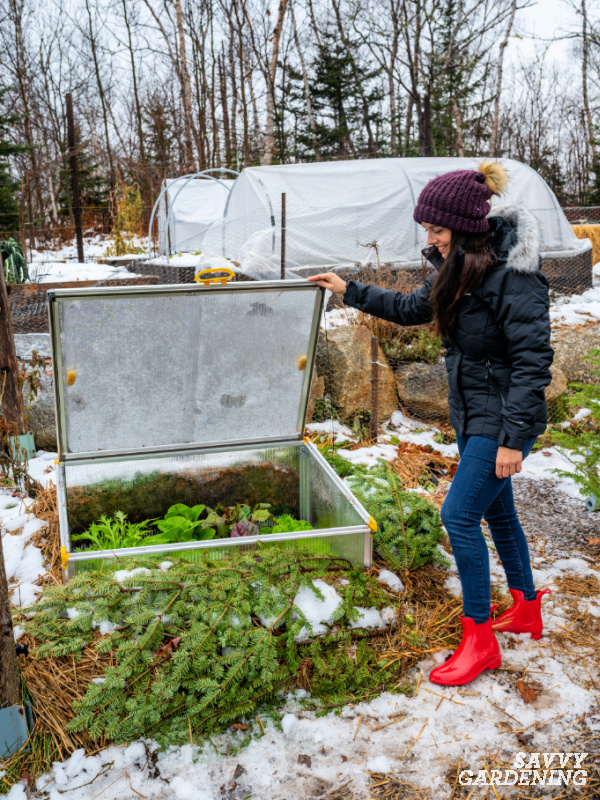
Winter can be tough on your raised garden beds. If you want to protect your soil and plants from harsh cold, knowing how to cover them properly is key.
You might wonder what materials work best or how to keep moisture in without causing damage. This guide will walk you through simple, effective steps to shield your garden through the cold months. By the end, you’ll have the confidence to keep your raised beds healthy and ready for spring.
Keep reading to discover easy tips that make winter care a breeze!
Credit: www.amazon.com
Preparing Beds For Winter
Covering raised garden beds for winter helps protect the soil and plants. Proper preparation keeps your garden healthy for spring.
Follow simple steps to clear beds, improve soil, and fix structures before winter arrives.
Clearing Plants And Debris
Remove old plants and weeds from your raised beds. Dead leaves and plant parts can spread disease.
Clear debris to stop pests from hiding in your garden during winter.
- Pull out spent plants and roots
- Rake leaves and fallen branches
- Dispose of plant waste properly
Soil Conditioning
Prepare soil by adding nutrients before covering the beds. Healthy soil supports future plant growth.
Mix compost or organic matter into the soil to improve its texture and fertility.
- Spread a layer of compost or manure
- Use a garden fork to mix it in
- Check soil moisture and water lightly if dry
Repairing Structures
Check the raised beds’ frames for damage. Fix loose boards or broken parts before winter.
Strong structures protect soil and plants from harsh weather and animals.
- Tighten screws and nails
- Replace rotten or broken wood
- Clean the frame of dirt and mold

Credit: www.amazon.com
Choosing The Right Cover Materials
Covering raised garden beds for winter helps protect plants from cold. It’s important to pick the right materials to ensure plants stay safe and healthy.
Different materials offer varying levels of protection. Choose based on your climate and the plants in your garden.
Using Mulch And Compost
Mulch and compost are natural options for covering garden beds. They insulate the soil and add nutrients.
- Spread a thick layer of mulch over the soil.
- Add compost to enrich the soil underneath.
- Ensure the layer is even for consistent protection.
Applying Frost Cloths
Frost cloths are lightweight and easy to use. They allow air and moisture to pass while providing warmth.
Plastic Covers And Tarps
Plastic covers and tarps are effective for trapping heat. They create a greenhouse effect, keeping plants warmer.
| Material | Benefit | Drawback |
| Plastic Cover | Traps heat well | Can cause overheating |
| Tarp | Durable | Less breathable |
Techniques To Protect Soil And Plants
Covering raised garden beds in winter keeps soil healthy. It also protects plants from cold damage.
Use simple techniques to keep your garden safe all season. This guide explains key ways to cover beds.
Layering For Insulation
Layering adds warmth by trapping air near the soil. Use materials like straw, leaves, and compost.
Start with a thick layer of straw or leaves. Add a layer of compost on top to feed the soil.
- Bottom layer: straw or dry leaves
- Middle layer: compost or rich soil
- Top layer: mulch or grass clippings
Securing Covers Against Wind
Strong winds can blow covers off your raised beds. Use weights or stakes to keep covers in place.
Heavy objects like bricks or stones help hold plastic or fabric covers. Stakes push into the soil for extra hold.
- Use bricks or stones on cover edges
- Push stakes into soil around the bed
- Secure covers tightly to avoid gaps
Maintaining Moisture Levels
Keep soil moist but not wet during winter. Covers help stop water loss and protect plants.
Check soil moisture often. Water lightly if soil feels dry under the cover.
- Inspect soil moisture weekly
- Water gently if soil is dry
- Avoid overwatering to prevent rot
Managing Winter Moisture
Covering raised garden beds for winter is key to protect plants and soil. Managing moisture helps avoid damage from too much water. Proper care keeps beds healthy through cold months.
Too much water can harm roots and cause rot. Snow and ice can also affect soil drainage and plant survival. Use these tips to manage moisture well.
Preventing Waterlogging
Waterlogging happens when water stays in the soil too long. It can drown roots and stop plants from getting air. Raised beds need good drainage to avoid this problem.
- Make sure the bed has drain holes or gaps at the bottom.
- Use coarse mulch like straw or wood chips to help water flow.
- Cover beds with breathable fabric to keep rain out but allow air.
- Check bed edges for blocked drainage and clear debris.
- Avoid heavy plastic covers that trap water inside.
Snow And Ice Management
Snow can act as insulation but heavy ice can damage beds and plants. It is important to manage snow and ice carefully to protect your garden.
| Action | Purpose |
| Lightly brush off heavy snow | Prevent excess weight on covers and plants |
| Use garden fabric covers | Allow moisture to escape while protecting from ice |
| Do not break ice on soil | Avoid soil structure damage |
| Remove ice buildup gently | Protect plants and maintain drainage |
Spring Preparation Tips
Preparing raised garden beds for spring helps plants grow strong. Good care now saves work later. Follow these tips to get your beds ready after winter.
Check your beds carefully before planting. Removing covers and testing soil are key steps. Plan your planting well for the best results.
Removing Covers Safely
Remove winter covers gently to avoid harming plants or soil. Do this on a dry, calm day. Check for any damage or pests hiding under the covers.
- Lift covers slowly to prevent soil disruption
- Fold covers neatly for storage
- Inspect beds for leftover debris or dead plants
- Air out the soil by leaving beds uncovered for a few hours
Soil Testing And Amendments
Test soil to know its health and needs. Use a simple soil test kit or send a sample to a lab. Amend soil based on test results to improve fertility.
| Soil Test Result | Recommended Amendment |
| Low pH (acidic) | Add lime to raise pH |
| High pH (alkaline) | Add sulfur to lower pH |
| Low nitrogen | Add compost or organic fertilizer |
| Low phosphorus | Add bone meal or rock phosphate |
| Low potassium | Add wood ash or greensand |
Replanting Strategies
Plan what to plant in your raised beds for spring. Rotate crops to keep soil healthy. Use companion planting to protect and support plants.
- Choose plants that suit your climate and soil
- Start seeds indoors or buy young plants
- Space plants properly to avoid crowding
- Water new plants gently but regularly
- Mulch around plants to keep soil moist and cool
Credit: www.amazon.com
Frequently Asked Questions
How Do I Protect Raised Garden Beds In Winter?
Cover raised beds with mulch, straw, or leaves to insulate roots. Use frost blankets or row covers for extra protection. Remove covers on sunny days to prevent mold and allow airflow.
What Materials Work Best For Winter Garden Bed Covers?
Use breathable materials like burlap, frost cloth, or horticultural fleece. Avoid plastic directly on soil, as it traps moisture and causes rot. Mulch with straw or shredded leaves for natural insulation.
Can I Grow Plants In Raised Beds During Winter?
Yes, grow cold-hardy crops like kale, spinach, or garlic. Use covers to extend the growing season. Raised beds warm quicker, helping plants survive cold temperatures.
How Often Should I Check Winter Covers On Raised Beds?
Inspect covers weekly to ensure they stay secure and dry. Remove snow buildup promptly to avoid crushing plants. Check for moisture or mold and adjust ventilation accordingly.
Conclusion
Covering raised garden beds for winter protects plants and soil. Use simple materials like mulch, straw, or fabric covers. These keep warmth in and cold out. Preparing beds this way helps them survive freezing weather. It also makes spring planting easier and faster.
Taking time now saves work later. Protect your garden, and enjoy healthy plants next year. Easy steps lead to great results. Start covering your beds before the first frost arrives.