Tying your fish line to the reel might seem simple, but doing it the right way makes all the difference. If your knot slips or your line tangles, you could lose a big catch or waste time fixing mistakes.
You want a strong, secure connection that holds up every time you cast. In this guide, you’ll learn easy steps to tie your line like a pro. Whether you’re new to fishing or just want to improve, mastering this skill will boost your confidence and your success on the water.
Keep reading to make sure your setup is rock solid before you head out.
Credit: n1outdoors.com
Choosing The Right Line And Reel
Picking the right fishing line and reel is key for a good fishing experience. The line and reel must match to work well together.
This guide explains types of fishing lines, how to match line strength to the reel, and how to prepare the reel for the line.
Types Of Fishing Lines
There are several types of fishing lines. Each type has its own use and strength. Choose the type that fits your fishing style and fish type.
- Monofilament:Good stretch and easy to handle. Best for beginners.
- Fluorocarbon:Nearly invisible underwater and strong. Great for clear water.
- Braid:Very strong and thin. Works well for heavy cover fishing.
Matching Line Strength To Reel
Line strength must fit the reel’s capacity. Using the wrong line can cause problems while fishing.
| Reel Size | Recommended Line Strength (lbs) | Line Type |
|---|---|---|
| 1000-2000 | 2-6 | Light monofilament or fluorocarbon |
| 3000-4000 | 8-12 | Medium monofilament or braid |
| 5000 and above | 15-30+ | Heavy braid or monofilament |
Preparing The Reel For Line
Before tying the line, prepare the reel. This helps the line spool smoothly and lasts longer.
- Clean the reel spool to remove dirt and old line.
- Wet the line before spooling to reduce friction.
- Attach the line securely to the spool with a strong knot.
- Wind the line evenly on the spool without overlapping.
- Keep tension on the line while spooling.
Credit: www.epicflyrods.com
Basic Knot Types For Fishing
Fishing knots are essential for securing your line to the reel. They ensure your line stays strong and reliable when catching fish.
Different knots serve different purposes. Knowing basic knot types helps you choose the right one for your fishing needs.
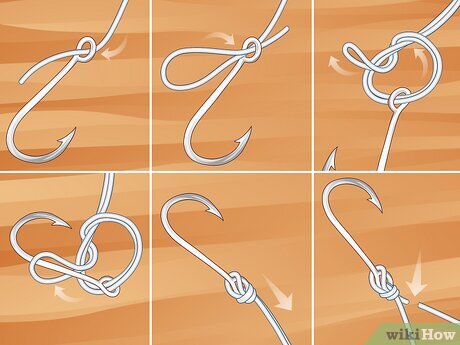
Improved Clinch Knot
The Improved Clinch Knot is popular among anglers. It is easy to tie and very strong.
This knot is perfect for attaching your fishing line to the hook. It works well with most types of fishing lines.
- Thread the line through the hook eye.
- Wrap it around the standing line 5-7 times.
- Pass the end through the loop near the hook eye.
- Tighten the knot by pulling on the line.
Palomar Knot
The Palomar Knot is strong and simple. It is suitable for braided and monofilament lines.
This knot is known for maintaining the line’s strength. It is a favorite among many anglers for its reliability.
- Double the line and pass it through the hook eye.
- Tie an overhand knot with the doubled line.
- Pull the loop over the hook.
- Tighten by pulling both ends of the line.
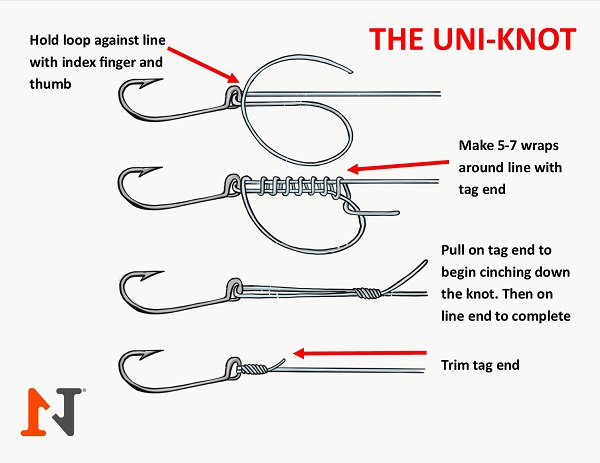
Uni Knot
The Uni Knot is versatile and easy to tie. It works well for connecting lines and attaching hooks.
This knot is strong and dependable, making it a go-to for many fishing situations.
- Pass the line through the hook eye and double it back.
- Make a loop and wrap the line around itself 6 times.
- Pull the tag end to tighten the knot.
- Slide the knot down to the hook eye.
Step-by-step Knot Tying Guide
Tying the fish line to the reel is a key skill for fishing. A good knot keeps your line secure and avoids slipping.
This guide shows you how to tie the line to the reel spool in a few simple steps. Follow each step carefully for best results.
Attaching Line To Reel Spool
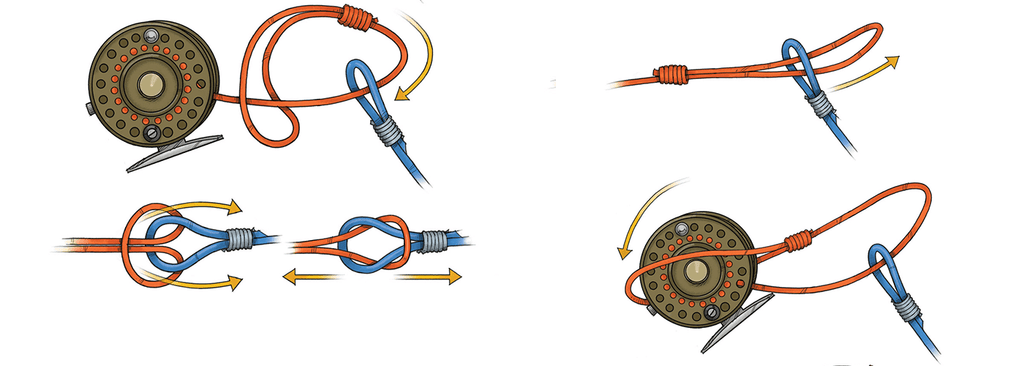
Start by threading the line through the reel spool hole or around the spool. Leave enough line to work with.
- Make a loop with the line around the spool.
- Wrap the tag end of the line around the main line 5 times.
- Pass the tag end through the loop near the spool.
- Pull the tag end to tighten the wraps around the spool.
Securing The Knot
Once the knot forms, pull both ends of the line to secure it tightly against the spool.
| Action | Reason |
| Pull tag end slowly | Prevents the knot from slipping |
| Check for tightness | Ensures the knot holds under tension |
| Moisten knot | Reduces friction and strengthens knot |
Trimming Excess Line
After the knot is secure, trim the extra tag end close to the knot. Avoid cutting too close to prevent slipping.
Tips for trimming:
- Use sharp scissors or line cutters
- Leave about 1/8 inch of tag end
- Check the knot after trimming by pulling gently

Credit: www.reddit.com
Tips For Stronger Knots
Tying your fishing line to the reel correctly helps prevent line breaks. Strong knots hold better and last longer during fishing.
Use simple techniques to make your knots more secure. Small steps can improve knot strength and keep your line safe.
Moistening The Knot
Always moisten the knot before tightening it. Wetting the line reduces friction and heat that can weaken the line.
- Use water or saliva to wet the knot.
- Apply moisture evenly around the knot area.
- Avoid using oils or lotions as they can weaken the line.
Proper Tightening Techniques
Tighten the knot slowly and evenly. Pull the line in a straight line to avoid twisting or bending.
- Hold the tag end and main line firmly.
- Pull both ends smoothly without jerks.
- Stop tightening once the knot is snug.
Testing Knot Strength
Check your knot’s strength before fishing. A weak knot can break easily under pressure.
| Test Method | How to Do It | What to Look For |
|---|---|---|
| Pull Test | Pull on the line hard after tying. | Knot should hold without slipping. |
| Flex Test | Bend the line near the knot gently. | No cracks or damage on the line. |
| Visual Check | Look closely at the knot. | Knots should look tight and neat. |
Common Mistakes To Avoid
Tying the fish line to the reel is a basic skill every angler needs. Doing it wrong can cause problems while fishing.
Avoid these common mistakes to keep your line secure and catch more fish.
Incorrect Knot Selection
Choosing the wrong knot weakens the connection between the line and reel. Some knots slip or break easily.
Use knots designed for your line type and reel. This ensures strong hold and smooth casting.
- Use improved clinch knot for monofilament lines
- Use Palomar knot for braided lines
- Avoid simple knots that may slip under tension
Improper Line Tension
Tying the knot too tight or too loose causes problems. Too tight can damage the line. Too loose can let the knot slip.
Keep steady, firm tension while tightening the knot. This keeps the line strong and secure.
- Pull the line slowly when tightening
- Stop pulling once the knot feels firm
- Check the knot by gently pulling after tying
Neglecting Line Condition
Old, frayed, or damaged line breaks easily at the knot. This causes lost fish and gear.
Inspect your line before tying. Replace any worn parts to keep your setup reliable.
- Look for nicks, cuts, or discoloration
- Replace line if it feels rough or stiff
- Store line properly to avoid damage
Maintaining Your Fishing Line And Reel
Taking care of your fishing line and reel helps them last longer. Proper maintenance keeps your gear working well on every trip.
Good habits like cleaning, replacing old lines, and storing equipment right prevent problems and save money.
Regular Cleaning
Clean your reel and fishing line after every use. Dirt and salt can cause damage if left on the gear.
Use fresh water and a soft cloth to wipe the reel. Let it dry completely before storing.
- Rinse the reel with fresh water
- Wipe the line gently to remove dirt
- Dry all parts before storage
Replacing Old Lines
Fishing lines wear out over time. Replace your line if it has cracks, frays, or loses strength.
Change the line at least once a year or more if you fish often. This prevents line breaks during fishing.
- Check for visible damage on the line
- Test the line’s strength by pulling gently
- Remove old line and spool new line carefully
Storing Equipment Properly
Store your fishing line and reel in a dry place. Avoid direct sunlight and moisture to keep them in good shape.
Use reel covers or cases to protect your gear from dust and damage during storage or travel.
- Keep gear in a cool, dry spot
- Use covers to protect reels
- Store reels loosely spooled to prevent tension
Frequently Asked Questions
How Do You Tie Fishing Line To A Reel?
To tie fishing line to a reel, thread the line through the reel’s spool hole. Wrap the line around the spool and tie a secure knot, like the arbor knot, to hold it firmly in place. Trim excess line for a clean setup.
What Is The Best Knot For Tying Line To Reel?
The arbor knot is best for tying fishing line to a reel. It’s simple and strong. It secures the line to the spool without slipping, ensuring reliable casting and reeling.
Can I Use Any Fishing Line For My Reel?
Yes, but choose the line type based on your reel’s design and fishing needs. Monofilament, fluorocarbon, and braided lines are common. Each offers different strength, stretch, and visibility features.
How Tight Should The Fishing Line Be On The Reel?
The fishing line should be tight enough on the reel to prevent slipping but not overly tight. Proper tension ensures smooth casting and reduces line damage.
Conclusion
Tying your fish line to the reel is simple with practice. Use the right knot and pull it tight for a secure hold. Check the line regularly to avoid slips or breaks. A strong connection helps you catch more fish and enjoy fishing more.
Keep your gear ready and stay patient. Enjoy every moment by the water!