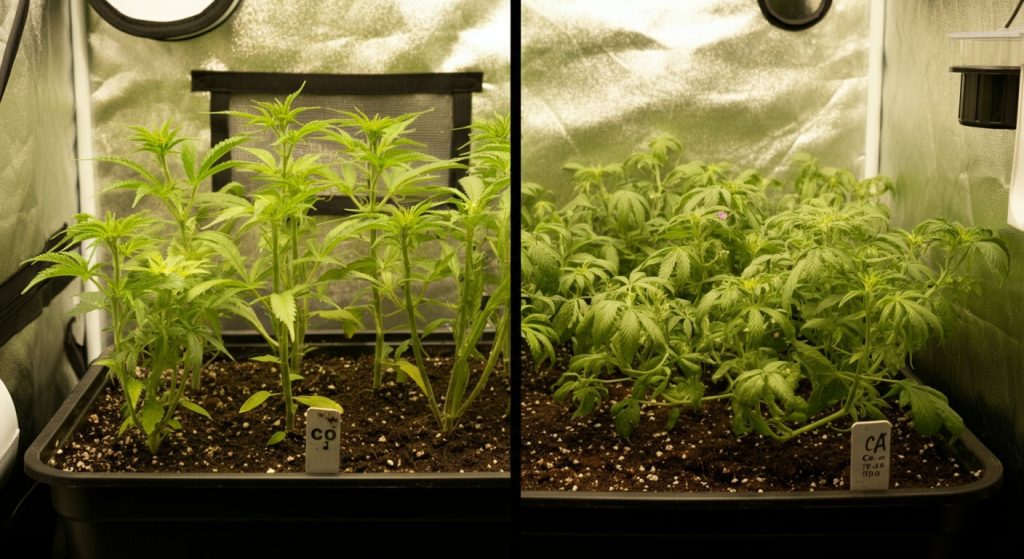
If you want your plants to grow faster and healthier inside your grow tent, adding CO2 is one of the best moves you can make. But how exactly do you do it?
You might feel overwhelmed by the technical terms or unsure where to start. Don’t worry—this guide breaks down everything you need to know in simple steps. By the end, you’ll have a clear plan to boost your plant’s growth and get the most out of your grow space.
Ready to see your plants thrive like never before? Let’s dive in.
Benefits Of Co2 Enrichment
Adding CO2 to your grow tent can help plants grow better. Plants need carbon dioxide for photosynthesis. Increasing CO2 levels can improve their overall health and yield.
Using CO2 enrichment in a grow tent creates a better environment. This supports faster growth and stronger plants. Let’s explore the main benefits of CO2 enrichment.
Impact On Photosynthesis
Photosynthesis is the process plants use to turn light, water, and CO2 into energy. More CO2 means plants can make more food. This helps them grow faster and healthier.
Increased Yield And Growth Speed
Higher CO2 levels can boost plant growth and yield. Plants produce more leaves, flowers, and fruits. This speeds up the growing cycle and results in bigger harvests.
- Faster germination and seedling growth
- Stronger stems and larger leaves
- More flowers and fruits per plant
- Shorter time to harvest
Improved Plant Health
CO2 enrichment helps plants resist stress and disease. It supports better nutrient use and water efficiency. Healthy plants are less likely to get sick.
| Benefit | Effect on Plants |
| Stronger immune response | Fights pests and diseases |
| Better water use | Reduces drought stress |
| Improved nutrient uptake | Supports growth and health |
Choosing A Co2 System
Adding CO2 can help plants grow faster and stronger. It’s important to choose the right CO2 system for your grow tent.
Different CO2 systems suit different needs. Consider your budget and space before deciding.
Co2 Generators
CO2 generators burn natural gas or propane. They produce CO2 and heat. These are suitable for large grow tents.
Make sure your tent has proper ventilation. This prevents excess heat buildup.
- Produces CO2 continuously
- Can increase temperature
- Needs proper safety measures
Compressed Co2 Tanks
Compressed CO2 tanks are easy to use. They release CO2 when connected to a regulator. These tanks are ideal for small to medium grow tents.
They do not generate heat. This makes them safer in warm climates.
- Controlled CO2 release
- No heat production
- Requires regular refilling
Diy Co2 Methods
DIY methods are cost-effective. They use materials like sugar and yeast to produce CO2. These methods work well for small grow tents.
They are simple but may not produce consistent CO2 levels. Monitor your plants closely.
- Low cost
- Simple setup
- Inconsistent CO2 output
Setting Up Co2 In Your Tent
Adding CO2 to your grow tent can help plants grow faster and healthier. It is important to set up the CO2 system correctly.
This guide explains how to place the CO2 source, seal the tent, and monitor CO2 levels.
Placement Of Co2 Source
Place the CO2 source near your plants but not too close. CO2 is heavier than air and sinks down.
Put the CO2 tank or generator at the top or middle of the tent. This helps spread the gas evenly.
- Keep CO2 source away from fans or vents
- Place near plant canopy for best absorption
- Ensure easy access for refilling or adjusting
Sealing The Grow Tent
Seal your grow tent to keep CO2 inside. Leaks cause CO2 to escape and waste gas.
Check all zippers, vents, and seams. Use tape or weatherstripping to close any gaps.
- Close tent doors tightly during CO2 use
- Seal extra openings with plastic or tape
- Limit tent ventilation to control CO2 levels
Monitoring Co2 Levels
Use a CO2 meter to check the gas concentration inside the tent. This helps keep levels safe and effective.
Ideal CO2 levels for growth are between 1000 and 1500 ppm. Avoid going over 2000 ppm to keep plants healthy.
- Place CO2 meter at plant canopy height
- Check levels daily during CO2 use
- Adjust CO2 output based on readings

Credit: blimburnseeds.com
Optimizing Conditions With Co2
Adding CO2 to your grow tent can improve plant growth. It helps plants use light and nutrients better. You must control other factors to get the best results.
Optimizing light, temperature, humidity, and ventilation works well with CO2 enrichment. Each factor affects how plants respond to more CO2.
Light Intensity And Co2
Plants need enough light to use extra CO2 effectively. Low light limits photosynthesis, so adding CO2 might not help.
- Use strong grow lights for best CO2 use.
- Adjust light height to avoid burning plants.
- Keep light cycles consistent for steady growth.
Temperature And Humidity Adjustments
Temperature and humidity affect how plants absorb CO2. Warmer temps increase CO2 uptake but can stress plants if too high.
| Factor | Optimal Range |
| Temperature | 70-85°F (21-29°C) |
| Humidity | 40-60% |
| CO2 Level | 1000-1500 ppm |
Keep humidity moderate to prevent mold. Adjust ventilation to keep these conditions steady.
Ventilation Control
Ventilation helps keep CO2 levels stable. Too much airflow lowers CO2, too little causes heat stress.
Follow these tips for ventilation with CO2:
- Use timers to control fans based on CO2 injection.
- Seal the grow tent to keep CO2 inside.
- Monitor CO2 and temperature with sensors.
Safety Tips For Co2 Use
Adding CO2 to your grow tent can improve plant growth. But using CO2 safely is very important.
This guide covers key safety tips to protect you and your plants when using CO2.
Avoiding Overexposure
Too much CO2 can be harmful to your health. Keep CO2 levels within safe limits.
Use a CO2 monitor to check levels often. The safe range is usually between 800 and 1500 ppm.
- Never let CO2 levels go above 2000 ppm
- Keep the tent ventilated when not using CO2
- Do not stay inside the tent for long periods during CO2 enrichment
Handling Equipment Safely
CO2 tanks and generators must be handled with care. Follow all instructions from the manufacturer.
Always secure CO2 tanks in an upright position. Check hoses and valves for leaks before use.
- Wear gloves and safety glasses when handling tanks
- Store tanks in a cool, dry place away from heat
- Do not tamper with pressure regulators or safety valves
Emergency Measures
If you feel dizzy or short of breath near your grow tent, leave the area immediately.
Call for medical help if symptoms continue. Keep a fire extinguisher nearby for any equipment issues.
- Turn off CO2 supply at once if you suspect a leak
- Open doors and windows for fresh air
- Know emergency contact numbers before starting CO2 use

Credit: blimburnseeds.com
Troubleshooting Common Issues
Adding CO2 to your grow tent can boost plant growth. Sometimes, problems can happen. Knowing how to fix these issues helps keep plants healthy.
This guide covers common problems with CO2 in grow tents. Learn how to identify and fix uneven CO2, equipment faults, and plant reactions.
Uneven Co2 Distribution
CO2 must spread evenly in the tent. Uneven distribution means some plants get less CO2. This lowers growth in parts of your tent.
- Check the placement of CO2 emitters or tanks.
- Use fans to move air gently around plants.
- Keep vents closed during CO2 release to avoid leaks.
- Place CO2 sources near the middle or lower parts of the tent.
- Avoid blocking air flow with large objects or plants.
Equipment Malfunctions
CO2 generators, tanks, and controllers can fail. Check each part to find problems fast. Fix or replace broken items to keep CO2 levels steady.
| Equipment | Common Problem | Solution |
| CO2 Generator | Won’t start or stops suddenly | Check power and fuel supply; clean parts |
| CO2 Tank | Leaks or empty tank | Inspect valves; refill or replace tank |
| Controller | Wrong CO2 readings | Calibrate sensor or replace battery |
Plant Response Problems
Plants may not respond well to CO2 changes. Watch for signs that CO2 is too high or low. Adjust levels to avoid harm.
Signs of poor plant response include:
- Yellowing leaves or leaf burn
- Slow growth despite CO2 use
- Wilting or drooping leaves
- Stunted plant size
Try these tips:
- Check and lower CO2 if leaves burn.
- Make sure temperature and humidity are right.
- Use a timer to control CO2 release.
- Keep lighting and nutrients balanced.

Credit: blimburnseeds.com
Frequently Asked Questions
How Do I Safely Add Co2 To My Grow Tent?
Use a CO2 generator or tanks with a regulator. Ensure proper ventilation to avoid excess buildup. Monitor CO2 levels with a digital meter for safety and plant health.
What Is The Ideal Co2 Level In A Grow Tent?
Maintain CO2 levels between 1000 and 1500 ppm. This range boosts photosynthesis and plant growth without causing harm. Levels above 2000 ppm can be toxic to plants and humans.
When Should I Add Co2 To My Grow Tent?
Add CO2 during the light cycle when plants photosynthesize. Avoid adding CO2 during the dark cycle as plants don’t use it then. Use timers to control CO2 release accurately.
Can Co2 Improve My Plants’ Growth Rate?
Yes, increased CO2 enhances photosynthesis, leading to faster growth and higher yields. However, plants need adequate light, nutrients, and water to benefit fully from CO2 enrichment.
Conclusion
Adding CO2 to your grow tent can boost plant growth effectively. Start with a small amount and watch how plants respond. Keep monitoring CO2 levels and adjust as needed for best results. Proper ventilation helps maintain a healthy environment inside the tent.
Remember, safety first—avoid excess CO2 that can harm plants or people. With care and attention, your plants will thrive better and faster. Simple steps lead to better growth and a successful indoor garden. Keep learning and experimenting to find what works best for you.