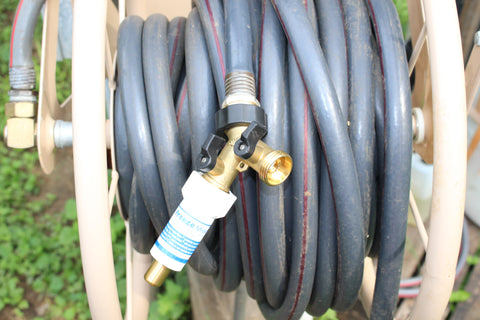
Is your garden hose frozen and stuck solid? You’re not alone, and it can be really frustrating when you’re ready to water your plants or wash your car, but the hose won’t cooperate.
The good news is that you don’t have to replace it or wait for the weather to warm up. With the right steps, you can quickly and safely unfreeze your garden hose and get back to your outdoor tasks. Keep reading, and you’ll learn simple, effective methods to thaw your hose without damage—so you can save time, money, and a lot of hassle.
Signs Of A Frozen Garden Hose
A garden hose can freeze when temperatures drop below freezing. This can stop water flow and damage the hose.
Knowing the signs of a frozen hose helps you fix the problem quickly. It also prevents damage to your hose.
Identifying Hose Blockages
A frozen hose often feels hard and stiff. Water will not come out when you turn on the faucet.
You might hear cracking sounds if ice is inside. The hose may look bulged or swollen in some spots.
- No water flow from the hose
- Hose feels unusually stiff or hard
- Visible bulges or swollen areas on hose
- Cracking or popping noises when water tries to flow
Checking For Hose Damage
Frozen water inside can cause small cracks or leaks. Check the hose carefully once it thaws.
Look for wet spots, cracks, or holes. These signs mean the hose needs repair or replacement.
- Wet areas along the hose
- Small cracks or splits in the hose material
- Holes or tears visible on the surface
- Water leaking when hose is in use

Credit: www.youtube.com
Prevention Tips For Frozen Hoses
Frozen garden hoses can be a big problem in winter. To avoid this, follow some simple prevention tips.
Proper storage and care of your hose can prevent freezing. This saves time and money on replacements.
Proper Hose Storage
Store your garden hose correctly to keep it from freezing. A warm, dry place is best for storage.
Coil the hose neatly and hang it on a hose reel or wall hook. This prevents kinks and prolongs its life.
- Use a garage or shed for storage
- Keep it off the ground
- Avoid direct sunlight and moisture
Insulating Your Hose
Insulation can help stop your hose from freezing. Wrap the hose in foam or special hose covers.
These materials keep the cold air away from the hose. They are simple and affordable.
- Buy foam pipe insulation
- Use old blankets or towels
- Secure with duct tape or zip ties
Draining Water Before Winter
Always drain your hose before winter arrives. Leftover water can freeze and damage the hose.
Disconnect the hose from the tap and let the water flow out. Store it only when it’s completely dry.
| Step 1 | Disconnect the hose |
| Step 2 | Hold it at one end to drain |
| Step 3 | Store when dry |
Safe Methods To Thaw A Frozen Hose
A garden hose can freeze during cold weather. Frozen hoses may crack if not thawed carefully. Use safe ways to thaw your hose without damage.
Here are some easy and safe methods to unfreeze your garden hose. Follow these tips to keep your hose in good shape.
Using Warm Water
Warm water can help melt the ice inside the hose. Use water that is warm, not hot, to avoid damage.
Pour warm water over the frozen parts of the hose. Keep pouring until the ice inside melts and water flows freely.
- Use water around 100°F (38°C)
- Pour slowly to avoid sudden temperature changes
- Repeat if hose is still frozen
Applying Heat Tape
Heat tape is a safe electric tape that warms the hose. Wrap the tape around the frozen section to thaw it.
Plug in the heat tape and let it run for a few hours. The gentle heat melts the ice without harming the hose.
- Choose heat tape made for outdoor use
- Do not overlap the tape on itself
- Check manufacturer instructions for safety
Employing A Hair Dryer
A hair dryer can melt ice inside the hose quickly. Use it on a low or medium heat setting.
Hold the hair dryer close to the frozen areas. Move it along the hose to warm the ice evenly.
- Keep the hair dryer moving to avoid damage
- Do not use high heat to prevent melting the hose
- Use an extension cord if needed for reach
Diy Repairs For Damaged Hoses
Garden hoses can freeze and crack in cold weather. Fixing them yourself saves money and waste. Simple repairs keep your hose working well for a long time.
Learn how to fix small cracks and replace damaged sections. These repairs are easy and quick to do at home.
Fixing Small Cracks
Small cracks in a garden hose can cause leaks. Use waterproof tape or hose repair tape to seal the cracks. Clean the hose and dry it before wrapping the tape tightly around the crack.
For a stronger fix, use a rubber patch and hose cement. Apply the cement around the crack and press the patch firmly. Let it dry for several hours before using the hose again.
- Clean and dry the cracked area
- Wrap waterproof tape tightly over the crack
- Use rubber patch and cement for better sealing
- Let the repair dry before use
Replacing Hose Sections
If the hose has a big crack or hole, replace the damaged section. Cut out the broken part using a sharp knife or scissors. Make sure the cuts are straight for a good seal.
Use a hose connector or repair coupling to join the two ends. Insert each hose end into the connector and tighten the clamps. This restores the hose length and stops leaks.
- Cut out the damaged hose part cleanly
- Use a hose repair connector or coupling
- Insert hose ends into the connector
- Tighten clamps to secure the connection
Tools And Materials Needed
Unfreezing a garden hose requires the right tools and materials. Using proper items helps thaw the hose safely and quickly.
This guide lists the essential items for thawing and repairing your garden hose after it freezes.
Essential Items For Thawing
Gather these tools to safely thaw a frozen garden hose without causing damage.
- Warm water source (bucket or hose bib)
- Hair dryer or heat gun
- Insulated gloves to protect your hands
- Towels to absorb any dripping water
- Plastic container to hold warm water if needed
- Thermometer to check water temperature (optional)
Repair Supplies
If the hose cracks or leaks after thawing, use these supplies for simple repairs.
| Supply | Purpose |
| Rubber hose repair tape | Seals small leaks quickly |
| Replacement hose washers | Ensures tight connections at fittings |
| Hose repair couplings | Joins two hose sections if damaged |
| Utility knife or scissors | Cuts damaged hose parts cleanly |
| Pipe clamps | Secures repair areas firmly |

Credit: www.angi.com

Credit: www.youtube.com
Frequently Asked Questions
How Do I Safely Unfreeze A Garden Hose?
To unfreeze a garden hose safely, use warm water or a hairdryer. Avoid open flames or high heat. Gradually warm the hose starting from the faucet end. This prevents damage and leaks, ensuring the hose thaws evenly without bursting.
Can I Use Hot Water To Thaw A Frozen Hose?
Yes, you can use hot water to thaw a frozen hose. Pour warm water over the hose or soak it in a warm bucket. This method gently melts the ice inside without damaging the hose material or fittings.
What Should I Avoid When Unfreezing A Hose?
Avoid using open flames, boiling water, or sharp objects. These can damage the hose or cause leaks. Also, don’t force the hose to bend or stretch, as frozen sections are brittle and prone to cracking.
How Long Does It Take To Thaw A Frozen Garden Hose?
Thawing time varies based on hose length and temperature. Typically, it takes 15 to 30 minutes using warm water or a hairdryer. Patience is key to prevent damage and ensure the hose fully defrosts.
Conclusion
Unfreezing a garden hose takes simple steps and some patience. Warm water and gentle heat work best to avoid damage. Check for cracks before using the hose again. Store your hose properly to prevent freezing next winter. Taking care now saves time and money later.
Keep these tips in mind for easy garden care. Your hose will stay ready for watering when you need it. Small efforts protect your tools and keep your garden healthy.