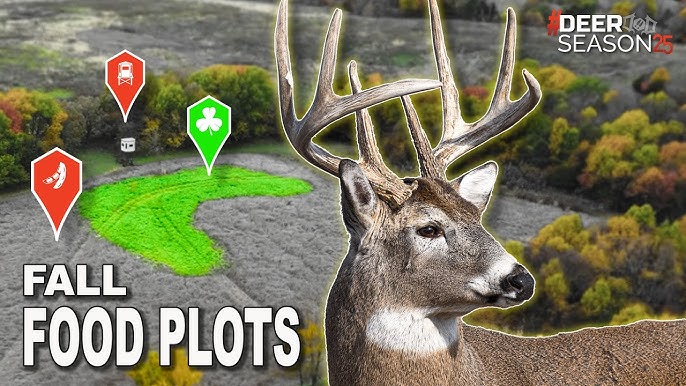
Are you wondering when the best time to plant a food plot is? Getting the timing right can make all the difference in growing healthy, nutritious plants that attract wildlife or provide fresh produce.
If you plant too early or too late, you might face poor growth, wasted seeds, or even no results at all. You’ll discover exactly when to plant your food plot for the best success, so you can enjoy a thriving garden or a thriving habitat.
Keep reading to unlock the secrets that will help your food plot flourish!
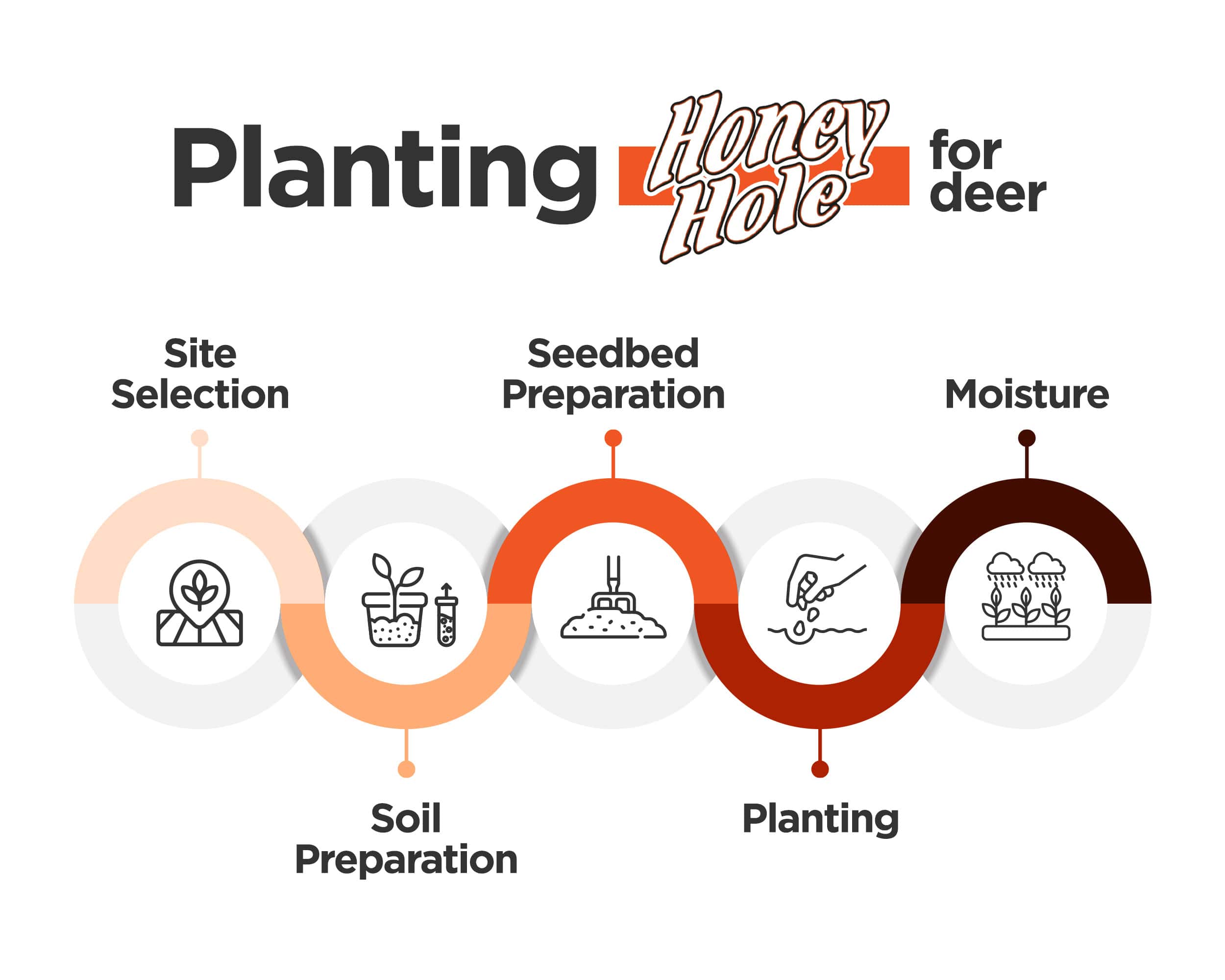
Credit: antlerking.com
Choosing The Right Season
Planting a food plot at the right time helps plants grow strong. Choosing the right season affects the success of your plot.
Different seasons offer unique benefits for planting. Knowing these can improve your yield and attract more wildlife.
Spring Planting Benefits
Spring planting takes advantage of warming soil and longer days. This helps seeds germinate quickly and grow fast.
Plants started in spring have a full growing season. This allows for strong roots and healthy growth.
- Soil warms up, aiding seed germination
- Longer daylight boosts plant growth
- More time to establish before summer heat
- Attracts wildlife early in the year
Fall Planting Advantages
Fall planting benefits from cooler temperatures and moist soil. This reduces plant stress and helps roots grow deep.
Plants grow slowly in fall but survive winter. They start strong again in spring for good growth.
- Cool weather lowers stress on plants
- Soil moisture is usually higher in fall
- Plants develop strong roots before winter
- Good for perennial plants and winter food plots
Seasonal Weather Considerations
Weather changes affect when and how you plant. Watch for frost dates and rainfall patterns in your area.
Too much rain can drown seeds, and frost can kill young plants. Plan planting times around these weather events.
- Check last spring frost date before planting
- Plant early enough to avoid summer drought
- Avoid planting before first fall frost
- Consider local rainfall trends for watering needs
Soil Preparation Essentials
Planting a food plot requires careful soil preparation. Healthy soil helps plants grow strong. Knowing how to prepare your soil is key.
Understanding soil quality and making the right amendments can make a big difference. Let’s explore the steps to prepare your soil effectively.
Testing Soil Quality
Testing soil quality is the first step in preparing your plot. It helps you know what nutrients your soil needs.
Use a soil test kit to check pH levels and nutrient content. This will guide you in making the right improvements.
- Collect soil samples from different spots
- Follow instructions on the test kit
- Analyze the results for pH and nutrients
Amending Soil For Growth
Amending soil helps improve its quality for plant growth. Add organic matter like compost or manure to enrich the soil.
Adjust pH levels if needed. Lime raises pH, while sulfur lowers it. This ensures your plants get the nutrients they need.
- Add compost to improve soil structure
- Use lime or sulfur to adjust pH
- Ensure even distribution of amendments
Tilling And Clearing The Plot
Tilling the soil is crucial for preparing your plot. It breaks up compacted soil and mixes in amendments evenly.
Clear the plot of weeds and debris before you start tilling. This gives your food plot the best chance to thrive.
- Remove weeds and rocks from the plot
- Till the soil to a depth of 6-8 inches
- Rake the soil to smooth the surface
Selecting Ideal Crops
Choosing the right crops is key to a successful food plot. The crop you pick depends on the season and soil type.
Knowing which crops grow best in warm or cool weather helps you plan the best time to plant.
Warm-season Crops
Warm-season crops grow well in late spring and summer. They need warm soil and plenty of sunlight.
These crops include corn, soybeans, and sunflowers. They attract many types of wildlife.
- Corn grows best in soil above 60°F
- Soybeans need full sun and good drainage
- Sunflowers attract birds and pollinators
Cool-season Crops
Cool-season crops do well in early spring and fall. They prefer cooler soil and mild temperatures.
Examples include clover, ryegrass, and radishes. These crops provide good food and cover.
- Clover fixes nitrogen to improve soil
- Ryegrass grows fast and stays green
- Radishes break up soil and add nutrients
Crop Rotation Strategies
Crop rotation helps keep soil healthy and reduces pests. Changing crops each season is important.
Rotate between warm and cool-season crops. This keeps nutrients balanced and improves growth.
- Plant legumes like clover to add nitrogen
- Follow legumes with nutrient-demanding crops like corn
- Use radishes to break up compacted soil
- Alternate crops to prevent pest buildup
Timing For Maximum Growth
Planting a food plot at the right time helps plants grow strong and healthy. Good timing means better food for wildlife and better soil use.
Knowing when to plant depends on weather, frost dates, and local climate. This guide will help you pick the best time.
Optimal Planting Dates
Plant your food plot seeds during the growing season for best results. Most plants grow well in spring or early summer.
Late planting can cause poor growth and low yield. Early planting helps plants get strong before hot weather.
- Spring planting: after last frost
- Summer planting: early part of the season
- Fall planting: before first frost
Frost Dates And Planting
Frost can damage young plants. Always plant after the last spring frost for warm-weather crops.
For fall planting, finish before the first frost. Some plants can survive light frost, but most do not.
- Know your area’s last spring frost date
- Know your area’s first fall frost date
- Use these dates to plan safe planting times
Using Local Climate Data
Local climate data shows temperature and rainfall patterns. Use this info to choose the best planting time.
Check climate records or local extension offices for accurate data. This helps avoid planting too early or too late.
- Track average temperatures
- Monitor rainfall trends
- Adjust planting dates based on yearly changes
Watering And Maintenance
Proper watering and maintenance are key to a healthy food plot. They help plants grow strong and produce more food.
Regular care keeps weeds and pests away. It also helps you spot problems early and fix them fast.
Irrigation Best Practices
Water your food plot early in the morning or late in the evening. This reduces water loss from evaporation.
Use a gentle spray or drip irrigation to avoid washing away seeds or soil. Keep the soil moist but not soaked.
- Water deeply to encourage deep roots
- Check soil moisture before watering
- Avoid watering during the hottest part of the day
- Use mulch to keep soil moist longer
Weed And Pest Control
Weeds compete with your plants for water and nutrients. Remove weeds by hand or use safe herbicides.
Watch for pests like insects or animals that can damage your plot. Use natural or approved pest control methods.
- Pull weeds regularly before they spread
- Inspect plants for signs of insect damage
- Use barriers or repellents to keep animals away
- Apply pest control products carefully and as directed
Monitoring Growth Progress
Check your food plot often to track plant growth. Look for healthy leaves and strong stems.
Keep notes on watering, weather, and any problems you see. This helps improve care over time.
- Measure plant height every week
- Record any signs of stress or disease
- Adjust watering or care based on observations
- Use photos to compare progress visually

Credit: www.gameandfishmag.com
Harvesting And Replanting Tips
Knowing when to harvest your food plot crops helps you get the best yield. Proper care after harvest prepares the soil for the next planting. This guide offers tips on recognizing crop maturity, caring for soil, and planning your next planting.
Following these steps ensures healthy crops and a productive food plot season after season.
Signs Of Crop Maturity
Watch your crops closely to know when they are ready to harvest. Different plants show different signs of maturity.
- Leaves may change color from green to yellow or brown.
- Seeds or fruits become firm and full-sized.
- Pods or husks dry and start to crack.
- Plants stop growing taller and flowers fade.
Post-harvest Soil Care
After harvesting, take care of the soil to keep it healthy and ready for new seeds. This care helps improve soil nutrients and structure.
| Task | Purpose |
| Remove old plant debris | Prevent disease and pests |
| Till the soil lightly | Loosen soil for root growth |
| Add organic compost | Restore nutrients |
| Test soil pH | Adjust acidity for next crop |
Planning For Next Planting
Plan your next planting to improve crop rotation and soil health. Choosing the right crop helps reduce pest problems and boosts growth.
- Choose crops that fit the season and soil conditions.
- Rotate crops to prevent nutrient depletion.
- Prepare seedbeds by clearing weeds and debris.
- Schedule planting dates based on weather forecasts.
- Use proper seed spacing for better growth.

Credit: www.themeateater.com
Frequently Asked Questions
When Is The Best Time To Plant A Food Plot?
The best time to plant a food plot depends on your region and crop type. Generally, spring and early fall are ideal. These seasons offer optimal soil temperature and moisture for seed germination and plant growth, ensuring a healthy and productive food plot.
How Does Soil Temperature Affect Food Plot Planting?
Soil temperature is crucial for seed germination. Most food plot seeds need soil temperatures between 50°F and 65°F. Planting when soil is too cold can delay or prevent growth. Monitoring soil temperature ensures seeds sprout quickly and establish strong roots.
What Crops Should I Plant In Early Spring Food Plots?
In early spring, plant cool-season crops like clover, ryegrass, and oats. These crops tolerate cooler temperatures and establish quickly. Early planting provides deer and wildlife with fresh forage as they emerge from winter.
Can I Plant A Food Plot In Late Summer?
Yes, late summer planting is possible with warm-season crops like soybeans, corn, or millet. These crops grow well in warmer soil and provide valuable nutrition during late fall and early winter. Proper timing avoids frost damage.
Conclusion
Planting a food plot at the right time helps plants grow strong and healthy. Choose the season based on your climate and plant type. Early planting can give plants a good start before harsh weather. Late planting might limit growth and reduce food for wildlife.
Keep soil temperature and moisture in mind for the best results. Watching the weather helps avoid problems like frost or drought. Planning carefully means your food plot will thrive and support animals. Timing matters. Simple steps lead to a successful food plot every year.