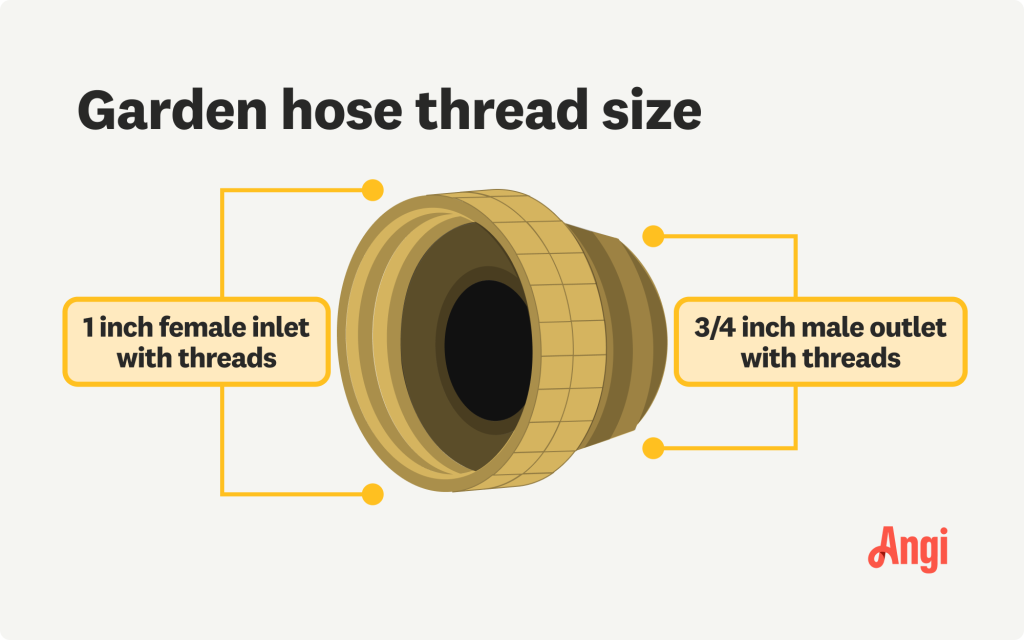
Have you ever tried to connect a new nozzle or sprinkler to your garden hose, only to find it doesn’t fit? One common reason is the thread size on your garden hose.
Understanding the thread size is key to making sure your accessories fit perfectly and your watering tasks go smoothly. You’ll discover exactly what thread size means, why it matters, and how you can quickly identify the right size for your hose.
Keep reading to avoid costly mistakes and get your garden equipment working together without frustration.
Common Thread Sizes
Garden hoses connect to faucets and sprinklers using threaded ends. Thread size is important to make sure parts fit well. Different hoses use common thread sizes to keep things simple.
Knowing the thread size helps you buy the right hose or adapter. This guide explains the common thread sizes used on garden hoses.
Standard Garden Hose Threads
The most common thread for garden hoses is called GHT, or Garden Hose Thread. It is the standard thread size in the United States and many other countries.
The GHT size is 3/4 inch in diameter with 11.5 threads per inch. This size fits most garden hoses, no matter the brand.
- Thread diameter: 3/4 inch (about 19 mm)
- Threads per inch: 11.5
- Type: Straight pipe thread
Differences Between Male And Female Threads
Garden hose ends come in two types: male and female. Male threads are on the outside of the fitting. Female threads are on the inside.
Male threads screw into female threads. You need to match male and female parts to connect hoses or tools properly.
- Male thread: External threads, fits inside female
- Female thread: Internal threads, receives male thread
- Use male and female ends to join hoses or devices
Metric Vs Imperial Thread Sizes
Thread sizes can be measured in metric or imperial units. Garden hoses usually use imperial sizes in the US and metric sizes elsewhere.
Imperial threads use inches and threads per inch. Metric threads use millimeters and thread pitch.
| Measurement System | Units | Example |
|---|---|---|
| Imperial | Inches, threads per inch | 3/4 inch diameter, 11.5 TPI |
| Metric | Millimeters, thread pitch (mm) | 19 mm diameter, 2 mm pitch |
Measuring Thread Size
Understanding the thread size of a garden hose is essential for compatibility. Proper measurements ensure the hose fits correctly with faucets and nozzles.
To measure thread size accurately, you’ll need specific tools and follow a systematic approach.
Tools Needed For Measurement
Gathering the right tools is the first step in measuring thread size. These tools help in obtaining precise measurements.
- Caliper for measuring diameter
- Thread gauge for identifying thread pitch
- Ruler or measuring tape for general measurements
Step-by-step Measuring Process
Follow these steps to measure the thread size of your garden hose. Proper steps ensure accuracy and compatibility.
- Use the caliper to measure the outside diameter of the hose fitting.
- Employ the thread gauge to find the correct thread pitch.
- Record your measurements for future reference.
Identifying Thread Pitch And Diameter
Recognizing the thread pitch and diameter is crucial. It helps in determining the right fit for your hose connections.
| Component | Measurement |
| Thread Pitch | Measured in threads per inch |
| Diameter | Measured in inches or millimeters |
Thread Types And Compatibility
The thread size on a garden hose affects how it connects to other parts. Different thread types exist for various uses. Knowing the types helps you match hoses and fittings correctly.
This guide explains common thread types and how to use adapters for compatibility. It covers National Hose Thread, Garden Hose Thread, and connectors.
National Hose Thread (nht)
National Hose Thread is a standard thread used mainly for fire hoses and industrial applications. It has a larger diameter and different pitch than garden hoses. NHT threads are usually 1 inch or bigger.
NHT fittings will not fit garden hoses directly. They need adapters to connect properly. The thread angle of NHT is 60 degrees, which differs from garden hose threads.
Garden Hose Thread (ght)
Garden Hose Thread is the most common thread on garden hoses in the U.S. It has a 3/4 inch diameter and a 11.5 thread per inch pitch. The thread angle is 55 degrees.
- GHT is used on hose ends and most outdoor faucets.
- It ensures a tight seal with rubber washers.
- GHT is not compatible with NPT or NHT without adapters.
- Threads are designed for water-tight garden hose connections.
Adapters And Connectors
Adapters help connect hoses with different thread types. They convert thread sizes and angles for proper fit. Using the right adapter avoids leaks and damage.
| Adapter Type | Connects From | Connects To |
| NHT to GHT | Fire hose (NHT) | Garden hose (GHT) |
| GHT to NPT | Garden hose (GHT) | Pipe thread (NPT) |
| Quick Connect | Garden hose (GHT) | Quick-release fitting |
| Female to Female | Same thread size | Extends hose length |

Credit: www.amazon.in
Choosing The Right Hose Fittings
Finding the correct thread size for your garden hose is important. It helps you pick the right fittings that fit well. This avoids problems like leaks or loose connections.
Different hoses and fittings use different thread sizes. Knowing these sizes can make your hose setup last longer and work better.
Matching Thread Sizes
Garden hoses usually use standard thread sizes. The most common size is 3/4 inch. This size fits most outdoor faucets and hose fittings.
- Check the thread size on your faucet before buying a hose.
- Use adapters if the thread sizes do not match.
- Measure threads carefully with a ruler or thread gauge.
- Standard sizes help ensure a tight fit and easy connection.
Material Considerations
Hose fittings come in different materials. Common types include brass, plastic, and aluminum. Each material has its own benefits and downsides.
| Material | Durability | Cost | Best Use |
| Brass | High | Moderate | Long-lasting outdoor use |
| Plastic | Low | Low | Light use, budget-friendly |
| Aluminum | Moderate | Moderate | Lightweight and rust-resistant |
Avoiding Leaks And Ensuring Secure Connections
Leaks cause water waste and can damage your garden. Tight connections stop leaks and keep water flowing well.
- Use Teflon tape on threads before connecting fittings.
- Hand-tighten fittings first, then use a wrench if needed.
- Replace washers inside fittings to keep seals strong.
- Inspect fittings regularly for cracks or wear.
Common Issues And Solutions
Garden hoses connect to faucets and sprinklers using threaded fittings. The thread size must match for a tight seal. If the threads do not fit well, leaks and damage can occur.
This guide covers common thread problems and how to fix them. Knowing these issues helps keep your garden hose working properly.
Cross-threading Problems
Cross-threading happens when threads do not line up correctly. Forcing the hose fitting can damage both the hose and the faucet threads.
This problem causes leaks and makes it hard to connect or disconnect the hose.
- Always start threading by hand to ensure alignment.
- Turn the fitting slowly and avoid using tools at first.
- If you feel resistance, stop and realign the threads.
Worn Or Damaged Threads
Threads can wear down over time from frequent use or exposure to weather. Damaged threads lose their grip and cause water leaks.
Inspect the threads for cracks, flattening, or rust. These signs show the threads need attention.
- Clean threads with a wire brush to remove dirt and rust.
- Use thread seal tape to improve sealing if threads are slightly worn.
- Replace fittings if damage is severe to stop leaks.
When To Replace Hose Fittings
Replacing hose fittings keeps your garden hose working well. Change fittings if you notice constant leaks or damage.
Old or cracked fittings reduce water flow and can break when tightened.
- Replace fittings that have stripped or missing threads.
- Change fittings if they are bent or cracked.
- Upgrade to new fittings if leaks persist after repairs.

Credit: mincost.co.uk
Tips For Maintaining Garden Hose Threads
Garden hose threads connect your hose to the faucet or nozzle. Keeping these threads clean and in good shape helps stop leaks and makes attaching easier.
Follow simple steps to take care of your garden hose threads. This will make your hose last longer and work better.
Cleaning And Lubrication
Dirt and rust can build up on hose threads. Clean them regularly to avoid damage and leaks. Use a soft brush and mild soap to remove grime.
- Rinse threads with water before cleaning
- Use a soft brush to scrub gently
- Apply a silicone-based lubricant to keep threads smooth
- Wipe off excess lubricant to prevent dirt buildup
Proper Storage Techniques
Storing your garden hose correctly protects the threads from damage. Avoid placing heavy items on the hose or bending it sharply.
| Storage Tip | Why It Helps |
|---|---|
| Hang hose on a reel or hook | Prevents kinks and thread damage |
| Keep hose in a dry place | Stops rust and mold on threads |
| Drain water before storing | Prevents freezing and cracking |
Regular Inspection
Check your garden hose threads often to catch problems early. Look for cracks, rust, or worn areas that can cause leaks.
- Inspect threads before and after use
- Replace washers if they are worn out
- Fix or replace damaged threads quickly
- Keep connectors tight but not over-tightened

Credit: www.reddit.com
Frequently Asked Questions
What Is The Standard Thread Size For Garden Hoses?
The standard thread size for garden hoses in the U. S. is 3/4 inch GHT (Garden Hose Thread). This size fits most garden hose connectors and accessories, ensuring compatibility and leak-free connections.
How Do I Measure My Garden Hose Thread Size?
To measure your garden hose thread size, use a ruler or caliper. Measure the outer diameter of the threaded end. A standard garden hose thread typically measures 3/4 inch in diameter.
Are Garden Hose Threads The Same Worldwide?
No, garden hose thread sizes vary by region. The U. S. uses 3/4 inch GHT, while some countries use different standards. Check local specifications to ensure proper hose fitting compatibility.
Can I Use Adapters For Different Hose Thread Sizes?
Yes, adapters are available to connect hoses with different thread sizes. They help join mismatched threads, allowing compatibility between garden hoses and various fittings or accessories.
Conclusion
Knowing the thread size on a garden hose helps you find the right fit. Most hoses use a standard size, making connections simple. Choosing the correct thread avoids leaks and water waste. Always check the size before buying new hoses or accessories.
This small step saves time and prevents frustration. Now, watering your garden becomes easier and more efficient. Simple details make a big difference in gardening tasks.