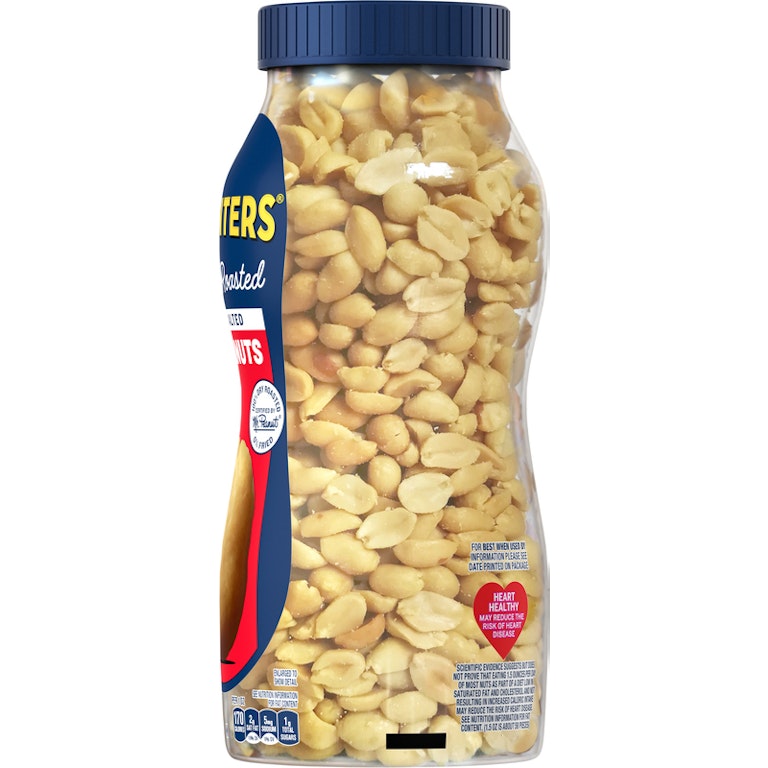
Are Planters peanuts healthy? If you’ve ever reached for this popular snack, you’ve probably wondered if they’re good for your body or just tasty treats.
You want to enjoy your snacks without guilt, and knowing the truth about Planters peanuts can help you make better choices. You’ll discover what’s really inside those crunchy nuts, how they affect your health, and whether they fit into a balanced diet.
Keep reading to find out if Planters peanuts deserve a spot in your snack drawer.
Nutritional Profile Of Planters Peanuts
Planters peanuts are a popular snack option. They offer a range of nutrients that can fit into a balanced diet.
Understanding their nutritional profile helps you decide how to include them in your meals or snacks.
Macronutrients Breakdown
Planters peanuts contain important macronutrients like protein, fat, and carbohydrates. These provide energy and support body functions.
- Protein: Helps build and repair muscles
- Fat: Mostly healthy unsaturated fats
- Carbohydrates: Small amount, mostly fiber
Vitamins And Minerals Content
Planters peanuts are rich in several vitamins and minerals. These nutrients support overall health and wellness.
| Nutrient | Amount per Serving | Benefit |
|---|---|---|
| Vitamin E | 2.4 mg | Antioxidant that protects cells |
| Magnesium | 50 mg | Supports muscle and nerve function |
| Phosphorus | 120 mg | Helps build strong bones and teeth |
| Niacin (Vitamin B3) | 4.2 mg | Supports metabolism and skin health |
| Folate | 60 mcg | Important for DNA synthesis |
Calorie Count And Serving Size
A typical serving size of Planters peanuts is about one ounce or 28 grams. This amount fits well in a snack portion.
Each serving contains around 160 to 170 calories. These calories mainly come from healthy fats and protein.
- Serving size: 1 ounce (28 grams)
- Calories: 160-170 per serving
- Fat: 14 grams per serving
- Protein: 7 grams per serving
- Carbohydrates: 6 grams per serving

Credit: www.amazon.co.uk
Health Benefits Of Eating Planters Peanuts
Planters peanuts are a popular snack enjoyed by many. They are not just tasty, but also offer several health benefits.
Including Planters peanuts in your diet can support heart health, weight management, and more.
Heart Health Support
Planters peanuts contain healthy fats that are good for the heart. These fats can help lower bad cholesterol levels.
Eating peanuts regularly may reduce the risk of heart disease.
Weight Management Aid
Peanuts can help you feel full, which may stop you from overeating. They are a good source of protein and fiber.
Snacking on peanuts can be a part of a balanced diet for weight control.
Rich Source Of Antioxidants
Planters peanuts are packed with antioxidants. Antioxidants protect your body from harmful substances.
They help keep your cells healthy and can slow down aging.
Blood Sugar Regulation
Eating peanuts may help regulate blood sugar levels. They have a low glycemic index, which means they do not spike blood sugar.
This can be beneficial for people with diabetes or those trying to maintain stable energy levels.
Potential Risks And Concerns
Planters peanuts are a popular snack enjoyed by many. While they have some health benefits, there are risks to consider.
Knowing these risks helps you make smarter choices about eating Planters peanuts.
Allergy Risks
Peanuts are a common allergen and can cause serious reactions. Some people may experience itching, swelling, or difficulty breathing.
Even a small amount of peanuts can trigger an allergic response in sensitive individuals. Always check labels and avoid peanuts if you have allergies.
Added Salt And Oil Impact
Many Planters peanuts contain added salt and oil. Too much salt can raise blood pressure and harm heart health.
Added oils increase calorie content and may include unhealthy fats. Look for unsalted or dry-roasted options to reduce these risks.
Aflatoxin Contamination
Aflatoxins are toxins made by molds that can grow on peanuts. These toxins may cause liver damage and increase cancer risk.
Planters and other brands test peanuts to keep aflatoxin levels low. Still, improper storage can increase contamination risk.
Calorie Overconsumption
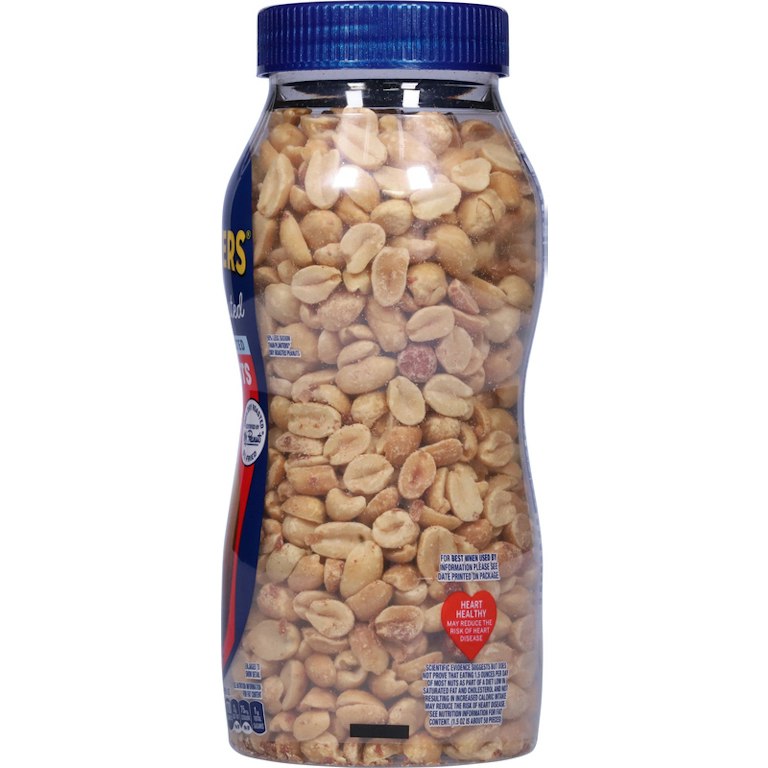
Planters peanuts are high in calories. Eating large amounts can lead to weight gain and related health problems.
Portion control is important to avoid eating too many calories from peanuts.
Credit: www.gianteagle.com
Comparing Planters Peanuts With Other Nut Options
Planters peanuts are a popular snack choice. Many people wonder how they compare to other nuts.
This comparison looks at nutrition, taste, texture, cost, and availability.
Nutritional Differences
Planters peanuts have good protein and healthy fats. They contain vitamins like E and minerals like magnesium.
Other nuts, like almonds and walnuts, offer different nutrients. Almonds have more fiber. Walnuts have more omega-3 fats.
| Nut Type | Protein (per 1 oz) | Healthy Fats | Fiber | Key Nutrients |
|---|---|---|---|---|
| Planters Peanuts | 7g | Monounsaturated fats | 2g | Vitamin E, Magnesium |
| Almonds | 6g | Monounsaturated fats | 3.5g | Vitamin E, Calcium |
| Walnuts | 4g | Polyunsaturated fats (Omega-3) | 2g | Omega-3, Antioxidants |
| Cashews | 5g | Monounsaturated fats | 1g | Iron, Magnesium |
Taste And Texture Variations
Planters peanuts have a salty and crunchy flavor. They are roasted and salted for taste.
Other nuts have different tastes and feels. Almonds are crunchy and slightly sweet. Walnuts are softer and have a bitter taste.
- Planters peanuts: salty, crunchy
- Almonds: sweet, crunchy
- Walnuts: bitter, soft
- Cashews: creamy, soft
Cost And Availability
Planters peanuts are usually less expensive than many other nuts. They are easy to find in most stores.
Almonds and walnuts often cost more. Cashews also tend to be pricier and less common in some areas.
- Planters peanuts: low cost, widely available
- Almonds: moderate cost, common
- Walnuts: higher cost, common
- Cashews: higher cost, less common
Tips For Choosing And Consuming Planters Peanuts
Planters peanuts can be a healthy snack if you choose and eat them wisely. They offer protein, healthy fats, and vitamins.
Knowing how to read labels and control portions helps you enjoy peanuts without eating too much salt or fat.
Reading Labels Carefully
Check the nutrition label before buying Planters peanuts. Look for low sodium and no added sugars.
Ingredients should be simple. Avoid peanuts with many additives or preservatives.
- Choose dry roasted or raw peanuts
- Avoid peanuts with added oils or flavors
- Look for low sodium or no salt options
- Check for no added sugar or artificial ingredients
Portion Control Strategies
Planters peanuts are high in calories. Eat small portions to avoid consuming too many calories.
Use measuring tools or pre-portioned packs to keep track of your intake.
- Measure 1 ounce or about a small handful per serving
- Use small bowls instead of eating from the package
- Limit snacks to once or twice per day
- Combine peanuts with other healthy snacks like fruits
Incorporating Peanuts Into Meals
Add Planters peanuts to your meals to boost flavor and nutrition. They work well in salads, stir-fries, and snacks.
Peanuts add crunch and protein without many carbs. Use them to replace less healthy ingredients.
- Sprinkle peanuts on salads for extra crunch
- Add chopped peanuts to stir-fried vegetables
- Mix peanuts with yogurt and fruit for a snack
- Use peanut butter as a spread for sandwiches

Credit: www.gosupps.com
Frequently Asked Questions
Are Planters Peanuts Good For Weight Loss?
Planters Peanuts can aid weight loss in moderation. They provide protein and fiber, which promote fullness. However, they are calorie-dense, so portion control is essential to avoid excess calorie intake.
Do Planters Peanuts Contain Healthy Fats?
Yes, Planters Peanuts contain mostly unsaturated fats. These fats support heart health and lower bad cholesterol. They also provide essential fatty acids beneficial for overall well-being.
Are Planters Peanuts High In Protein?
Planters Peanuts are a good protein source. A serving offers around 7 grams of protein, supporting muscle repair and growth. They make a convenient snack for protein intake.
Can Planters Peanuts Cause Allergic Reactions?
Yes, peanuts are a common allergen and can trigger severe reactions. People with peanut allergies should avoid Planters Peanuts entirely to prevent health risks.
Conclusion
Planters peanuts offer good nutrients like protein and healthy fats. They can support heart health and provide energy. Watch the salt and added oils to avoid extra calories. Eating them in moderation fits well into a balanced diet. Peanuts make a simple and tasty snack option.
Choose plain or lightly salted varieties for best results. Enjoy Planters peanuts as part of healthy eating habits. Small changes lead to better health over time.