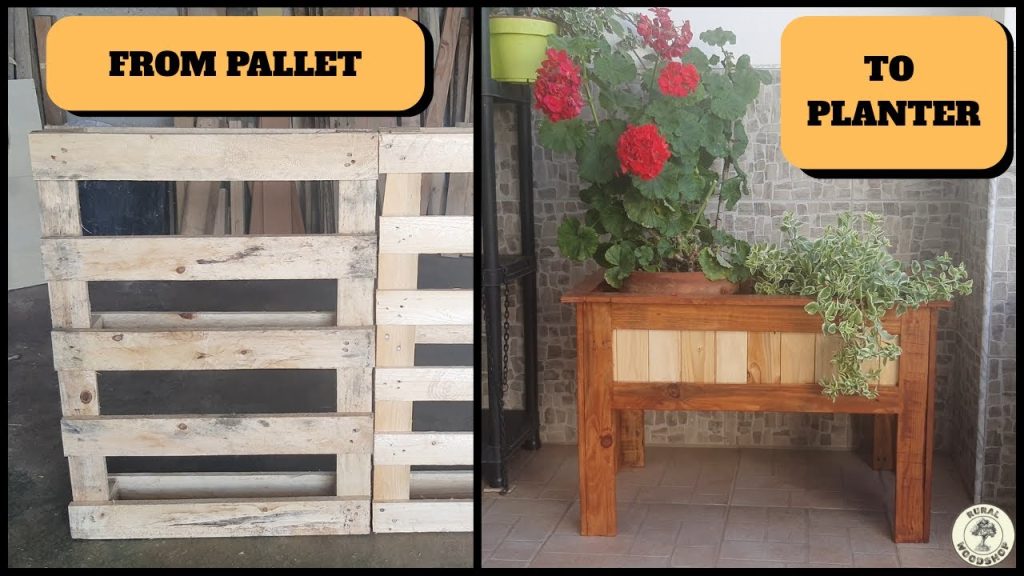
Looking to add a personal touch to your garden or balcony? Making planters with pallets is a simple and affordable way to create something unique that shows off your style.
You don’t need fancy tools or skills—just a little creativity and some basic materials. Imagine turning old pallets into beautiful, functional planters that bring life to your space. Ready to transform your outdoor area and impress your friends? Keep reading, and you’ll learn exactly how to make planters with pallets step by step.
Choosing The Right Pallets
Making planters from pallets is a fun and eco-friendly project. The first step is to pick the right pallets. This choice affects how strong and safe your planter will be.
Not all pallets are the same. Some are better for planting projects. You need to check their type, condition, and safety before using them.
Types Of Pallets To Use
There are many pallet types. Some are made for shipping heavy goods. Others are used for lighter loads. Wood pallets are best for planters.
Look for pallets made from hardwood or softwood. Hardwood lasts longer but can be heavier. Softwood is lighter and easier to cut.
- Heat-treated pallets (marked HT) are safe and clean
- Wood pallets with no paint or chemicals are best
- Avoid pallets made from plastic or metal for planters
- Choose pallets with solid boards and few gaps
Checking For Safety And Quality
Safety is very important when picking pallets. Some pallets carry chemicals or bacteria that can harm plants or people.
Check pallets for signs of damage, mold, or pests. Look for stamps that show how the pallet was treated.
- Look for “HT” stamp: means heat-treated and safe
- Avoid “MB” stamp: means treated with toxic chemicals
- Check for cracks, splinters, or broken boards
- Smell the pallet for strong chemical odors
- Choose dry pallets without mold or rot

Credit: www.makergardener.com
Tools And Materials Needed
Creating planters with pallets is a fun project. You need the right tools and materials to start.
This guide helps you gather everything you need. Get ready to make your own pallet planters.
Essential Tools For The Project
You need some basic tools for building planters. These tools help you cut, shape, and assemble the pallets.
- Hammer
- Saw
- Drill
- Screwdriver
- Measuring tape
- Safety goggles
Additional Supplies For Finishing
Once the structure is built, you need supplies to finish it. These supplies make your planter look great and last longer.
- Sandpaper
- Wood stain or paint
- Paintbrush or roller
- Wood sealer
- Plastic lining
- Soil and plants
Preparing The Pallets
Preparing pallets is the first step to make planters. You need to clean and cut them properly. This makes sure your planter is safe and looks nice.
Good preparation helps your planter last longer outside. Take your time with each step for the best results.
Cleaning And Sanding
Start by cleaning the pallet to remove dirt and dust. Use a brush and soapy water for this job. Let it dry completely before moving on.
After cleaning, sand the wood to make it smooth. Sanding removes rough spots and splinters. Use medium-grit sandpaper first, then fine-grit for a smooth finish.
- Wear gloves and a mask to protect yourself.
- Sand in the direction of the wood grain.
- Check for any nails or staples and remove them.
Cutting Pallets To Size
Measure the size of your planter before cutting the pallet. Mark the wood with a pencil for accuracy. Use a saw to cut the pallet pieces.
Cut slowly and carefully to get straight edges. Keep the pieces even so they fit well together when assembling your planter.
- Use a handsaw or power saw depending on your tools.
- Wear safety goggles to protect your eyes.
- Double-check measurements before cutting.
Design Ideas For Pallet Planters
Pallets are a great way to create unique planters for your garden or balcony. You can design planters that save space and look charming. Pallets can be reused and painted to fit your style.
Below are some easy ideas to help you turn pallets into beautiful planters. Each design has a different look and works well in many spaces.
Vertical Pallet Garden
A vertical pallet garden uses the height of the pallet to hold plants. It is perfect for small areas like balconies or patios. You can grow herbs, flowers, or small vegetables in it.
- Stand the pallet upright against a wall.
- Line the back with landscape fabric to hold soil.
- Fill the slots with soil and plant seeds or small plants.
- Water gently to keep the soil moist.
Stacked Pallet Planters
Stacked pallet planters build height by placing pallets on top of each other. This style creates a tiered effect and adds more planting space. It fits well in gardens or yards with more room.
| Material | Use | Tip |
| Wooden pallets | Structure | Choose sturdy pallets |
| Landscape fabric | Hold soil | Staple tightly |
| Soil | Fill planters | Use good quality soil |
| Plants | Decorate | Select plants by sunlight |
Stack the pallets carefully and secure them with screws. Add soil and plants to each level. This design allows you to grow different plants in layers.
Hanging Pallet Planters
Hanging pallet planters hang from walls, fences, or ceilings. They save floor space and add green to vertical areas. This design works well indoors or outdoors.
- Use strong hooks and chains to hang the pallet.
- Line the pallet with plastic or fabric to keep soil in place.
- Choose light plants that do not need deep soil.
- Water carefully to avoid dripping on floors.
Building The Planter Box
Building a planter box with pallets is a simple and fun project. You can make a sturdy box to hold soil and plants.
Using pallet wood saves money and gives a rustic look. The key steps are assembling the base and adding support.
Assembling The Base
Start by selecting strong pallet boards for the base. Cut them to the size you want for your planter box.
Lay the boards side by side to form a flat surface. Nail or screw the boards together to keep them tight.
- Choose straight pallet boards without cracks
- Cut boards to equal length
- Join boards with nails or screws
- Check that the base is flat and even
Adding Support And Stability
Attach vertical pallet boards to the base edges to create the sides of the box. Use strong screws for better hold.
Add extra wooden braces inside corners for more strength. This helps the planter hold soil without falling apart.
- Fix side boards vertically along base edges
- Use screws for a tight and strong hold
- Add corner braces inside the box
- Check stability by gently shaking the box
Waterproofing And Soil Preparation
Making planters from pallets is a great way to recycle wood. To keep your plants healthy, you must protect the wood and prepare the soil well.
Waterproofing stops water from damaging the wood. Good soil helps plants grow strong and stay healthy.
Lining The Planter
Line your pallet planter with plastic or landscape fabric. This stops water from soaking into the wood and causing rot.
Make sure to poke small holes in the lining. This lets extra water drain out and prevents roots from sitting in water.
- Use heavy-duty plastic or landscape fabric
- Attach the lining with staples or nails
- Cut drainage holes at the bottom
- Cover sharp edges to protect the lining
Choosing The Right Soil Mix
Use a soil mix that drains well but holds enough moisture. Good soil helps plants get air, water, and nutrients.
A mix of potting soil, compost, and perlite works well. This mix keeps soil light and rich for healthy roots.
- Potting soil: provides nutrients and structure
- Compost: adds organic matter and nutrients
- Perlite or sand: improves drainage and aeration
Plant Selection Tips
Choosing the right plants for your pallet planter is important. The plants must fit well and grow happily in the space.
Think about the light and water your plants need. Also, pick plants that look good together.
Best Plants For Pallet Planters
Pick plants that do well in small spaces and containers. Herbs, succulents, and flowers work great.
- Herbs like basil, parsley, and thyme
- Succulents such as hens and chicks or sedum
- Flowers like pansies, petunias, or marigolds
- Small vegetables like lettuce or radishes
- Trailing plants like ivy or creeping jenny
Choose plants that have similar water and sunlight needs. This helps them grow well together.
Arranging Plants For Visual Appeal
Arrange plants by height, color, and texture. Tall plants go at the back or top.
Place trailing plants where they can hang down. Use bright flowers for color spots.
- Put tall plants in the back or top slots
- Place medium plants in the middle
- Use trailing plants on the edges or bottom
- Mix colors for a lively look
- Combine different leaf shapes and sizes

Credit: www.redhousegarden.com
Maintenance And Care
Keeping your pallet planters in good shape helps your plants grow well. Regular care stops damage and keeps the wood strong.
Simple steps can protect the pallets and make your planters last longer. Let’s look at watering, fertilizing, and weather care tips.
Watering And Fertilizing
Water your plants enough but avoid overwatering. Too much water can cause the wood to rot. Fertilize regularly for healthy plant growth.
- Check soil moisture before watering.
- Use a balanced fertilizer once a month.
- Apply fertilizer early in the day for best absorption.
- Avoid spilling fertilizer on the wood to prevent damage.
- Use mulch to keep soil moist and reduce watering.
Protecting Pallets From Weather
Weather can harm pallet planters. Rain, sun, and cold can break down the wood. Use simple ways to shield your planters.
| Weather Condition | Protection Method |
| Rain and Moisture | Seal wood with waterproof varnish |
| Strong Sunlight | Place planters in shaded areas |
| Cold or Frost | Cover with cloth or move indoors if possible |
| General Wear | Inspect and repair wood regularly |

Credit: katebeavis.com
Frequently Asked Questions
How Do You Prepare Pallets For Planter Making?
First, clean the pallets thoroughly to remove dirt and debris. Sand the wood smooth to avoid splinters. Check for and remove any nails or staples. Treat the wood with a sealant to protect against moisture and pests before building your planter.
What Tools Are Needed To Make Pallet Planters?
You will need a saw, hammer, nails or screws, measuring tape, and a drill. Sandpaper or a sander is useful for smoothing edges. Additionally, wood sealant and paint or stain can help protect and decorate the planter.
Can Pallet Wood Be Used Safely For Planters?
Yes, but ensure the pallet is heat-treated, not chemically treated. Avoid pallets marked with “MB” (methyl bromide). Always clean and seal the wood to prevent contamination. This makes pallet wood safe and durable for growing plants.
How Long Does It Take To Build A Pallet Planter?
Building a basic pallet planter usually takes 2 to 4 hours. This includes cleaning, cutting, assembling, and finishing the wood. More complex designs may take longer, depending on your experience and tools available.
Conclusion
Making planters with pallets is simple and cost-effective. You only need a few tools and some creativity. Pallets give your garden a rustic and charming look. You can customize the size and shape to fit your space. This project helps recycle wood and reduce waste.
Enjoy watching your plants grow in unique containers. Try this DIY and add a personal touch to your garden. It’s a fun way to bring nature closer to home. Start your pallet planter today and see the difference.