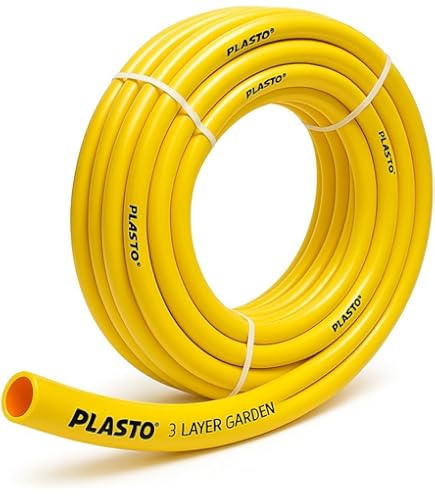
Are you tired of struggling with a garden hose that just doesn’t fit right? Whether you’re watering your plants or washing your car, using the right hose size can make all the difference.
But what exactly is the standard size of a garden hose, and why does it matter for your daily tasks? You’ll discover the key details that will help you choose the perfect hose, saving you time, effort, and frustration. Keep reading to make sure your next gardening session flows smoothly and efficiently.
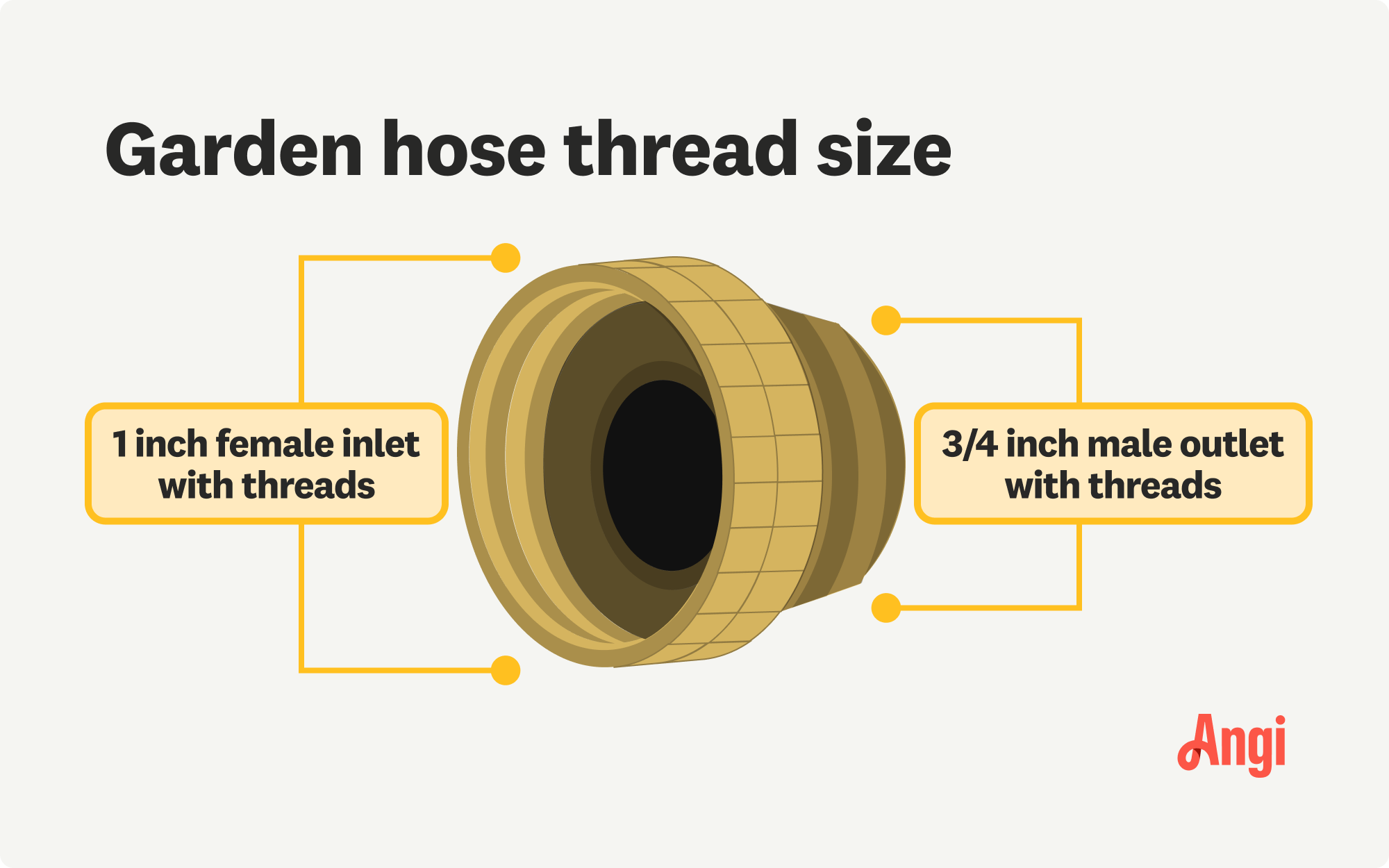
Credit: www.angi.com
Garden Hose Dimensions
Garden hoses come in different sizes that affect how water flows through them. Choosing the right hose size helps with watering plants efficiently.
This guide explains common hose diameters, length options, and how size impacts water flow.
Common Hose Diameters
Most garden hoses have three standard diameters. These sizes control how much water passes through the hose.
- 1/2 inch – Small diameter, less water flow, good for light watering tasks.
- 5/8 inch – The most common size, balances water flow and flexibility.
- 3/4 inch – Larger diameter, allows more water flow, used for heavy watering needs.
Length Options
Garden hoses come in several lengths. The length affects how far you can reach and the water pressure at the end.
| Length | Common Uses |
|---|---|
| 25 feet | Small gardens or patios |
| 50 feet | Medium-sized lawns |
| 75 feet | Large yards or multiple garden areas |
| 100 feet | Very large properties or commercial use |
Impact Of Size On Water Flow
The hose diameter and length affect water pressure and flow. Larger diameters mean more water but can be heavier.
Here are some effects of hose size on water flow:
- Smaller diameter reduces water flow and pressure at the end.
- Longer hoses can lower water pressure due to friction inside the hose.
- Wider hoses increase water flow but are less flexible and heavier.
- Choosing the right size depends on your watering needs and hose length.
Materials And Their Sizes
Garden hoses are made from different materials. The material affects the hose’s size and durability. The common materials are rubber, vinyl, and soaker.
Each type of hose has unique features. These features determine their ideal use and standard sizes.
Rubber Hoses
Rubber hoses are strong and flexible. They are ideal for heavy-duty use. Rubber hoses come in various sizes to fit different needs.
- Length: 25 to 100 feet
- Diameter: 1/2 inch to 1 inch
Vinyl Hoses
Vinyl hoses are lightweight and affordable. They are best for light garden tasks. Vinyl hoses have standard sizes for easy use.
- Length: 25 to 50 feet
- Diameter: 1/2 inch to 3/4 inch
Soaker Hoses
Soaker hoses are perfect for watering gardens. They have tiny holes that let water seep out slowly. Soaker hoses are available in different sizes.
- Length: 25 to 100 feet
- Diameter: 1/4 inch to 1/2 inch
Choosing The Right Hose Size
Choosing the correct garden hose size helps water flow efficiently. The size affects pressure and ease of use. Knowing the standard sizes makes picking easier.
Most garden hoses come in three main diameters: 1/2 inch, 5/8 inch, and 3/4 inch. Each size fits different needs and water pressures.
Matching Hose To Water Pressure
Water pressure influences which hose size works best. Smaller hoses keep pressure high but may reduce flow. Larger hoses allow more water but need more pressure.
- 1/2 inch hoses fit low water pressure systems.
- 5/8 inch hoses suit average pressure and most homes.
- 3/4 inch hoses work well with high pressure for big gardens.
Purpose-based Size Selection
Hose size depends on what you need it for. Smaller hoses are lighter and easier for small tasks. Larger hoses cover big areas and supply more water.
| Task | Recommended Hose Size |
|---|---|
| Watering small plants | 1/2 inch |
| General garden use | 5/8 inch |
| Filling pools or washing cars | 3/4 inch |
Compatibility With Attachments
Check that your hose size matches nozzles, sprinklers, and connectors. Using incompatible sizes may cause leaks or poor water flow.
Common hose diameters and their compatible attachments:
- 1/2 inch hoses fit small nozzles and light sprinklers.
- 5/8 inch hoses work with most standard garden tools.
- 3/4 inch hoses connect to heavy-duty equipment and large sprinklers.
Standard Fittings And Connectors
Garden hoses use standard fittings to connect to water sources and accessories. These fittings ensure a secure and leak-free connection.
Knowing the common sizes and types helps when buying or replacing hoses and connectors.
Common Connector Sizes
The most common garden hose connectors come in two main sizes. These sizes fit most standard hoses and outdoor faucets.
- 5/8 inch:This is the most popular size for general garden use.
- 3/4 inch:Used for heavy-duty or commercial hoses.
- 1/2 inch:Found on smaller hoses or watering accessories.
Thread Types
Garden hose connectors use different thread types to join parts tightly. Two main thread types exist for garden hoses.
| Thread Type | Description |
|---|---|
| Garden Hose Thread (GHT) | Standard thread for garden hoses and spigots. |
| National Pipe Thread (NPT) | Tapered thread used for plumbing connections. |
Quick-connect Options
Quick-connect fittings make attaching and detaching hoses fast and easy. They work without tools and prevent leaks.
- Push-fit connectors snap on and off in seconds.
- Some quick-connects have a locking ring for extra security.
- They come in plastic or metal for different durability levels.
Maintenance Tips For Different Sizes
Garden hoses come in various sizes, and each size needs special care. Proper maintenance helps the hose last longer.
This guide offers simple tips to keep your hoses in good shape. Follow these steps based on your hose size.
Storage Recommendations
Store hoses in a cool, dry place to avoid damage. Large hoses need more space to prevent tangling.
- Use hose reels for small and medium hoses
- Coil large hoses loosely on wide hooks
- Avoid direct sunlight to prevent cracking
- Drain water before storing to stop mold
Preventing Kinks
Kinks reduce water flow and cause wear. Different sizes need different techniques to stay straight.
| Hose Size | Tip to Prevent Kinks |
| Small (1/2 inch) | Avoid tight bends and use a hose guide |
| Medium (5/8 inch) | Store on reels and coil gently |
| Large (3/4 inch or more) | Use wide loops and heavy-duty reels |
Cleaning And Care
Cleaning keeps hoses clear and working well. Size affects how you clean and care for your hose.
Follow these care tips based on hose size:
- Small hoses:Flush with water and wipe outside with a damp cloth.
- Medium hoses:Use mild soap and water to clean both inside and outside.
- Large hoses:Rinse thoroughly and check for cracks or leaks regularly.
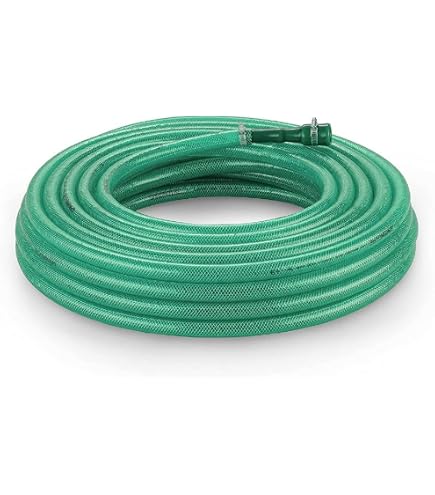
Credit: www.amazon.in
Trends And Innovations In Garden Hoses
Garden hoses have seen many new features over the years. These changes make watering easier and save space.
This article covers three main trends: expandable hoses, eco-friendly materials, and smart hose technologies.
Expandable Hoses
Expandable hoses grow longer when water flows through them. They shrink back when the water stops. This saves storage space and reduces tangles.
These hoses are light and easy to carry. They often come with strong connectors to prevent leaks.
Eco-friendly Materials
New hoses use materials that are safer for the environment. They avoid harmful chemicals and last longer to reduce waste.
| Material | Benefits | Common Use |
| Recycled Rubber | Reduces waste, flexible | Heavy-duty hoses |
| Biodegradable Polymers | Breaks down in nature | Light garden hoses |
| Natural Latex | Stretchy, eco-friendly | Expandable hoses |
Smart Hose Technologies
Smart hoses connect with apps or sensors. They help control water flow and track usage.
- Automatic shut-off to save water
- Leak detection alerts
- Remote control via smartphone
- Water usage monitoring

Credit: mahavirgroup.org
Frequently Asked Questions
What Is The Standard Diameter Of A Garden Hose?
The standard garden hose diameter is 5/8 inch. This size balances water flow and flexibility, making it ideal for most gardening tasks.
How Long Is A Typical Garden Hose?
A typical garden hose length is 50 feet. This length suits average lawn sizes and offers ease of storage and use.
What Materials Are Standard Garden Hoses Made From?
Standard garden hoses are made from rubber, vinyl, or reinforced materials. These materials ensure durability, flexibility, and resistance to weather conditions.
Can I Use Different Hose Sizes With Standard Fittings?
Standard fittings usually fit 5/8 inch hoses. Using different sizes may require adapters to ensure a secure and leak-free connection.
Conclusion
Choosing the right garden hose size makes watering easier and more efficient. Most hoses come in standard lengths like 25, 50, or 100 feet. The diameter usually varies between 1/2 inch and 5/8 inch. Picking the correct size depends on your garden’s needs and water pressure.
A proper hose size saves time and effort. Keep these simple facts in mind for your next garden project. A good hose helps your plants grow healthy and strong. Simple and clear choices work best for every gardener.