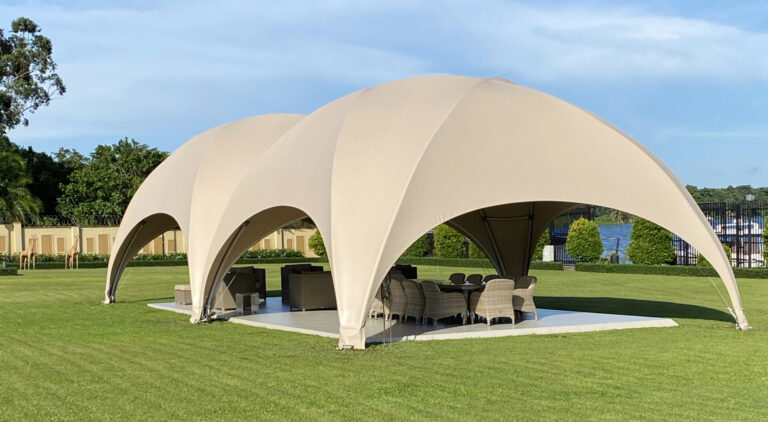
Have you ever wondered what makes a tent strong, light, and weatherproof? Whether you’re planning your first camping trip or upgrading your gear, knowing what tents are made of can help you choose the right one.
The materials inside your tent affect how comfortable and safe you’ll be under the stars. Keep reading to discover the secrets behind tent fabrics, poles, and coatings—so you can pick a tent that fits your adventure perfectly.
Common Tent Fabrics
Tents use different fabrics to protect people from weather. The choice of fabric affects weight, durability, and waterproofing.
Three main fabrics are nylon, polyester, and canvas. Each has unique features and uses in tent making.
Nylon Basics
Nylon is a strong synthetic fabric. It is lightweight and easy to pack. Nylon tents dry fast after rain. They resist tears well but can stretch when wet.
Polyester Features
Polyester is another synthetic fabric used in tents. It resists stretching and UV damage better than nylon. Polyester keeps its shape in wet weather.
- Good UV resistance
- Less stretch when wet
- Durable and strong
- Heavier than nylon
- Dries slower than nylon
Canvas Characteristics
Canvas is a natural fabric made from cotton. It is very durable and breathable. Canvas tents are heavier and take longer to dry. They resist wear and tear well.
| Canvas Tent Feature | Description |
|---|---|
| Weight | Heavy |
| Durability | High, lasts many years |
| Water Resistance | Good when treated |
| Breathability | Excellent, reduces condensation |
| Care | Needs drying after rain |
Waterproof Coatings
Tents need to keep you dry during rain. Waterproof coatings make this possible. They protect the fabric by preventing water from soaking through.
Different coatings offer varying levels of water resistance. The choice depends on your camping needs and conditions.
Polyurethane Coatings
Polyurethane coatings are popular for their durability. They form a strong barrier against moisture. This makes them ideal for many outdoor activities.
- Affordable and widely used
- Effective at sealing fabric pores
- Can add weight to the tent
Silicone Treatments
Silicone treatments offer excellent water resistance. They provide a slick surface, causing water to bead and roll off quickly.
Silicone is lightweight and flexible. It is often used for lightweight tents. Many backpackers prefer it for its easy handling.
Durable Water Repellents
Durable Water Repellents (DWR) add an extra layer of protection. They are often applied to the outside of the tent fabric. DWR helps maintain the fabric’s breathability.
| Type | Advantages |
| Polyurethane | Durable and cost-effective |
| Silicone | Lightweight and flexible |
| DWR | Maintains breathability |
Tent Poles And Frames
Tent poles and frames hold the tent structure up. They provide shape and strength. These parts must be light and strong for easy carrying and setup.
Different materials create different pole types. Each type has benefits and downsides. Choosing the right poles affects tent durability and weight.
Aluminum Poles
Aluminum poles are popular for many tents. They are light and strong. Aluminum resists rust, so they last longer outdoors.
These poles bend without breaking easily. This makes them safe in windy weather. They are slightly more expensive than other poles but offer great value.
Fiberglass Options
Fiberglass poles are common in budget tents. They are heavier than aluminum but cheaper. Fiberglass can splinter if bent too far.
- Less expensive than aluminum
- Heavier and less durable
- Can break or splinter under stress
- Good for casual camping and light use
Carbon Fiber Benefits
Carbon fiber poles are strong and very light. They are ideal for backpackers who need to save weight. Carbon fiber resists corrosion and stays stiff.
| Feature | Carbon Fiber Poles |
|---|---|
| Weight | Very light |
| Strength | High |
| Cost | Expensive |
| Durability | Good but can crack |
| Best Use | Backpacking and serious camping |

Credit: creativestructuresworldwide.com
Floor Materials
The floor of a tent needs to be strong and waterproof. It keeps you dry and protects against rough ground.
Tent floors use different materials to stay durable and comfortable. Some are thicker for tough use.
Heavy-duty Tarpaulin
Heavy-duty tarpaulin is a thick plastic sheet. It is very strong and waterproof.
This material stops water from coming in and protects against tears. It works well on rough surfaces.
Ripstop Fabrics
Ripstop fabric has a special weave that stops holes from growing. It is light but tough.
This fabric is often coated to make it water-resistant. It is good for tents that need to be light and strong.
Seam Sealing Techniques
Seams are where pieces of fabric join. Sealing them stops water from leaking in.
Seam sealing uses tape or special glue. This keeps the tent floor dry and protects the fabric edges.
Durability Factors
Tents are made from materials that must last in different weather conditions. Durability is key to keeping campers safe and dry.
Several factors affect how strong and long-lasting tent fabrics are. These include tear resistance, UV protection, and abrasion resistance.
Tear Resistance
Tear resistance means how well the fabric stops small cuts from getting bigger. Stronger tents use tightly woven fabrics to prevent tears.
High tear resistance helps tents last longer and keeps them safe during windy or rough use.
Uv Protection
UV protection stops sunlight from damaging the tent fabric. Sun rays can weaken materials and cause colors to fade.
Good UV protection keeps tents strong and looking new, even after many days in the sun.
Abrasion Resistance
Abrasion resistance measures how well fabric handles rubbing or scraping. Campgrounds often have rough surfaces that can wear out tents.
Fabrics with high abrasion resistance last longer and protect against holes and tears from rough ground or packing.

Credit: www.letsgoaero.com
Specialized Tent Materials
Tents use different materials for strength and comfort. These materials suit many outdoor needs.
Some tents focus on being light, safe, or eco-friendly. These choices affect how you use your tent.
Ultra-lightweight Fabrics
Ultra-lightweight fabrics make tents easy to carry. They are perfect for hikers and campers.
These fabrics often use nylon or polyester with special coatings. They keep the tent strong but light.
- Ripstop nylon prevents tears
- Silicone coatings add water resistance
- Lightweight fabrics reduce pack weight
Fire-resistant Materials
Fire-resistant materials help protect tents from sparks and flames. They are good for campfires nearby.
These fabrics slow down burning and reduce fire risks. They use special chemicals or woven fibers.
- Fiberglass fabrics resist flames
- Fire-retardant coatings add safety
- Used in camping and event tents
Eco-friendly Options
Eco-friendly tent materials lower harm to nature. They use recycled or natural fibers.
These tents help reduce waste and pollution. They are good for green camping practices.
- Recycled polyester fabrics
- Organic cotton blends
- Biodegradable coatings
Material Care Tips
Tents are made from different materials like nylon, polyester, and canvas. Taking care of these materials helps your tent last longer.
Good care keeps your tent strong and ready for your next trip. Follow simple steps to clean, store, and repair your tent properly.
Cleaning And Maintenance
Clean your tent after every trip. Dirt and sweat can damage the fabric over time.
Use cold water and mild soap. Avoid harsh chemicals and machine washing.
- Shake out dirt and debris before cleaning
- Hand wash with soft sponge or cloth
- Rinse thoroughly to remove soap
- Air dry your tent fully before storing
Storage Best Practices
Store your tent in a cool, dry place. Avoid direct sunlight and damp areas.
Keep your tent loose in a large bag, not tightly packed. This helps the fabric keep its shape.
- Dry your tent completely before storage
- Use a breathable storage bag instead of plastic
- Check for damage before storing
- Store away from pests and rodents
Repairing Damages
Fix small tears and holes quickly to stop them from growing. Use patch kits made for tents.
Check zippers and seams often. Replace or sew them if they break.
- Clean the damaged area before patching
- Use waterproof tape or fabric patches
- Let glue or patch dry fully before use
- Carry a small repair kit on trips

Credit: creativestructuresworldwide.com
Frequently Asked Questions
What Materials Are Tents Commonly Made Of?
Tents are commonly made of polyester, nylon, or canvas. Polyester and nylon are lightweight and water-resistant. Canvas is heavier but highly durable and breathable, ideal for long-term use.
Why Is Polyester Popular For Tent Fabric?
Polyester is popular because it resists water, UV rays, and mildew. It is lightweight, dries quickly, and maintains strength in various weather conditions, making it ideal for camping tents.
How Does Nylon Differ From Polyester In Tents?
Nylon is lighter and more stretchable than polyester. However, it absorbs more water and can degrade faster in sunlight. Nylon tents often have waterproof coatings to enhance durability.
What Makes Canvas Tents Durable?
Canvas tents are made from heavy cotton fabric. They offer excellent breathability and insulation. Canvas is strong, resists tearing, and performs well in harsh weather, but it is heavier than synthetic fabrics.
Conclusion
Tents come in many materials, each with its own strength. Cotton tents breathe well and feel natural. Polyester tents resist water and dry fast. Nylon tents are light and strong for travel. Knowing tent fabrics helps you choose the best one.
Choose a tent material that fits your needs and weather. This makes camping safer and more comfortable. Understanding tent fabrics also helps care for your gear. Now, you can pick a tent that lasts and protects. Simple choices lead to better outdoor fun.