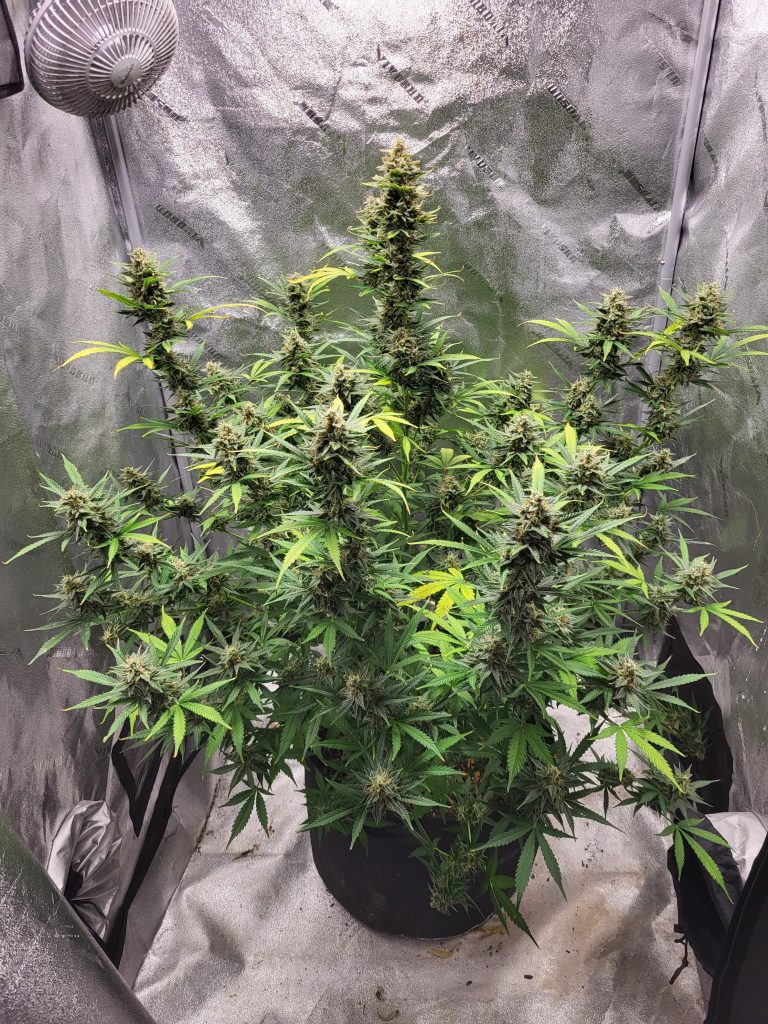
Are you struggling to keep your grow tent warm enough for your plants to thrive? If your plants aren’t getting the right heat, their growth can slow down or even stop.
But don’t worry—heating your grow tent the right way is easier than you think. In this guide, you’ll discover simple, effective methods to maintain the perfect temperature inside your tent. By the end, you’ll have the confidence to create an ideal environment that helps your plants grow strong and healthy.
Keep reading to unlock the secrets to heating your grow tent like a pro.

Credit: www.reddit.com
Choosing The Right Heater
Keeping a grow tent warm is important for plant health. Choosing the right heater helps maintain the best temperature. This guide covers types of heaters, energy use, and safety tips.
Picking a heater depends on the size of your tent and your energy goals. Safety is also a key factor to protect your plants and equipment.
Types Of Heaters For Grow Tents
There are several heater types for grow tents. Each one works differently and fits certain needs.
- Ceramic Heaters:These use ceramic plates to warm air. They are quiet and safe for small spaces.
- Oil-Filled Radiators:These heaters hold warm oil inside. They provide steady heat and stay warm after turning off.
- Infrared Heaters:They heat objects directly, not the air. Good for spot heating plants.
- Fan Heaters:Use a fan to spread warm air quickly. They heat up fast but can be noisy.
Energy Efficiency Considerations
Energy use affects your power bill and the environment. Choose heaters that warm effectively without wasting power.
| Heater Type | Energy Use | Best For |
| Ceramic | Low to Medium | Small tents, quiet heat |
| Oil-Filled Radiator | Medium | Long-lasting warmth |
| Infrared | Low | Direct plant heating |
| Fan Heater | Medium to High | Fast heating, larger tents |
Safety Features To Look For
Safety is key in grow tents. Look for heaters with features that reduce fire risks and protect your plants.
- Automatic shut-off if the heater tips over
- Overheat protection to stop the heater if it gets too hot
- Cool-touch housing to avoid burns
- Stable base to prevent falling
- Proper size to avoid overheating the tent
Setting Up Your Heater
Heating a grow tent is essential for plant health. Proper heater setup ensures plants thrive in optimal conditions.
A heater can prevent cold stress in plants. Set it up correctly for even warmth and safety.
Placement Tips For Even Heat Distribution
Where you place the heater matters. It affects how evenly heat spreads inside the tent.
- Place the heater near the floor. Heat rises naturally.
- Aim the heater toward the center. This helps spread warmth evenly.
- Keep the heater away from plant leaves to avoid burns.
Ventilation And Airflow Management
Good airflow helps maintain temperature. It also prevents overheating and mold growth.
Use fans to circulate air. This ensures all plants get the right temperature and humidity.
Electrical Setup And Safety
Safety is important when setting up the heater. Improper electrical setup can be dangerous.
- Use a surge protector to prevent electrical surges.
- Ensure cords are not tangled or near water sources.
- Regularly check connections for any signs of wear or damage.
Maintaining Ideal Temperature Levels
Keeping the right temperature inside a grow tent is important for plant health. Proper heat helps plants grow strong and healthy.
Temperatures that are too low or too high can slow growth or damage plants. Use tools to control and check heat levels.
Using Thermostats And Timers
Thermostats help keep temperature steady by turning heaters on or off automatically. Timers control when heat devices run.
Set thermostats to your ideal temperature range for your plants. Use timers to avoid running heaters all day and save energy.
- Thermostats prevent overheating and cold snaps
- Timers schedule heating during cooler hours
- Both tools reduce manual temperature checks
Monitoring Humidity Alongside Heat
Heat changes humidity inside the grow tent. Watch humidity levels because plants need the right moisture in the air.
Too much heat can dry the air, hurting plants. Use a hygrometer to check humidity and add a humidifier if needed.
- Heat raises temperature and lowers humidity
- Keep humidity between 40% and 70% depending on plant type
- Balance heat and humidity for healthy growth
Adjusting Heat For Different Growth Stages
Plants need different temperatures at each growth stage. Young plants like warmer air than mature plants.
Lower heat during flowering or fruiting helps prevent stress. Raise it during seedling and vegetative stages for faster growth.
- Seedlings: 70°F to 80°F (21°C to 27°C)
- Vegetative: 65°F to 80°F (18°C to 27°C)
- Flowering: 60°F to 75°F (15°C to 24°C)

Credit: canadagrowsupplies.com
Alternative Heating Methods
Keeping a grow tent warm is important for plant health. Some growers use electric heaters, but there are other ways to add heat. These methods can save energy and keep the tent cozy.
This guide covers three options: heat mats and pads, insulation techniques, and heat rocks or hot water bottles.
Heat Mats And Pads
Heat mats and pads provide gentle warmth from below plants. They are easy to use and safe if placed correctly. These mats plug into a power source and keep soil warm.
- Place mats under pots or seed trays
- Use mats with adjustable temperature controls
- Check mats regularly for damage
- Avoid over-heating to protect roots
Insulation Techniques For Grow Tents
Insulation helps keep heat inside the tent. It blocks cold air and reduces heat loss. Simple materials can improve warmth without using extra power.
| Insulation Material | Benefits | Cost |
| Reflective Foil | Reflects heat back inside | Low |
| Bubble Wrap | Traps warm air layers | Very Low |
| Foam Boards | Blocks cold drafts | Medium |
| Thermal Blankets | Easy to add or remove | Low |
Using Heat Rocks And Hot Water Bottles
Heat rocks and hot water bottles offer simple heat without electricity. Heat rocks absorb warmth and release it slowly. Hot water bottles keep heat for hours.
- Place heat rocks near plants but not touching them
- Fill hot water bottles with warm water before placing inside
- Use covers to avoid direct contact with plants
- Check heat sources often to maintain steady warmth
Troubleshooting Common Issues
Heating a grow tent needs care to keep plants healthy. Problems can stop your tent from staying warm. This guide helps you fix common heating issues fast.
Check your heating system regularly. Fix problems early to avoid damage to plants and equipment.
Overheating Prevention
Too much heat can harm plants and cause fire risks. Use these tips to stop your tent from getting too hot.
- Use a thermostat to control the heater temperature.
- Place a thermometer inside the tent to monitor heat levels.
- Keep vents open to allow fresh air to flow.
- Do not place the heater too close to plants or walls.
- Turn off the heater if temperatures go above the safe range.
Dealing With Uneven Temperature Zones
Uneven heat can cause some plants to grow poorly. You can fix this by improving air flow and heat spread.
| Cause | Solution |
| Heater placed in one corner | Move heater to center or use multiple heaters |
| Poor air circulation | Add fans to circulate warm air evenly |
| Blocked vents or airflow | Clear obstructions and keep vents open |
| Insufficient insulation | Seal gaps and use reflective materials |
Addressing Heater Malfunctions
Heaters can fail due to power issues or mechanical faults. Check these points to find and fix heater problems.
- Ensure the heater is plugged in and switched on.
- Check the power outlet with another device.
- Inspect the heater for visible damage or loose parts.
- Clean dust and debris from heater vents and fans.
- Reset or replace the heater’s fuse if needed.
- Consult the heater manual for error codes or lights.

Credit: blimburnseeds.com
Frequently Asked Questions
How Do I Safely Heat A Grow Tent?
Use a small, thermostatically controlled heater designed for enclosed spaces. Ensure proper ventilation and monitor temperature regularly to avoid overheating and fire hazards.
What Is The Ideal Temperature For A Grow Tent?
Maintain temperatures between 70°F and 85°F during the day. Night temperatures can be slightly cooler, around 60°F to 70°F, for optimal plant growth.
Can I Use A Heat Mat Inside A Grow Tent?
Yes, heat mats are effective for warming soil and root zones. They provide consistent bottom heat without raising air temperature excessively.
How Do I Prevent Humidity Issues When Heating A Grow Tent?
Use a dehumidifier or ventilation system to control moisture. Heating can increase humidity, so balance is essential to prevent mold and mildew.
Conclusion
Heating a grow tent keeps plants healthy and growing well. Choose a safe heater that fits your tent size. Monitor temperature often to avoid overheating or cold spots. Proper ventilation helps keep air fresh and steady. Simple steps create the best growing environment inside your tent.
Warmth and care help plants thrive every day. Keep learning and adjusting for the best results. Growing success starts with the right heat and attention.