Choosing the right baseball bat can make all the difference in your game. Whether you’re just starting out or looking to upgrade, picking a bat that fits your style and strength is key.
You might feel overwhelmed by all the options – different sizes, weights, and materials. But don’t worry, this guide will help you find the perfect bat that feels natural in your hands and boosts your confidence at the plate. Keep reading, and soon you’ll know exactly what to look for to swing like a pro.

Credit: www.forelle.com
Types Of Baseball Bats
Choosing the right baseball bat is important for your performance. Different bats fit different playing styles and leagues.
There are three main types of baseball bats. Each type has unique features and benefits.
Wood Bats
Wood bats are the traditional choice. They offer a natural feel and good balance.
These bats come in different wood types like maple, ash, and birch. Each wood has its own strength and flexibility.
- Maple is hard and dense, giving strong hits.
- Ash is lighter and has more flex.
- Birch combines hardness and flexibility well.
Metal Bats
Metal bats are popular in amateur and youth leagues. They are usually made of aluminum or alloy.
Metal bats are lighter than wood and have a larger sweet spot. This helps players hit the ball harder and farther.
- Aluminum bats are durable and low maintenance.
- Alloy bats offer better performance and feel.
- Metal bats often have a hollow design for speed.
Composite Bats
Composite bats use a mix of materials like carbon fiber and resin. They are designed for better performance.
These bats are lighter and absorb vibration well. They also offer a larger sweet spot and longer durability.
- Composite bats reduce hand sting on contact.
- They need a break-in period for best results.
- Composite bats can be more expensive than others.
Bat Length And Weight
Choosing the right baseball bat can improve your game. The bat’s length and weight are important factors.
Finding a bat that suits your style and strength is key. Let’s explore how to choose the best length and weight for you.
Finding The Right Length
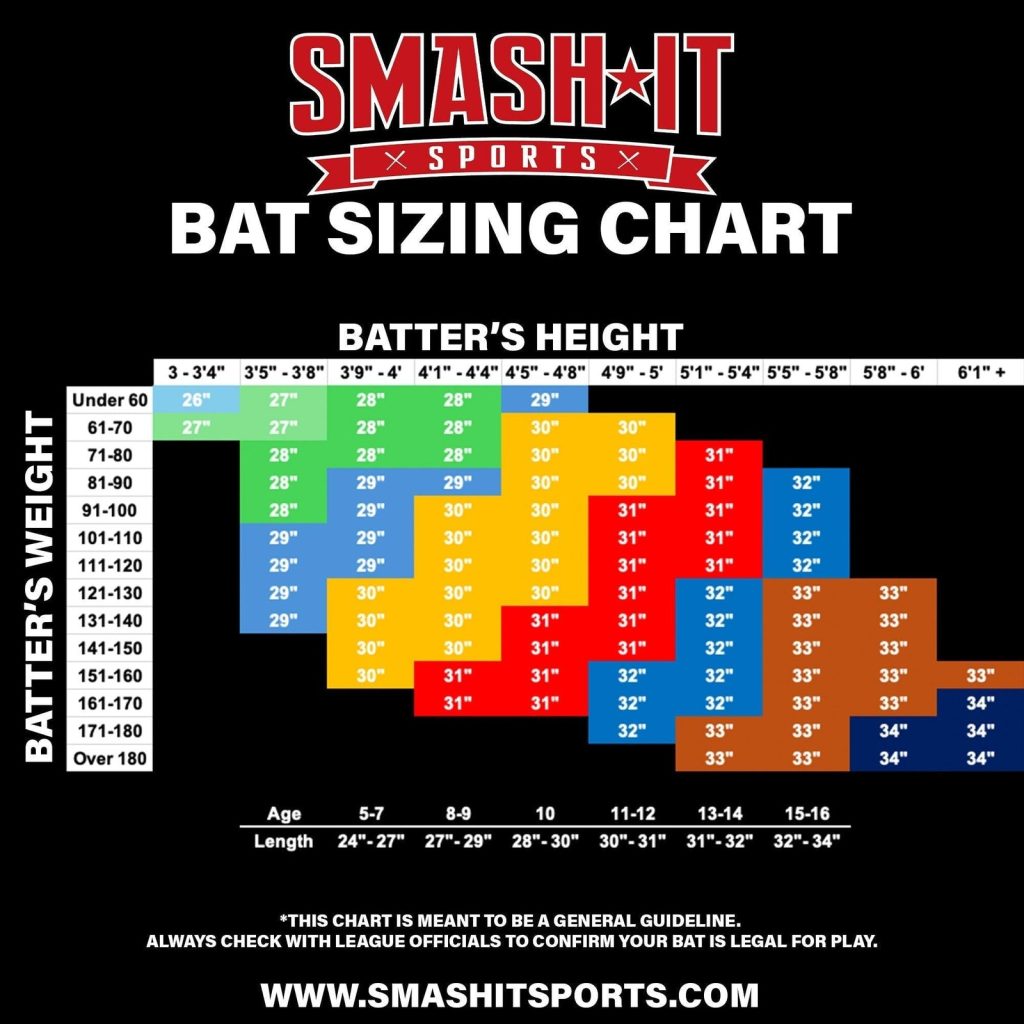
A bat that is the right length helps you hit better. The length of the bat should fit your height and reach.
- Longer bats give more reach but need more strength.
- Shorter bats are easier to handle and control.
- Stand the bat up next to you; it should reach your hip.
Choosing The Ideal Weight
The weight of your bat affects your swing speed. A heavier bat gives more power, but a lighter bat is quicker.
Choose a weight that you can swing comfortably without losing control. Test different weights to see what feels best.
- Heavy bats for strong players who can handle more weight.
- Light bats for younger or smaller players.
- Balance is important; don’t go too heavy or too light.
Understanding Drop Weight
Drop weight is the difference between the bat’s length and weight. A higher drop weight means a lighter bat.
For example, a bat that is 30 inches long and weighs 20 ounces has a drop weight of -10.
| Bat Length (inches) | Bat Weight (ounces) | Drop Weight |
| 30 | 20 | -10 |
| 32 | 22 | -10 |
Material Impact On Performance
The material of a baseball bat changes how it feels and works. It affects the bat’s weight, strength, and how fast you can swing it.
Choosing the right material helps improve your hitting and comfort during the game.
Durability Factors
Different bat materials last for different times. Wood bats can break more easily but feel natural. Metal and composite bats last longer and resist dents.
Composite bats may need a break-in period before they perform well. Aluminum bats give good durability and need less care.
- Wood bats break easier but can be repaired
- Aluminum bats resist dents and last long
- Composite bats are strong but need breaking in
Swing Speed Considerations
The bat’s material affects how fast you can swing it. Lighter materials help you swing faster and react quicker.
Wood bats are usually heavier. Aluminum and composite bats are lighter, which helps increase swing speed.
- Wood bats are heavier and slower to swing
- Aluminum bats are lighter and easier to swing fast
- Composite bats can be very light for quick swings
Ball Exit Speed
Ball exit speed is how fast the ball leaves the bat after a hit. The material affects how much energy transfers to the ball.
Composite and aluminum bats often give higher ball exit speeds. Wood bats usually have less “pop” but offer more control.
- Composite bats give high ball exit speeds
- Aluminum bats provide strong and fast hits
- Wood bats offer good control but lower exit speeds
League Regulations And Bat Certification
Choosing the right baseball bat depends on league rules and bat certification. Each league has specific standards to ensure fair play and player safety.
Understanding these regulations helps players pick bats that meet legal requirements and improve performance.
Youth League Standards
Youth leagues focus on safety and age-appropriate equipment. Bats must be certified by approved organizations to be used in games.
- Most use USA Baseball certification
- Players must use bats with correct length and weight
- Composite or alloy bats are allowed if certified
- Wood bats are often permitted but not required
High School And College Rules
High school and college leagues follow strict bat certification rules. Bats must meet specific performance standards.
| League | Certification Required | Bat Type Allowed | Performance Standard |
| High School (NFHS) | USA Baseball | Composite, Alloy, Wood | Batted Ball Speed (BBCOR) |
| College (NCAA) | USA Baseball | Composite, Alloy, Wood | Batted Ball Speed (BBCOR) |
Professional League Guidelines
Professional leagues have the strictest bat rules. They usually require wood bats made from approved materials.
- Bats must be solid wood
- No metal or composite bats allowed
- Bats must meet length and diameter limits
- Custom grips are allowed but cannot change bat performance
Grip And Handle Options
Choosing the right grip and handle for a baseball bat affects comfort and control. Different materials and styles suit different players.
Consider your hand size and playing style when exploring grip materials, handle thickness, and knob styles. Each option changes how the bat feels during a swing.
Grip Materials
Grip materials affect how well you hold the bat and how much shock you feel on contact. Common materials include:
- Rubber:Provides a firm, non-slip grip that absorbs some shock.
- Leather:Offers a traditional feel and improves grip as it breaks in.
- Synthetic Wraps:Lightweight and often textured for extra grip and comfort.
Handle Thickness
Handle thickness changes how the bat feels in your hands. Thin handles allow more wrist action and faster swings. Thick handles offer more control and reduce vibration.
| Handle Thickness | Best For | Effect |
|---|---|---|
| Thin (around 0.9 inches) | Players who like quick wrist movement | Faster swing speed, less control |
| Medium (about 1.0 inches) | Most players | Balanced speed and control |
| Thick (1.1 inches and above) | Players needing more control | More stable swing, less vibration |
Knob Styles
Knob styles affect how the bat feels at the bottom of the handle. They help prevent the bat from slipping during a swing. Common styles include:
- Standard Knob:Rounded shape, good for most players.
- Flared Knob:Wider at the bottom for extra grip security.
- Extended Knob:Longer shape that some players use for balance.

Credit: www.demarini.com
Budgeting For Your Bat
Choosing the right baseball bat means thinking about your budget. Bats come in many prices. You can find options for all budgets.
Knowing your budget helps you pick a bat that fits your needs. It also stops you from spending too much or too little.
Entry-level Options
Entry-level bats are good for beginners and casual players. These bats cost less and still offer decent quality. They are made with simple materials.
These bats are great if you play sometimes or are just learning. They may be heavier but still durable for practice and fun games.
- Usually made from alloy or composite
- Lower price, around $30 to $70
- Good for short-term use or beginners
- Wide range of sizes and weights
Mid-range Picks
Mid-range bats balance price and performance. They use better materials and have improved design. These bats feel lighter and stronger.
Players who want to play often or in leagues choose mid-range bats. They last longer and help improve your swing.
- Made with high-quality alloy or composite
- Price range: $80 to $150
- Good for regular players and serious practice
- Better weight distribution and durability
Premium Choices
Premium bats offer top performance and lightest weight. They use advanced materials and technology. These bats are made for competitive players.
If you play in tournaments or want the best feel, premium bats are worth the price. They last long and improve your hitting power.
- Made from high-end composite or carbon fiber
- Price can go over $200
- Designed for serious players and competitions
- Offers best balance, speed, and control
Testing Bats Before Buying
Choosing the right baseball bat is important for better performance. Testing bats before buying helps you find the best fit.
Try different bats to see which one feels comfortable and suits your style.
Swinging Techniques
Try swinging the bat naturally like you would in a game. See how the bat moves through the air and how it feels when you swing hard and soft.
Test different swing speeds and angles to check how the bat responds. A good bat should feel smooth and easy to control.
Feel And Balance
Hold the bat in your hands to check its balance. The bat should not feel too heavy at the end or too light in the middle.
A well-balanced bat helps you swing faster and with more control. The right feel makes it easier to hit the ball well.
- Check the weight distribution
- Make sure the grip feels comfortable
- Notice how the bat feels when stationary and in motion
Trial Opportunities
Look for places that let you test bats before buying. Some stores have batting cages or soft balls to practice with.
Try as many bats as possible to compare. This helps you find the bat that works best for your strength and style.
- Visit sporting goods stores with demo bats
- Attend baseball clinics or events with test bats
- Ask about return policies if trial options are limited

Credit: www.justbats.com
Maintaining Your Baseball Bat
Keeping your baseball bat in good shape helps it last longer. Regular care improves its performance on the field.
Follow simple tips for cleaning, storing, and fixing your bat. These steps keep it ready for every game.
Cleaning Tips
Clean your bat after each use to remove dirt and sweat. Use a soft cloth and mild soap with water. Avoid harsh chemicals that can damage the finish.
- Wipe the bat with a damp cloth
- Use mild soap if needed
- Dry the bat completely before storing
- Do not soak the bat in water
- Clean the grip to prevent slipping
Storage Advice
Store your bat in a dry place away from extreme temperatures. Avoid leaving it in a car or outside where heat or cold can cause damage.
| Storage Tip | Reason |
| Keep bat indoors | Prevents weather damage |
| Use a bat rack or holder | Protects from warping |
| Avoid leaning against walls | Keeps bat straight |
| Store at room temperature | Maintains material strength |
Repair And Replacement
Check your bat often for cracks or dents. Minor damage can sometimes be fixed. If the bat is badly damaged, replace it to stay safe.
- Inspect bat for cracks or dents before each use
- Use grip tape to cover small wear areas
- Do not use a cracked bat in games
- Replace the bat if it shows deep damage
- Consult a professional for repairs on wooden bats
Frequently Asked Questions
What Is The Best Baseball Bat Material?
Aluminum bats are lightweight and durable, ideal for beginners. Composite bats offer better performance but cost more. Wood bats provide traditional feel, mostly used in professional leagues. Choose based on your level, budget, and league regulations.
How To Choose The Right Baseball Bat Length?
Measure your height and weight to find the ideal bat length. Lighter bats are easier to control, while longer bats increase reach. Refer to size charts to select a bat that balances power and swing speed.
What Baseball Bat Weight Suits Beginners?
Start with a lighter bat to improve swing speed and control. A bat weight around 17-20 ounces is suitable for most beginners. Avoid heavy bats as they can cause fatigue and affect hitting mechanics.
Are Drop Weight And Bat Length Related?
Yes, the drop weight equals the bat length minus its weight. A higher drop weight means a lighter bat. Select a drop weight that matches your strength and hitting style for optimal performance.
Conclusion
Choosing the right baseball bat takes time and thought. Think about your size, strength, and skill level. Test different bats to find what feels best. Focus on weight and length that you can handle comfortably. A good bat helps improve your swing and confidence.
Keep practicing with your chosen bat every day. Enjoy the game and keep having fun while playing. Your perfect bat will help you play better and enjoy baseball more.