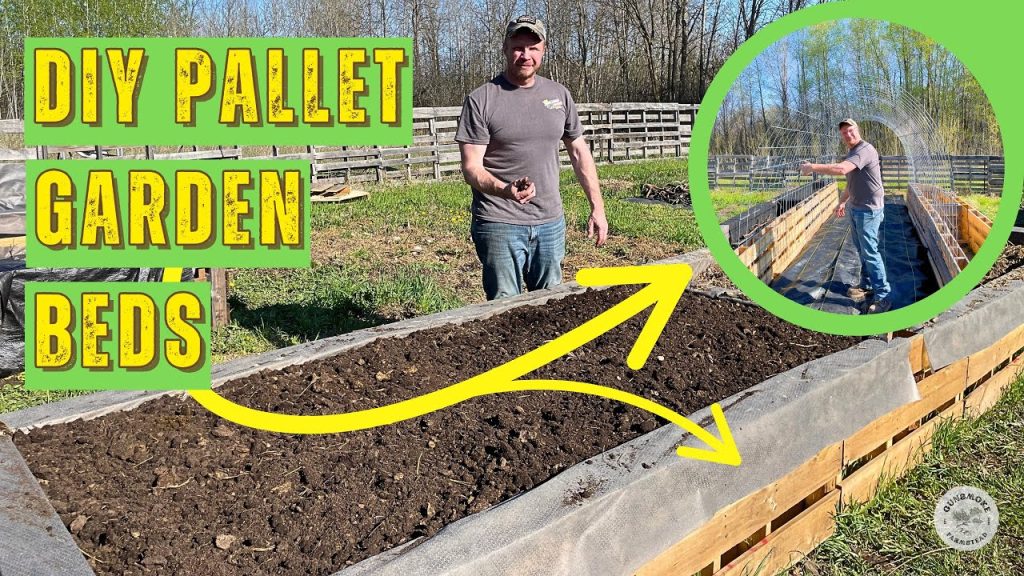
Are you ready to transform your garden space without spending a fortune? Building a raised garden bed with pallets is a smart and simple way to grow your own vegetables, herbs, or flowers.
You don’t need fancy tools or expensive materials—just some basic supplies and a little effort. Imagine having a neat, organized garden that’s easy to maintain and looks great. Keep reading, and you’ll discover step-by-step how to turn ordinary pallets into a beautiful, functional raised garden bed that fits your space perfectly.
Your green thumb is about to get a major upgrade!
Benefits Of Raised Garden Beds
Raised garden beds offer many advantages for growing plants. They improve soil quality and make gardening easier. Using pallets to build them is a simple and affordable way to start.
This guide explains the key benefits of raised garden beds made from pallets. Understanding these benefits will help you decide if this method fits your gardening needs.
Better Soil Control
Raised beds let you control the soil type and quality. You can avoid poor ground soil and add the right nutrients. This helps plants grow stronger and healthier.
Improved Drainage
Water drains faster in raised beds. This stops water from pooling around plant roots. Plants get enough water without staying too wet, which reduces root rot.
Easier Access And Maintenance
Raised beds are higher than the ground level. This reduces bending and kneeling while gardening. It makes planting, weeding, and harvesting easier, especially for older gardeners.
- Less strain on your back and knees
- More comfortable gardening sessions
- Clear bed edges help keep weeds out
- Defined space for neat garden layout
Pest And Weed Control
Raised beds can reduce pests and weeds. The bed walls act as a barrier to some insects and animals. You can also add covers or nets more easily to protect plants.
Longer Growing Season
The soil in raised beds warms faster in spring. This helps you plant earlier and grow more crops. Raised beds also drain well, preventing cold, wet soil problems.
| Benefit | Explanation |
| Soil Control | Choose and improve soil quality |
| Drainage | Prevents water pooling near roots |
| Easy Access | Reduces bending and kneeling |
| Pest Control | Limits some pests and weeds |
| Growing Season | Warmer soil starts growth sooner |
Choosing The Right Pallets
Building a raised garden bed with pallets is a great DIY project. It is important to choose the right pallets for safety and quality.
Not all pallets are the same. Some are treated with chemicals, while others may not be strong enough. Knowing how to choose the right pallets is key.
Identifying Safe Pallets
Safe pallets are essential for your garden’s health. Look for pallets marked with “HT”. This means they are heat-treated and safe to use.
Avoid pallets marked with “MB”. These pallets are treated with harmful chemicals. They are not safe for gardening.
- Check for “HT” stamps on the pallets
- Avoid “MB” marked pallets
- Inspect for mold or stains
Selecting Pallet Size And Quality
Choose pallets that are the right size for your garden bed. Full-sized pallets are usually 48×40 inches, but sizes can vary.
Ensure the pallets are in good condition. They should not have broken slats or loose nails. Quality pallets make a sturdy garden bed.
- Measure your space to determine pallet size
- Inspect for broken parts or damage
- Choose strong, durable wood
Tools And Materials Needed
Building a raised garden bed with pallets is a simple and eco-friendly project. You only need a few tools and materials to get started.
Using pallets helps you save money and recycle wood. Let’s look at the main tools and materials you need.
Wooden Pallets
Pallets are the main material for the garden bed. Choose pallets that are clean and free from chemicals.
Look for pallets made from hardwood or softwood. Avoid pallets that show signs of rot or damage.
- Standard size pallets work best (about 48 x 40 inches)
- Check for nails or staples that need removal
- Use heat-treated pallets, not chemically treated
Saw
You need a saw to cut pallets to the right size. A hand saw or electric saw works well.
Make straight cuts to ensure the sides fit together nicely. Measure twice before cutting.
Hammer And Nails
A hammer and nails help you join the pallet pieces. Use nails that are long enough to hold the wood firmly.
If you prefer, you can use screws and a drill for stronger joints.
Measuring Tape And Pencil
Measure the pallets and mark cutting points with a pencil. Accurate measurements make assembly easier.
Use a tape measure with clear numbers to avoid mistakes.
Sandpaper Or Power Sander
Sanding smooths the wood surfaces and removes splinters. This makes the garden bed safe to handle.
Use medium-grit sandpaper or a power sander for faster results.
Landscape Fabric
Place landscape fabric inside the bed to stop weeds from growing. It also helps soil stay inside the bed.
Cut the fabric to fit the bed size before adding soil.
Soil And Compost
Fill the raised bed with garden soil and compost. Good soil helps plants grow healthy and strong.
Use a mix of garden soil, compost, and organic matter for best results.
Work Gloves
Wear gloves to protect your hands from splinters and rough wood. Gloves also help when using tools.
Choose gloves that fit well and allow you to work comfortably.

Credit: localgardener.net
Preparing Pallets For Use
Using pallets to build a raised garden bed is a budget-friendly idea. Before building, you must prepare the pallets. Proper preparation helps make the garden bed safe and strong.
This section explains how to clean, sand, and disassemble pallets if needed. These steps improve the pallet quality for your garden project.
Cleaning And Sanding
Start by cleaning the pallets to remove dirt and debris. Use a stiff brush to scrub the wood. If needed, wash the pallets with water and mild soap. Let them dry completely before moving on.
After cleaning, sand the pallet surfaces. Sanding smooths rough spots and removes splinters. Use medium-grit sandpaper for best results. This step helps prevent injuries and prepares the wood for any finishes.
- Brush off loose dirt and debris
- Wash with water and mild soap if dirty
- Allow pallets to dry fully
- Sand with medium-grit sandpaper
- Focus on rough edges and splinters
Disassembling If Needed
Some pallets may need disassembly to fit your garden bed design. Use a crowbar or hammer to carefully remove nails. Work slowly to avoid breaking the wood.
Keep the wood pieces organized after disassembly. You can reuse these parts to build different sections of your raised garden bed.
- Use a crowbar or hammer to remove nails
- Work gently to avoid wood damage
- Sort and save pieces for reassembly
- Discard any broken or weak wood
Building The Frame
Building a raised garden bed with pallets starts with creating a strong frame. The frame holds the soil and plants in place. Use sturdy pallets for a solid base.
Make sure to prepare your pallets by removing loose boards and nails. This step keeps the frame safe and stable for your garden.
Assembling Pallets
Lay the pallets flat on the ground to form the sides of the garden bed. Arrange four pallets in a rectangle or square shape. This will create the frame.
Use a drill to join pallets together. Screw through the edges to connect them firmly. Make sure the pallets line up evenly for a neat frame.
- Place pallets on a flat surface
- Arrange four pallets in the desired shape
- Use screws to join pallet edges together
- Check that all sides are even and aligned
Securing Corners
Secure the corners to keep the frame strong. Use metal brackets or wood blocks inside each corner. Attach them with screws for extra support.
Check the corners with a level to make sure the frame is square. Tight corners help the bed stay stable under soil weight.
- Place metal brackets or wood blocks inside corners
- Attach brackets or blocks with screws
- Use a level to check corner angles
- Tighten screws to ensure firm corners

Credit: www.youtube.com
Adding Soil And Drainage
Building a raised garden bed with pallets is easy. Adding the right soil and drainage helps plants grow strong.
Good soil and proper drainage keep water moving and roots healthy. This guide explains how to prepare both.
Choosing Soil Mix
Use a soil mix that drains well but holds moisture. This balance helps plants get water and air.
A mix with compost, peat moss, and garden soil works great for raised beds made from pallets.
- One part compost for nutrients
- One part peat moss for moisture
- One part garden soil for structure
Improving Drainage
Good drainage stops water from pooling around roots. This prevents root rot and plant damage.
Add a layer of small rocks or gravel at the bottom of the pallet bed. It lets water flow out easily.
- Place 2-3 inches of gravel or small stones first
- Cover with landscape fabric to stop soil from washing down
- Fill with your prepared soil mix on top
Planting Tips For Raised Beds
Raised garden beds made from pallets offer a great way to grow plants. They improve soil drainage and warm up faster in spring.
Good soil and proper planting help your garden grow strong and healthy. Let’s explore tips to get the best results.
Best Plants For Raised Beds
Raised beds are perfect for many plants. Vegetables, herbs, and flowers all do well in these beds.
Choose plants that fit your climate and how much sun your garden gets. This helps plants stay healthy.
- Leafy greens like lettuce, spinach, and kale
- Root vegetables such as carrots, radishes, and beets
- Herbs including basil, parsley, and thyme
- Compact fruits like strawberries and bush beans
- Flowers that attract pollinators, such as marigolds and nasturtiums
Watering And Maintenance
Raised beds dry out faster than ground gardens. Water your plants often but avoid overwatering.
Keep the soil loose by turning it gently every few weeks. Remove weeds to stop them from stealing nutrients.
- Water early in the morning to reduce evaporation
- Use mulch to keep soil moist longer
- Check soil moisture with your finger before watering
- Remove dead leaves and plants to prevent disease
- Add compost or fertilizer every season for better growth

Credit: www.makergardener.com
Maintaining Your Pallet Garden Bed
Keeping your pallet garden bed in good shape helps your plants grow well. Regular care makes the wood last longer. It also keeps the bed safe for your plants.
Focus on simple tasks like checking the wood and cleaning the bed. These steps stop problems before they start.
Preventing Wood Rot
Wood rot happens when wood stays wet for a long time. To prevent this, keep water away from the wood as much as you can. Good drainage is very important.
Try to use a sealant or waterproof paint on the pallet wood. This protects the wood from moisture. Check the wood often for soft spots or mold.
- Use a waterproof sealant on the wood
- Keep the garden bed raised for drainage
- Fix any cracks or holes in the wood
- Remove wet leaves or debris quickly
- Avoid placing the bed directly on soil
Seasonal Care
Each season needs different care for your pallet garden bed. In fall and winter, clear dead plants and cover the bed to protect it from rain and snow.
In spring and summer, check for pests and water the plants properly. Refresh the soil if needed. Keep an eye on the wood for any damage.
- Clear old plants and debris in fall
- Cover the bed during heavy rain or snow
- Check for insects and pests in spring
- Water plants regularly in summer
- Add fresh soil or compost in spring
- Inspect wood for cracks or damage each season
Cost And Time Estimates
Building a raised garden bed with pallets is a budget-friendly project. It saves money by using recycled wood. The time needed depends on your skills and tools.
This guide helps you plan costs and time before starting your garden bed. You will see clear estimates to prepare well.
Cost Estimates
Pallets are often free or very cheap. You may pay for nails, screws, and soil. Some tools might be needed if you do not have them.
- Pallets: $0 to $20 (sometimes free)
- Nails or screws: $5 to $10
- Soil and compost: $20 to $50
- Tools (hammer, saw): $0 to $30 (if needed)
Total cost usually ranges from $25 to $100. Using free pallets and existing tools lowers costs a lot.
Time Estimates
Building a raised bed takes a few hours. Preparing pallets, cutting wood, and assembling are main tasks. Soil filling takes extra time.
- Finding and preparing pallets: 1 to 2 hours
- Cutting and assembling wood: 2 to 3 hours
- Filling with soil and compost: 1 to 2 hours
Total time needed is about 4 to 7 hours. Experience and help from others can reduce the time.
Troubleshooting Common Issues
Building a raised garden bed with pallets is simple but can have some common problems. These issues may slow your progress or affect plant growth.
This guide helps you spot and fix these problems quickly. You can keep your garden healthy and strong by knowing what to do.
Dealing With Rotten Or Weak Pallets
Sometimes pallets are old and wood may rot or break easily. This weakens the structure and can cause safety risks.
- Check pallets before using. Avoid those with soft or crumbling wood.
- Use a wood preservative to protect pallets from moisture.
- Replace damaged boards with new, strong wood pieces.
- Reinforce corners with screws or metal brackets for extra strength.
Preventing Soil Leakage
Soil may leak out through pallet gaps, making a mess and losing nutrients.
Cover the inside of the pallet bed with a barrier to hold soil in place.
- Use landscape fabric or plastic sheeting.
- Secure the covering with staples or nails to keep it tight.
- Check the covering for tears and fix them quickly.
Managing Pest Problems
Pests can damage plants and spread diseases in your garden bed.
| Pest | Signs | Solution |
| Aphids | Sticky leaves, curled edges | Spray with water or insecticidal soap |
| Slugs | Holes in leaves, slime trails | Use copper tape or handpick at night |
| Cutworms | Cut stems near soil | Place collars around plants |
Fixing Poor Drainage
Water may pool inside the raised bed if drainage is poor. This can harm plant roots.
Improve drainage by adding layers and choosing the right soil.
- Place small rocks or gravel at the bottom of the bed.
- Use a mix of garden soil, compost, and sand.
- Check that pallets have gaps for water to escape.
Avoiding Wood Treatment Chemicals
Some pallets have chemicals that can harm plants and people. It is important to use safe wood.
- Look for pallets marked with “HT” (heat treated) instead of “MB” (methyl bromide).
- Do not use pallets with paint, stains, or strong odors.
- Consider sealing the wood with a natural sealant before use.
Frequently Asked Questions
How Do You Prepare Pallets For A Garden Bed?
Start by selecting untreated pallets to avoid chemicals. Remove nails and sand rough areas. Clean pallets with water and let them dry completely before use.
What Soil Is Best For Raised Pallet Garden Beds?
Use a mix of topsoil, compost, and organic matter. This blend ensures good drainage, nutrients, and moisture retention for healthy plants.
How Long Does A Pallet Raised Garden Bed Last?
With proper care, untreated pallet beds last 3 to 5 years. Weather and moisture exposure affect their durability.
Can You Grow Vegetables In Pallet Garden Beds?
Yes, pallet beds are perfect for vegetables. They offer good drainage and soil control, supporting healthy vegetable growth.
Conclusion
Building a raised garden bed with pallets is simple and cost-effective. You can create a strong frame using just a few basic tools. Pallets give your garden structure and help plants grow well. This project saves space and keeps soil neat and healthy.
Start small and enjoy watching your plants thrive. Gardening becomes easier and more fun with a raised bed. Try it yourself and see the difference it makes. Your garden will thank you.