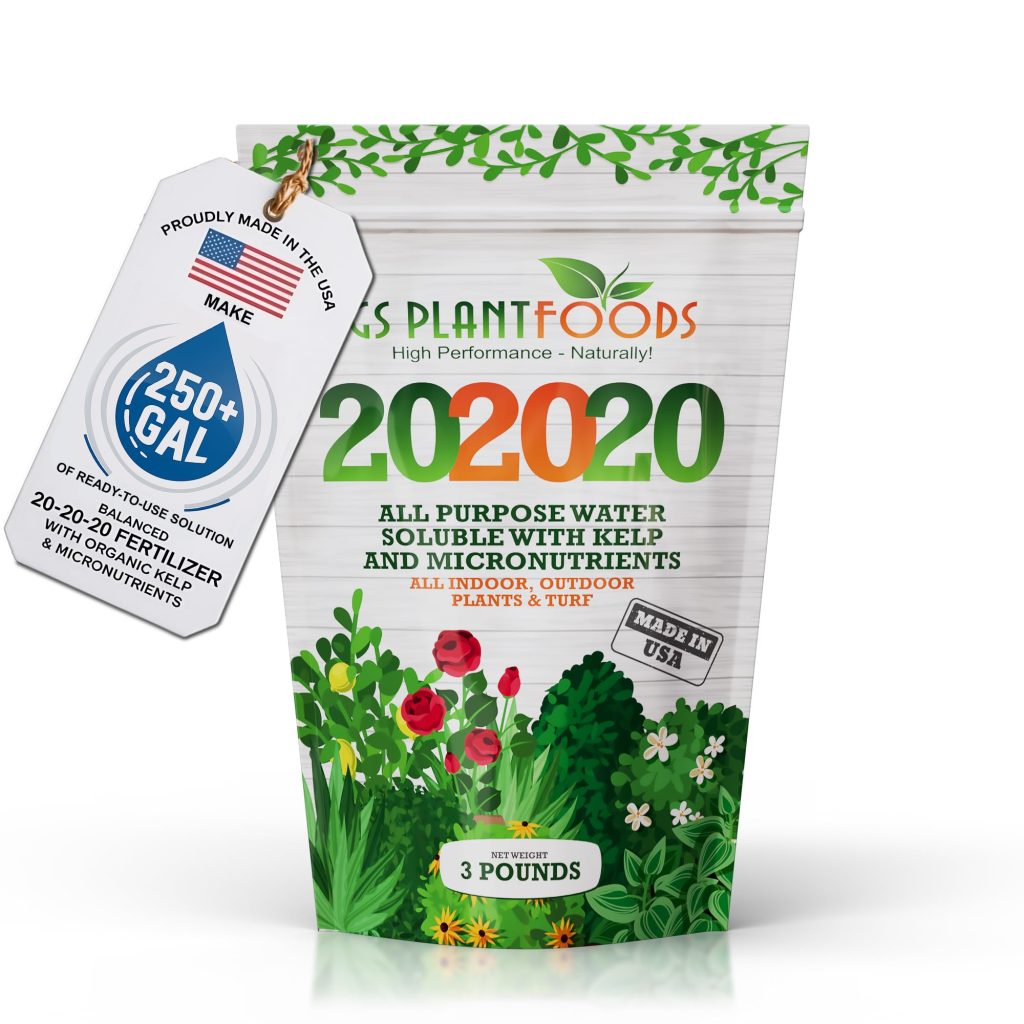
Have you ever wondered if fertilizer is the same as plant food? It’s a question that might seem simple but can actually change the way you care for your garden or houseplants.
Understanding what fertilizer really does can help you grow healthier, stronger plants. If you want to give your plants the best chance to thrive, keep reading—you’re about to discover the truth behind fertilizer and how it affects your green friends.
Fertilizer Vs Plant Food
Many people use the terms fertilizer and plant food as if they are the same. These two help plants grow, but they are not exactly alike. Understanding the difference can help you care for plants better.
This article explains how fertilizers and plant foods differ. It covers their makeup, how plants use them, and common wrong ideas.
Differences In Composition
Fertilizers are man-made or natural substances that add nutrients to soil. They usually contain nitrogen, phosphorus, and potassium, called NPK.
Plant food includes all substances plants use to grow. This means it covers fertilizers, soil nutrients, and water.
- Fertilizer focuses on adding key nutrients to soil.
- Plant food means everything plants need to live and grow.
- Fertilizers are a type of plant food but not the whole picture.
How Plants Use Each
Plants absorb nutrients from soil and water to build leaves, stems, and roots. Fertilizers supply extra nutrients when soil lacks them.
Plant food includes sunlight and carbon dioxide too, which plants need to make energy through photosynthesis.
- Fertilizers give plants more nitrogen, phosphorus, and potassium.
- Plants get energy from sunlight, which is part of plant food.
- Water and minerals in soil are also part of plant food.
Common Misconceptions
People often think fertilizer and plant food are the same. They may believe fertilizer alone can feed plants fully. This is not true.
Plants need more than fertilizer. They need water, air, and sunlight too. Fertilizer only adds some nutrients.
- Fertilizer does not replace water or sunlight.
- Plant food includes all things plants need, not just fertilizer.
- Too much fertilizer can harm plants.
Types Of Fertilizers
Fertilizers are essential for healthy plant growth. They provide necessary nutrients that plants need to thrive.
There are various types of fertilizers available. Each type has its own benefits and uses.
Organic Options
Organic fertilizers come from natural sources. They improve soil health and are eco-friendly.
- Compost: Made from decomposed organic matter.
- Manure: Animal waste used to enrich soil.
- Bone Meal: Ground animal bones, rich in phosphorus.
Synthetic Options
Synthetic fertilizers are man-made. They provide quick nutrient supply to plants.
| Type | Primary Nutrients |
| Ammonium Nitrate | Nitrogen |
| Superphosphate | Phosphorus |
| Potash | Potassium |
Slow-release Vs Fast-acting
Fertilizers can be slow-release or fast-acting. Each has unique benefits for plant care.
Fast-Acting:Provides nutrients immediately. Ideal for quick plant recovery.
Nutrients Plants Need
Plants need many nutrients to grow well. These nutrients come from the soil or fertilizer. They help plants build strong roots, leaves, and flowers.
Understanding what nutrients plants need can help you care for them better. Nutrients fall into two main groups: macronutrients and micronutrients.
Macronutrients Explained
Macronutrients are the main nutrients plants need in large amounts. They include nitrogen, phosphorus, and potassium. Each plays a special role in plant growth.
- Nitrogen (N):Helps plants grow leaves and stems.
- Phosphorus (P):Supports root development and flower growth.
- Potassium (K):Strengthens plants and improves resistance to disease.
Micronutrients Role
Micronutrients are needed in small amounts but are still very important. They include iron, zinc, copper, and others. These help with enzyme function and overall plant health.
| Micronutrient | Function |
| Iron (Fe) | Helps with chlorophyll production |
| Zinc (Zn) | Aids growth and hormone production |
| Copper (Cu) | Supports photosynthesis and respiration |
| Manganese (Mn) | Assists in nutrient absorption |
Balancing Nutrient Levels
Plants need the right balance of nutrients. Too much or too little can harm growth. Testing soil helps find nutrient levels before adding fertilizer.
- Check soil pH to improve nutrient uptake.
- Add fertilizer based on plant needs.
- Use compost to improve soil quality.
- Water plants to help nutrients move in the soil.

Credit: www.maxwarehouse.com
Choosing The Right Fertilizer
Fertilizers help plants grow strong and healthy. Picking the right fertilizer can improve plant health and yield.
Different plants and soils need different nutrients. Knowing what your plants need is key to success.
Soil Testing Importance
Soil testing shows what nutrients your soil has. It tells you what your soil lacks or has enough of.
Testing soil helps avoid wasting fertilizer and protects plants from damage.
- Measures soil pH
- Shows nutrient levels
- Detects harmful substances
- Guides fertilizer choice
Matching Fertilizer To Plant Types
Different plants need different nutrients. Some need more nitrogen, others need more phosphorus or potassium.
Use fertilizers made for your plant type. This helps plants grow well and stay healthy.
- Leafy plants need more nitrogen
- Flowering plants need more phosphorus
- Fruits and vegetables need balanced nutrients
- Use special blends for lawns or trees
Avoiding Overfertilization
Too much fertilizer can harm plants and soil. It can burn roots and cause pollution.
Follow instructions on fertilizer packages. Use only the amount your plants need.
- Apply fertilizer in small amounts
- Do not apply fertilizer before rain
- Water plants after fertilizing
- Repeat only as needed
Application Tips For Best Results
Using fertilizer plant food correctly helps plants grow strong and healthy. Applying it at the right time and in the right way makes a big difference.
Here are some tips to help you get the best results from your fertilizer.
Timing Your Feeding
Feed your plants when they are actively growing. Early morning or late afternoon is best to avoid heat stress. Avoid fertilizing before heavy rain to prevent nutrient washout.
Proper Dosage And Methods
Use the right amount of fertilizer to avoid harming plants. Follow package instructions carefully. Different plants need different feeding methods.
- Apply granular fertilizer evenly around the plant base.
- Use liquid fertilizer for quick nutrient absorption.
- Wear gloves when handling fertilizers to protect your skin.
- Do not exceed recommended dosage to prevent burning roots.
Watering After Fertilizing
Water your plants after applying fertilizer. This helps nutrients soak into the soil and reach roots. Avoid overwatering to stop nutrients from washing away.
| Watering Tips | Reason |
| Water gently after fertilizing | Prevents fertilizer runoff |
| Use enough water to soak soil | Helps nutrients reach roots |
| Do not water immediately if soil is wet | Avoid overwatering and nutrient loss |
Common Fertilizer Mistakes
Fertilizer helps plants grow strong and healthy. Using it the wrong way can hurt your plants and the environment.
Learn about common mistakes to avoid when feeding your plants with fertilizer.
Signs Of Overuse
Using too much fertilizer can burn plant roots and leaves. Plants may look yellow or have brown tips.
Overuse can also cause slow growth and weak plants that are easy to get sick.
- Yellowing leaves
- Brown leaf edges
- Stunted growth
- Wilting despite water
Underfeeding Dangers
Not giving enough fertilizer can make plants weak. They may grow slowly and have small leaves.
Underfed plants can get diseases easier and may not produce flowers or fruit well.
- Pale or yellow leaves
- Slow growth
- Less flowers or fruit
- Weak stems
Environmental Impact
Too much fertilizer can wash into rivers and lakes. This causes water pollution and harms fish and plants.
Fertilizer runoff can also create harmful algae blooms that use up oxygen in water.
- Water pollution
- Harm to aquatic life
- Algae blooms
- Soil damage over time
Boosting Garden Health Naturally
Fertilizer plant food helps plants grow strong and healthy. Using natural ways to feed plants keeps your garden safe.
Natural methods improve soil and protect plants from pests. This keeps your garden healthy for a long time.
Composting Benefits
Composting turns kitchen scraps and yard waste into rich soil food. It adds nutrients that plants need.
Compost improves soil texture and helps it hold water. This makes plants grow better without chemicals.
- Reduces waste by recycling organic material
- Feeds plants with natural nutrients
- Improves soil moisture and air flow
- Supports healthy root growth
Cover Crops And Mulching
Cover crops protect soil from erosion and add nutrients. They keep soil healthy during off-seasons.
Mulching covers soil with organic material. It holds moisture, stops weeds, and cools roots.
- Cover crops fix nitrogen in the soil
- Mulch reduces water loss
- Both improve soil structure
- Help control pests naturally
Encouraging Beneficial Microbes
Beneficial microbes live in soil and help plants absorb nutrients. They also protect plants from diseases.
Feeding soil with natural fertilizer encourages these helpful microbes to grow and work well.
- Microbes break down organic matter
- They improve nutrient availability
- Some microbes fight harmful pests
- Healthy microbes make strong plants

Credit: eartheasy.com

Credit: www.familyhandyman.com
Frequently Asked Questions
Is Fertilizer The Same As Plant Food?
Fertilizer is not exactly the same as plant food. Fertilizers provide essential nutrients that enhance soil fertility. Plant food refers to the nutrients plants naturally absorb. Fertilizers supplement these nutrients to boost plant growth and health effectively.
How Does Fertilizer Benefit Plant Growth?
Fertilizer supplies vital nutrients like nitrogen, phosphorus, and potassium. These elements support root development, leaf growth, and flowering. Using fertilizer improves plant health, yield, and resistance to diseases. It ensures plants get balanced nutrition for optimal growth.
Can Plants Grow Without Fertilizer?
Yes, plants can grow without fertilizer but growth may be slower. Natural soil nutrients might not meet all plant needs. Fertilizers help replenish essential minerals missing in the soil. This leads to healthier, stronger plants and better yields.
What Types Of Fertilizers Are Best For Plants?
The best fertilizers depend on the plant type and soil condition. Common types include organic fertilizers like compost and chemical fertilizers like NPK blends. Balanced fertilizers provide all necessary nutrients for overall plant health and growth.
Conclusion
Fertilizer is not exactly plant food but helps plants grow. It adds nutrients that soil may lack. Plants use these nutrients to make their own food. Good soil and water remain very important too. Using fertilizer wisely can improve plant health.
Too much fertilizer can harm plants and soil. Always follow recommended amounts for best results. Understanding fertilizer helps you care for plants better. Healthy plants grow strong and produce more. Simple steps make a big difference in gardening success.