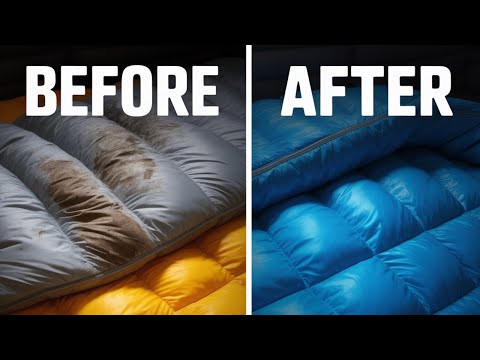
Your synthetic sleeping bag is your trusted companion on every adventure. But over time, dirt, sweat, and odors can build up, making it less comfortable and less effective.
Knowing how to wash your synthetic sleeping bag properly is key to keeping it fresh, fluffy, and ready for your next trip. In this guide, you’ll discover simple, step-by-step tips that protect your bag’s material while giving it a deep clean.
Keep reading to learn how to extend your sleeping bag’s life and enjoy a better night’s sleep outdoors.

Credit: cascadedesigns.com
Choosing The Right Detergent
Washing a synthetic sleeping bag needs care. Picking the right detergent keeps it clean and safe.
Detergents can affect the bag’s material and insulation. Choose one that cleans well but is gentle.
Avoiding Harsh Chemicals
Harsh chemicals can damage the sleeping bag’s fabric. They can reduce its warmth and durability.
Look for detergents without bleach or strong fragrances. These keep the fibers safe and soft.
- Avoid detergents with bleach or optical brighteners
- Skip fabric softeners as they affect insulation
- Choose gentle, mild detergents for delicate fabrics
Using Specialized Cleaners
Specialized cleaners work well for synthetic sleeping bags. They clean deeply without harm.
These cleaners keep the insulation fluffy and water-resistant. They help the bag last longer.
- Use detergents made for synthetic or technical gear
- Check that the cleaner is free from harsh chemicals
- Follow label instructions for best washing results

Credit: www.ellis-brigham.com
Preparing The Sleeping Bag
Before washing your synthetic sleeping bag, you must prepare it properly. This ensures a thorough clean and prolongs its life.
Two main steps are essential: emptying all pockets and closing zippers and Velcro. Each step is crucial for effective cleaning.
Emptying All Pockets
Check every pocket in your sleeping bag. Remove any items you find. This prevents damage and ensures a complete wash.
- Feel each pocket for small items
- Look for items like keys or coins
- Shake the bag gently to dislodge hidden objects
Closing Zippers And Velcro
Make sure all zippers are closed. Fasten any Velcro straps. This prevents the bag from snagging during the wash.
Secure closures keep the bag intact. They also protect the washing machine from potential damage.
| Closure Type | Action |
| Zippers | Zip up completely |
| Velcro | Fasten firmly |
Selecting The Washing Method
Cleaning a synthetic sleeping bag keeps it fresh and ready for use. Choosing the right washing method protects its material and insulation.
You can wash your sleeping bag by machine or by hand. Both ways need care to avoid damage.
Machine Washing Tips
Machine washing is quick but needs the right settings. Use a front-loading washer for best results.
- Use cold water to avoid heat damage.
- Choose a gentle or delicate cycle.
- Use a mild, non-detergent soap made for synthetic fabrics.
- Do not use bleach or fabric softeners.
- Rinse twice to remove all soap.
- Close all zippers and Velcro to protect the bag.
Hand Washing Techniques
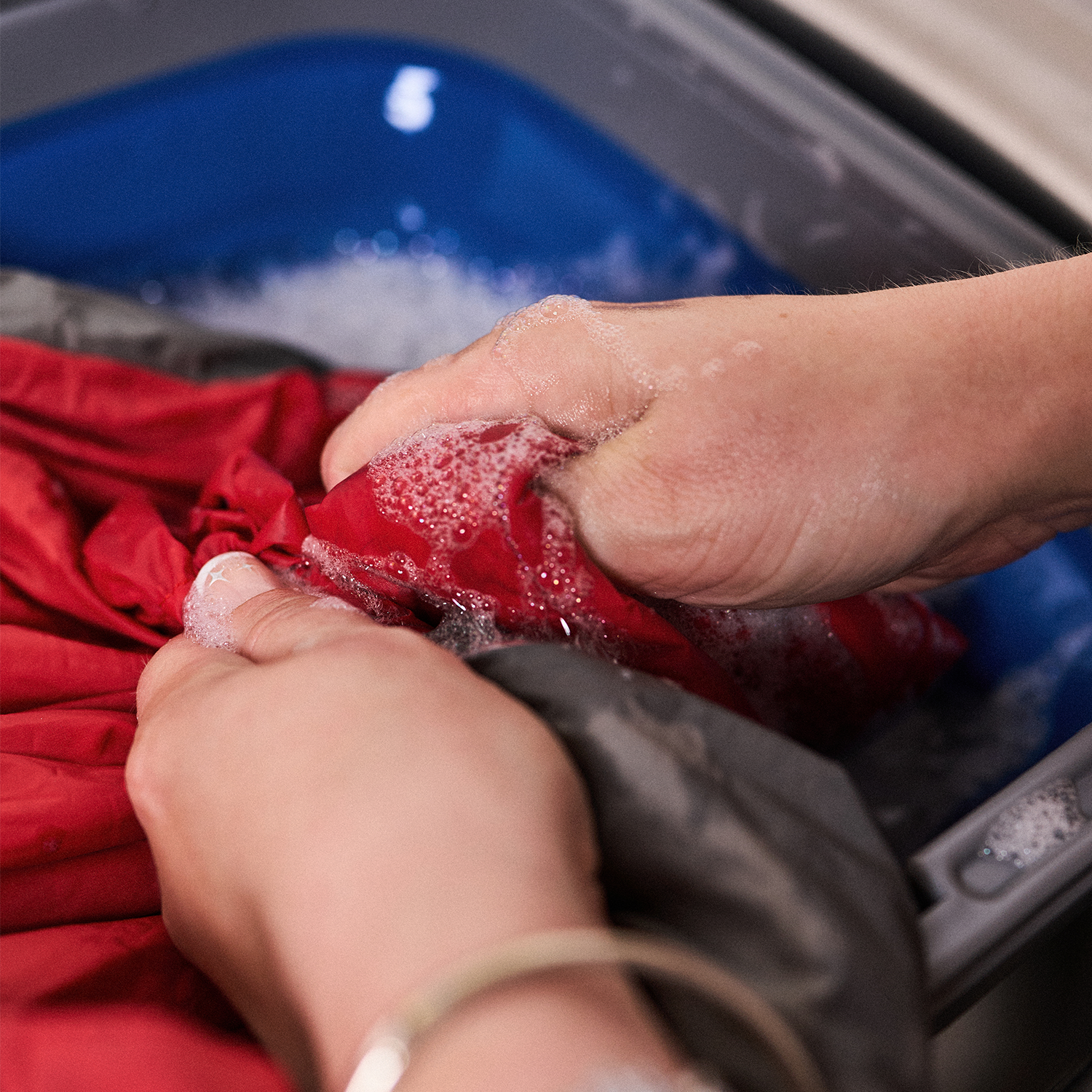
Hand washing takes more time but is gentle on the sleeping bag. Use a large tub or bathtub.
| Action | Description |
| Fill tub | Use cold or lukewarm water |
| Add soap | Mix mild soap for synthetics |
| Soak bag | Let it sit for 15-30 minutes |
| Gently scrub | Focus on dirty spots without rough rubbing |
| Rinse | Use clean water until no soap remains |
| Press water out | Do not wring or twist the bag |
Setting Proper Wash Cycle
Washing a synthetic sleeping bag needs care to keep it safe. Using the right wash cycle helps protect the bag’s material and insulation.
Choosing the correct wash settings keeps your sleeping bag clean without damage. Pay attention to water temperature and cycle type.
Choosing Water Temperature
Use cold or lukewarm water to wash your synthetic sleeping bag. Hot water can harm the fabric and fill.
Cold water cleans well and protects the bag’s fibers. Lukewarm water is okay for removing dirt but avoid anything hotter.
- Cold water: best for general cleaning
- Lukewarm water: use for light stains
- Avoid hot water to prevent damage
Selecting Gentle Cycle
Pick a gentle or delicate cycle on your washing machine. This cycle moves slowly and uses less force.
The gentle cycle prevents tearing and stops the insulation from clumping. It helps keep the sleeping bag soft and fluffy.
- Gentle cycle reduces wear on fabric
- Slower spin protects the bag’s fill
- Use mild detergent for best results
Drying The Sleeping Bag
Drying a synthetic sleeping bag correctly keeps it in good shape. Proper drying stops damage and bad smells.
There are safe ways to air dry or use a dryer for your sleeping bag. Follow simple steps for best results.
Air Drying Steps
Air drying is gentle and saves energy. Find a clean, shady spot to dry your sleeping bag.
Hang the sleeping bag fully open to help air flow inside. Turn it over often to dry evenly.
- Use a clothesline or drying rack
- Avoid direct sunlight to protect fabric
- Keep the sleeping bag flat or hanging
- Flip regularly to dry all sides
- Check for damp spots before storing
Using A Dryer Safely
You can use a dryer but set it on low heat. High heat can melt or damage synthetic fibers.
Add clean tennis balls or dryer balls to keep the insulation fluffy. Dry in short cycles and check often.
- Use low or no heat settings
- Include dryer balls for fluffiness
- Run dryer in 20-30 minute intervals
- Remove when dry to avoid wrinkles
- Never use fabric softener in the dryer
Credit: www.ellis-brigham.com
Maintaining Freshness Between Washes
Keeping your synthetic sleeping bag fresh helps it last longer. You do not need to wash it after every use.
Simple care steps can prevent bad smells and dirt buildup. These steps save time and protect the bag’s materials.
Regular Spot Cleaning
Spot cleaning removes dirt and stains without a full wash. It keeps your sleeping bag clean between uses.
- Use a damp cloth and mild soap to clean small stains.
- Gently rub the dirty spots without soaking the fabric.
- Rinse the cloth and wipe off any soap residue.
- Let the bag air dry completely before storing.
Proper Storage Tips
Storing your sleeping bag well keeps it fresh and fluffy. Avoid damage that can happen from poor storage.
| Storage Method | Details |
| Loose Hanging | Hang the bag in a dry, shaded place to keep loft. |
| Large Storage Sack | Use a big cotton or mesh sack to avoid compression. |
| Avoid Plastic Bags | Do not store in plastic; it traps moisture and causes odor. |
| Keep Dry | Store in a cool, dry spot to prevent mold and mildew. |
Frequently Asked Questions
How Often Should I Wash A Synthetic Sleeping Bag?
Wash your synthetic sleeping bag every 3 to 6 months or after heavy use. Frequent washing can reduce insulation quality. Spot clean minor stains to extend time between washes. Proper care maintains warmth and fabric integrity.
What Detergent Is Best For Synthetic Sleeping Bags?
Use a mild, non-detergent soap or specialized sleeping bag cleaner. Avoid regular detergents, bleach, and fabric softeners. These can damage synthetic fibers and reduce insulation. Choose cleaners designed for technical outdoor gear to preserve performance.
Can I Machine Wash A Synthetic Sleeping Bag Safely?
Yes, machine wash on a gentle cycle with cold water. Use a front-loading washer to avoid damage from agitators. Always zip up the bag and use a large capacity machine for best results.
How Should I Dry A Synthetic Sleeping Bag?
Air dry your sleeping bag flat or hang it in shade. Avoid direct sunlight and high heat, which can damage fibers. You can tumble dry on low with clean tennis balls to restore loft.
Conclusion
Washing a synthetic sleeping bag keeps it clean and fresh. Use gentle soap and cold water for best results. Avoid harsh detergents that can damage the fabric. Dry your bag slowly, away from direct heat. Regular care helps your sleeping bag last longer.
Clean bags stay warm and comfortable on every trip. Simple steps make washing easy and safe. Your bag will be ready for the next adventure. Take time to wash it right. It makes a big difference.