Is your garden hose barely trickling when you need a strong spray? Low water pressure can turn simple watering tasks into frustrating chores.
But what if you could fix this easily and enjoy a powerful, steady flow every time you turn on your hose? You’ll discover simple, effective ways to boost your garden hose’s water pressure. Keep reading to learn how to make your watering faster, easier, and more satisfying.
Credit: thebluehose.com
Check Hose Connections
Water pressure can drop if your garden hose connections are not secure. Checking these connections helps keep water flowing strongly.
Start by looking closely at the hose joints and fittings. Fixing small issues can improve your water pressure quickly.
Inspect For Leaks
Leaks reduce water pressure by letting water escape. Check all hose connections for wet spots or dripping water.
- Look where the hose meets the faucet.
- Check the coupling between hose sections.
- Inspect the nozzle connection.
- Feel for wetness or spray while water runs.
- Replace washers if leaks appear.
Tighten Couplings
Loose couplings let water leak and lower pressure. Use these tips to tighten them safely.
| Coupling Type | Tightening Method |
|---|---|
| Plastic Coupling | Hand tighten firmly, avoid over-tightening |
| Metal Coupling | Use a wrench gently to avoid damage |
| Quick Connect | Push firmly until it clicks |
Credit: qiyitools.com
Choose The Right Hose
Getting good water pressure in your garden hose is important. The right hose can help you water your garden easily.
In this guide, we will focus on two key factors: the diameter of the hose and the materials it is made from.
Select Appropriate Diameter
The diameter of the hose affects water flow. A larger diameter means more water can pass through.
| Diameter | Use Case |
| 1/2 inch | Light gardening |
| 5/8 inch | General use |
| 3/4 inch | Heavy-duty tasks |
Use Quality Materials
The materials of the hose determine its durability and flexibility. A good hose will not kink easily and will last longer.
- Rubber hoses are flexible and durable.
- Vinyl hoses are lighter but may kink more.
- Reinforced hoses are stronger for high-pressure tasks.
Remove Kinks And Twists
Low water pressure in garden hoses often happens because of kinks and twists. These block water flow and reduce pressure.
Fixing these problems can help water flow smoothly and increase pressure easily.
Straighten Hose Layout
Start by laying the hose straight on the ground. Avoid sharp bends or twists that stop water flow.
You can also pull the hose gently to remove any small kinks. This helps water move fast and keeps pressure high.
- Lay hose flat without loops
- Pull out tight bends slowly
- Check for hidden twists under objects
Store Properly
Proper storage stops new kinks and twists from forming. Coil the hose neatly after use.
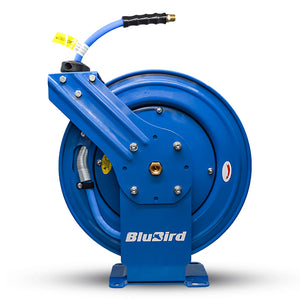
Keep the hose on a reel or hanger to avoid pressure drops next time you use it.
- Coil hose in large loops
- Use a hose reel or hanger
- Keep hose off sharp edges
Install A Pressure Booster
Low water pressure in your garden hose can make watering plants slow and frustrating. Installing a pressure booster helps increase the flow and force of water through the hose. This guide explains types of boosters and how to install them.
A pressure booster adds power to your water supply. It works by increasing the water pressure before it reaches your hose. This tool is useful if your home water pressure is low or if you use a very long hose.
Types Of Boosters
There are different types of pressure boosters to fit your garden needs. Each type works differently and suits specific situations.
- Inline Booster Pump:This pump connects directly to the hose or faucet. It uses electricity to increase water pressure.
- Pressure Tank Booster:This system uses a tank to store water under pressure. It keeps water pressure steady for long periods.
- Hydro Boosters:These use water flow energy to boost pressure without electricity. Good for eco-friendly setups.
Installation Tips
Installing a pressure booster is simple if you follow these tips. Proper setup helps the booster work well and last longer.
| Tip | Details |
| Choose the right booster | Match the booster type to your water source and hose size. |
| Turn off water supply | Switch off water before installing to avoid leaks or injury. |
| Use proper fittings | Secure fittings tight to prevent water loss and maintain pressure. |
| Check electrical connections | If pump uses electricity, ensure all wiring is safe and dry. |
| Test the system | Turn water on slowly and check for leaks or pressure changes. |
Clean Or Replace Nozzles
Low water pressure in your garden hose often comes from clogged or old nozzles. Cleaning or replacing them can help improve water flow.
Good maintenance of your hose nozzles ensures strong water pressure and better watering results.
Clear Blockages
Debris and mineral buildup can block your nozzle and reduce water pressure. Cleaning nozzles regularly removes these blockages.
- Detach the nozzle from the hose.
- Soak it in a vinegar solution for 30 minutes to dissolve mineral deposits.
- Use a small brush or toothpick to clear any clogged holes.
- Rinse the nozzle with water before reattaching.
- Check for cracks or damage that may require nozzle replacement.
Choose Efficient Nozzles
Using an efficient nozzle type can boost water pressure and save water. Some nozzles focus water flow better than others.
| Nozzle Type | Description | Water Pressure Effect |
| Adjustable Spray | Allows control of spray pattern | Good for focused flow |
| Jet Nozzle | Narrow, strong water stream | Increases pressure significantly |
| Soaker Hose | Releases water slowly through tiny holes | Lower pressure, good for watering |
| Fan Spray | Wide water coverage | Lower pressure, gentle water flow |
Use A Pressure Regulator
A pressure regulator helps control water flow in your garden hose. It keeps the pressure steady and safe.
Using a pressure regulator can fix low water pressure problems. It also protects your hose and plants.
Benefits Of Regulation
A pressure regulator stops water from flowing too fast or too slow. This keeps your plants safe from damage.
It also saves water by avoiding waste from high pressure. Your hose will last longer without leaks.
- Prevents hose damage from high pressure
- Protects plants from strong water flow
- Saves water and reduces waste
- Keeps water pressure steady
Adjusting Settings
Most pressure regulators have a knob or dial to change pressure levels. Turn it to raise or lower pressure.
Start with a low setting and test the water flow. Increase slowly until you get good pressure without damage.
- Turn knob clockwise to increase pressure
- Turn knob counterclockwise to decrease pressure
- Check water flow after each adjustment
- Adjust until water pressure is steady and safe
Check Main Water Supply
Water pressure in your garden hose depends on the main water supply. Low pressure from the source can affect watering tasks. It is important to check the main water supply first before adjusting the hose or valves.
Make sure your home’s water supply is working well. If the pressure is low at the source, your garden hose will have weak water flow. This step helps find if the problem is outside the hose system.
Inspect Valves
Valves control water flow from the main supply to your hose. Check if the valves are fully open. Partially closed valves reduce water pressure.
Look for any leaks or damage in the valves. Fixing or replacing faulty valves can improve water pressure. Clean valves may also help water flow better.
- Turn valves completely open
- Check for leaks or cracks
- Replace damaged valves
- Remove any blockages inside valves
Timing Your Water Use
Water pressure can drop if many devices use water at the same time. Try to water your garden when fewer appliances run.
Early morning or late evening are good times to water. This helps keep steady water pressure in your hose. Avoid watering during peak water use times.
- Water early in the morning
- Water late in the evening
- Avoid peak water use hours
- Limit use of other water appliances during watering
Consider Hose Length
The length of your garden hose affects the water pressure. Longer hoses can lower the pressure at the nozzle.
Choosing the right hose length helps keep strong water flow for your gardening needs.
Shorten Excess Length
Using a hose longer than needed causes water pressure to drop. Cutting the hose to the right length improves pressure.
- Measure the distance from the faucet to your watering spot.
- Cut the hose to match this length or slightly shorter.
- Store any extra hose separately to avoid pressure loss.
Impact On Pressure
| Hose Length | Water Pressure Effect |
| 25 feet | Strong pressure, ideal for most gardens |
| 50 feet | Moderate pressure, may slow flow slightly |
| 100 feet | Lower pressure, weakens water flow |

Credit: www.angi.com
Frequently Asked Questions
How Can I Boost Garden Hose Water Pressure Easily?
To boost water pressure, check for leaks and replace old hoses. Use a pressure booster or a larger diameter hose for better flow. Also, ensure the faucet is fully open and free from obstructions.
Why Is My Garden Hose Water Pressure Low?
Low water pressure may result from kinks, leaks, or clogged hose nozzles. It can also be due to a partially closed faucet or low municipal water pressure. Inspect and fix these issues to improve flow.
Does Hose Length Affect Water Pressure?
Yes, longer hoses reduce pressure due to friction loss inside the hose. Using a shorter hose or one with a larger diameter helps maintain higher water pressure.
Can I Increase Water Pressure Without A Pump?
Yes, by removing obstructions, using wider hoses, and fully opening faucets. Regular maintenance and replacing old equipment also enhance pressure without extra devices.
Conclusion
Improving garden hose water pressure is easier than you think. Clean your hose and check for kinks first. Use a pressure booster or a shorter hose for better flow. Fix leaks quickly to avoid losing water strength. Small changes make a big difference in watering your garden.
A strong water flow saves time and helps plants grow well. Try these tips and enjoy a better watering experience every day. Keep your garden healthy with steady water pressure. Simple steps bring great results.