Are you tired of losing fish because your bait doesn’t sink right? Knowing exactly where to put sinkers on your fishing line can make all the difference between a frustrating day and a successful catch.
Whether you’re fishing in a fast river or still lake, the placement of sinkers affects how your bait moves and attracts fish. You’ll discover simple tips that will improve your fishing setup instantly. Keep reading to learn how to position your sinkers for the best results every time you cast.
Choosing The Right Sinkers
Sinkers help your bait sink to the right depth. They keep your fishing line steady in water.
Choosing the right sinker depends on the water and fish you want to catch. The sinker weight and type matter a lot.
Types Of Sinkers
There are many sinker types for different fishing needs. Each type works best in certain water and fishing styles.
- Split shot sinkers are small and easy to attach. They work well for light fishing.
- Egg sinkers are oval and slide on the line. They help fish bite without feeling resistance.
- Bank sinkers have three wings. They hold well in currents and fast water.
- Pyramid sinkers have a pointed shape. They dig into sandy or muddy bottoms.
- Bullet sinkers are shaped like bullets. They are good for fishing with soft plastic baits.
Sinker Weights And Sizes
Sinkers come in many weights and sizes. Choosing the right size depends on the water depth and current strength.
Heavier sinkers work better in deep or fast water. Lighter sinkers suit shallow or calm water.
| Sinker Weight | Best Use |
|---|---|
| 1/16 to 1/4 oz | Light fishing, small fish, calm water |
| 1/2 to 1 oz | Medium depth, moderate current |
| 1 1/2 oz and up | Deep water, strong current |
Factors Affecting Sinker Placement
Placing sinkers on a fishing line depends on several factors. Understanding these can improve your fishing success.
Here, we explore key factors like water depth, target fish species, and casting distance.
Water Depth And Current
Water depth and current influence how sinkers are placed. Different conditions require different strategies.
- In deep water, use heavier sinkers to reach the bottom.
- Strong currents need more weight to keep the bait in place.
- Calm water allows for lighter sinkers.
Target Fish Species
Different fish species react to bait and sinkers in unique ways. Knowing your target fish helps in choosing sinker placement.
| Fish Species | Sinker Type |
| Bass | Light sinkers |
| Catfish | Heavy sinkers |
| Trout | Moderate sinkers |
Casting Distance
Casting distance affects how far your line goes. Sinker weight plays a big role in this.
- For long casts, use heavier sinkers.
- Short casts can work with lighter weights.
- Adjust based on wind conditions.
Common Sinker Placement Techniques
Sinkers help fishing lines reach the right depth. Placing sinkers correctly improves your chances of catching fish.
There are several ways to put sinkers on your line. Each technique works best for different fishing conditions.
Split Shot Method
The split shot method uses small round sinkers that clip onto the line. They are easy to add and move along the line.
Place the split shot about 6 to 12 inches above the hook. This lets the bait sink naturally but keeps it visible to fish.
- Clip sinker using pliers or fingers
- Position sinker above the hook
- Use one or two sinkers for balance
Slip Sinker Rig
The slip sinker rig uses a sinker that slides freely on the line. This lets fish take the bait without feeling weight.
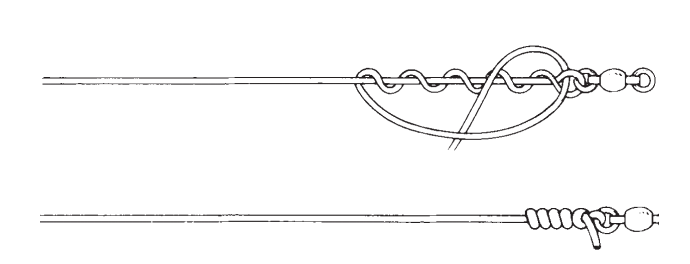
Place a small bead between the sinker and the knot. The bead protects the knot from damage by the sinker.
- Slide sinker onto main line
- Add a protective bead below sinker
- Tie hook or leader below bead
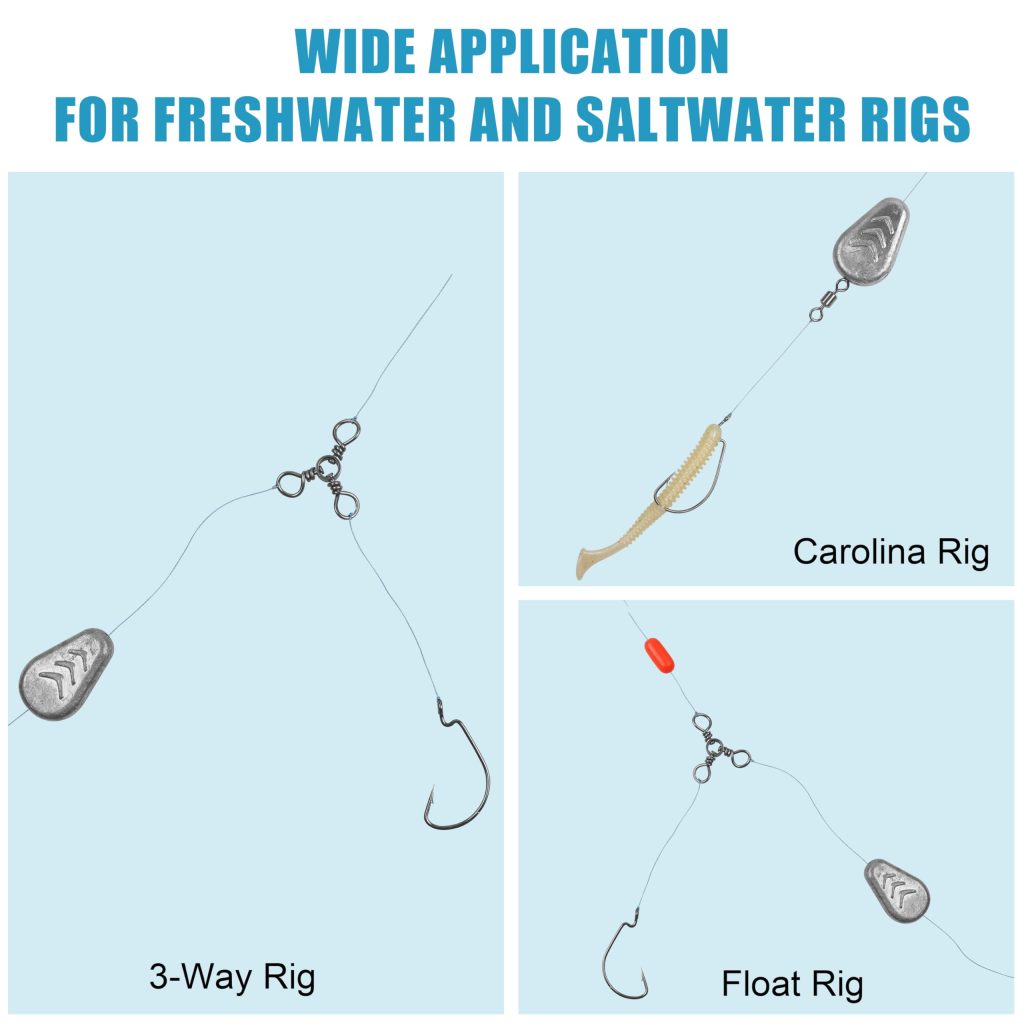
Carolina Rig Setup
The Carolina rig uses a heavier sinker fixed above a swivel. It allows the bait to move freely on a leader.
Place the sinker 12 to 24 inches above the hook. This setup works well for fishing near the bottom.
- Thread sinker on main line
- Add a bead below sinker
- Tie swivel below bead
- Attach leader and hook to swivel
Step-by-step Sinker Placement
Placing sinkers correctly on your fishing line helps you cast better and catch more fish. This guide shows you how to put sinkers on the line in a few easy steps.
Follow these steps to prepare your line, attach sinkers firmly, and adjust them for different fishing conditions.
Preparing The Line
Start by choosing the right fishing line for your catch. Clear monofilament lines work well for most conditions. Check your line for any knots or damage before adding sinkers.
- Cut the line to your desired length.
- Attach a swivel to prevent line twist.
- Slide a small bead onto the line to protect knots.
Attaching Sinkers Securely
Sinkers must be attached so they stay in place but can slide if needed. Use the right type of sinker for your fishing style.
| Sinker Type | Placement Method |
| Split Shot | Pinch onto the line near the hook |
| Egg Sinker | Thread line through the hole to slide freely |
| Bank Sinkers | Attach with swivel or tie directly |
Adjusting For Different Conditions
Change sinker size and placement based on water depth and current strength. Heavier sinkers work best in fast water. Lighter sinkers suit calm lakes.
- Place sinkers closer to the hook in shallow water.
- Use multiple small sinkers for better sensitivity.
- Move sinkers up the line to avoid scaring fish in clear water.
Tips For Improving Casting Accuracy
Placing sinkers correctly on your fishing line helps you cast with more precision. Good casting accuracy increases your chance of catching fish.
Use the right balance of weight and rod setup to avoid common problems like tangles and poor control.
Balancing Weight And Buoyancy
Sinkers add weight to your line, helping it sink faster and stay in the strike zone. But too much weight can make your bait sink too quickly.
- Place sinkers close to the bait for better control.
- Use lighter sinkers in shallow water to keep bait near the surface.
- Heavier sinkers work well in deep or fast-moving water.
- Adjust sinker size based on the type of fish you want to catch.
Minimizing Line Tangles
Sinker placement affects how often your line tangles. Tangled lines reduce casting distance and accuracy.
| Sinker Position | Effect on Tangles |
| Near the hook | Less likely to tangle, better bait movement |
| Far from the hook | Higher chance of tangles and snags |
| Multiple small sinkers spaced out | Can help reduce tangles and improve casting |
Optimizing Rod And Reel Setup
Your rod and reel setup impacts casting accuracy. Matching gear with sinker weight helps you cast smoothly.
- Choose a rod with the right action for your sinker size.
- Use a reel with smooth drag to control line tension.
- Keep your line spooled evenly to avoid snags.
- Practice casting with your setup to improve accuracy.

Credit: greatdaysoutdoors.com
Common Mistakes To Avoid
Using sinkers on your fishing line needs care. Placing them wrong can hurt your fishing results.
Learn the common mistakes to avoid. This helps you fish better and protect your gear.
Incorrect Sinker Positioning
Placing sinkers too close or too far from the hook is a common error. This can reduce bait action or cause tangles.
- Too close to the hook makes bait stiff and less natural.
- Too far away may not help the bait sink properly.
- Sinkers that slide freely can tangle with the hook or line.
Overloading The Line
Adding too many or too heavy sinkers weakens your line and scares fish away.
| Problem | Effect |
| Too many sinkers | Line tangles and knots easily |
| Sinkers too heavy | Line breaks or sinks too fast |
| Uneven weight | Bait does not move naturally |
Ignoring Environmental Factors
Not adjusting sinker placement for water type or current can waste time and bait.
- In fast rivers, place sinkers closer to the hook for better control.
- In still water, use lighter sinkers spread out to keep bait natural.
- Check for underwater obstacles that may catch your sinkers.
Advanced Techniques For Experienced Anglers
Placing sinkers on a fishing line can change how your bait moves. Experienced anglers use specific techniques to improve their catch. Adjusting sinker placement helps control depth and bait action.
This guide explores advanced ways to use sinkers. Learn how to put multiple sinkers on the line. Customize rigs for certain fish. Adapt your setup for seasonal changes.
Using Multiple Sinkers
Using more than one sinker spreads weight along the line. This helps keep the bait stable in strong currents. Multiple sinkers also improve casting distance and control.
Place one sinker near the hook. Put others spaced out above it. This setup lets the bait move naturally while holding it at the right depth.
- Start with a heavier sinker close to the hook
- Use lighter sinkers spaced evenly up the line
- Adjust spacing based on current strength
- Try sliding sinkers for more movement
Customizing Rig For Specific Fish
Different fish prefer different depths and bait movements. Change sinker placement to match the fish you want. Some fish stay near the bottom, others swim mid-water.
For bottom feeders, put sinkers close to the hook. For fish that swim higher, space sinkers further up. Adjust weight to keep bait in the strike zone longer.
- Heavy sinker near hook for bottom fish like catfish
- Light sinkers spaced out for trout or bass
- Use sliding sinkers for active fish that chase bait
- Change sinker size based on water depth
Adapting To Seasonal Changes
Fish behavior changes with seasons. Adjust sinker placement to match these changes. In cold months, fish stay deeper. Use heavier sinkers closer to the hook.
In warmer months, fish swim higher. Space sinkers along the line to keep bait at mid-depth. Change your rig to match seasonal water conditions and fish habits.
- Winter: heavy sinkers near hook for deep water
- Spring: moderate spacing for active fish
- Summer: lighter sinkers spread out for shallow water
- Fall: adjust based on fish feeding patterns
Credit: usfws.medium.com

Credit: www.youtube.com
Frequently Asked Questions
Where Should Sinkers Be Placed On A Fishing Line?
Sinkers are typically placed 6 to 12 inches above the hook on the fishing line. This placement helps the bait sink naturally while keeping it visible to fish. Adjust the position based on water depth and current strength for optimal fishing results.
Why Put Sinkers Above The Hook On Fishing Line?
Placing sinkers above the hook allows the bait to move freely and appear natural. It prevents the sinker from scaring fish away and improves bait presentation. This setup increases your chances of attracting bites and catching fish effectively.
How Does Sinker Placement Affect Fishing Success?
Proper sinker placement controls bait depth and stability in water. It helps your bait reach target fish zones quickly and stay there. Incorrect placement can cause poor bait movement or snags, reducing fishing success.
What Types Of Sinkers Suit Different Placements?
Split shot sinkers work well above the hook for light adjustments. Egg sinkers slide freely on the line, ideal for deeper fishing. Choose sinker types based on your fishing technique and desired bait movement.
Conclusion
Placing sinkers on your fishing line affects how your bait moves in water. Put sinkers closer to the hook for slow sinking and better bait control. Move them farther for fast sinking and casting distance. Try different positions to see what works best for your fishing spot.
Remember, small changes can make a big difference. Keep practicing and adjusting to catch more fish. Fishing is about patience and learning as you go. Enjoy the process and stay curious.