Are you ready to catch more fish on your next trip? Knowing how to lure fish effectively can make all the difference between a slow day and a successful one.
Whether you’re a beginner or looking to improve your skills, understanding the right techniques and choosing the best lures will boost your chances. In this guide, you’ll discover simple tips that anyone can use to attract fish and enjoy a rewarding fishing experience.
Keep reading, and soon you’ll be reeling in more catches than ever before.

Credit: www.youtube.com
Choosing The Right Lures
Picking the right fishing lure is key to catching more fish. The right lure helps attract fish and increases your chances of success.
Many factors affect which lure to use. These include lure type, fish species, and the season.
Types Of Fishing Lures
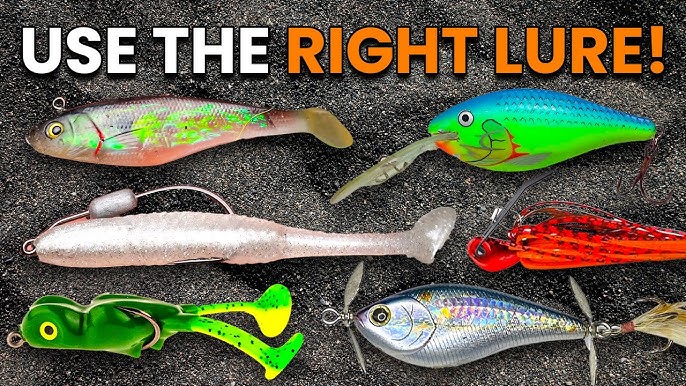
Fishing lures come in many shapes and sizes. Each type works best in certain water and fishing conditions.
- Spinnerbaits: Flash and vibration attract fish in murky water.
- Crankbaits: Dive to different depths to find fish.
- Soft plastics: Imitate worms or small creatures.
- Jigs: Versatile lures that work near the bottom.
- Topwater lures: Create surface action to attract fish.
Matching Lures To Fish Species
Different fish prefer different lures. Knowing the species helps you choose the right lure size and color.
- Bass: Use crankbaits, jigs, and soft plastics.
- Trout: Small spinners and spoons work well.
- Pike: Large, flashy lures attract their attention.
- Walleye: Jigs and live bait rigs catch their interest.
- Salmon: Bright spoons and plugs are effective.
Seasonal Lure Selection
Seasons affect fish behavior and lure choice. Adjust your lures based on water temperature and fish activity.
- Spring: Use bright and lively lures as fish feed actively.
- Summer: Try natural colors and slower lures in warm water.
- Fall: Use deeper diving lures to reach fish moving lower.
- Winter: Use small, slow-moving lures in cold water.

Credit: m.youtube.com
Techniques For Effective Lure Fishing
Lure fishing is a popular way to catch fish using artificial baits. It requires skill and the right techniques to attract fish.
Using the right casting, retrieval, and rod techniques can improve your chances of success on the water.
Casting Strategies
Good casting helps place your lure where fish are likely to be. Aim for quiet spots near structures like rocks or weeds.
- Use a smooth, steady motion to avoid spooking fish.
- Practice sidearm casts for low branches or tight spaces.
- Adjust your casting distance based on water depth and fish location.
- Try different angles to cover more water.
Retrieval Methods
How you retrieve the lure affects its movement and the fish’s reaction. Vary your speed and style to see what works best.
- Steady retrieve: Pull the lure smoothly at a constant speed.
- Stop and go: Reel in, pause, then reel again to imitate injured prey.
- Twitch retrieve: Give quick jerks to make the lure dart.
- Slow roll: Retrieve slowly near the bottom for bottom feeders.
Using Lures With Different Rods
Different rods affect lure control and casting ability. Match the rod to the lure and fishing style.
| Rod Type | Best Lure Types | Usage Tips |
| Light Rod | Small soft plastics, spinners | Use for finesse fishing and small fish |
| Medium Rod | Crankbaits, medium jigs | Good all-round rod for many lures |
| Heavy Rod | Large swimbaits, heavy jigs | Best for big fish and heavy cover |
Timing And Location
Fishing success depends on choosing the right time and place. Knowing when and where fish are active helps improve your catch.
This guide covers the best times to fish, how to spot fish activity, and fishing in different water conditions.
Best Times To Fish
Fish feed more at certain times. Early mornings and late evenings are usually best. Fish also respond to changes in weather and tides.
- Dawn and dusk offer low light and cooler temperatures.
- Cloudy days can keep fish active longer.
- After rain, fish move to feed on washed insects and food.
- Check local tide charts for best fishing times near coasts.
Spotting Fish Activity
Look for signs like ripples, jumping fish, or birds diving. These often show feeding spots. Clear water lets you see fish movements.
| Sign | What It Means |
|---|---|
| Ripples or splashes | Fish are chasing prey near the surface |
| Birds diving | Fish are feeding below |
| Shadows or shapes | Fish resting or hiding in vegetation |
| Bubble trails | Fish moving or breathing underwater |
Fishing In Various Water Conditions
Water clarity, temperature, and flow affect fish behavior. Match your fishing tactics to these conditions for better results.
| Water Condition | Fishing Tip |
|---|---|
| Clear water | Use natural-colored lures and light lines |
| Murky water | Choose bright or noisy lures to attract fish |
| Cold water | Fish slow down; use slow lure movements |
| Warm water | Fish are active; try faster lure action |
| Fast current | Fish hold near rocks or breaks; use heavier weights |

Credit: fishingbooker.com
Tackle And Gear Tips
Lure fishing needs the right tackle and gear. Choosing good gear helps you catch more fish.
This guide covers the best rod, reel, line, and how to keep your gear in top shape.
Choosing The Right Rod And Reel
Pick a rod that feels light but strong. A medium-action rod works well for many fish types.
Choose a reel that matches your rod. Spinning reels are easy for beginners to use.
- Use a 6 to 7-foot rod for good control
- Match reel size to rod power and fish size
- Check the rod’s power and action for your target fish
Line Selection For Lure Fishing
Pick a line that suits the lure weight and fish size. Light lines cast better and look natural.
Monofilament lines are good for beginners. Fluorocarbon lines are harder to see underwater.
- Choose line strength between 6 and 12 pounds
- Use braided line for longer casts and strength
- Match line type to water clarity and lure style
Maintaining Your Gear
Clean your rod and reel after each fishing trip. This keeps them working well for a long time.
Store your gear in a dry place. Check the line often and replace it if it looks worn.
- Rinse gear with fresh water after use
- Dry rods and reels before storing
- Lubricate reel parts regularly
- Replace old or damaged fishing line
Reading Fish Behavior
Understanding fish behavior is key to successful lure fishing. Observing fish actions helps in predicting their movements and feeding habits.
By learning how fish react in different environments, anglers can improve their chances of catching fish. This involves recognizing signs and using technology.
Signs Of Feeding Fish
Feeding fish often create visible disturbances in the water. Bubbles, splashes, or ripples indicate active feeding.
Birds diving into water also signal fish activity. Watch for these signs to locate feeding areas.
- Bubbles on the surface
- Splashes or ripples
- Birds diving
Adapting To Fish Movement
Fish move based on food availability and water conditions. Adjust your lure placement to follow their movement.
Change your fishing spot if fish are not biting. Be patient and observe their patterns.
- Follow food sources
- Adjust lure placement
- Change spots if needed
Using Electronics To Locate Fish
Fish finders and sonar devices help locate fish underwater. These tools show where fish are hiding.
Use electronics to map water depths and find structures where fish gather. This saves time and increases success.
- Fish finders for underwater mapping
- Sonar for locating hiding fish
- Identify structures with electronics
Common Mistakes To Avoid
Fishing with lures can be fun and rewarding. Many anglers make simple mistakes that reduce their catch. Avoiding these errors can improve your chances of success.
This guide covers common mistakes like overusing the same lure, ignoring weather changes, and poor casting techniques. Learn what to avoid to fish better.
Overusing The Same Lure
Using the same lure repeatedly can make fish less interested. Fish get used to the same bait and stop biting. Changing lures keeps fish curious and active.
- Change lure colors to match water conditions.
- Use different shapes and sizes to attract attention.
- Switch between fast and slow movements.
- Try various lure types like crankbaits, jigs, or spinnerbaits.
Ignoring Weather Changes
Weather affects fish behavior a lot. Ignoring weather can lead to poor fishing days. Fish feed more or less depending on temperature, wind, and sunlight.
| Weather Condition | Effect on Fish | Lure Tips |
| Cold Weather | Less active, stay deep | Use slow, deep-running lures |
| Warm Weather | More active, near surface | Try fast-moving, bright lures |
| Cloudy or Rainy | Fish feed more freely | Use natural colors and vibrations |
| Windy | Fish stay near cover | Cast near structures or weeds |
Poor Casting Techniques
Bad casting wastes time and scares fish away. Poor aim or wrong distance makes fish miss the lure. Good casting improves lure presentation and catch rate.
- Practice smooth, controlled arm movements.
- Use your wrist to guide the lure gently.
- Adjust casting distance based on fish location.
- Avoid loud splashes that frighten fish.
Advanced Lure Fishing Tips
Lure fishing can be very rewarding if you use the right techniques. Learning advanced tips helps you catch more fish.
These tips focus on customizing lures, fishing at night, and handling tough weather or water conditions.
Customizing Lures
Changing your lure can make fish more interested. Add small details to make your lure look real.
Try adding paint, scent, or small hooks to improve how the lure works in water.
- Use paint to match local baitfish colors
- Apply fish scent to attract more bites
- Add small feathers or hair for extra movement
- Change hooks to sharper or different sizes
Nighttime Lure Fishing
Fishing at night needs lures that fish can see or sense. Use lures that glow or make noise.
Slow your lure speed to give fish time to notice it in dark water.
- Choose lures with glow-in-the-dark paint
- Use lures that make noise or vibrate
- Try slow, steady retrieves
- Fish near lights or moonlit areas
Fishing In Tough Conditions
Strong wind, rain, or murky water make fishing harder. Pick lures that work well in these conditions.
Use heavier lures for strong currents and bright colors for low visibility.
- Heavier lures stay stable in wind and currents
- Bright or reflective colors help fish see the lure
- Use lures with strong vibrations to attract fish
- Fish slowly to keep control of your lure
Frequently Asked Questions
What Is The Best Bait For Lure Fishing?
The best bait depends on the fish species targeted. Common choices include soft plastics, crankbaits, and spinnerbaits. Match the bait color and size to local prey for better results. Experimenting helps identify what works in different water conditions.
How Do I Choose The Right Fishing Lure?
Select a lure based on water clarity, weather, and fish type. Bright colors work in murky water, while natural colors suit clear water. Consider lure action and depth to match fish feeding habits and environment.
When Is The Best Time For Lure Fishing?
Early morning and late evening are prime times for lure fishing. Fish are more active during low light conditions. Overcast days also improve fishing success as fish feel safer near the surface.
How To Properly Cast A Lure For Fishing?
Hold the rod firmly and use a smooth, controlled motion to cast. Aim for a spot near fish hiding places like rocks or vegetation. Practice helps improve accuracy and distance for effective lure placement.
Conclusion
Fishing with lures takes patience and practice. Choose the right lure for the fish you want. Cast your line carefully and watch for bites. Change your lure or technique if needed. Enjoy the calm water and fresh air. Fishing is about fun and learning.
Keep trying, and you will catch more fish. Simple steps can bring great results. Happy fishing!