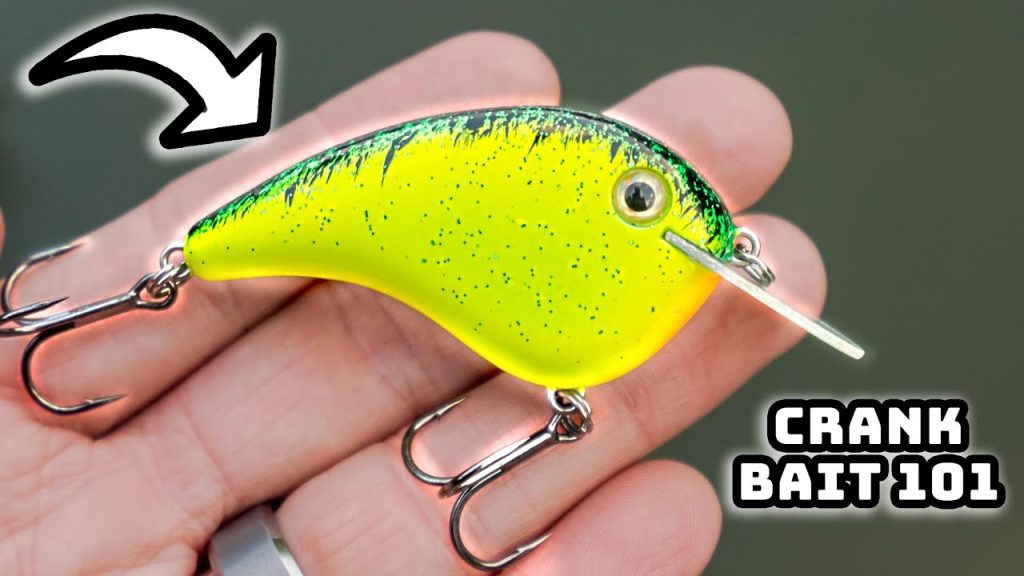
If you want to catch more fish and have fun doing it, learning how to fish with crankbait lures is a game-changer. These lures can mimic the movement of small fish, making them irresistible to bass and other predators.
But using crankbaits the right way isn’t always easy. You’ll discover simple tips and tricks that will boost your fishing skills and help you reel in bigger, more exciting catches. Ready to make your next fishing trip your best one yet?
Let’s dive in.
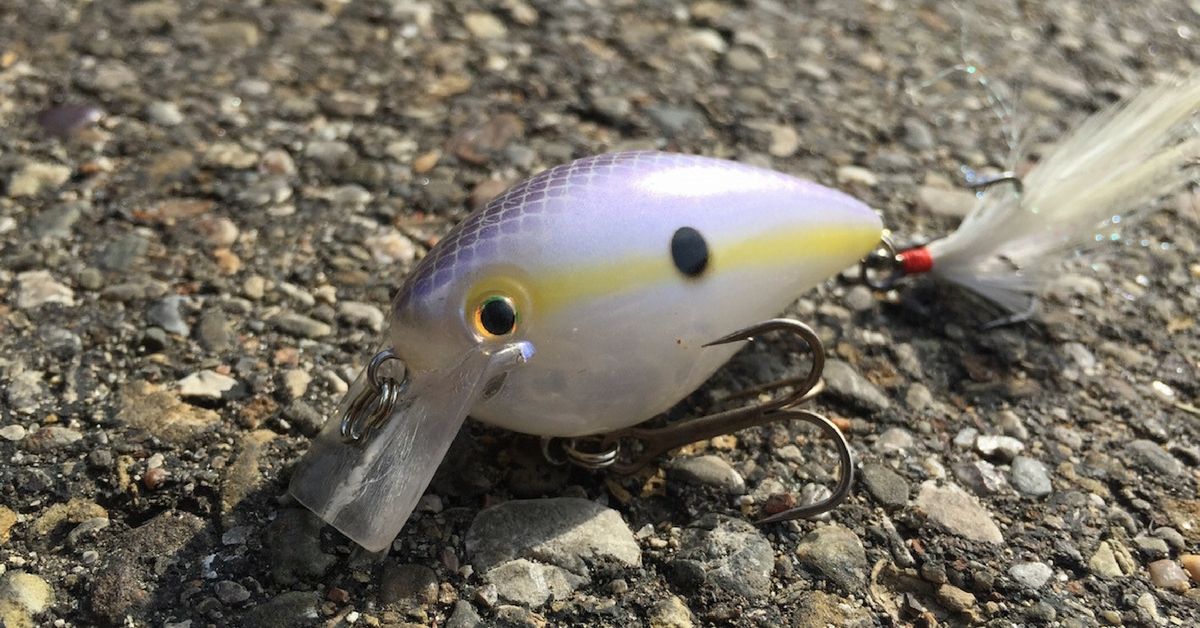
Credit: mysterytacklebox.com
Choosing The Right Crankbait
Crankbait lures are popular for catching many types of fish. Picking the right crankbait can improve your fishing success. This guide helps you select the best crankbait for your needs.
Understanding the types of crankbaits, water conditions, and colors is key. Each factor affects how the lure works and attracts fish.
Types Of Crankbaits
Crankbaits come in different shapes and sizes. They dive to various depths and create different movements in the water. Choose a type based on the fish you want to catch and the water depth.
- Shallow divers: Move just below the water surface, good for shallow areas.
- Medium divers: Reach mid-depths, ideal for lakes and rivers.
- Deep divers: Go deep, perfect for fishing near the bottom.
- Square bill: Create a wide wobble, good around rocks and cover.
- Lipless crankbaits: Sink fast and vibrate, useful for fast fishing.
Matching Crankbait To Water Conditions
Water clarity and temperature affect how fish see and react to crankbaits. Pick lures that stand out or blend in, depending on the conditions.
| Water Condition | Best Crankbait Type | Reason |
| Clear Water | Natural Colors, Medium Divers | Fish see well, natural look helps |
| Murky Water | Bright Colors, Deep Divers | Bright colors attract attention |
| Cold Water | Slow Moving, Lipless | Fish move slow, slow lures work |
| Warm Water | Fast Moving, Square Bill | Fish are active, fast lures attract |
Selecting Colors And Sizes
Color and size affect how fish react to crankbaits. Pick colors that match the water and sizes that match the fish you want to catch.
- Small sizes for small fish and clear water.
- Larger sizes for big fish and murky water.
- Natural colors like silver and brown for clear water.
- Bright colors like chartreuse and orange for stained water.
- Match the color to local baitfish or insects.
Essential Gear For Crankbait Fishing
Fishing with crankbait lures can be exciting and rewarding. They mimic the movements of fish, attracting predators. To succeed, you need the right gear.
Let’s explore the essential equipment needed for effective crankbait fishing. This includes rods, reels, line selection, and additional tackle.
Rods And Reels
Choosing the right rod and reel is important for crankbait fishing. A medium-action rod is often best. It provides the flexibility needed for casting and retrieving crankbaits smoothly.
Reels should have a smooth drag system. This helps in handling sudden pulls from fish. A baitcasting reel is usually preferred for its accuracy.
Line Selection
The type of line affects how your crankbait moves in the water. Fluorocarbon line is a popular choice. It sinks well and is nearly invisible underwater.
Monofilament line can also be used. It’s more buoyant and suitable for shallow water fishing. Choose your line based on the depth you plan to fish.
Additional Tackle
Beyond rods, reels, and line, other tackle items are useful. A tackle box with organized compartments keeps lures and tools handy.
- Extra crankbaits in various colors and sizes
- Snap swivels for quick lure changes
- Needle-nose pliers for hook removal
These additional tools can enhance your fishing experience. Being prepared ensures you have everything you need for a successful day on the water.
Casting Techniques
Using crankbait lures needs good casting skills. Casting right helps your lure reach the fish.
Learn how to cast with accuracy and how to adjust for distance and weather conditions.
Accurate Casting Tips
Accuracy is key to get your lure near the fish. Aim carefully and watch your target.
- Hold the rod firmly but not too tight.
- Use a smooth, controlled motion when casting.
- Focus on your target before casting.
- Practice casting to improve aim.
- Release the line at the right moment for better distance.
Adjusting Cast Distance
Change your cast distance depending on where the fish are. Short casts work in tight spaces.
| Cast Distance | When to Use |
| Short | Near shore or tight spots |
| Medium | Open water with nearby cover |
| Long | Deep water or far targets |
Handling Wind And Weather
Wind and weather can change your cast. Adjust your technique to stay effective.
Tips for windy and bad weather:
- Cast with the wind to gain distance.
- Use heavier lures to avoid wind drift.
- Keep your rod low to reduce wind effect.
- Wear suitable clothes for comfort and safety.

Credit: monsterbass.com
Retrieval Methods
Retrieval is how you reel in your crankbait lure. It controls the lure’s movement. Different methods can attract different fish.
Try various retrieval styles to see what works best. Each method changes the lure’s action and depth.
Steady Retrieve
Steady retrieve means reeling in at a constant speed. This keeps the crankbait swimming smoothly.
This method works well in clear water. It shows the lure’s natural wobble and color.
Stop-and-go Retrieve
Stop-and-go retrieve uses pauses during the reel-in. Reel for a few seconds, then stop and let the lure float or sink.
- Reel steadily for 3 to 5 seconds
- Pause and let the lure stop or sink slightly
- Repeat to mimic injured prey
This method triggers strikes from fish that watch the lure closely. The sudden stop looks like a weak fish.
Twitching And Jerking
Twitching and jerking means quickly pulling the rod tip to make the lure dart. This adds erratic movement.
| Action | Effect |
|---|---|
| Twitch | Small, sharp dart to the side |
| Jerk | Longer, more forceful pull causing a big movement |
| Pause | Lure stops to imitate a resting prey |
Use twitching and jerking to make the lure look like a fleeing fish. This excites predator fish to strike.
Reading Water And Fish Behavior
Fishing with crankbait lures works best when you understand water and fish habits. Watching the water helps you find fish and know how they act.
Knowing where fish stay and what makes them bite improves your chances. You can change your fishing style based on what the fish do.
Identifying Fish Holding Spots
Fish like places where they feel safe and can find food easily. Look for structures like rocks, weeds, or fallen trees. These spots hide fish from predators and strong currents.
Check water depth changes and shaded areas. Fish often stay near these spots to rest or wait for prey. You can target these areas with your crankbait for better results.
- Near underwater rocks or ledges
- Close to weed beds and vegetation
- Under docks or fallen branches
- At points where shallow water meets deep water
- In shaded or cooler water areas
Understanding Fish Feeding Patterns
Fish feed at certain times and places. They look for food when they are most active, usually early morning or late afternoon. Knowing this helps you plan your fishing trips.
Fish eat smaller fish or insects. Crankbaits that look like their prey work well. Watch how fish move and adjust your lure speed to match their feeding behavior.
- Fish feed more during low light times
- They follow baitfish or insect movements
- Feeding speed changes with water temperature
- Fish eat near food sources or cover
Adjusting Techniques Based On Activity
Fish do not always behave the same. You must change your crankbait speed and style. If fish are slow, try a slower retrieve or pauses. If they are active, a faster speed can work.
Change the depth of your lure by varying your cast or reel speed. Fish may be deeper or closer to the surface depending on the weather and time of day.
- Slow retrieve with pauses for tired fish
- Fast retrieve for active, chasing fish
- Use shallower lure settings in warm weather
- Try deeper runs if fish stay low in cold water
- Watch fish response and adjust quickly

Credit: mysterytacklebox.com
Troubleshooting Common Challenges
Fishing with crankbait lures can be fun but tricky. You may face problems like snags, line tangles, and lure issues.
Knowing how to fix these problems helps you fish longer and catch more fish. Here are some tips to solve these common challenges.
Avoiding Snags
Snags happen when your lure gets stuck on rocks, weeds, or underwater debris. Snags stop your lure from moving freely.
To avoid snags, try casting near open water and avoid heavy cover. Use a lure with a smaller lip to reduce snag chances.
- Cast beyond thick weeds or rocks
- Use crankbaits with a shallow diving lip
- Keep your line tight to feel snags early
- Retrieve slowly to avoid hitting obstacles hard
Dealing With Line Tangles
Line tangles can slow your fishing and waste time. They happen when the line twists or loops around itself.
To stop tangles, keep your reel and rod in good condition. Check your line for twists and rewind if needed.
- Use quality line with low memory
- Keep your line straight when casting
- Untwist your line by letting it hang loosely
- Replace old or damaged line regularly
When To Change Lures
Changing your crankbait lure can help catch more fish. Sometimes fish ignore a lure because of size, color, or action.
Switch lures if you see no strikes after several casts. Try different colors, sizes, or styles to attract fish.
- Change lures after 10-15 casts without a bite
- Use brighter colors in murky water
- Pick smaller lures for clear water
- Choose different diving depths based on fish location
Tips For Landing More Fish
Using crankbait lures can help catch more fish. These lures mimic small fish and attract predators.
To improve your catch rate, focus on how you set the hook, play the fish, and use nets or tools.
Setting The Hook Properly
When a fish bites, wait a moment before pulling the rod. This gives the fish time to fully take the lure.
Pull the rod back firmly and quickly to set the hook in the fish’s mouth. Avoid jerking too hard.
- Watch for the fish’s bite, not just the lure movement
- Keep the line tight when setting the hook
- Use a quick, smooth motion to avoid losing the fish
Playing The Fish
After the hook is set, keep steady pressure on the fish. Let it run if needed but avoid slack line.
Use your rod to guide the fish away from obstacles like rocks or weeds. This prevents the line from breaking.
- Keep the rod tip up to maintain tension
- Reel in when the fish stops running
- Be patient and avoid forcing the fish too fast
Using Nets And Tools
Use a net to land the fish safely. Nets reduce stress on the fish and help avoid losing it at the shore.
Use tools like pliers to remove hooks gently. This helps protect the fish and makes releasing it easier.
- Choose a net with soft, knotless mesh
- Keep the fish in the water while handling
- Use pliers to remove hooks quickly and carefully
Seasonal Strategies
Fishing with crankbait lures requires changes through the year. Fish behavior shifts with the seasons.
Using the right techniques for each season improves your chance to catch fish with crankbaits.
Spring Techniques
Fish become active after cold months. Target shallow waters where fish spawn and feed.
- Use bright-colored crankbaits to attract fish.
- Retrieve slowly to match fish movements.
- Focus on areas with new plant growth.
- Cast near underwater structures like logs or rocks.
Summer Adjustments
Fish move to deeper, cooler waters in summer. Adjust lure depth and speed accordingly.
| Time of Day | Best Crankbait Action |
| Morning | Fast retrieve near surface |
| Afternoon | Slow retrieve at mid-depth |
| Evening | Medium speed near shore |
Fall And Winter Approaches
Fish feed more before winter and slow down during cold months. Change lure size and retrieval style.
Try these tips:
- Use smaller crankbaits in colder water.
- Retrieve very slowly in winter to mimic injured prey.
- Focus on deeper water spots in fall and winter.
- Fish near drop-offs and channels.
Frequently Asked Questions
What Is The Best Technique To Fish With Crankbait Lures?
The best technique is steady, varied retrieval with occasional pauses. Vary speed to mimic injured prey, attracting more fish effectively.
Which Water Conditions Suit Crankbait Lures Best?
Crankbaits work well in clear to slightly murky water. They excel near structures, rocks, and submerged vegetation where fish hide.
How Deep Should I Crankbait Lures Be Fished?
Fish crankbaits at depths matching target species’ location. Use shallow, medium, or deep-diving crankbaits depending on water depth and fish activity.
What Size Crankbait Lure Is Ideal For Bass Fishing?
Medium-sized crankbaits, 2 to 4 inches, are perfect for bass. They imitate common prey and provoke aggressive strikes from bass.
Conclusion
Fishing with crankbait lures can bring great fun and good catches. Choose the right lure size and color for clear or murky water. Cast your lure steadily and vary the speed to attract fish. Watch the rod tip for bites and set the hook quickly.
Practice makes fishing easier and more enjoyable. Try different spots and techniques to find what works best. Keep learning and enjoy time on the water. Fishing with crankbaits can be simple and rewarding. Give it a try soon!