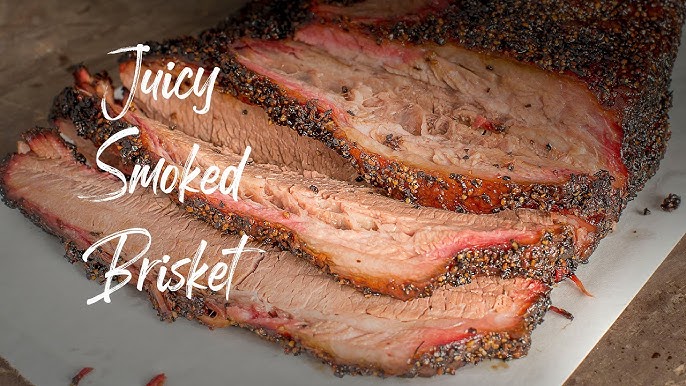
If you’ve ever wanted to master the art of smoking beef brisket on a charcoal grill, you’re in the right place. Smoking brisket can seem tricky, but with the right steps, you’ll turn out tender, flavorful meat that impresses everyone.
Imagine biting into juicy, smoky brisket with a perfect crust—your friends and family will be asking for your secret. In this guide, you’ll discover simple tips and easy-to-follow instructions to help you smoke brisket like a pro. Ready to fire up your grill and create something unforgettable?
Let’s dive in!
Choosing The Right Brisket
Smoking a beef brisket on a charcoal grill starts with choosing the right cut. The type of brisket affects flavor, texture, and cooking time. Picking good quality meat is essential for a tender and tasty result.
This guide covers the differences between flat cut and point cut, how to select quality meat, and trimming tips to prepare your brisket for smoking.
Flat Cut Vs Point Cut
The brisket has two main parts: the flat cut and the point cut. Each part cooks differently and has a unique texture and fat content.
- Flat Cut:This is the leaner, thinner part. It has a uniform shape and is easier to slice.
- Point Cut:This part has more fat and marbling. It is thicker and more flavorful but takes longer to cook.
Selecting Quality Meat
Good quality brisket makes a big difference in taste and tenderness. Look for fresh meat with bright red color and even marbling.
| Quality Feature | What to Look For |
|---|---|
| Color | Bright red, not brown or gray |
| Marbling | Thin streaks of fat inside the meat |
| Fat Cap | About ¼ inch thick for moisture |
| Smell | Fresh, no sour or off odors |
Trimming Tips
Proper trimming helps the brisket cook evenly and lets smoke flavor reach the meat. Trim excess fat but keep a thin fat layer for moisture.
- Remove thick, hard fat layers over ¼ inch.
- Trim silver skin and tough membranes.
- Keep a thin fat cap to protect meat during smoking.
- Shape the brisket evenly for uniform cooking.
Preparing The Brisket
Smoking beef brisket on a charcoal grill starts with proper preparation. Good preparation enhances the flavors and tenderness of the meat.
Let’s explore the best ways to get your brisket ready for the grill.
Seasoning Techniques
Seasoning is crucial for a flavorful brisket. It involves applying spices and herbs to the meat.
- Use kosher salt for better absorption.
- Black pepper adds a spicy kick.
- Garlic powder enhances the savory taste.
Creating A Dry Rub
Dry rubs are mixtures of spices that coat the brisket. They form a crust during cooking.
| Ingredient | Amount |
| Brown Sugar | 2 tablespoons |
| Paprika | 1 tablespoon |
| Cumin | 1 teaspoon |
Marinating Options
Marinating involves soaking the brisket in a liquid mixture. This process tenderizes the meat and adds flavor.
Common marinades include:
- Apple cider vinegar for a tangy taste.
- Beef broth for rich depth.
- Soy sauce for a salty umami flavor.
Setting Up The Charcoal Grill
Smoking beef brisket on a charcoal grill needs careful setup. You must control heat and smoke for best flavor.
This guide covers charcoal choices, heat zones, and airflow management for your grill.
Charcoal Types And Arrangements
Choose lump charcoal or briquettes. Lump burns hotter and faster. Briquettes burn longer and steady.
- Use lump charcoal for quick heat and strong smoke
- Use briquettes for slow, consistent cooking
- Mix both for balance in heat and burn time
Creating Indirect Heat Zones
Set up two heat zones on your grill. One side holds hot coals, the other stays cooler.
| Zone | Purpose | Placement |
| Direct Heat | Searing and initial cooking | Over coals |
| Indirect Heat | Slow cooking and smoking | Opposite side without coals |
Place a drip pan under the meat on the indirect side to catch juices and prevent flare-ups.
Managing Airflow
Control airflow using vents to keep temperature steady. Open vents increase oxygen and heat.
- Open bottom vents to feed the fire
- Adjust top vents to control smoke and heat exit
- Close vents partially to lower temperature
- Keep vents clean for proper airflow

Credit: snakeriverfarms.com
Maintaining Temperature
Keeping a steady temperature is key when smoking beef brisket on a charcoal grill.
Controlling heat helps the meat cook evenly and stay tender.
Ideal Smoking Temperature
The best temperature for smoking brisket is between 225°F and 250°F (107°C to 121°C).
This range lets the meat cook slowly and absorb smoky flavor without drying out.
Using Grill Thermometers
Thermometers help you watch the grill’s temperature closely.
- Use a built-in grill thermometer or a digital probe thermometer.
- Place one thermometer near the coals and another near the meat.
- Check temperature often to avoid spikes or drops.
- Calibrate your thermometers before smoking for accuracy.
Adjusting Vents For Control
Vents control airflow, which controls temperature inside the grill.
| Vent Position | Effect on Temperature |
|---|---|
| Open vents | More oxygen, higher heat |
| Partially closed vents | Moderate oxygen, steady heat |
| Closed vents | Less oxygen, lower heat |
Adjust vents slowly. Wait 10-15 minutes to see temperature changes.
Adding Smoke Flavor
Smoking beef brisket on a charcoal grill adds a rich flavor. The right smoke gives the meat a deep and tasty aroma. You need to know how to add smoke to get the best results.
This guide covers choosing wood, soaking it, and timing your smoke additions. Each step helps improve the smoke flavor in your brisket.
Choosing Wood Chunks Or Chips
Wood type changes the flavor of your smoke. Hardwoods like oak, hickory, or mesquite work well. Fruitwoods such as apple or cherry give a sweeter taste. You can use chunks or chips depending on your grill size and smoke time.
- Wood chunks burn slower and last longer.
- Wood chips ignite fast and give quick smoke.
- Mix wood types for a unique flavor.
- Avoid softwoods like pine; they make bad smoke.
Soaking Wood For Smoke
Soaking wood helps it burn slowly and produce more smoke. Soak wood chips or small chunks in water for 30 minutes to 1 hour before grilling. This makes the wood smolder instead of burn up quickly.
| Wood Type | Soaking Time | Effect |
| Wood Chips | 30 minutes | Slower smoke, longer burn |
| Small Wood Chunks | 1 hour | Steady smoke, less flare-ups |
| Large Chunks | Not needed | Slow burn, natural smoke |
Timing Smoke Additions
Add wood at the right time to keep smoke steady. Start by placing soaked wood on hot coals. Add more wood every hour to maintain smoke flow. Avoid adding too much at once to prevent bitter flavors.
- Light charcoal and wait until coals are hot.
- Place soaked wood on coals to start smoke.
- Add wood every 45 minutes to 1 hour.
- Watch smoke color; thin blue smoke is best.
- Stop adding wood during the last hour of cooking.

Credit: snakeriverfarms.com
Smoking Process Steps
Smoking a beef brisket on a charcoal grill takes time and care. You need to keep the right temperature and smoke level. This guide explains the key steps to help you get good results.
Follow these steps closely to keep your brisket juicy and tender. Each part of the process affects the final taste and texture.
Placing The Brisket On Grill
Start by preparing your charcoal grill with hot coals on one side. Place the brisket fat side up on the cooler side of the grill. This helps the fat drip down and keep the meat moist.
- Use indirect heat by placing coals to one side.
- Keep the brisket away from direct flames.
- Place a drip pan under the grill grates to catch fat.
- Close the grill lid to keep smoke inside.
Monitoring Smoke And Heat
Keep the grill temperature steady between 225°F and 250°F. Use a grill thermometer to check the heat. Add charcoal or wood chips as needed to keep smoke going.
| Item | Ideal Range | Tip |
| Grill Temperature | 225°F – 250°F | Use vents to adjust airflow |
| Smoke Color | Thin blue smoke | Avoid thick white or black smoke |
| Wood Chips | Hickory, oak, or mesquite | Soak chips before adding |
Wrapping The Brisket
When the brisket reaches about 160°F, wrap it tightly in aluminum foil or butcher paper. This helps keep moisture inside and speeds up cooking.
Here is why wrapping is important:
- Prevents the brisket from drying out
- Maintains a steady temperature around the meat
- Helps break down tough fibers for tenderness
Checking Doneness
Checking if your beef brisket is done is very important. It ensures the meat is tender and safe to eat.
Use a few methods to check doneness. These include measuring temperature, testing with a probe, and resting the meat.
Internal Temperature Targets
The best way to know if brisket is done is by checking its internal temperature. Different parts may need different temperatures.
| Brisket Part | Target Temperature (°F) | Target Temperature (°C) |
| Point | 195-205 | 90-96 |
| Flat | 195-205 | 90-96 |
| Overall | 200 | 93 |
Using The Probe Test
Insert a probe or skewer into the brisket to test tenderness. It should slide in with little resistance.
- Insert the probe into the thickest part of the brisket.
- Check if it goes in smoothly without force.
- If it feels tough, cook the brisket longer.
- Repeat the test every 30 minutes near the end of cooking.
Resting The Meat
After cooking, let the brisket rest. This helps juices spread evenly and improves flavor.
Rest the brisket for at least 30 minutes. Wrap it in foil and keep it warm during this time.

Credit: www.youtube.com
Serving Tips
Serving beef brisket smoked on a charcoal grill is an art. Proper serving makes the meat taste better.
Follow these tips to enjoy your brisket fully and impress your guests.
Slicing Against The Grain
Always slice brisket against the grain. This means cutting perpendicular to the muscle fibers.
This makes the meat tender and easier to chew. Cutting with the grain makes it tough and stringy.
Pairing With Sides And Sauces
Brisket goes well with many sides and sauces. Choose sides that balance the rich meat flavor.
- Classic coleslaw adds crunch and freshness
- Baked beans bring sweetness and heartiness
- Pickles cut through the fat with acidity
- Barbecue sauce adds smoky or tangy notes
- Cornbread offers a soft, slightly sweet texture
Storing Leftovers
Store leftover brisket properly to keep it fresh and tasty. Wrap it tightly in foil or plastic wrap.
Place wrapped brisket in the refrigerator for up to four days. For longer storage, freeze it.
- Reheat leftovers gently to keep moisture
- Add a bit of broth or sauce when reheating
- Use airtight containers to avoid drying out
Frequently Asked Questions
How Long Should I Smoke Beef Brisket On Charcoal?
Smoke beef brisket for 10 to 14 hours on a charcoal grill. Maintain a temperature of 225-250°F for tender, flavorful results.
What Wood Is Best For Smoking Brisket On Charcoal?
Hickory, oak, and mesquite are popular woods for smoking brisket. They add rich, smoky flavors that complement beef well.
How Do I Keep The Charcoal Grill Temperature Steady?
Use a charcoal chimney starter and adjust air vents carefully. Add charcoal and wood chunks gradually to maintain 225-250°F consistently.
Should I Wrap Brisket During Charcoal Smoking?
Wrapping brisket in foil or butcher paper after 6-8 hours helps retain moisture. It speeds up cooking and keeps the meat juicy.
Conclusion
Smoking beef brisket on a charcoal grill takes time and care. Keep the fire steady and the smoke flowing. Use simple tools and follow the steps closely. Patience brings tender, flavorful meat that everyone will enjoy. Practice makes perfect, so don’t rush the process.
Each cook teaches you something new. Serve your brisket with pride. Great meals start with good preparation and heart. Give it a try, and taste the difference yourself.