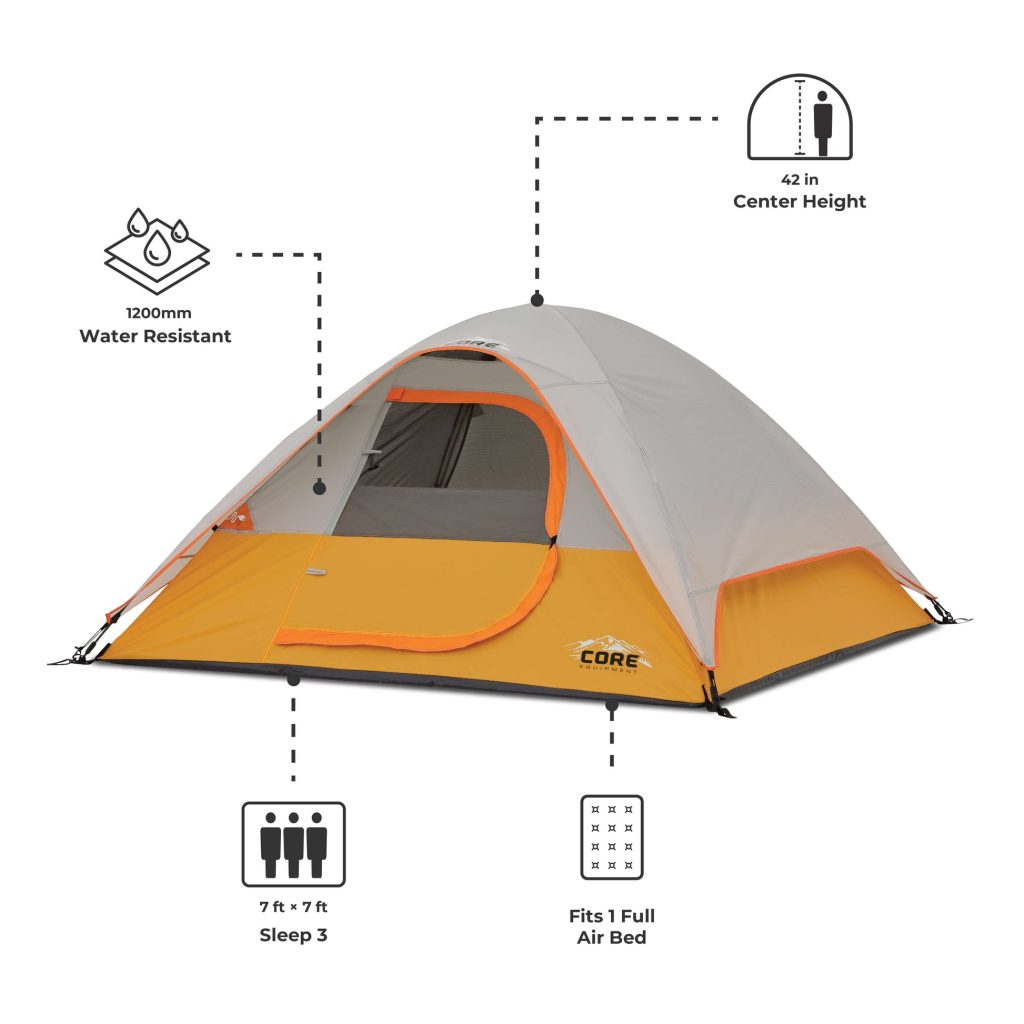
When you’re planning your next outdoor adventure, one question likely pops into your mind: how much does a tent weigh? This might seem like a small detail, but it can make a huge difference in your comfort and energy levels on the trail.
Carrying a heavy tent can slow you down and drain your energy, while a lightweight one can help you move faster and enjoy your trip more. You’ll discover everything you need to know about tent weights, so you can choose the perfect one for your needs.
Keep reading to find out how to balance comfort, durability, and weight like a pro.
Credit: www.ebay.com
Factors Influencing Tent Weight
Tent weight varies based on different parts and features. Knowing what affects the weight helps you pick the right tent.
Some tents are light for easy carrying. Others are heavier but offer more strength or space.
Materials And Fabric Types
Tent fabrics come in different materials. Nylon and polyester are common. Nylon is lighter but can cost more. Polyester resists sun damage well.
- Ripstop nylon is light and strong.
- Polyester is heavier but lasts longer in sun.
- Silicone-coated fabrics add water resistance and weight.
- Denier rating shows fabric thickness and weight.
Frame And Poles
Frames hold the tent shape. Poles can be aluminum, fiberglass, or carbon fiber. Aluminum poles are light and strong. Fiberglass poles weigh more and can break easier. Carbon fiber poles are light but costly.
| Material | Weight | Durability |
| Aluminum | Light | High |
| Fiberglass | Heavy | Medium |
| Carbon Fiber | Very Light | High |
Size And Capacity
Big tents hold more people but weigh more. A two-person tent is lighter than a six-person tent. Extra room means more fabric and poles.
- Small tents are easier to carry.
- Larger tents give more comfort and space.
- Weight grows with tent capacity.
Additional Features
Extra features add weight. Things like vestibules, gear lofts, or heavy zippers add grams. Some tents have extra poles or thicker fabrics for weather protection.
| Feature | Effect on Weight |
|---|---|
| Vestibule | Adds 0.5 to 1 kg |
| Extra poles | Add 200 to 500 grams |
| Thicker fabrics | Increase weight by 300 grams or more |
| Heavy-duty zippers | Add slight weight |
Credit: americantent.com
Common Tent Weight Categories
Tents come in various weight categories. Choosing the right one depends on your needs. Consider the weight when planning your outdoor adventures.
Here we discuss different tent weight categories. Each has its own benefits and uses.
Ultralight Tents
Ultralight tents are ideal for backpackers. They weigh less than 3 pounds. These tents are easy to carry on long hikes.
They often use high-tech materials. This makes them light but durable. Ultralight tents may have less space inside.
Lightweight Tents
Lightweight tents weigh between 3 and 5 pounds. They are good for weekend trips. These tents balance weight and comfort.
They offer more room than ultralight tents. You can find them in various designs and sizes.
Standard Tents
Standard tents usually weigh 5 to 7 pounds. They are great for car camping. These tents provide ample space and comfort.
They are made from sturdy materials. This makes them reliable in different weather conditions.
Heavy-duty Tents
Heavy-duty tents can weigh over 7 pounds. They are designed for extreme conditions. These tents are suitable for group camping.
They are made with strong frames and thick fabric. This ensures protection in harsh weather.
- Ultralight: Under 3 pounds
- Lightweight: 3 to 5 pounds
- Standard: 5 to 7 pounds
- Heavy-Duty: Over 7 pounds
Weight Comparison By Tent Type
Tents come in many shapes and sizes. Their weight changes based on their type and use. Knowing the weight helps you pick the right tent.
This guide compares the weight of different tent types. It shows what to expect for each kind.
Backpacking Tents
Backpacking tents are made to be very light. They are easy to carry on long hikes. Most weigh between 1 to 3 pounds.
They use lightweight materials and simple designs. These tents often fit one or two people.
- Weight range: 1 to 3 pounds
- Designed for easy carrying
- Usually small and compact
Camping Tents
Camping tents are heavier than backpacking tents. They focus on comfort and space. These tents often weigh 5 to 15 pounds.
They have more room and extra features. They fit well in campsites and car camping trips.
- Weight range: 5 to 15 pounds
- More space and features
- Good for short walks from the car
Mountaineering Tents
Mountaineering tents are built strong and light. They stand up to wind and snow. Weight usually ranges from 3 to 7 pounds.
These tents use durable materials but still aim to stay light. They fit one or two people mostly.
- Weight range: 3 to 7 pounds
- Strong and weather-resistant
- Made for harsh mountain conditions
Family Tents
Family tents are the heaviest type. They focus on space and comfort for many people. Weight can be 15 pounds or more.
These tents have multiple rooms and large space. They are good for car camping with family or groups.
- Weight range: 15 pounds and up
- Large and roomy
- Best for car or base camping

Credit: americantent.com
How Tent Weight Affects Outdoor Experience
The weight of a tent can change how you enjoy outdoor trips. A heavy tent may slow you down. A light tent can make your journey easier.
Choosing the right tent weight helps with carrying, setting up, and staying safe in different weather.
Portability And Ease Of Transport
Lighter tents are easier to carry over long distances. Heavy tents add strain to your backpack. This can cause tiredness and slow you down.
- Light tents reduce load on your back.
- Heavy tents need more effort to move.
- Compact tents fit better in backpacks.
- Bulky tents take up more space.
Setup Time And Effort
Heavier tents often have more poles and parts. This means setup can take longer and be harder. Lighter tents tend to be simpler and faster to pitch.
| Tent Weight | Setup Time | Effort Level |
| Light (under 4 lbs) | 5-10 minutes | Low |
| Medium (4-8 lbs) | 10-20 minutes | Medium |
| Heavy (over 8 lbs) | 20+ minutes | High |
Durability And Weather Resistance
Heavier tents often use thicker materials. This can protect better from wind and rain. Lighter tents may sacrifice some strength for weight.
- Heavy tents: Strong fabrics, good for harsh weather.
- Light tents: Best for mild conditions and quick trips.
- Choose based on your trip needs and weather forecast.
Tips To Choose A Tent Based On Weight
Choosing the right tent weight matters for your trip. A heavy tent can slow you down.
Light tents save energy but may have fewer features. Think about what you really need.
Assessing Your Needs
Consider how you will use the tent. Will you hike long distances or camp near your car?
- Solo or group camping
- Number of nights
- Type of terrain
- How often you camp each year
Balancing Weight And Comfort
Lightweight tents are easy to carry but may offer less space. Heavier tents can be roomier.
| Weight Category | Comfort Level | Use Case |
| Under 3 lbs | Basic | Solo backpacking |
| 3-5 lbs | Moderate | Lightweight camping |
| Over 5 lbs | High | Car camping or groups |
Considering Weather Conditions
Weather affects your tent choice. Some tents are heavier but stronger in bad weather.
- Light tents suit mild weather
- Heavier tents protect well from wind and rain
- Check if the tent has waterproof materials
- Look for good ventilation features
Budget Considerations
Price often links to weight. Lighter tents cost more because of special materials.
| Price Range | Weight | Material Quality |
|---|---|---|
| Low | Heavier | Standard fabric |
| Medium | Moderate | Improved fabric |
| High | Lightest | High-tech fabric |
Reducing Tent Weight Without Sacrificing Quality
Carrying a heavy tent can slow down any outdoor trip. You want a tent that is light but still strong and reliable. There are ways to reduce the weight without losing quality.
Focus on the materials, accessories, and how you pack the tent. These steps help keep your load light while keeping your shelter safe and comfortable.
Choosing Lightweight Materials
Pick tents made from modern, lightweight fabrics. Nylon and polyester are good choices. They weigh less but do not lose durability. Look for tents with strong but thin poles made of aluminum or carbon fiber.
- Use ripstop nylon for the tent body
- Choose aluminum or carbon fiber poles
- Select a lightweight rainfly
- Pick tents with minimal mesh panels
Minimizing Accessories
Reduce the number of extra items you carry. Only bring what is needed for your trip. Avoid heavy stakes and large bags that add weight. Use multi-use tools to cut down on gear.
| Accessory | Weight Impact | Tip to Reduce Weight |
| Extra stakes | Medium | Carry only what you need |
| Heavy tent bag | High | Use a lightweight stuff sack |
| Footprint | Low | Choose thin, durable material |
| Repair kit | Low | Bring a compact kit |
Proper Packing Techniques
Packing your tent right can save space and weight. Roll the tent tightly and keep poles inside to protect them. Use compression sacks to reduce bulk. Keep the tent dry to avoid added weight from water.
- Roll tent fabric tightly to remove air
- Place poles inside the tent bundle
- Use compression sacks to shrink size
- Keep tent dry before packing
Frequently Asked Questions
How Much Does A Typical Camping Tent Weigh?
A typical camping tent weighs between 4 to 7 pounds. This range suits most backpackers and casual campers. The weight varies based on size, materials, and design.
What Factors Affect A Tent’s Weight?
Tent weight depends on size, fabric type, poles, and features. Heavier fabrics and larger sizes increase weight. Lightweight poles and minimalist designs reduce it.
Are Ultralight Tents Really Lighter?
Yes, ultralight tents weigh around 2 to 3 pounds. They use advanced materials and minimal components. Ideal for long backpacking trips requiring weight savings.
How Do Tent Weights Vary By Size?
Smaller 1-2 person tents weigh less, around 3 to 5 pounds. Larger family tents can exceed 10 pounds. More space means more fabric and poles, increasing weight.
Conclusion
Choosing the right tent weight matters for every trip. Lighter tents ease your travel and save energy. Heavier tents offer more comfort and durability. Think about how you will carry it. Balance weight with your needs and trip length. This helps you enjoy camping without extra strain.
Now, you can pick a tent that fits your adventure. Simple choices make your outdoor time better.