Choosing the right size climbing shoe can make or break your climbing experience. If your shoes are too tight, your feet will hurt and your performance will suffer.
If they’re too loose, you’ll lose grip and control. So, how do you find the perfect fit that feels comfortable but still gives you the edge you need? You’ll discover simple tips and insider advice to help you pick climbing shoes that fit just right.
Keep reading to make sure your next climb is your best one yet.

Credit: www.reddit.com
Choosing The Right Fit
Climbing shoes must fit your feet well for comfort and safety. Picking the right size helps you climb better and avoid injuries.
Shoes that are too tight or loose can cause pain or slipping. Understanding fit is key to enjoying climbing and improving your skills.
Importance Of Proper Fit
A good climbing shoe fit supports your foot without hurting it. Proper fit prevents blisters and keeps your toes from being cramped.
- Shoes that are too tight cause pain and numbness.
- Loose shoes reduce control and increase injury risk.
- Correct fit allows long climbing sessions without discomfort.
- Well-fitted shoes improve balance and foot placement.
How Fit Affects Performance
The right fit helps you push your feet on small holds. It gives better power and sensitivity while climbing.
| Fit Aspect | Effect on Performance |
|---|---|
| Tightness | Improves precision but avoid pain. |
| Heel Fit | Prevents slipping and adds control. |
| Toe Space | Allows toe power without cramps. |
| Arch Support | Enhances comfort on steep routes. |
Measuring Your Foot
Choosing the right size for climbing shoes is essential for comfort and performance. Measuring your foot accurately can help you find the best fit.
Follow these steps to measure your foot length and width at home, ensuring you pick the right climbing shoe size.
Tools Needed For Measurement
To measure your foot, gather the following items. Having the right tools will make the process easier and more accurate.
- A piece of paper larger than your foot
- A pencil or pen
- A ruler or measuring tape
- A flat surface
- A friend to assist, if possible
Steps To Measure Length And Width
Follow these steps to measure your foot length and width accurately. This will help you select the best fitting climbing shoe.
- Place the paper on a flat, hard surface.
- Stand on the paper with your foot flat and your weight evenly distributed.
- Trace the outline of your foot with the pencil held upright.
- Use the ruler to measure the longest part of your foot from heel to toe.
- Measure across the widest part of your foot for the width.
- Repeat the process for the other foot.
Understanding Climbing Shoe Sizing
Choosing the right climbing shoe size is important for comfort and performance. Climbing shoes fit differently than regular shoes.
Knowing how climbing shoe sizes work helps you pick the best fit for your feet and climbing style.
Differences From Regular Shoes
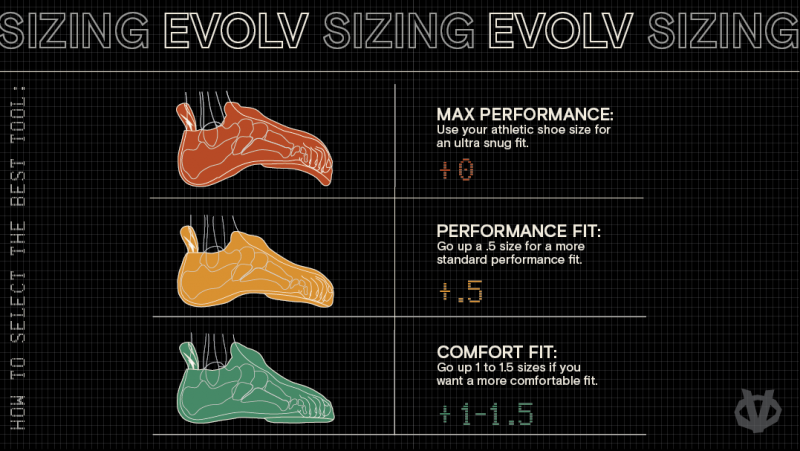
Climbing shoes usually fit tighter than regular shoes. They need to hold your feet firmly for better grip.
They often feel smaller at first, but the snug fit helps with control and precision on the rock.
- Climbing shoes are narrower and more form-fitting.
- They have less padding than normal shoes.
- The toe box is often tighter to improve toe strength.
- Some shoes stretch after wearing, so size carefully.
Sizing Variations By Brand
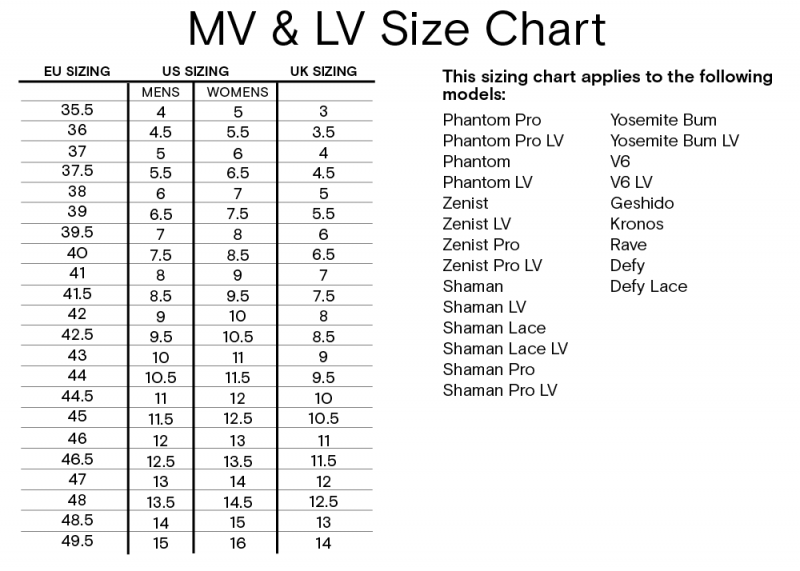
Different brands use different sizing systems and shapes. This means your size may change between brands.
It is best to try shoes from each brand or check brand-specific size charts before buying.
- Some brands run small, others run large.
- Wide feet may fit better in certain brands.
- Check if the shoe stretches and how much.
- Read reviews about fit from other climbers.

Credit: www.reddit.com
Types Of Climbing Shoes
Choosing the right climbing shoe size depends on the shoe type. Different shoes fit and feel differently. This guide explains three main types of climbing shoes.
Each shoe type suits a specific climbing style and foot shape. Knowing these types helps you pick the best fit for comfort and performance.
Neutral Fit Shoes
Neutral fit shoes have a relaxed shape. They offer comfort for long climbs and all-day wear. These shoes do not force your toes into a tight position.
- Ideal for beginners and multi-pitch climbs
- More padding and less aggressive toe shape
- Comfort over precision
- Good for people with wide feet
Aggressive Fit Shoes
Aggressive fit shoes have a downturned toe and tight fit. They help you climb steep routes and small holds. These shoes put your foot in a powerful position.
| Feature | Description |
| Toe Shape | Strongly downturned |
| Fit | Very tight and snug |
| Best Use | Sport climbing and bouldering |
| Comfort | Less comfortable, short wear time |
Moderate Fit Shoes
Moderate fit shoes balance comfort and performance. They have a slight curve and fit snugly but not tight. These shoes are versatile for many climbing types.
Key advantages of moderate fit shoes:
- Good for trad climbing and sport
- Comfortable for longer climbs
- Offers better precision than neutral shoes
- Suitable for most foot shapes
Trying On Climbing Shoes
Choosing the right size climbing shoe is very important. A good fit helps you climb better and stay safe.
Trying on climbing shoes lets you find the best size and feel. Each brand fits differently, so always test them on.
What To Look For During Fitting
The shoe should feel snug but not painful. Your toes should touch the front without being crushed.
Check how the shoe holds your heel and midfoot. It should stay tight to avoid slipping during climbs.
- Your toes should be slightly curled but not bent over.
- The shoe should not create pressure points or sharp pain.
- The heel must fit closely without gaps or lifting.
- Walk or stand in the shoes to feel their grip and comfort.
Common Fit Issues And Solutions
Shoes too big can cause slipping and poor control. Too small can hurt your feet and reduce climbing time.
Different foot shapes need different fits. Some shoes work better for wide feet, others for narrow feet.
- If your heel lifts, try a tighter size or a shoe with a better heel cup.
- For pinched toes, try a larger size or a shoe with a more rounded toe box.
- If the shoe feels loose, use thicker socks or try a different lacing style.
- Try several brands and styles to find your best fit.
Breaking In Your Shoes
New climbing shoes often feel stiff and tight. Breaking them in helps make them more comfortable. This process takes time and care.
Properly broken-in shoes improve your climbing experience. You can avoid pain and improve grip as the shoes adapt to your feet.
Methods To Soften New Shoes
There are several ways to soften your climbing shoes. These methods help the material become more flexible and fit better.
- Wear the shoes indoors for short periods to stretch them gently.
- Use a shoe stretcher to widen tight areas without damaging the shoe.
- Apply a small amount of leather conditioner to soften leather shoes.
- Heat the shoes carefully with a hairdryer while wearing thick socks, then walk around to mold them.
- Avoid soaking shoes in water, as this can damage some materials.
How Fit Changes Over Time
The fit of climbing shoes changes as you use them. Materials stretch and mold to your foot shape with wear.
| Time Worn | Fit Change | What to Expect |
| First Few Uses | Very Tight | Shoes feel stiff and snug; expect some discomfort. |
| First Few Weeks | Moderate Stretch | Material softens and stretches to your foot’s shape. |
| After One Month | Comfortable Fit | Shoes feel more natural and less painful. |
| Long-Term Use | More Looseness | Shoes may stretch too much and lose tightness. |
Tips For Different Climbing Styles
Choosing the right size climbing shoe depends on your climbing style. Different styles need different fits for comfort and performance.
This guide helps you find the best shoe size for bouldering, sport climbing, and trad climbing.
Bouldering Shoe Fit
Bouldering shoes should fit tight for better control and precision. A snug fit helps you feel the holds better.
Expect some discomfort but avoid pain. Your toes should be curled but not crushed.
- Shoes should feel snug with no dead space
- Toes slightly bent to improve grip
- Try shoes on after warming up your feet
- Stretch shoes if they feel too tight after use
Sport Climbing Shoe Fit
Sport climbing shoes need a balance between comfort and tightness. You climb longer routes, so comfort matters more.
Your shoes should fit snugly but allow some toe movement. Avoid long periods of pain.
- Choose shoes that fit close but don’t hurt
- Look for moderate toe curl for edging
- Check for heel fit to avoid slipping
- Break in shoes before long climbs
Trad Climbing Shoe Fit
Trad climbing shoes should be comfortable for all-day wear. You need to protect your feet on long climbs and rough terrain.
Choose shoes with a relaxed fit and good padding. Comfort is more important than tightness here.
- Fit shoes with room for toes to lie flat
- Use shoes with extra cushioning for foot protection
- Make sure heel fit is secure but not tight
- Try shoes on with climbing socks if you use them
Credit: www.evolvsports.com
When To Size Up Or Down
Choosing the right climbing shoe size is key for comfort and performance. Shoes that are too tight or too loose can cause problems during your climbs.
Knowing when to size up or down helps you avoid pain and improves your grip on the rock or wall.
Signs Your Shoes Are Too Tight
Tight climbing shoes can hurt your feet and reduce your climbing ability. Look for these signs to know if your shoes are too small.
- Your toes feel painfully cramped or curled.
- There are red marks or blisters on your feet after climbing.
- You experience numbness or tingling in your toes.
- Your feet go numb or lose circulation during use.
- You cannot stand on your toes without discomfort.
When Looser Fits Are Better
Sometimes a slightly looser fit works better. This happens for beginners or long climbs where comfort is more important than tightness.
| Reason to Size Up | Details |
| Beginner Climbers | Need comfort to learn and avoid foot pain. |
| Long Climbs | Prevent foot numbness and blisters over time. |
| Wide Feet | Allow more room to avoid pressure points. |
| Injury or Swelling | Extra space can reduce discomfort and help healing. |
Special Considerations
Choosing the right climbing shoe size depends on more than just foot length. Some important factors affect fit and comfort. These include foot width and the use of orthotics or insoles.
Understanding these special considerations helps you pick shoes that protect your feet and improve your climbing experience.
Wide Or Narrow Feet
Feet come in many shapes, and climbing shoes vary in width. Wearing shoes that match your foot width prevents pain and slipping. Wide feet need more space, while narrow feet need a snug fit.
- Wide feet benefit from shoes labeled “wide” or models with softer material.
- Narrow feet do better with pointed or narrow-toed shoes.
- Try shoes on at the end of the day when feet are slightly swollen.
- Test the fit by standing and flexing your toes inside the shoe.
Orthotics And Insoles
Many climbers use orthotics or special insoles for support or comfort. These can change how climbing shoes fit. It is important to consider them when choosing shoe size.
| Consideration | Effect on Shoe Fit | Advice |
| Custom Orthotics | Take up extra space inside shoe | Try shoes with orthotics inside before buying |
| Thicker Insoles | Make shoe feel tighter | Choose a slightly larger size or wider shoe |
| Removable Insoles | Allow room to adjust fit | Remove original insole if needed for more space |
Frequently Asked Questions
How Do Climbing Shoe Sizes Compare To Regular Shoes?
Climbing shoe sizes usually run smaller than regular shoes. They fit snugly to enhance grip and precision. Always try shoes on in person, as sizing varies by brand and model. A tight but comfortable fit ensures better climbing performance without causing pain.
Should Climbing Shoes Be Tight Or Comfortable?
Climbing shoes should be tight but not painfully so. A snug fit prevents foot movement inside the shoe. This improves control on small holds and edges. However, avoid shoes that cause numbness or sharp discomfort, as these can affect climbing endurance and safety.
Can Climbing Shoe Size Change Over Time?
Yes, climbing shoes can stretch slightly with wear. Materials like leather often expand up to half a size. Synthetic shoes stretch less. Consider this when choosing size, especially for new shoes, to maintain an optimal fit during climbs.
How To Measure Foot Size For Climbing Shoes?
Measure your foot length and width at the end of the day. Use a Brannock device or ruler for accuracy. Compare measurements to brand-specific size charts. Trying shoes on after measurement ensures a better fit for climbing demands.
Conclusion
Choosing the right climbing shoe size matters a lot. Shoes that fit well help you climb better and stay comfortable. Too tight or too loose can cause pain or poor grip. Try different sizes and brands to find your best fit.
Remember, your feet might feel snug but not hurt. Take time to test shoes before buying. Good fit keeps your feet safe and climbing fun. Keep these tips in mind for your next shoe purchase. Happy climbing!