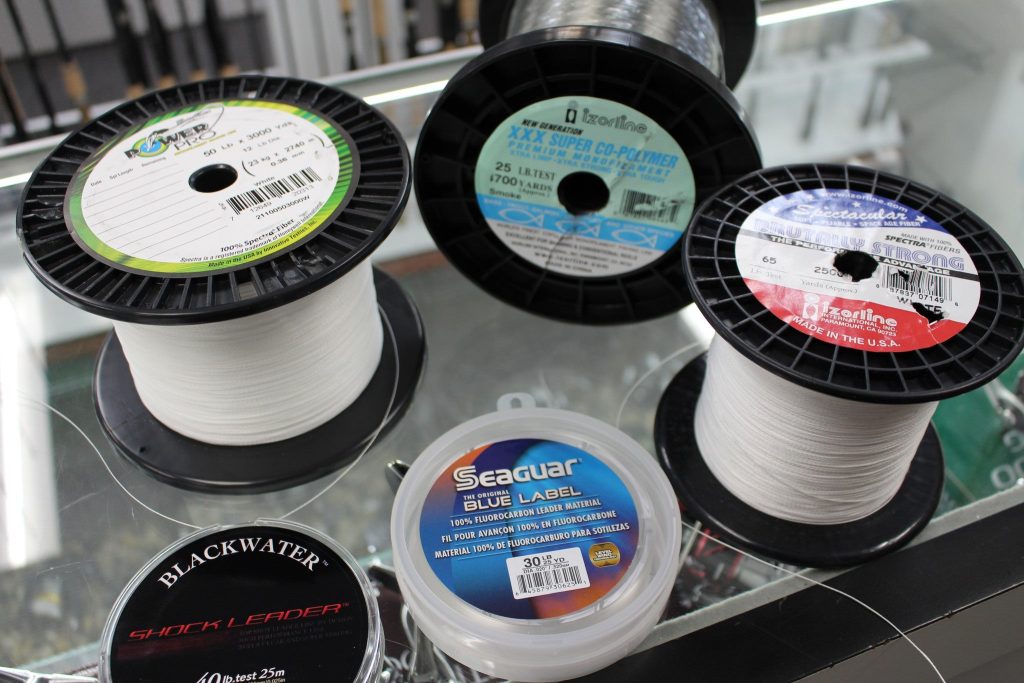
If you want to catch more fish and enjoy a smoother fishing experience, choosing the right fishing line is key. You might have heard about braid fishing line but wondered if it’s really worth it.
What if using braid line could give you stronger casts, better sensitivity, and fewer snapped lines? Imagine feeling every nibble and reeling in bigger fish with less hassle. You’ll discover exactly why braid fishing line could be the game-changer you’ve been looking for.
Keep reading to find out how this simple switch can improve your fishing trips.

Credit: www.youtube.com
Benefits Of Braid Fishing Line
Braid fishing line offers many advantages over other types. It is designed to improve your fishing experience.
Understanding these benefits can help you choose the right line for your fishing needs.
Superior Strength Compared To Monofilament
Braid fishing line has a much higher strength than monofilament lines of the same diameter. This means it can hold bigger fish without breaking.
The strength comes from multiple strands woven together tightly.
Enhanced Sensitivity For Better Bite Detection
Braid line sends vibrations from the lure or bait directly to your rod. This helps you feel even the smallest bites.
- Detect subtle fish movements quickly
- React faster to bites
- Improve hook set success
Thin Diameter With High Breaking Strength
Braid lines have thin diameters but maintain strong breaking points. This lets you fit more line on your reel and cast farther.
| Line Type | Diameter (inches) | Breaking Strength (lbs) |
| Braid | 0.013 | 30 |
| Monofilament | 0.020 | 30 |
Minimal Stretch For Precise Control
Braid fishing line stretches very little under tension. This helps you control the lure and set the hook more precisely.
Less stretch means:
- Better hook setting
- Improved lure action
- More accurate fish fighting
Types Of Braid Fishing Lines
Braid fishing lines are popular for their strength and durability. They are made from advanced materials that cater to different fishing needs.
Understanding the types and features of braid fishing lines can help you choose the best option for your fishing adventure.
Spectra And Dyneema Fibers
Spectra and Dyneema are the two main fibers used in braid fishing lines. These fibers are known for their high strength and low stretch properties.
- Spectra fibers offer excellent abrasion resistance.
- Dyneema fibers are known for being lightweight yet strong.
- Both fibers are resistant to UV light and chemicals.
Different Weaves And Their Impact
The weave of a braid fishing line affects its performance. Different weaves impact the line’s smoothness, strength, and casting ability.
| Weave Type | Characteristics |
| 4-strand | More abrasion-resistant, rougher texture |
| 8-strand | Smoother, better casting, less noise |
| 12-strand | Ultra-smooth, high strength, premium quality |
Color Options And Visibility
Braid fishing lines come in various colors. The color affects visibility both above and below the water.
Choosing the right color can help you see the line better and also match the water conditions.
- Green: blends well in freshwater environments.
- Yellow: high visibility above water.
- Blue: ideal for deep-sea fishing.
- Camouflage: reduces visibility to fish.
Choosing The Right Braid Line
Choosing the right braid fishing line is important for a good fishing experience. The right line helps you catch fish better and protects your gear.
Consider your target fish, your rod and reel, and the line thickness. These factors will guide your choice of braid line.
Matching Line Strength To Target Species
Pick a braid line with enough strength for the fish you want to catch. Stronger fish need higher test lines to avoid breaks.
Using the right strength helps you fight fish without losing them or breaking your line.
- Light species: 10-20 lb test line
- Medium species: 20-40 lb test line
- Heavy species: 40+ lb test line
Considering Rod And Reel Compatibility
Make sure your braid line fits your rod and reel. Some rods and reels work better with certain line strengths and diameters.
Check your gear’s specifications before picking a braid line. This will help avoid damage and improve performance.
- Match line strength with rod power
- Use reel spool capacity as a guide
- Confirm line type compatibility with reel
Selecting The Appropriate Diameter
Line diameter affects casting distance and sensitivity. Thinner lines cast farther and feel bites better.
Choose a diameter that balances strength and smooth casting for your fishing style.
- Thin diameter: better casting and sensitivity
- Thicker diameter: more abrasion resistance
- Consider water conditions and cover
Techniques For Using Braid Line
Braid fishing line offers strength and sensitivity. It is thinner than monofilament but very durable. Using braid line correctly improves your fishing experience.
Learning the right techniques helps you cast better and keep your knots strong. It also protects the line from damage and wear.
Knot Tying Tips For Secure Connections
Braid line is slippery, so knot choice matters. Use knots that hold well and do not slip easily. Wet the line before tightening knots to reduce friction.
Tighten knots slowly and evenly. Check knots often during fishing to avoid losing fish. Practice tying knots to improve speed and reliability.
- Use knots like the Palomar or Double Uni for braid
- Keep at least 6 inches of tag end after knot
- Wet line with water or saliva before tightening
- Tighten knots gently to avoid line damage
Best Practices For Casting With Braid
Braid line has no stretch, so control your casts carefully. Use your thumb to slow the spool during casting. This helps prevent backlash and tangles.
Adjust your casting distance by controlling spool speed. Practice smooth casts to avoid line twists. Use a reel spool designed for braid line if possible.
- Keep your thumb lightly on the spool during cast
- Make smooth, steady casting motions
- Use braided line-friendly reel spool or inserts
- Check your line for twists and correct them often
Handling Abrasion And Line Care
Braid line resists abrasion well but still needs care. Avoid rubbing the line on rough surfaces like rocks or wood. Check your line regularly for wear and damage.
Rinse your line with fresh water after saltwater fishing. Store your line away from direct sunlight to prevent weakening. Replace old or damaged line promptly.
- Inspect line for frays before each fishing trip
- Rinse with fresh water after saltwater use
- Avoid dragging line over sharp objects
- Store line in a cool, dark place
- Replace line if it shows signs of wear
Common Misconceptions
Many anglers have questions about braid fishing line. Some ideas about it are not true. Understanding the facts helps you choose the right line.
This article clears up myths about braid line visibility, durability, and stretch. Read on to learn what is real and what is not.
Braid Line And Visibility Myths
Some people think braid line is easy for fish to see. This is not always true. Visibility depends on water clarity and light.
- Braid line is thin and can be hard to spot in clear water.
- Color choice affects how visible the line is.
- Using a fluorocarbon leader can reduce visibility near fish.
- Line visibility changes with water depth and light angles.
Concerns About Line Durability
Many anglers worry braid will break quickly. Braid is very strong but needs care. Abrasion can weaken it over time.
| Factor | Effect on Braid Line |
| Rough surfaces | Can cut or fray the line |
| Sun exposure | May reduce line strength slowly |
| Knots | Proper knots keep strength high |
| Line age | Old line loses strength |
Stretch And Shock Absorption Facts
People say braid has no stretch and no shock absorption. Braid stretches less than other lines but is not zero stretch.
- Braid stretch is usually 2–3%, less than mono or fluorocarbon.
- Less stretch means better sensitivity to bites.
- Use a shock leader to protect braid from sudden force.
- Shock leaders add needed stretch and prevent line break.
Comparing Braid To Other Lines
Braid fishing line has unique features that make it popular. It is different from other types of fishing lines like monofilament and fluorocarbon.
Understanding how braid compares helps anglers choose the best line for their needs. Let’s look at the main differences.
Braid Vs. Monofilament
Braid line is made of many thin fibers woven together. It has almost no stretch. Monofilament is a single strand of plastic that stretches a lot.
Braid is very strong for its size. It casts farther and is more sensitive. Monofilament is thicker and less sensitive but easier to handle.
- Braid offers better bite detection because of low stretch.
- Monofilament stretches, which can help prevent line breaks.
- Braid floats or sinks depending on material; monofilament usually floats.
- Monofilament is good for beginners due to its stretch and softness.
Braid Vs. Fluorocarbon
Fluorocarbon is a clear, dense line that sinks faster than both braid and monofilament. Braid floats or stays near the surface.
Fluorocarbon is nearly invisible underwater. Braid is more visible but stronger at thinner diameters.
- Fluorocarbon resists abrasion better than braid.
- Braid has higher strength but less abrasion resistance.
- Fluorocarbon sinks, making it good for deep fishing.
- Braid is great for casting distance and sensitivity.
Cost And Longevity Considerations
Braid usually costs more upfront than monofilament but less than fluorocarbon. It lasts longer if kept clean and dry.
Monofilament breaks down faster from sunlight and water. Fluorocarbon is durable but can be more expensive. Braid resists UV damage better than monofilament.
- Braid has a higher initial price but long life.
- Monofilament is cheap but wears out quickly.
- Fluorocarbon costs more and is very durable.
- Proper care extends the life of all lines.
Maintenance And Storage Tips
Taking care of your braid fishing line helps it last longer and perform better. Proper cleaning and storage keep the line strong and ready for use.
Learn simple ways to clean, prevent problems, and store your braid line safely. These tips protect your fishing gear from damage and tangles.
Cleaning Braid Lines Properly
Cleaning your braid fishing line removes dirt, salt, and oils that reduce its strength. Use fresh water after each fishing trip.
- Rinse the line with fresh water gently
- Use a mild soap if the line is very dirty
- Avoid harsh chemicals that can weaken fibers
- Dry the line completely before storage
Preventing Line Memory And Tangles
Line memory makes braid coil and tangle easily. Prevent this by handling the line carefully and avoiding tight wraps.
| Tip | Reason |
| Use a quality reel with a smooth drag | Reduces line twist and stress |
| Do not wrap line too tightly on spools | Prevents coil formation |
| Check and untangle line after use | Stops knots from forming |
| Replace line if memory is severe | Ensures good casting performance |
Storing Braid Line For Longevity
Proper storage protects braid line from sun damage and moisture. Store it in a cool, dry place away from direct sunlight.
- Keep spools in sealed plastic bags
- Store line indoors at room temperature
- Avoid storing line near chemicals or heat sources
- Use line caps to keep the line tight on the spool

Credit: www.ibass360.com

Credit: beyondbraid.com
Frequently Asked Questions
What Are The Main Benefits Of Braid Fishing Line?
Braid fishing line offers high strength, low stretch, and excellent sensitivity. It casts farther and resists abrasion well. Anglers prefer it for heavy cover and precise control. This line improves hook sets and enhances overall fishing performance.
How Does Braid Fishing Line Compare To Monofilament?
Braid is stronger and thinner than monofilament of the same diameter. It has near-zero stretch, providing better bite detection. However, it’s more visible in clear water and can be pricier. Monofilament offers better shock absorption and is easier to handle.
Is Braid Fishing Line Suitable For Saltwater Fishing?
Yes, braid fishing line is ideal for saltwater due to its strength and abrasion resistance. It withstands harsh conditions and tough fish. Its durability and low stretch make it perfect for saltwater species and environments.
How Do I Choose The Right Braid Fishing Line Strength?
Select braid strength based on target species and fishing conditions. Match the line’s breaking strength to your rod and reel capacity. Stronger lines handle larger fish and thick cover but may be less sensitive.
Conclusion
Braid fishing line offers strength and sensitivity anglers need. It resists breaking and lasts longer than many lines. Its thin diameter lets you cast farther and feel bites better. This line works well in tough water and heavy cover. Choosing braid can improve your fishing experience overall.
Try braid fishing line to see the difference yourself. Simple, strong, and reliable—braid line makes fishing easier. Give it a chance on your next trip. You might find it becomes your new favorite.