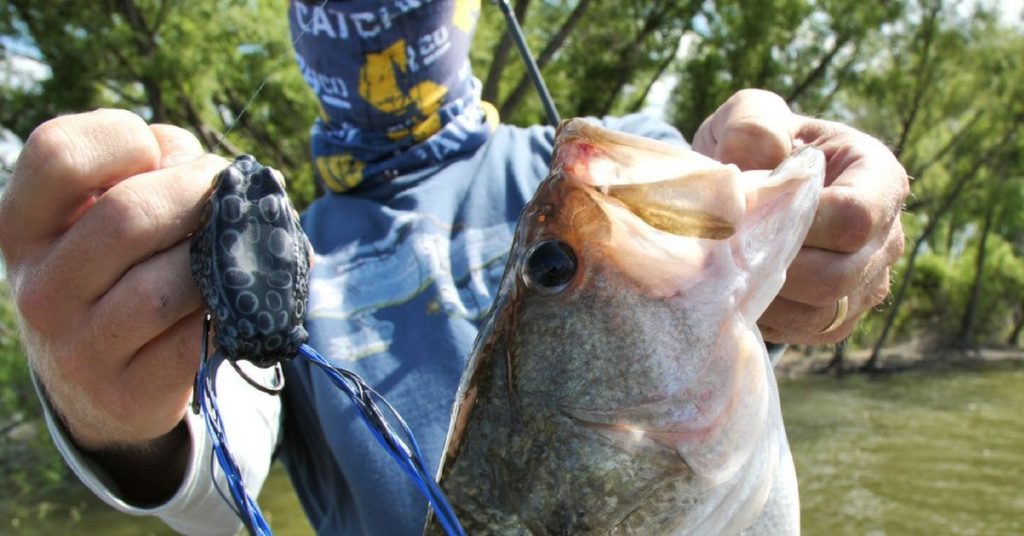
If you want to catch more bass and add excitement to your fishing trips, using a frog lure is a game-changer. This lure mimics the natural movement of a frog, making it irresistible to bass hiding in the weeds or near the water’s surface.
But to truly master fishing with a frog lure, you need the right techniques and tips. You’ll discover exactly how to cast, retrieve, and hook bass like a pro using a frog lure. Get ready to boost your catch and enjoy the thrill of bass fishing like never before!
Choosing The Right Frog Lure
Using a frog lure can help catch bass near the water surface. Picking the right lure type, size, and color affects your success. Understanding these factors helps you fish better.
This guide explains how to choose frog lures by type, size, color, and material. Each factor plays a role in attracting bass effectively.
Topwater Vs Hollow Body Frogs
Topwater frogs sit on the water surface and create ripples. Hollow body frogs float with a soft body that moves naturally. Both lure types work well for bass, but each has different uses.
Topwater frogs are good for calm water and open areas. Hollow body frogs work well in thick weeds and cover. Choose the type based on where you plan to fish.
Size And Color Selection
Size and color affect how bass see your lure. Matching the lure to local frogs and prey helps attract fish. Use these tips for better choices:
- Pick small frogs (2 to 3 inches) for clear water.
- Use larger frogs (3 to 4 inches) in murky water.
- Match colors to local frogs or insects.
- Bright colors work well in low light or stained water.
- Natural colors suit clear water and sunny days.
Material And Durability
| Material | Durability | Best Use |
| Soft Foam | Medium | Quiet water, gentle retrieves |
| Rubber | High | Heavy cover, rough conditions |
| Plastic | High | Open water, long casts |
Choose durable materials for tough fishing spots. Soft foam feels natural but tears easily. Rubber and plastic last longer but may create more noise. Match material to your fishing style.

Credit: www.lurenet.com
Essential Gear For Frog Fishing
Frog fishing for bass is an exciting way to catch fish. Using the right gear is important for success.
In this guide, we will look at the essential gear you need. This includes your rod and reel, line choices, and other accessories.
Rod And Reel Setup
A strong rod and reel setup is key for frog fishing. You need a rod that can handle heavy cover and a reel with a good drag system.
- Use a medium-heavy to heavy rod for strength.
- Choose a fast-action tip for quick hook sets.
- Select a baitcasting reel for better control.
Line And Leader Choices
Your line and leader choices affect your success. Strong lines help you pull bass out of thick cover.
| Type | Suggested Use |
| Braided Line | Best for thick vegetation |
| Fluorocarbon Leader | Use for clear water |
Additional Accessories
Having the right accessories can make frog fishing easier. Consider these items for your fishing trip.
- Fishing pliers to remove hooks easily.
- A landing net to safely bring in your catch.
- Polarized sunglasses to see fish in the water.
Best Locations To Use Frog Lures
Frog lures work best in specific areas where bass like to hide. These lures mimic frogs, which bass often eat. Knowing the right spots helps you catch more fish.
Look for places with cover and shallow water. Bass feel safe and wait there for prey. Below are three good locations to try your frog lure.
Weedy And Shallow Areas
Weedy and shallow parts of lakes or ponds are great for frog lures. Bass hide in the weeds to ambush prey. Cast your lure slowly over these spots.
- Look for patches of submerged weeds
- Try near shorelines with shallow water
- Fish early morning or late evening for best results
Lily Pads And Vegetation
Lily pads and floating plants are top hiding places for bass. These areas let bass strike quickly. Cast your frog lure right on the pads or near their edges.
| Vegetation Type | Why Use Frog Lure |
| Lily Pads | Bass wait under pads for food |
| Floating Leaves | Good cover for ambush |
| Dense Aquatic Plants | Safe spots for bass to hide |
Stumps And Floating Debris
Stumps and floating wood provide shelter and food sources for bass. These spots attract frogs too. Use your frog lure near these objects for a better catch.
Try these tips near stumps and floating debris:
- Cast close to the base of stumps
- Retrieve lure slowly to mimic a frog
- Watch for splash or movement near debris
Effective Casting Techniques
Fishing with a frog lure for bass requires precise casting. Good casting helps place the lure where bass like to hide. Learning some simple techniques can improve your catch rate.
Focus on accuracy and timing to make your casts more effective. Avoiding snags keeps your lure in the water longer and saves time.
Accurate Targeting
Accurate targeting means placing your frog lure close to bass hiding spots. Look for cover like lily pads, logs, and weed edges. Cast near these areas without landing directly on them.
- Aim just beyond the cover to let the lure float in naturally.
- Use gentle, controlled casts for better accuracy.
- Adjust your aim based on wind and water conditions.
- Practice casting to small targets to improve precision.
Timing Your Casts
Timing your casts well can increase your chances of catching bass. Cast during low light times like early morning or late evening. Bass are more active then and likely to strike.
| Time of Day | Best Casting Tip |
| Early Morning | Cast slowly near vegetation |
| Midday | Use short, accurate casts |
| Late Evening | Cast often to stay active |
Avoiding Snags
Snags can stop your lure and waste fishing time. Use a frog lure designed to resist hooks catching on weeds. Watch your line closely to spot potential snags early.
- Cast beyond heavy vegetation to reduce snags.
- Use a smooth retrieve to keep the lure moving.
- Lift your rod tip to free the lure if it gets stuck.
- Choose a strong fishing line to handle snags without breaking.
Retrieval Methods That Work
Fishing with a frog lure is fun and effective for catching bass. How you retrieve the lure changes the bass response.
Different retrieval styles work better in various water and weather conditions. Try these three ways to fish your frog lure.
Popping And Pausing
Start by giving your frog lure a sharp pop with your rod tip. This makes a splash that attracts bass.
After popping, pause for a few seconds. The frog stays still, and bass often strike during this pause.
- Pop the lure to create noise and water disturbance
- Pause to let bass approach and strike
- Repeat the pop and pause to keep bass interested
Walking The Frog
This technique makes the frog lure move side to side on the water surface. It looks like a real frog hopping.
To walk the frog, twitch your rod tip gently while reeling in slowly. The lure will zigzag across the water.
- Use small rod twitches to create side-to-side action
- Keep the lure on the surface to mimic a frog
- Maintain a steady but slow retrieve speed
Slow And Steady Retrieve
A slow, smooth retrieve can fool bass into thinking the frog is easy prey. This works well in calm water.
Keep your rod tip low and reel in steadily. Avoid fast or jerky movements to keep the frog moving naturally.
- Reel in slowly without stopping
- Keep the frog lure moving smoothly on the surface
- Use this when bass are less active or water is calm
Credit: www.youtube.com
Hook Setting And Fighting Bass
Using a frog lure to catch bass is fun and effective. Setting the hook right and handling the fish carefully increases your catch rate.
This guide explains how to recognize strikes, set the hook properly, and fight bass in heavy cover.
Recognizing Strikes
Bass hit frog lures in many ways. Sometimes they slap the lure or swim away quietly. Watch your line closely.
Common signs of a strike include sudden line movement or a small tug. Be patient but ready to react fast.
Proper Hook Set
Set the hook with a firm, quick upward motion. Avoid jerking too hard or too soft. The goal is to embed the hook in the bass’s mouth.
Keep your rod tip high and your line tight. This reduces slack and helps the hook stay set during the fight.
Playing Fish In Heavy Cover
Bass love to hide in weeds and logs. Use a strong rod and braided line to pull fish out safely. Keep steady pressure to avoid losing them.
- Keep your rod tip up to prevent snagging
- Use side pressure to steer fish away from cover
- Be patient and let the fish tire before reeling in
Tips For Fishing In Different Conditions
Fishing with a frog lure can be very effective if you adjust your approach. Different water and weather conditions affect bass behavior. Understanding these changes helps you catch more fish.
Use the right techniques and tactics for clear or murky water, changing weather, and different seasons. This guide gives simple tips to improve your success with frog lures.
Fishing In Clear Vs Murky Water
Clear water lets bass see well, so use natural-colored frog lures. Move your lure slowly to avoid spooking fish. In murky water, use brighter or darker frog colors to help bass find it. Make louder splashes to attract attention.
- Clear water: Use green, brown, or white frog lures.
- Murky water: Use black, chartreuse, or bright colors.
- Clear water: Move lure gently and slowly.
- Murky water: Use fast, splashy movements.
- Clear water: Fish near visible cover like lily pads.
- Murky water: Focus on areas with strong bass scent trails.
Adjusting For Weather Changes
Weather affects bass activity and where they hide. On sunny days, bass stay near shade and cover. Use calm, slow frog movements in these spots. On windy or cloudy days, bass roam more and chase faster lures.
| Weather | Bass Behavior | Frog Lure Tip |
| Sunny | Hide in shade and cover | Slow, gentle retrieves near cover |
| Cloudy | More active, roam freely | Use faster, splashy movements |
| Windy | Feed near wind-blown shorelines | Cast to edges and retrieve quickly |
| Rainy | Feed near surface and cover | Use popping actions with frog lure |
Seasonal Strategies
Bass change habits with the seasons. In spring, bass move to shallow water to spawn. Summer bass hide in deep cover. Fall bass feed heavily before winter. Winter bass stay deep and slow.
- Spring:Cast near weeds and shallow areas.
- Summer:Fish in shaded, deep spots with slow retrieves.
- Fall:Use faster retrieves near open water and edges.
- Winter:Fish slowly in deep water with subtle frog action.

Credit: www.youtube.com
Common Mistakes And How To Avoid Them
Fishing with a frog lure can be fun and effective for catching bass. Many anglers make simple mistakes that reduce their success. Avoiding these errors can improve your fishing experience.
Here are common mistakes and tips to help you fish better with a frog lure.
Overworking The Lure
Moving the frog lure too much makes it look unnatural. Bass may ignore a lure that moves too fast or too erratically. Slow, steady pulls work best to imitate a real frog.
Give the lure time to sit still after each pull. This pause helps bass notice the lure and strike.
- Use short, gentle twitches instead of fast jerks
- Pause for a second or two between movements
- Watch how the frog moves and adjust your speed
Ignoring Line Management
Bad line control can cause missed catches and tangled lines. Too much slack makes it hard to feel bites. Too tight can scare the fish away.
Keep your line tight but not stretched. This balance helps you detect bites early and set the hook properly.
- Check your line often for tangles or damage
- Keep the line tight when retrieving the lure
- Use a braided line for better sensitivity and strength
Neglecting Safety Precautions
Frog lures have sharp hooks that can cause injuries. Ignoring safety can lead to accidents while casting or handling fish. Always be careful with your lure and surroundings.
Wear protective gear and stay alert to avoid harm to yourself and others nearby.
- Wear sunglasses to protect your eyes from hooks
- Keep a safe distance from other anglers
- Use pliers to remove hooks from fish safely
- Check your equipment for damaged or loose hooks
Frequently Asked Questions
What Is The Best Frog Lure For Bass Fishing?
The best frog lure mimics a real frog’s movement and color. Choose hollow-bodied, weedless designs for easy topwater fishing in heavy cover.
How Do You Retrieve A Frog Lure For Bass?
Use a slow, steady retrieve with occasional pauses. Twitch the lure to mimic a frog’s natural hopping motion and attract bass strikes.
When Is The Ideal Time To Fish With A Frog Lure?
Early morning and late evening are ideal times. Bass are more active near surface waters during low light conditions for frog fishing.
What Water Conditions Suit Frog Lure Bass Fishing?
Frog lures work best in calm, shallow waters with heavy vegetation. Bass hide in lily pads, weeds, or grassy areas, making frog lures effective.
Conclusion
Fishing with a frog lure can bring great fun and good catches. Cast your lure near lily pads and shallow water. Use slow, steady movements to mimic a real frog. Watch for bass strikes and be ready to set the hook.
Practice helps you learn the best rhythm and spots. Enjoy the challenge and the thrill of this fishing style. Give it a try on your next bass trip. You might find it becomes your favorite way to fish.