
If your radiator isn’t heating up like it used to, it might be time for a flush. Flushing a radiator with a garden hose is a simple, cost-effective way to clear out dirt and buildup that block the flow of water.
You don’t need to be a mechanic or spend a fortune on repairs. In this guide, you’ll learn exactly how to flush your radiator safely and effectively using tools you probably already have. Keep reading, and you’ll save money while making sure your car runs cooler and smoother.

Credit: www.amazon.com
Tools And Materials Needed
Flushing a radiator with a garden hose requires a few simple tools. Getting these ready helps the process go smoothly.
This guide lists what you need before starting to flush your radiator safely and effectively.
Garden Hose And Adapter
You will need a garden hose to flush out debris and old coolant from the radiator. An adapter helps connect the hose securely to the radiator drain valve.
- Standard garden hose, at least 25 feet long
- Hose adapter that fits the radiator drain valve
- Water source with good pressure
Bucket And Towels
A bucket catches drained coolant and water. Towels clean up spills and protect surfaces from liquid damage.
| Item | Purpose |
|---|---|
| Bucket | Collects drained radiator fluid |
| Old Towels | Absorb spills and keep area clean |
| Rags | Wipe radiator parts and hands |
Protective Gear
Wear protective gear to keep safe from hot water and chemicals. Use gloves and eye protection during the flush.
- Rubber gloves to protect your hands
- Safety goggles to shield your eyes
- Old clothes or apron to avoid stains
Credit: www.familyhandyman.com
Preparing The Radiator
Flushing a radiator helps keep your engine cool and running well. Before you start, you need to prepare the radiator properly. This ensures safety and makes the process easier.
Follow these steps to get your radiator ready for flushing with a garden hose.
Turning Off The Engine
Always turn off the engine before working on the radiator. This stops the engine from running and reduces the risk of burns. Make sure the key is out of the ignition.
Check that all dashboard lights are off. This shows the engine is fully off and safe to touch.
Allowing The Radiator To Cool
Let the radiator cool down completely before you start flushing. Hot coolant can cause serious burns. Wait at least 30 minutes or until the radiator feels cool to touch.
- Check the radiator cap for heat
- Do not open the cap if it feels hot
- Wait longer if the engine was recently running hard
Locating The Drain Valve
Find the drain valve at the bottom of the radiator. This valve lets coolant flow out during the flush. It is usually a small knob or screw.
Check your vehicle manual if you cannot find it easily. Knowing its exact location saves time and prevents spills.
Draining The Old Coolant
Flushing a radiator is key to maintaining your car’s cooling system. Draining the old coolant is the first step in this process. Using a garden hose will help make this task easier and more efficient.
Before you start, gather all necessary tools and materials. This includes a bucket, a garden hose, and protective gloves.
Positioning The Bucket
Place a large bucket beneath the radiator drain valve. This will catch the old coolant as it drains out. Ensure the bucket is stable and can hold the liquid without spilling.
- Locate the radiator drain valve.
- Position the bucket directly underneath.
- Ensure the bucket is on a flat surface.
Opening The Drain Valve
Next, carefully open the drain valve. This allows the old coolant to flow out into the bucket. Use a wrench if the valve is tight, but be gentle to avoid damage.
Removing The Radiator Cap
After the coolant has drained, remove the radiator cap. This step ensures there is no remaining pressure in the system. Be cautious, as the engine may be hot.
| Task | Reason |
| Remove the cap slowly | Release pressure |
| Wait for engine to cool | Prevent burns |
| Check coolant level | Ensure complete drainage |
Flushing With The Garden Hose
Flushing a radiator with a garden hose helps clear out dirt and rust. This process improves heat flow and extends the radiator’s life.
Use clean water and follow safety steps to avoid damage. This guide explains how to flush a radiator using a garden hose safely.
Connecting The Hose To The Radiator
First, find the radiator’s drain valve or petcock at the bottom. Remove the radiator cap to let air flow.
- Turn off the heating system and let the radiator cool down.
- Attach one end of the garden hose to the drain valve.
- Place the other end where water can safely drain.
- Use a wrench if needed to tighten the hose connection.
Running Water Through The Radiator
Turn on the water slowly to avoid pressure buildup. Let the water flow through the radiator until it runs clear.
- Open the drain valve fully to allow water out.
- Run water through the hose into the radiator.
- Watch for debris or rust coming out of the drain.
- Keep flushing until the water looks clean.
Checking For Clear Water Flow
After flushing, check if the water runs clear. This shows the radiator is clean inside.
| Water Condition | Meaning |
| Clear and free of debris | Radiator is clean and ready to use |
| Cloudy or rusty water | Continue flushing until clear |
| Low water flow | Check for blockages or hose connection |
Refilling The Radiator
After flushing your radiator with a garden hose, you need to refill it properly. Refilling ensures your engine stays cool and runs smoothly.
Follow these steps carefully to avoid leaks and air pockets in the cooling system.
Closing The Drain Valve
First, close the drain valve at the bottom of the radiator. This stops water from leaking out when you refill the radiator.
Make sure the valve is tight but do not force it. A loose valve can cause coolant to leak later.
Adding New Coolant
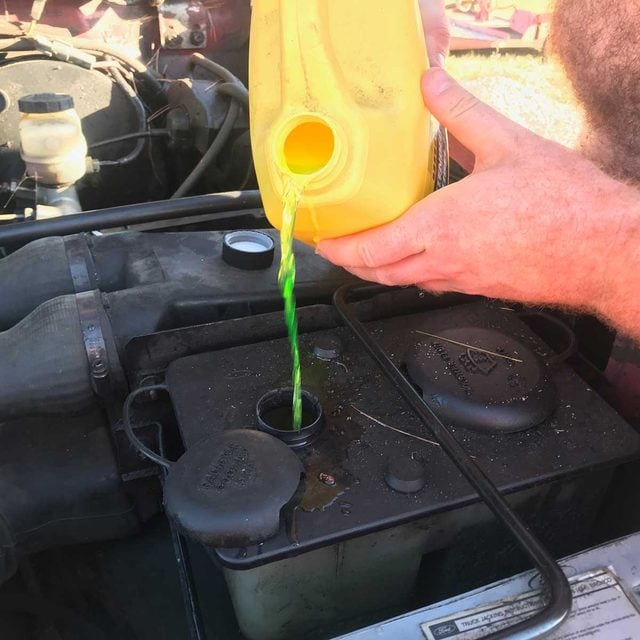
Pour the correct type of coolant into the radiator slowly. Use a mix of coolant and water if recommended by your vehicle manual.
Fill the radiator until the coolant reaches the top. Also, fill the overflow reservoir to the marked level.
- Use the right coolant type for your car
- Mix coolant and water if needed
- Fill the radiator slowly to avoid spills
- Check the overflow reservoir level
Bleeding Air From The System
Air trapped in the cooling system can cause overheating. Bleed the air out by opening the bleed valve if your car has one.
Run the engine with the radiator cap off until bubbles stop appearing. This means air is out and coolant fills the system.
- Locate the bleed valve on the radiator or hose
- Open it slightly to release air
- Run the engine with the radiator cap off
- Close the bleed valve when bubbles stop
- Replace the radiator cap securely

Credit: www.amazon.com
Post-flush Checks
After flushing the radiator with a garden hose, it is important to perform some checks. These checks help make sure your cooling system works well.
Skipping these steps can cause problems like leaks or engine overheating later on.
Inspecting For Leaks
Look around the radiator and hoses for any signs of leaking coolant. Check under the vehicle for puddles or wet spots.
Leaks can happen if a hose clamp is loose or if there is damage from the flushing process. Fix leaks before using the car.
- Check hose connections and clamps
- Look for cracks or holes on hoses
- Inspect the radiator core and seams
- Check for coolant drips under the car
Monitoring Engine Temperature
Start the engine and watch the temperature gauge on the dashboard. It should stay within the normal range.
Overheating can mean there is still air trapped in the system or a blockage inside the radiator.
- Run the engine until it reaches normal temperature
- Check that the temperature gauge does not rise too high
- Listen for unusual noises from the radiator or water pump
- If overheating occurs, check coolant levels and bleed air from the system
Disposing Of Old Coolant Safely
Old coolant contains harmful chemicals and must not be poured down drains or on the ground. Dispose of it properly.
Many auto shops or recycling centers accept used coolant for safe disposal. Use a sealed container to transport it.
- Collect old coolant in a clean, leak-proof container
- Do not mix coolant with other fluids
- Take it to a local recycling or hazardous waste center
- Follow local laws for coolant disposal
Tips For Effective Radiator Flushing
Flushing a radiator with a garden hose helps keep it clean and working well. This process removes dirt and rust that build up inside over time. Doing it right saves your radiator from damage and improves heating.
Knowing when and how to flush your radiator is key. Using the right products and knowing when to ask for help will make this task easier and safer.
Frequency Of Flushing
How often you flush your radiator depends on the type of radiator and the water quality. A good rule is to flush once a year for most home radiators. Older radiators may need flushing twice a year.
- If your heating feels less warm, it may be time to flush.
- Check for rust or sludge inside the radiator when possible.
- Flush more often if your water has high mineral content.
- Always flush before the heating season starts to ensure efficiency.
Using Radiator Flush Products
Radiator flush products help break down rust and sludge inside. Use these products as directed to avoid damage. Mix the product with water before pouring it into the radiator.
| Product Type | Purpose | Use Tip |
| Chemical Flush | Breaks down heavy rust and scale | Follow timing instructions carefully |
| Detergent Flush | Removes light dirt and grease | Use before chemical flush for best results |
| Neutralizer | Stops chemical action after flushing | Rinse thoroughly after use |
When To Seek Professional Help
Some radiator problems need expert care. If you see leaks or cracks, call a professional. Also, if flushing does not improve heating, you may have a bigger issue.
- Radiator leaks or damaged valves
- Persistent overheating or cold spots
- Unusual noises during heating
- Difficulty flushing due to blocked pipes
Frequently Asked Questions
How Do I Flush A Radiator With A Garden Hose?
To flush a radiator, first turn off the heating system. Disconnect the radiator and attach a garden hose to its valve. Run water through the radiator until it runs clear. This removes sludge and debris, improving heating efficiency.
How Often Should I Flush My Radiator?
Flush your radiator every 2 to 3 years. Regular flushing prevents sludge buildup and maintains heating performance. If you notice uneven heating or noises, consider flushing sooner to avoid damage.
Can I Use Tap Water To Flush A Radiator?
Yes, tap water is suitable for flushing a radiator. However, using demineralized or distilled water is better to prevent mineral deposits. Always flush until the water runs clear to ensure thorough cleaning.
What Safety Precautions Should I Take When Flushing?
Turn off the heating system and let the radiator cool. Wear gloves and protective eyewear to avoid injury. Ensure the area is well-ventilated and have a bucket ready to catch water during flushing.
Conclusion
Flushing a radiator with a garden hose keeps your engine cool and running well. It helps remove dirt and rust inside the radiator. Clean radiators stop overheating and improve car performance. Always follow safety steps and use the right tools.
Take your time and be careful during the flush. Doing this regularly saves money on repairs later. A simple flush makes your car last longer. Try it yourself and see the difference it makes.