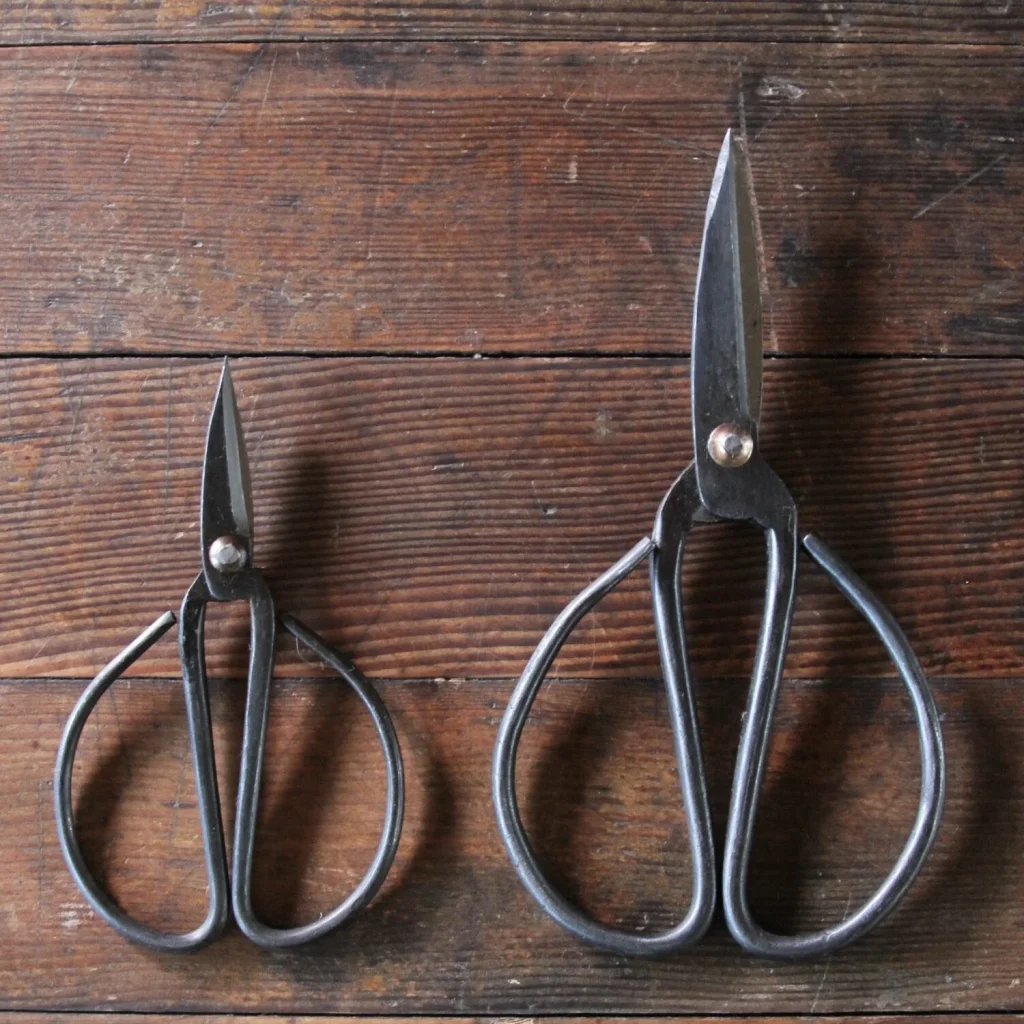
Have you ever wondered how cast shears, those powerful tools that cut through tough materials, are made? Understanding the process behind their creation can give you a new appreciation for the strength and precision they offer.
You’ll discover the step-by-step journey from raw materials to the finished product. Whether you use cast shears in your work or are simply curious, this inside look will reveal the craftsmanship and technology involved. Keep reading to uncover the secrets behind making cast shears that stand the test of time.
Credit: www.madeon23rd.com
Raw Materials Selection
Selecting the right raw materials is key to making strong cast shears. The quality of metals affects their sharpness and durability.
Manufacturers carefully choose metals that provide the best balance of hardness and toughness for cutting tools.
Types Of Metals Used
Cast shears are made from different metals depending on their use. Common metals include carbon steel, stainless steel, and alloy steel.
- Carbon Steel:Offers high hardness and sharp edges.
- Stainless Steel:Resists rust and corrosion for longer life.
- Alloy Steel:Combines metals for extra strength and wear resistance.
Quality Standards
| Standard | Description | Importance |
| ISO 9001 | Ensures consistent quality management in manufacturing. | Maintains product reliability and safety. |
| ASTM A681 | Specifies chemical and mechanical properties of tool steels. | Guarantees metal hardness and durability. |
| RoHS | Limits harmful substances in materials. | Protects users and the environment. |

Credit: www.amazon.com
Design And Engineering
Cast shears are essential tools in many industries. Their design and engineering require precision and expertise. Understanding the creation process helps appreciate their quality.
The process begins with careful planning and designing. Engineers focus on functionality and durability. Let’s explore the key steps involved in making cast shears.
Blueprint Creation
Blueprints are the first step in designing cast shears. They serve as detailed guides for the manufacturing process. Engineers use them to outline every part of the shear.
Blueprints must be accurate and clear. They include dimensions, materials, and specific angles. This ensures that every shear is made to exact standards.
- Dimensions define the size of each component
- Materials list specifies what to use
- Angles ensure proper cutting performance
Cad Modeling
Computer-Aided Design (CAD) modeling brings blueprints to life. Engineers create 3D models to visualize the shears. This helps in identifying any potential issues early on.
CAD models allow for simulation of real-world usage. Engineers can test the shears’ performance virtually. This step ensures that the final product will work as intended.
| Blueprints | Guide the design process |
| CAD Models | Simulate real-world use |
Casting Process
The casting process is key to making cast shears. It shapes the metal into strong, useful tools.
This process uses molds and melted metal to create the parts of the shears.
Mold Preparation
Molds form the shape of the cast shears. They must be clean and ready before casting.
Sand or metal molds are common. The mold design matches the shear parts exactly.
- Clean the mold to remove dust and debris
- Apply a release agent to ease metal removal
- Assemble mold parts tightly to avoid leaks
Metal Melting
Metal is heated until it melts. This creates a liquid that can fill the mold.
Common metals for shears include steel or iron. The temperature must be very high to melt them.
- Use a furnace to heat the metal
- Monitor temperature for correct melting
- Remove impurities from the molten metal
Pouring And Solidification
The molten metal is poured into the mold. It fills the shape of the shears.
After pouring, the metal cools and hardens. This creates a solid shear part.
- Pour metal steadily to avoid air pockets
- Let the metal cool fully inside the mold
- Open the mold carefully to remove the casting
- Trim and finish the cast part as needed
Machining And Finishing
Cast shears start as rough metal shapes. Machining and finishing make them precise and sharp. These steps improve their strength and usability.
Two key processes are CNC machining and grinding with polishing. Each step shapes and refines the shears for best performance.
Cnc Machining
CNC machines cut and shape the cast metal using computer controls. This method ensures exact dimensions and smooth edges. It removes extra metal from the cast parts.
- Metal blocks are fixed into the CNC machine
- Cutters carve the metal according to designs
- Precision tools measure to keep tight tolerances
- Different cutters handle rough and fine cuts
- Parts are cleaned after machining
Grinding And Polishing
Grinding removes small burrs and sharp spots left from machining. Polishing smooths surfaces and adds shine. This step protects the metal and improves cutting edges.
| Process | Purpose | Tools Used |
| Grinding | Remove rough spots and burrs | Grinding wheels, belts |
| Polishing | Smooth surface and add shine | Polishing pads, compounds |
| Inspection | Check finish quality and sharpness | Visual checks, gauges |
Heat Treatment
Heat treatment is a key step in making cast shears. It changes the metal to make it stronger and harder.
This process helps the shears last longer and cut better by improving their toughness and sharpness.
Hardening Techniques
Hardening makes the metal very hard and resistant to wear. The metal is heated to a high temperature until it is red hot.
After heating, the metal cools quickly by dipping it in water or oil. This fast cooling changes the metal’s structure.
- Heating temperature is usually around 800 to 900°C (1472 to 1652°F)
- Quenching in water cools the metal very fast
- Quenching in oil cools the metal a bit slower
- Faster cooling results in harder metal
Tempering Process
Tempering follows hardening to reduce brittleness. The metal is heated again but at a lower temperature.
This makes the metal less likely to crack while keeping its strength and hardness.
- Temper temperature ranges from 150 to 300°C (302 to 572°F)
- Heating time depends on metal size and type
- Tempering balances hardness and toughness
- Proper tempering extends the shear’s life
Assembly And Quality Control
The making of cast shears involves careful assembly and strict quality control. These processes ensure the shears work well and last long.
Each part must fit perfectly, and every shear undergoes detailed checks before it reaches users.
Component Fitting
During assembly, parts like blades, handles, and springs are joined precisely. Workers check that each piece fits tightly and moves smoothly.
- Blades are aligned to cut cleanly without gaps.
- Handles are attached firmly for a comfortable grip.
- Springs are set to provide the right tension.
- Screws and pins secure parts without looseness.
Inspection Procedures
After fitting, every shear goes through tests to confirm quality. Inspectors look for defects and check performance.
| Inspection Type | What is Checked | Purpose |
|---|---|---|
| Visual Check | Surface finish and assembly neatness | Detect scratches, cracks, or loose parts |
| Cutting Test | Blade sharpness and alignment | Ensure clean and efficient cutting |
| Spring Tension Test | Force needed to open and close shears | Confirm ease of use and safety |
| Durability Test | Repeated cutting cycles | Verify long-term performance |
Packaging And Distribution
Cast shears need careful packaging to stay safe during shipping. Proper packing helps avoid damage and keeps the blades sharp.
Distribution ensures the shears reach stores or customers quickly and in good condition. It involves choosing the right shipping options.
Protective Packaging
Protective packaging uses strong materials to guard cast shears from impact. This keeps the shears from bending or breaking.
Packaging often includes foam inserts or molded plastic trays. These hold each shear firmly in place to stop movement inside the box.
- Thick cardboard boxes for outer protection
- Foam padding around the blades and handles
- Plastic covers to protect sharp edges
- Water-resistant wrapping to prevent rust
Shipping Methods
Choosing the right shipping method is key to safe and timely delivery. Some methods are faster, while others cost less.
Common shipping options include ground transport, air freight, and courier services. Each suits different needs and distances.
- Ground shipping for local or regional delivery
- Air freight for fast, long-distance shipping
- Courier services for small or urgent orders
- Freight shipping for large bulk orders

Credit: misen.com
Frequently Asked Questions
What Materials Are Used To Make Cast Shears?
Cast shears are typically made from high-quality steel alloys. These materials provide strength, durability, and resistance to wear. Steel is melted and poured into molds to form the shear shape. Heat treatment processes enhance hardness and toughness for effective cutting performance.
How Is The Casting Process Done For Cast Shears?
The casting process involves melting steel and pouring it into precision molds. The molten metal solidifies into the desired shear shape. After cooling, the castings undergo cleaning and finishing. This method ensures uniformity and structural integrity in the final product.
What Finishing Steps Improve Cast Shears’ Performance?
After casting, cast shears are machined to exact dimensions. Heat treatment increases hardness and wear resistance. Surface grinding and polishing enhance cutting edges. These steps ensure the shears perform efficiently and last longer in heavy-duty applications.
Why Is Heat Treatment Important For Cast Shears?
Heat treatment strengthens cast shears by altering the steel’s microstructure. It increases hardness and toughness, improving cutting ability. This process also reduces brittleness, making the shears more durable and resistant to cracking during use.
Conclusion
Making cast shears involves careful steps and strong materials. Each part is shaped and joined to create a sturdy tool. Quality checks ensure the shears work well and last long. Understanding this process helps appreciate the skill behind these tools.
Cast shears combine metal casting and precise assembly. This makes them reliable for cutting tasks. Now, you know how cast shears come to life.