Are weeds taking over your garden no matter how hard you try to stop them? You might have heard about using landscape fabric to keep those pesky plants at bay.
But can you put landscape fabric over existing weeds and expect it to work? If you want a simple, effective way to protect your garden and save time on maintenance, this question is crucial. Keep reading, because what you learn here could change the way you handle weeds forever—and help your garden thrive like never before.
Credit: www.vevor.ca
Benefits Of Landscape Fabric
Landscape fabric is a useful tool for gardeners. It helps manage weeds and improve soil conditions.
Placing landscape fabric over weeds can offer many benefits for your garden’s health and look.
Weed Suppression
Landscape fabric blocks sunlight from reaching weed seeds. This stops many weeds from growing.
It creates a barrier that makes it harder for weeds to push through the soil.
- Reduces the need to pull weeds by hand
- Limits weed growth without chemicals
- Helps keep garden beds clean
Soil Moisture Retention
Landscape fabric helps keep water in the soil. It reduces evaporation from the sun and wind.
This keeps plants hydrated longer and lowers the need for frequent watering.
- Keeps soil moist during dry days
- Supports healthy plant growth
- Reduces water waste
Improved Garden Appearance
Using landscape fabric makes your garden look neat and tidy. It keeps weeds from growing through mulch.
It creates clean edges and helps mulch stay in place for a polished look.
- Prevents messy weed patches
- Keeps mulch stable and even
- Makes garden beds look well cared for

Credit: www.heirloomsoul.com
Types Of Weeds And Their Growth
Weeds grow in many ways and can be hard to control. They compete with plants for water and nutrients.
Knowing the types of weeds helps you decide if landscape fabric will work over them. Some weeds grow fast and die quickly. Others come back year after year.
Annual Vs. Perennial Weeds
Annual weeds live for one growing season. They grow from seeds, spread quickly, and die at the end of the season.
Perennial weeds live for many years. They grow back from roots or underground parts, even after cutting or pulling.
- Annual weeds:Crabgrass, Chickweed, Pigweed
- Perennial weeds:Dandelions, Bindweed, Clover
Weeds Resistant To Fabric
Some weeds can grow through or around landscape fabric. They have strong roots or can push through small gaps.
These resistant weeds need extra care to stop them from spreading under the fabric.
- Bindweed: Sends deep roots and shoots through fabric
- Dandelions: Strong taproots break fabric layers
- Clover: Can grow around edges and openings
- Grass species: Thin shoots push through small holes
Preparing The Area Before Installation
Landscape fabric helps control weeds in your garden. Proper preparation is key to its success.
Follow these steps to prepare your area before installing landscape fabric over weeds.
Clearing Existing Weeds
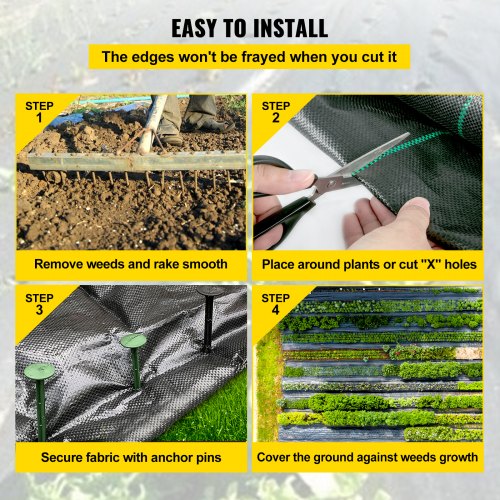
Remove all visible weeds from the area. This prevents them from growing under the fabric.
Use a garden hoe or hand tools to pull weeds. Make sure to get the roots.
- Wear gloves to protect your hands
- Dispose of weeds away from your garden
- Check for any remaining weed roots
Soil Preparation Tips
Prepare the soil to ensure the fabric lays flat. This helps prevent weeds from growing.
Rake the soil to remove rocks and debris. This creates a smooth surface.
- Level the soil with a rake
- Water the soil lightly for easy leveling
- Let the soil dry before laying fabric
Installing Landscape Fabric Over Weeds
Landscape fabric helps control weeds and keeps your garden tidy. You can place it over weeds to block sunlight. This stops weeds from growing through the soil.
To get good results, use the right fabric and place it carefully. Securing the fabric well will keep it in place for a long time.
Choosing The Right Fabric
Pick a fabric that lets water and air pass through. This helps plants stay healthy. The fabric should be strong enough to block weeds but thin enough to breathe.
- Look for woven or non-woven polypropylene fabrics
- Avoid plastic sheets that do not allow water flow
- Choose fabric thickness based on weed type and garden needs
- Check for UV resistance to last longer outdoors
Proper Placement Techniques
Clear large weeds before laying fabric. You can cut tall weeds short but remove roots to stop regrowth. Lay the fabric flat over the soil and cover edges well.
| Placement Tip | Why It Matters |
| Remove large weeds first | Prevents fabric from tearing |
| Overlap fabric edges by 6 inches | Stops weeds from growing between seams |
| Cut fabric around plants carefully | Avoids damage and allows growth |
| Cover fabric with mulch | Protects fabric and improves appearance |
Securing The Fabric
Use stakes or pins to hold the fabric tightly. Secure the edges well to stop wind from lifting it. Add mulch on top to keep fabric in place and add soil nutrients.
- Place landscape staples every 12 to 18 inches
- Use heavy stones or bricks along edges if needed
- Check fabric regularly for loose spots
- Replace or fix damaged fabric quickly
Common Mistakes To Avoid
Using landscape fabric over weeds can help control unwanted plants. Yet, some common errors reduce its effectiveness. Avoid these mistakes for better results.
Proper preparation and care make a big difference. Learn what to watch out for before laying fabric in your garden or yard.
Skipping Weed Removal
Placing fabric on top of existing weeds lets them keep growing. This weakens the fabric and allows weeds to break through. Always remove all weeds before installing fabric.
Incorrect Fabric Overlap
Not overlapping fabric edges enough leaves gaps for weeds to grow. The fabric pieces should overlap to block sunlight from reaching the soil. Follow these tips for proper overlap:
- Overlap edges by at least 6 inches
- Use landscape staples to secure overlaps
- Seal seams carefully around garden beds
- Check overlaps regularly for shifts or gaps
Ignoring Fabric Maintenance
Landscape fabric needs upkeep to stay effective. Without maintenance, dirt and debris block fabric pores. This causes water drainage problems and weed growth. Use this simple table to track maintenance tasks:
| Maintenance Task | Frequency | Reason |
| Remove debris and leaves | Monthly | Prevents blockage of water |
| Check fabric for tears | Seasonally | Stops weed growth through holes |
| Re-secure loose fabric edges | As needed | Keeps fabric in place |

Credit: www.amazon.ca
Maintaining Your Landscape Fabric
Landscape fabric helps reduce weeds in your garden or yard. It blocks sunlight to stop weed growth. To keep it working well, you must take care of the fabric over time.
Regular checks and simple fixes can make your landscape fabric last longer. Proper care also keeps your garden neat and healthy.
Checking For Weed Growth
Even with fabric, some weeds may grow through or around the edges. Check your fabric often for any signs of weeds. Early removal stops them from spreading.
Look closely at seams, holes, and the fabric edges. Pull out any weeds by the roots to prevent regrowth.
Repairing Damaged Areas
Fabric can tear or wear out over time. Fix holes or rips quickly to keep weeds from coming through. You can patch small holes with extra fabric pieces.
If damage is large, replace that section of fabric. Secure the edges well to stop weeds from sneaking in.
- Use landscape fabric staples to hold patches
- Cut patches larger than the hole
- Overlap patches by at least 6 inches
Replenishing Mulch
Mulch protects your fabric from sunlight and keeps soil moist. Over time, mulch can thin out or wash away. Add fresh mulch to keep the fabric covered well.
Use a layer 2 to 3 inches thick. Avoid piling mulch too high or it may cause fabric to move or tear.
- Choose mulch that matches your garden style
- Spread mulch evenly over the fabric
- Check mulch depth every few months
Alternatives And Supplements To Fabric
Landscape fabric can help reduce weeds but it is not perfect. Using other methods with fabric can give better results.
Here are some options to use along with or instead of landscape fabric for weed control.
Organic Mulches
Organic mulches like wood chips and straw cover soil and block sunlight. This stops many weeds from growing.
Mulches also help keep soil moist and add nutrients as they break down.
- Wood chips
- Straw or hay
- Compost
- Leaves
Chemical Weed Controls
Chemical weed controls use herbicides to kill or stop weeds. These can work fast but need careful use.
Choose products made for your plants and follow instructions closely to avoid damage.
- Pre-emergent herbicides prevent weed seeds from sprouting
- Post-emergent herbicides kill existing weeds
- Spot-treat weeds to protect nearby plants
Manual Weed Removal
Pulling weeds by hand is simple and effective. It removes weeds before they spread seeds.
Use tools like hoes or weeders to reach roots and make removal easier.
- Pull weeds when soil is moist for easier removal
- Remove roots to prevent regrowth
- Regular weeding keeps the area clean
Long-term Weed Control Strategies
Weeds can quickly take over garden beds and lawns if left unchecked. Using landscape fabric is one way to help control them. Still, for long-term results, combining different methods works best.
Understanding how to manage weeds throughout the year keeps your yard healthy and weed-free. Let’s explore some strategies to use alongside landscape fabric.
Combining Methods
Landscape fabric blocks sunlight and stops many weeds from growing. Pair it with these methods for better control:
- Hand-pull any weeds that grow through or around the fabric.
- Add mulch on top of the fabric to keep it in place and block light.
- Use a natural herbicide on tough weeds to avoid damage to plants.
- Plant ground covers that shade the soil and compete with weeds.
- Regularly check edges and seams where weeds can sneak in.
Seasonal Care Tips
Weed control needs changes with the seasons. Here is a table to guide you on what to do throughout the year.
| Season | Weed Control Task |
| Spring | Lay landscape fabric and mulch; remove winter weeds. |
| Summer | Monitor for new weeds; hand-pull or spot treat. |
| Fall | Clear fallen leaves; repair any torn fabric areas. |
| Winter | Plan for next season; prepare soil under fabric. |
Frequently Asked Questions
Can I Put Landscape Fabric Directly Over Weeds?
It is not recommended to place fabric directly over weeds. Existing weeds can grow through or around the fabric. Properly remove or kill weeds before laying fabric to ensure effective weed control and long-lasting results.
How Does Landscape Fabric Prevent Weed Growth?
Landscape fabric blocks sunlight and air, which weeds need to grow. It acts as a physical barrier, stopping weed seeds from sprouting. However, it works best when combined with mulch and proper garden maintenance.
Will Landscape Fabric Kill Existing Weeds?
No, landscape fabric does not kill weeds. It only prevents new weeds from growing through it. To control existing weeds, manually remove or apply herbicides before installing the fabric.
Can Landscape Fabric Be Used Under Mulch?
Yes, placing landscape fabric under mulch improves weed control. The fabric blocks weeds while mulch retains moisture and adds nutrients. This combination enhances garden health and reduces maintenance.
Conclusion
Putting landscape fabric over weeds can help reduce their growth. But it works best when you remove big weeds first. The fabric blocks sunlight, so new weeds struggle to grow. Still, some weeds might come through small holes or edges.
Regular checking and maintenance keep your garden tidy. Use mulch on top for extra protection and better looks. This way, your garden stays neat and weed-free longer. Simple steps make a big difference in weed control. Try it and see how your garden improves.