
You’ve invested in a good sleeping bag, so why risk ruining it by storing it the wrong way? How you store your sleeping bag can make all the difference in keeping it warm, fluffy, and ready for your next adventure.
If you want to avoid a flat, smelly mess and extend the life of your gear, this guide is for you. Keep reading to discover simple, effective tips that anyone can follow to store a sleeping bag properly and protect your comfort on every trip.

Credit: www.coreequipment.com
Choosing The Right Storage Spot
Storing your sleeping bag properly helps it last longer. The right spot keeps it clean and dry.
Picking a good place avoids damage from moisture and heat. This keeps the insulation fluffy and effective.
Avoiding Damp And Heat
Never store your sleeping bag in damp places like basements or garages. Moisture can cause mold and bad smells.
Keep it away from heat sources such as heaters or direct sunlight. Heat can damage the fabric and insulation.
- Choose dry areas with good air flow
- Avoid storing near radiators or vents
- Never leave it on the floor where moisture collects
Ideal Temperature And Humidity
Store your sleeping bag in a cool place with stable temperature. Extreme heat or cold can harm the material.
Keep humidity levels low. High humidity causes dampness and mold growth inside the bag.
- Ideal temperature is between 50°F and 70°F (10°C to 21°C)
- Humidity should stay below 60%
- Use a breathable storage sack or loose cotton bag
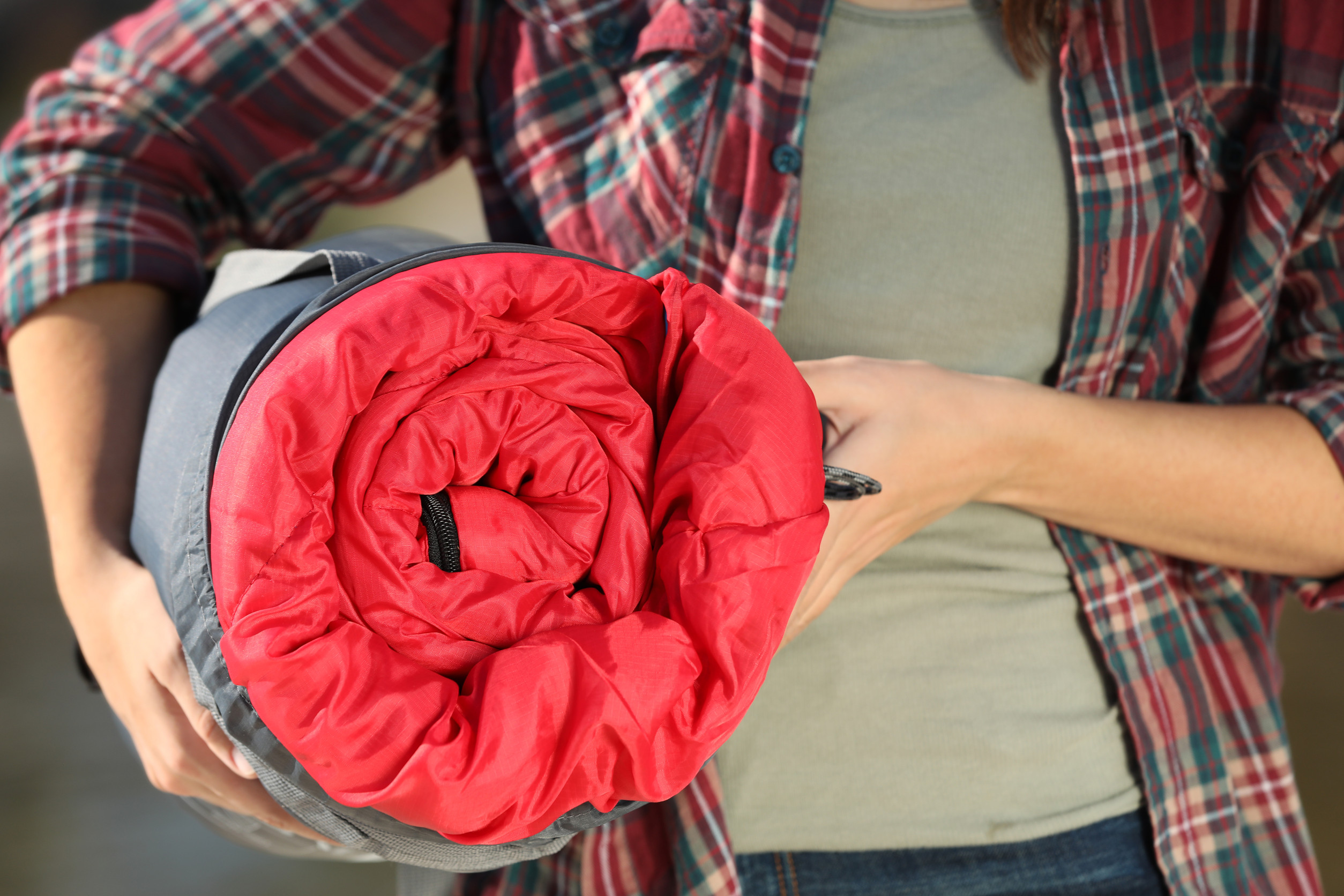
Credit: www.optimistdaily.com
Cleaning Before Storage
Cleaning your sleeping bag before storage keeps it fresh and in good shape. Dirt and oils can damage the fabric over time. Proper cleaning helps your sleeping bag last longer.
Make sure to remove small stains and wash the sleeping bag when needed. This prevents mold and bad smells during storage.
Spot Cleaning Techniques
Spot cleaning removes small stains without washing the whole sleeping bag. It saves time and protects the insulation inside.
Use a mild soap and a soft cloth or sponge. Gently rub the stained area until clean. Avoid soaking the fabric.
- Mix mild soap with water
- Use a soft cloth or sponge
- Gently rub the stain
- Rinse with clean water
- Air dry completely before storing
When To Wash Thoroughly
Wash your sleeping bag fully when it is very dirty or has a strong odor. This keeps it clean and comfortable for your next use.
Follow the care label instructions. Use a front-loading washing machine or wash by hand. Use gentle detergent made for down or synthetic insulation.
- Wash after several uses or heavy dirt
- Use cold or warm water, not hot
- Rinse well to remove all soap
- Dry completely, ideally in a dryer with clean tennis balls
- Store only when fully dry to avoid mold
Proper Drying Methods
Properly drying your sleeping bag is important to maintain its quality. Wet bags can develop mold and lose insulation. Here are effective ways to dry them.
Air Drying Tips
Air drying is a gentle method that helps preserve the fabric and fill of your sleeping bag. Find a suitable spot to hang it.
- Hang the sleeping bag in a shaded, well-ventilated area.
- Avoid direct sunlight to prevent fading and damage.
- Shake the bag occasionally to redistribute the fill.
Using A Dryer Safely
If you choose to use a dryer, ensure you do it safely. This method can be quicker but requires careful settings.
Use a low heat setting to avoid melting synthetic fibers. Add clean tennis balls to the dryer to fluff the sleeping bag while it dries.
| Setting | Recommendation |
| Heat | Low |
| Time | Check every 30 minutes |
| Accessories | Tennis balls |
Folding Vs. Hanging
Storing a sleeping bag properly keeps it in good shape. Two common ways are folding and hanging. Each has its own benefits and drawbacks.
Choosing the right way helps keep your sleeping bag warm and ready for your next trip.
Pros And Cons Of Folding
Folding a sleeping bag saves space. It fits easily in closets or shelves. You can stack it with other gear.
Folding can cause creases. These creases may reduce loft and insulation over time.
- Pros:Saves space, easy to store, keeps bag compact
- Cons:Can create creases, may reduce insulation, may cause wear on fabric
Benefits Of Hanging
Hanging a sleeping bag keeps its shape. It prevents creases and helps maintain loft. The insulation stays fluffy and warm.
Hanging also allows air to circulate. This helps keep the bag dry and fresh over time.
- Maintains loft and insulation
- Prevents creases and damage
- Allows air circulation to keep bag dry
- Extends sleeping bag life
Using Storage Bags
Storing a sleeping bag properly keeps it in good shape. Using the right storage bags helps maintain its loft and warmth.
Choosing the correct bag type is important. Some bags protect better than others.
Breathable Cotton Sacks
Breathable cotton sacks let air flow around the sleeping bag. This stops moisture build-up and bad smells.
Cotton sacks are gentle on the sleeping bag’s insulation. They help keep the bag fluffy and soft.
- Allow air circulation
- Prevent mildew and odors
- Keep insulation from getting crushed
- Are easy to wash
Avoiding Compression Bags
Compression bags squeeze the sleeping bag to save space. This can damage the insulation over time.
Long-term use of compression bags reduces the sleeping bag’s loft. This makes it less warm and less comfortable.
- Do not store the sleeping bag compressed for long
- Use compression bags only for short trips
- Keep the sleeping bag loose when storing at home
- Choose larger, breathable storage sacks instead
Long-term Storage Tips
Properly storing your sleeping bag keeps it in good shape for many trips. Long-term storage needs care to protect the insulation and fabric.
Storing a sleeping bag incorrectly can reduce its warmth and lifespan. Follow simple tips to keep your sleeping bag fresh and fluffy.
Loosely Storing For Loft Preservation
Keep your sleeping bag loose when storing it for a long time. Avoid compressing it in small stuff sacks. This helps the insulation keep its loft.
Use a large cotton or mesh storage sack. These allow air to flow and prevent the fibers from being crushed. Store the bag in a cool, dry place.
- Never store in tight compression bags
- Choose breathable storage sacks like cotton or mesh
- Keep away from direct sunlight and moisture
- Store in a cool, dry area to avoid mildew
Periodic Fluffing And Airing
Take your sleeping bag out every few months. Shake and fluff it to restore the loft and even out the insulation.
Air the bag in a shaded, ventilated spot. This removes moisture and keeps it fresh without damaging the fabric.
- Fluff the sleeping bag by hand or shake gently
- Air it outside but away from direct sun
- Check for damp spots and let dry completely
- Repeat every 3 to 6 months during storage
Protecting From Pests And Mold
Storing your sleeping bag properly keeps it safe from pests and mold. Both can damage the fabric and reduce its warmth. Taking simple steps helps keep your gear fresh and ready to use.
Using natural methods and careful storage reduces the chance of unwanted pests or mold growth. These tips help keep your sleeping bag clean and in good condition.
Natural Repellents
Natural repellents protect your sleeping bag without harsh chemicals. They keep insects and pests away while being safe for your gear.
- Cedar blocks or chips absorb moisture and repel moths.
- Lavender sachets provide a pleasant scent and deter bugs.
- Herbal bags with rosemary or mint keep pests at bay.
- Keep your sleeping bag in a breathable cotton storage sack with these repellents.
Preventing Mold Growth
Mold grows in damp, warm places. Proper drying and storage stop mold from developing in your sleeping bag.
| Action | Reason |
| Dry sleeping bag completely | Stops moisture that causes mold |
| Store in a cool, dry place | Reduces humidity around the bag |
| Use breathable storage sacks | Allows air circulation to prevent dampness |
| Check the bag regularly | Early mold signs can be cleaned immediately |

Credit: www.thespruce.com
Frequently Asked Questions
How Should I Store A Sleeping Bag Long-term?
Store your sleeping bag loosely in a large cotton sack or hang it in a dry, cool place. Avoid compression to maintain loft and insulation. Proper storage prevents damage and extends its lifespan.
Can I Store A Sleeping Bag In A Compression Sack?
No, avoid storing your sleeping bag in a compression sack long-term. Compression damages insulation by flattening loft. Use it only for transport or short periods.
What Is The Best Environment For Sleeping Bag Storage?
Store your sleeping bag in a cool, dry, and dark environment. Avoid damp or humid places to prevent mold and mildew growth. Good ventilation helps keep it fresh.
Should I Clean My Sleeping Bag Before Storing It?
Yes, always clean your sleeping bag before storage. Follow manufacturer instructions for washing and drying. Clean bags store better and last longer without attracting pests.
Conclusion
Proper storage keeps your sleeping bag warm and fresh. Always dry it fully before storing. Use a large, breathable sack or hang it loose. Avoid tight compression bags for long-term storage. This care helps maintain loft and comfort. Your sleeping bag will last longer and stay cozy.
A little effort now saves money later. Ready for your next adventure!