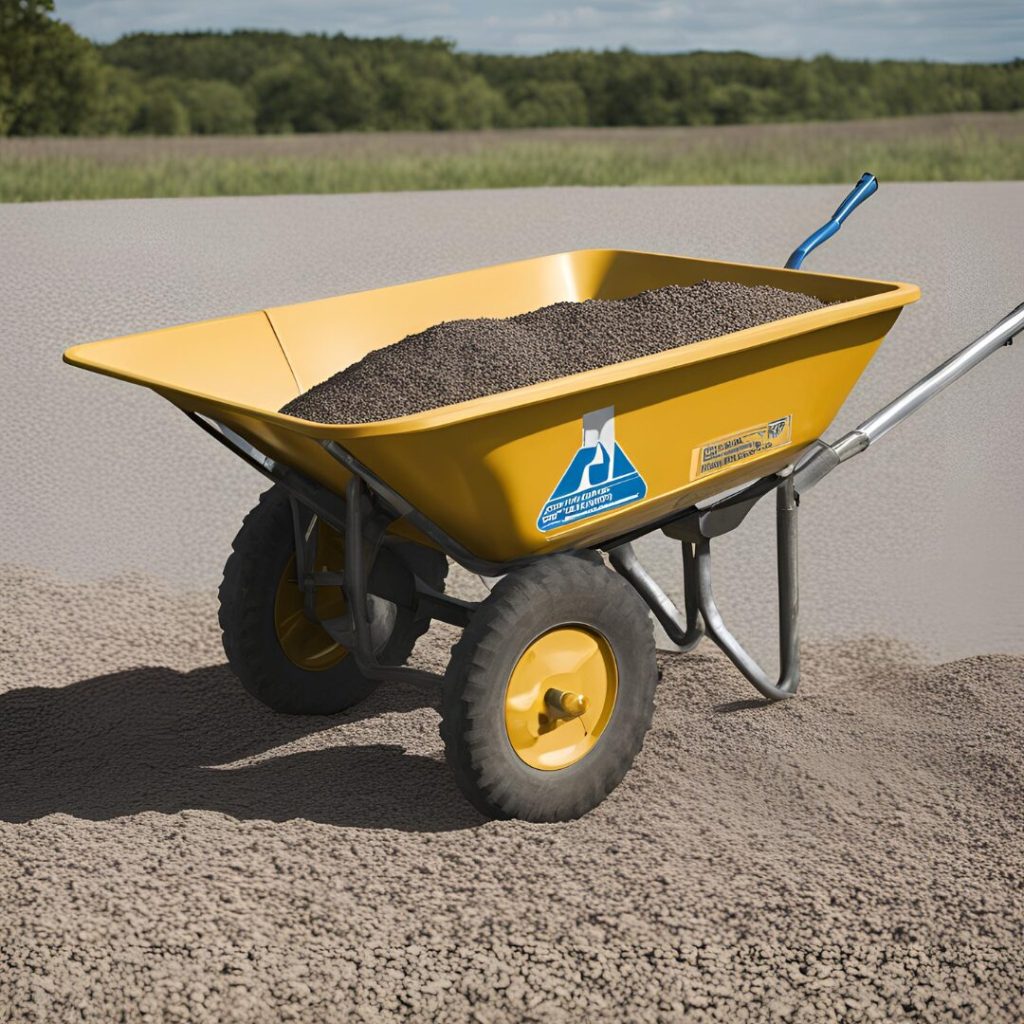
Have you ever found yourself staring at a big pile of firewood and wondering, “How many wheelbarrows will it take to move a whole cord?” If you’re planning to haul wood, understanding this simple but important measurement can save you time and effort. Knowing exactly how many wheelbarrow loads you need means less guessing, fewer trips, and a smoother job from start to finish.
Keep reading, and you’ll discover the easy way to figure out your wood-moving needs without the hassle.
Measuring A Cord Of Wood
A cord is a common way to measure firewood. It helps buyers and sellers know how much wood they have. The term “cord” refers to a specific volume of stacked wood.
Understanding the size of a cord is important. It helps you estimate how many wheelbarrows you need to move or store wood.
Standard Cord Dimensions
A full cord measures 4 feet high, 8 feet long, and 4 feet deep. This totals 128 cubic feet of wood and air space between the logs.
- Height: 4 feet
- Length: 8 feet
- Depth: 4 feet
Keep in mind, wood pieces are not tightly packed. Air gaps affect the actual wood volume.
Volume And Weight Considerations
The volume of wood in a cord can vary based on wood type and moisture. Weight also changes with these factors.
| Wood Type | Average Weight per Cord (lbs) | Dry Volume (cubic feet) |
|---|---|---|
| Oak | 4000 | 85 |
| Pine | 3000 | 90 |
| Maple | 3500 | 88 |
| Birch | 3200 | 87 |
Wheelbarrow Size Variations
Wheelbarrows come in different sizes to suit various tasks. They help move materials like soil, sand, and wood.
Choosing the right wheelbarrow size can affect how many trips you need to make. Let’s look at common capacities and factors that impact load volume.
Common Wheelbarrow Capacities
Wheelbarrow capacities can vary based on design. Some are better for heavier loads, others for lighter tasks.
- Small Wheelbarrow: 2 to 3 cubic feet
- Medium Wheelbarrow: 4 to 6 cubic feet
- Large Wheelbarrow: 7 to 10 cubic feet
Factors Affecting Load Volume
Several factors influence how much a wheelbarrow can carry. These include wheel type, material, and design.
| Factor | Impact on Load |
| Wheel Type | Stability and ease of movement |
| Material | Weight and durability |
| Design | Balance and volume capacity |
Calculating Wheelbarrows Per Cord
Knowing how many wheelbarrows fill a cord helps with moving firewood. A cord is a common wood measurement. It equals 128 cubic feet of tightly stacked wood.
Wheelbarrows come in different sizes. You need to measure your wheelbarrow first. Then you can calculate how many loads equal one cord.
Step-by-step Measurement Process
Measure your wheelbarrow’s length, width, and height. Use feet or inches, but be consistent. Multiply these three numbers to get the volume.
- Measure length of the wheelbarrow tub.
- Measure width at the widest point.
- Measure height from bottom to top edge.
- Multiply length × width × height to find volume.
- If measurements are in inches, convert cubic inches to cubic feet by dividing by 1728.
Example Calculations
Here is an example for a wheelbarrow that measures 4 feet long, 2 feet wide, and 1.5 feet high.
| Measurement | Value (feet) |
| Length | 4 |
| Width | 2 |
| Height | 1.5 |
| Volume of wheelbarrow | 4 × 2 × 1.5 = 12 cubic feet |
| Volume of a cord | 128 cubic feet |
| Number of wheelbarrows per cord | 128 ÷ 12 ≈ 10.7 loads |

Credit: www.reddit.com
Practical Tips For Loading
Knowing how many wheelbarrows fill a cord helps with wood stacking. It also saves time and effort during loading.
Use the right loading techniques to avoid spills and injuries. Careful loading makes moving wood easier.
Maximizing Wheelbarrow Efficiency
Load your wheelbarrow evenly to balance the weight. Place heavier pieces at the bottom and lighter on top.
Fill the wheelbarrow close to full but not overloaded. This helps you push it without much strain.
- Use pieces that fit well together to reduce gaps
- Stack wood tightly to carry more each trip
- Keep the load centered over the wheel for balance
- Avoid overfilling to prevent dropping wood
Safety Measures While Transporting
Wear gloves to protect your hands from splinters and rough wood. Use sturdy shoes to avoid foot injuries.
Push the wheelbarrow slowly on uneven ground to keep control. Watch for obstacles and avoid sharp turns.
- Keep your back straight while lifting wood into the wheelbarrow
- Use both hands to hold the handles firmly
- Do not overload to prevent tipping over
- Take breaks if you feel tired or strained
Alternatives To Wheelbarrows
Wheelbarrows are useful tools for moving heavy loads. Still, some tasks need other equipment. There are good alternatives for moving wood, soil, or stones.
This guide covers two main alternatives: carts and wagons, and mechanical loaders. Each has its strengths depending on your needs.
Using Carts And Wagons
Carts and wagons can carry bigger loads than wheelbarrows. They often have multiple wheels, which spread the weight better. This makes it easier to pull heavy items over flat ground.
- Garden carts with two or four wheels
- Utility wagons for hauling wood or tools
- Hand-pulled wagons for light loads
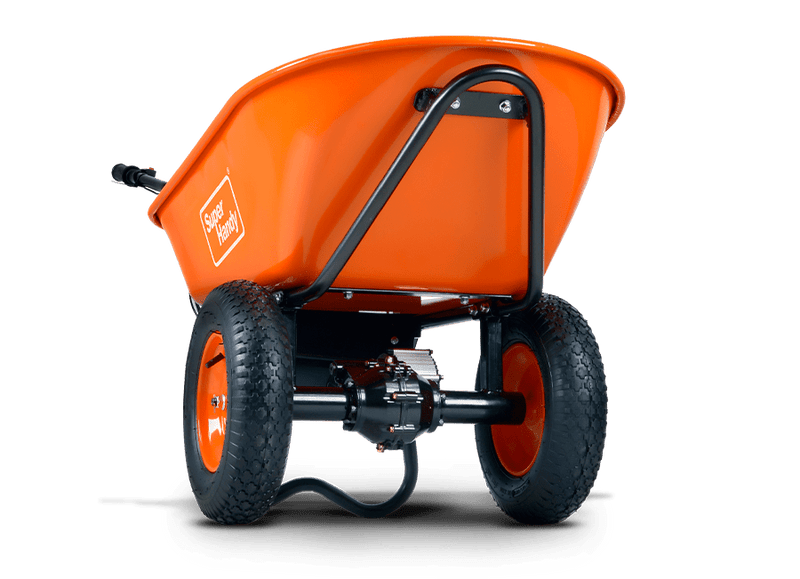
- Motorized carts for large areas
Mechanical Loaders
Mechanical loaders are machines designed to lift and move heavy materials. They save time and reduce physical strain. These machines work well on farms, construction sites, and big gardens.
| Type | Use | Load Capacity |
| Skid Steer Loader | Heavy lifting and digging | Up to 3,000 lbs |
| Mini Loader | Small to medium loads | Up to 1,500 lbs |
| Front-End Loader | Loading and moving bulk materials | Varies, often over 5,000 lbs |
Credit: superhandyus.com
Common Mistakes To Avoid
Estimating how many wheelbarrows fill a cord of wood can be tricky. Many make mistakes that cause confusion and wasted effort. Learning what to avoid helps you measure wood better.
This guide covers two common errors: overestimating capacity and ignoring wood type and moisture. Avoid these to get more accurate results.
Overestimating Capacity
Many think a wheelbarrow holds more wood than it actually does. This leads to underestimating how many loads you need.
- Wheelbarrow sizes vary widely; don’t assume yours matches others.
- Filling a wheelbarrow loosely will reduce the wood volume it carries.
- Stacking wood unevenly can cause gaps and less wood per load.
- Not accounting for wood shape affects how much fits in one load.
Ignoring Wood Type And Moisture
Different wood types have different densities and moisture levels. These factors change the weight and space wood occupies.
| Wood Type | Dry Weight per Cord (lbs) | Effect on Volume |
|---|---|---|
| Oak | 4,000 | Dense, occupies less space |
| Pine | 2,500 | Lighter, more volume per cord |
| Wet Wood | Varies | Heavier, takes more space due to moisture |

Credit: www.myhandb.bb
Frequently Asked Questions
How Many Wheelbarrows Make A Cord Of Wood?
A standard cord of wood measures 128 cubic feet. Typically, it takes about 10 to 12 full wheelbarrow loads to equal one cord. The exact number depends on your wheelbarrow’s size and how tightly the wood is packed.
What Is The Volume Of A Typical Wheelbarrow Load?
A typical wheelbarrow holds roughly 4 to 6 cubic feet of material. This size varies by model and load type. Knowing this helps estimate how many trips you need to move a cord of wood accurately.
Why Measure Firewood In Cords And Wheelbarrows?
Cords are a standard firewood volume measurement for consistency and pricing. Wheelbarrows offer a practical way to transport and estimate smaller amounts. Combining both helps manage firewood efficiently during delivery or stacking.
Can Wheelbarrow Sizes Affect Cord Calculations?
Yes, wheelbarrow sizes vary widely. Larger or smaller wheelbarrows change the number of loads per cord. Always measure your wheelbarrow’s volume for accurate calculations when working with cords of wood.
Conclusion
Knowing how many wheelbarrows fit in a cord helps with planning work. A cord holds about 85 to 90 wheelbarrow loads of wood. This number can change based on the size of your wheelbarrow. Always measure your wheelbarrow and wood carefully for the best results.
Using this guide saves time and effort during your projects. Now, you can handle wood measurements with more confidence. Simple math can make big tasks easier.