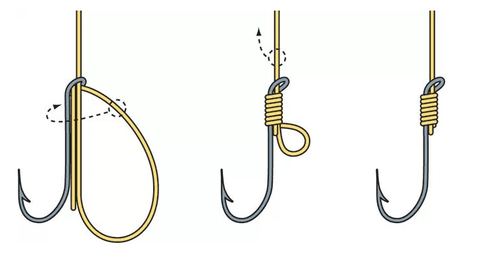
Are you tired of losing fish because your hook wasn’t tied properly? Knowing how to tie hooks on your fishing line can make all the difference between a great catch and a frustrating day by the water.
In this guide, you’ll discover simple, reliable knot techniques that will keep your hook secure and your line strong. Whether you’re a beginner or just looking to sharpen your skills, mastering these knots will boost your confidence and improve your fishing success.
Keep reading, and get ready to make every cast count!

Credit: greensafaris.com
Choosing The Right Hook
Picking the right hook is key for successful fishing. The hook must fit the fish and the bait well.
Wrong hooks can lose fish or damage the bait. Learn about hook types and sizes to make good choices.
Hook Types And Sizes
Hooks come in many types and sizes. Each type works better for certain fish and fishing styles.
- J-Hooks:Classic shape, good for most fishing.
- Circle Hooks:Designed to catch fish without deep hooking.
- Treble Hooks:Three points, used with lures for more chances to catch.
- Double Hooks:Two points, often used in fly fishing.
- Bait Hooks:Wide gap to hold live or cut bait well.
Sizes range from tiny (used for small fish) to large (for big fish). The size number works opposite: smaller number means bigger hook.
Matching Hook To Fish Species
Different fish need different hooks. Match the hook size and type to the fish you want to catch.
| Fish Species | Hook Type | Hook Size |
| Trout | J-Hook or Circle Hook | 10 to 14 |
| Bass | Wide Gap Bait Hook | 2 to 6 |
| Catfish | Circle Hook | 2 to 6 |
| Panfish | Small J-Hook | 12 to 16 |
| Salmon | Treble Hook with lure | 4 to 8 |

Credit: www.wikihow.com
Selecting The Fishing Line
Choosing the right fishing line is important. It affects your fishing success. Consider the type and strength of the line.
Different lines work for different fishing conditions. Let’s explore the options.
Monofilament Vs Braided Lines
Monofilament lines are stretchy and easy to use. They are great for beginners. They work well in freshwater.
Braided lines are stronger and thinner. They have no stretch, which helps with sensitivity. Good for deep-sea fishing.
- Monofilament is affordable and easy to handle.
- Braided lines are durable and perfect for heavy fish.
- Choose based on your fishing location and needs.
Line Strength And Diameter
Line strength is measured in pounds. It tells you how much weight the line can handle. Stronger lines are for bigger fish.
The diameter of the line affects casting distance. Thinner lines cast farther. Choose based on your fishing style.
- Check the label for strength information.
- Consider the fish size you aim to catch.
- Balance strength with line visibility in water.
Popular Knot Types For Hooks
Tying the right knot is important for fishing success. It keeps your hook secure and helps catch fish.
Here are three popular knots used to tie hooks to fishing lines. Each has its strengths and uses.
Improved Clinch Knot
The Improved Clinch Knot is strong and easy to tie. It works well with most fishing lines and hooks.
To tie it, pass the line through the hook eye. Wrap the tag end around the main line five to seven times.
- Pass the tag end through the small loop near the eye
- Wet the knot before tightening to reduce friction
- Pull the main line and tag end to secure the knot
Palomar Knot
The Palomar Knot is simple and very strong. It keeps hooks from slipping off the line.
Double the line and pass it through the hook eye. Tie a loose overhand knot with the doubled line.
- Pass the hook through the loop of the overhand knot
- Wet the knot to prevent line damage
- Pull both ends to tighten the knot firmly
Uni Knot
The Uni Knot is versatile and easy to adjust. It works well for tying hooks and joining lines.
Pass the line through the hook eye and double back parallel to the main line. Make a loop with the tag end.
- Wrap the tag end around both lines five times
- Pull the tag end to close the wraps neatly
- Slide the knot down and tighten by pulling the main line
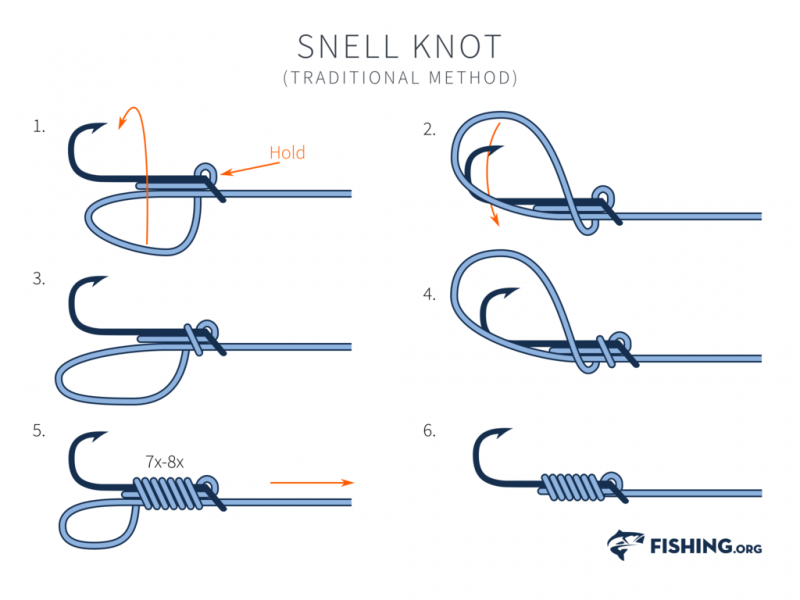
Step-by-step Knot Tying Guide
Tying a hook on a fishing line is important for a strong connection. A secure knot helps catch fish without losing them. This guide shows simple steps to tie your hook safely.
Follow the steps carefully to make sure your knot holds tight. Each part of the process is easy to do with a little practice.
Preparing The Line
Start by cutting the fishing line to the right length. Make sure the end is clean and not frayed. This helps the knot stay strong.
Moisten the line slightly before tying. This reduces friction and makes tightening easier. Use water or saliva to wet the line.
Forming The Knot
Pass the line through the eye of the hook. Leave a few inches of line beyond the hook to work with. This extra line is needed to make the knot.
Make several wraps of the tag end around the standing line. Usually five or six turns are enough. This creates a strong base for the knot.
- Thread the line through the hook eye twice for extra strength
- Wrap the tag end around the main line 5 to 6 times
- Keep the coils neat and tight while wrapping
Securing And Tightening
Hold the hook and the standing line firmly. Pull the tag end slowly to tighten the knot. Make sure the coils slide down neatly to the hook eye.
Check the knot by pulling hard on the line. If it slips or loosens, redo the knot. Trim the excess tag end close to the knot to avoid snags.
- Pull slowly to avoid twisting the line
- Ensure the knot tightens evenly on the hook eye
- Trim the tag end close to the knot
Tips For Strong And Reliable Knots
Tying a hook to your fishing line is a basic skill for every angler. A strong knot keeps your hook secure and stops fish from escaping.
Use simple steps to make sure your knots hold well. These tips help you tie better and fish with confidence.
Moistening The Knot
Before tightening the knot, wet the line with water or saliva. This reduces friction and prevents the line from weakening.
Moistening helps the knot slide smoothly and tightens evenly. It keeps the line strong and stops it from breaking.
Trimming Excess Line
After tying the knot, cut off the extra line close to the knot. Leave a small tag end to avoid slipping.
Trimmed excess line prevents tangles and helps your bait look natural in the water.
- Use sharp scissors or clippers
- Cut about 2-3 mm from the knot
- Avoid cutting too close to keep knot secure
Testing Knot Strength
Pull the line hard after tying the knot. This checks if it holds tight without slipping or breaking.
If the knot slips or loosens, retie it. Strong knots help catch fish without losing your gear.
- Pull the line slowly to feel the knot’s strength
- Look for any signs of slipping or looseness
- Retie the knot if needed before fishing
Common Mistakes To Avoid
Tying hooks on fishing line seems easy but many anglers make simple errors. These mistakes can cause lost fish or damaged gear. Avoiding common errors improves your fishing success.
This guide covers three frequent mistakes. Fixing these helps keep your knots strong and your line safe. Learn what to watch out for when tying hooks.
Incorrect Loop Sizes
Loops that are too big or too small reduce knot strength. A large loop lets the hook move too much. A tight loop can weaken the line or knot.
- Too large loops cause hook slippage and lost fish.
- Too small loops restrict hook movement and stress the line.
- Aim for a snug loop that allows slight hook movement.
- Practice measuring loop size before tightening the knot.
Overtightening And Line Damage
Pulling the knot too tight can damage the fishing line. Over-tight knots create weak spots that break easily. Handle the line gently.
| Effect | Cause | Result |
|---|---|---|
| Line Fraying | Excessive pulling on knot | Weakens line strength |
| Knot Slippage | Not tightening enough | Hook can come loose |
| Balanced Tightness | Firm but gentle pulling | Strong, durable knot |
Pull the knot firmly but stop if you see line stress. Wet the line before tightening to reduce friction and damage.
Using The Wrong Knot For Hook Type
Different hooks need different knots. Using the wrong knot lowers hook strength and may cause the line to slip. Match the knot to your hook style.
- Circle hooks work well with the Palomar knot.
- J-hooks are strong with the Improved Clinch knot.
- Treble hooks often need specialized knots for security.
- Ask or read about the best knot for your hook type.
Maintaining And Inspecting Knots
Tying hooks on fishing lines is important. Good knots keep your tackle strong and safe.
Regular care helps avoid lost fish and broken lines. Check your knots often and fix problems quickly.
Regular Knot Checks
Look at your knots before and after fishing. Check if they are tight and not slipping.
Wet knots can hide damage. Dry them to see if the line is frayed or weak near the knot.
- Pull gently on the line to test knot strength
- Look for cracks or worn spots on the knot
- Retie knots that look loose or damaged
Replacing Worn Lines
Fishing lines wear out from use and sun. Replace them if you see cuts or thinning near knots.
Old lines break easily and cause lost fish. Changing lines keeps your fishing gear strong and ready.
- Check the whole line for damage every few trips
- Cut off and retie if the line is worn near the hook
- Use fresh line to avoid sudden breaks
Adjusting Knots For Different Conditions
Different fishing spots need different knot styles. Some knots hold better with slippery or thick lines.
Change knots to match water type, fish size, and line material. Good knots improve your catch chances.
- Use strong knots for heavy fish or rough water
- Choose simple knots for thin or slippery lines
- Practice tying knots suited to your fishing style
Credit: medium.com
Frequently Asked Questions
How Do I Tie A Fishing Hook Securely?
To tie a hook securely, use the improved clinch knot. Pass the line through the hook eye, wrap it five times, then thread it back through the loop. Tighten firmly to ensure the knot holds well during fishing.
What Is The Strongest Knot For Fishing Hooks?
The Palomar knot is the strongest for fishing hooks. It maintains line strength and is easy to tie. Double the line, pass it through the hook eye, tie a loose overhand knot, then pass the hook through the loop and tighten.
Can I Tie A Fishing Hook Without Tools?
Yes, you can tie a fishing hook without tools. Use your fingers to loop and twist the line. Knots like the improved clinch or Palomar are simple and effective for hand-tying hooks in the wild or on the go.
How Many Wraps Should I Make When Tying Hooks?
Typically, five to seven wraps are enough when tying hooks. Too few wraps reduce knot strength, while too many can cause the line to weaken. Aim for a balance to ensure the knot is strong and secure for fishing.
Conclusion
Tying hooks on a fishing line takes practice but is simple to learn. Use strong knots to keep your hook secure. Take your time and check each knot carefully. A well-tied hook improves your chances of catching fish. Keep practicing to build confidence and skill.
Soon, tying hooks will feel natural and quick. Enjoy your fishing trips with better gear preparation. Small steps lead to better fishing results. Keep your line tight and knots neat every time.