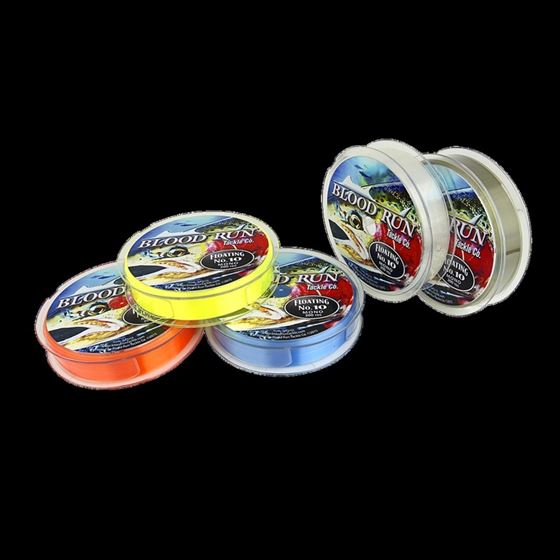
Have you ever wondered if your monofilament fishing line floats? Understanding this simple fact can change the way you fish and improve your catch.
Whether you’re casting from the shore or trolling on a boat, knowing how your line behaves in water helps you make smarter choices. Keep reading to discover the truth about monofilament fishing line and how it can affect your fishing experience.
This knowledge could be the key to catching more fish on your next trip.

Credit: www.prestoninnovations.com
Monofilament Line Basics
Monofilament fishing line is a popular choice for many anglers. It is made from a single strand of nylon.
This type of line is known for its flexibility and ease of use. It also has some unique features in water.
What Is Monofilament Line
Monofilament line is a fishing line made from one continuous fiber. This fiber is usually nylon.
The line is round, smooth, and stretches under tension. This stretch helps absorb shock from fish pulls.
It is clear or colored and comes in many thicknesses. Anglers choose the size based on the fish they want to catch.
Common Uses In Fishing
Monofilament line is good for many fishing styles. It works well in freshwater and saltwater.
It is often used for:
- Fishing with bait or lures
- Spinning and casting rods
- Fishing for bass, trout, and panfish
- General purpose fishing line

Credit: fishingsun.com
Buoyancy Properties
Monofilament fishing line is popular among anglers for its versatility. Understanding if it floats is important for choosing the right line.
Buoyancy affects how a line behaves in water. Knowing this helps in selecting the right type for different fishing conditions.
Does Monofilament Float
Monofilament fishing line can either float or sink. Its buoyancy depends on its material and thickness. Most monofilament lines are slightly denser than water, causing them to sink.
| Line Type | Buoyancy |
| Monofilament | Slightly sinks |
| Fluorocarbon | Sinks |
| Braid | Floats |
Factors Affecting Floatation
Several factors influence whether monofilament fishing line floats or sinks. These factors can change how effective the line is for your fishing needs.
- Line Diameter: Thicker lines tend to sink faster.
- Water Temperature: Warm water can increase line buoyancy.
- Line Coating: Some coatings can make lines more buoyant.
Choosing the right fishing line involves understanding these properties. This helps in making the best choice for different fishing environments.
Comparison With Other Lines
Monofilament fishing line is popular because it floats on water. This quality is different from other types of fishing lines. Understanding how it compares helps anglers choose the right line for their needs.
This section looks at how monofilament compares with fluorocarbon and braided lines, focusing on their buoyancy and other features.
Fluorocarbon Line
Fluorocarbon fishing line sinks because it is denser than water. This makes it less visible underwater. Many anglers use it for deep-water fishing or when they want the line to stay below the surface.
Unlike monofilament, fluorocarbon does not float. It is also more resistant to abrasion and has low stretch. These traits make it good for clear water and strong fish.
- Floats: No
- Visibility underwater: Low
- Stretch: Low
- Abrasion resistance: High
Braided Line
Braided line is made from woven fibers. It does not float because it absorbs water and is heavier than monofilament. This line sinks faster and is strong for heavy fish.
Braided line has little stretch and is very durable. It is good for fishing in thick cover or deep water. Its sinking nature contrasts with monofilament’s floatation.
- Floats: No
- Visibility underwater: High (due to thickness)
- Stretch: Very low
- Durability: Very high
Practical Fishing Tips
Monofilament fishing line is popular for many anglers. It is strong, flexible, and affordable.
One common question is if monofilament fishing line floats. Knowing this helps with fishing strategies.
Best Conditions For Floating Line
Monofilament line usually floats near the water surface. It works best in calm water conditions.
Clear water and light winds help keep the line on top. This makes it easier to see and control.
- Calm lakes or ponds
- Slow-moving rivers
- Light wind conditions
- Clear water for better visibility
How To Make Monofilament Float
Monofilament floats because it is less dense than water. Sometimes it may sink if it absorbs water or dirt.
To keep it floating, anglers use special coatings or dry the line well before fishing.
- Use floatant spray or wax on the line
- Keep the line clean and dry
- Avoid knots that trap water
- Store the line away from moisture
Common Myths About Monofilament
Monofilament fishing line is popular among anglers. Many people have ideas about how it behaves in water.
Some beliefs about monofilament are not true. It is important to know the facts for better fishing.
Floating Capabilities
Many anglers think monofilament fishing line always floats on water. The truth is more complex.
Monofilament has a density close to water. It can float for a short time but usually sinks slowly.
- Fresh monofilament may float briefly due to trapped air.
- Over time, water soaks into the line, making it sink.
- Thicker monofilament tends to float longer than thinner lines.
- Monofilament does not float like foam or cork lines.
Durability Concerns
Some believe monofilament breaks easily or wears out fast. This is not always true.
Monofilament is strong and flexible. It resists many types of damage when used properly.
- Monofilament resists abrasion but can weaken with UV light exposure.
- It can stretch under heavy load without snapping immediately.
- Proper storage extends monofilament’s life and strength.
- Old or damaged monofilament is more likely to break.

Credit: www.franksgreatoutdoors.com
Choosing The Right Line
Choosing the right fishing line is important for a good fishing experience. Different lines work better for different fishing styles.
Monofilament fishing line is popular because it floats and stretches. This affects how you use it on the water.
Matching Line To Fishing Style
Monofilament line floats well, making it good for topwater fishing. It helps keep lures on the surface.
For deep water fishing, other lines like fluorocarbon sink more and may work better. Choose line based on where you fish.
- Use monofilament for surface and shallow fishing
- Choose sinking lines for deep water or heavy cover
- Consider line stretch for fighting fish
Line Maintenance And Longevity
Monofilament line needs regular care to last longer. Sunlight and water can weaken it over time.
Rinse your line with fresh water after fishing in saltwater. Check for nicks or damage before use.
- Store line in a cool, dark place
- Replace line yearly or if damaged
- Clean line after saltwater fishing
Frequently Asked Questions
Does Monofilament Fishing Line Float On Water?
Monofilament fishing line typically floats or stays near the surface. It has a low density and absorbs little water, making it buoyant. However, factors like line thickness and water conditions can affect its floating ability.
How Does Monofilament Line Compare To Fluorocarbon?
Monofilament floats while fluorocarbon sinks. Fluorocarbon has a higher density and refractive index, making it less visible underwater. Monofilament’s buoyancy helps keep bait near the surface, ideal for topwater fishing.
Can Monofilament Line Absorb Water And Sink?
Yes, monofilament can absorb small amounts of water over time. This absorption may reduce its buoyancy slightly but generally does not make it sink. Frequent use and exposure to water affect floating performance.
Is Monofilament Line Good For Surface Fishing?
Yes, monofilament is excellent for surface fishing. Its buoyancy keeps lures and bait near the water’s surface. This makes it a preferred choice for anglers targeting topwater species.
Conclusion
Monofilament fishing line does float on water due to its low density. This makes it useful for topwater fishing and certain lures. Keep in mind, water and dirt can weigh it down over time. Choose the right line for your fishing style and conditions.
Understanding how your line behaves helps improve your catch chances. Try different lines to see what works best for you. Fishing becomes easier with the right gear knowledge.