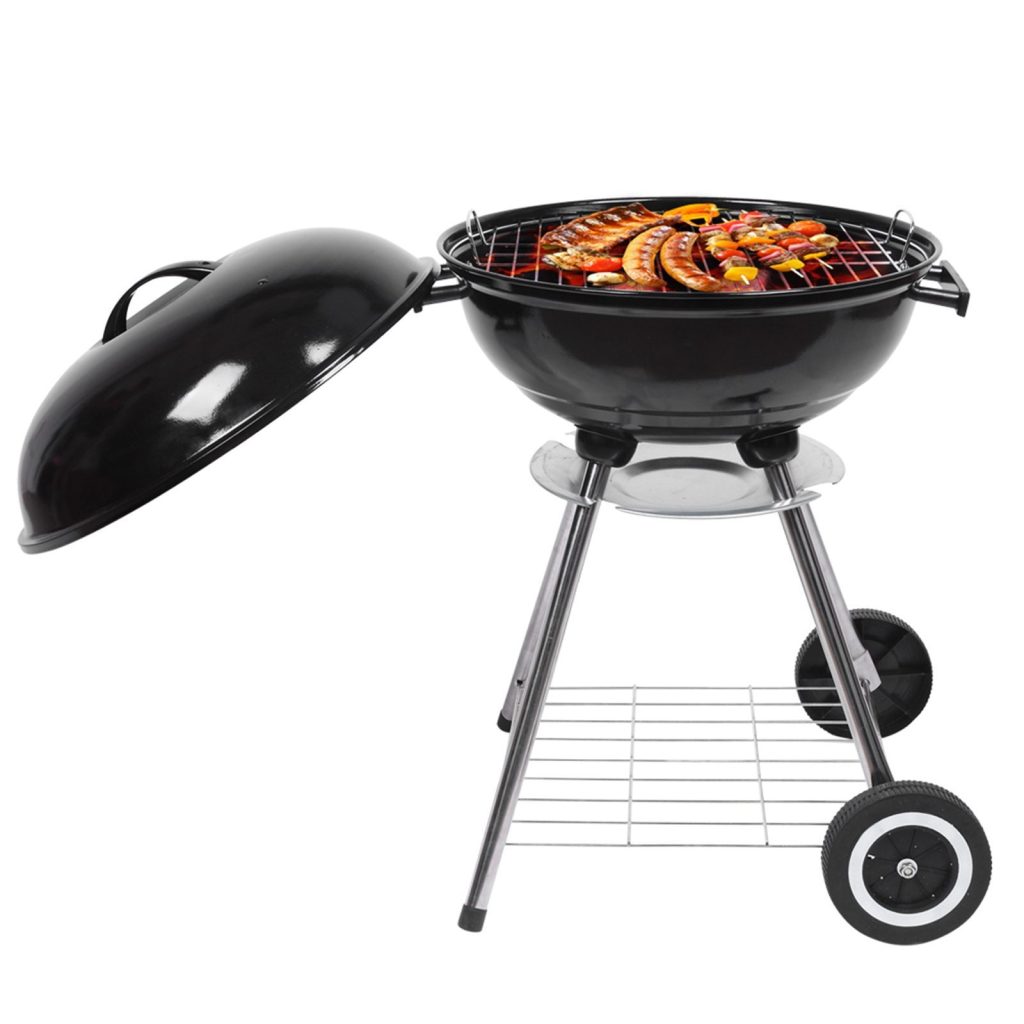
Are you ready to take your grilling skills to the next level? Smoking on a charcoal grill is a game-changer that adds rich, smoky flavors to your favorite foods.
But if you’ve never tried it before, it can feel tricky and confusing. Don’t worry – this guide will walk you through every step, making it simple and fun. By the end, you’ll know exactly how to create mouthwatering smoked dishes that will impress your family and friends.
Keep reading, and unlock the secret to perfect charcoal-grilled smoke every time.
Choosing The Right Charcoal
Smoking on a charcoal grill needs the right charcoal. The charcoal type affects heat and flavor.
Picking good charcoal helps you get the best smoky taste and cook your food evenly.
Types Of Charcoal
There are many kinds of charcoal for grilling. Each type burns differently and gives a unique flavor.
- Briquettes: Made from compressed charcoal and additives. They burn evenly and last long.
- Natural Lump Charcoal: Made from wood chunks. Burns hotter and gives a natural smoky flavor.
- Instant Light Charcoal: Contains chemicals to light quickly. Not ideal for long smoking times.
Best Charcoal For Smoking
Natural lump charcoal is the best for smoking. It burns hot and adds great flavor without chemicals.
Briquettes work well too. They hold heat longer but may have fillers that affect taste.
- Choose lump charcoal for pure wood flavor.
- Use briquettes for steady heat over many hours.
- Avoid charcoal with added chemicals or lighter fluid.
Avoiding Common Charcoal Mistakes
Do not use instant light charcoal for smoking. Chemicals can ruin your food’s taste.
Avoid mixing wet charcoal with dry. Wet charcoal makes smoke smell bad and burns poorly.
- Store charcoal in a dry place to keep it fresh.
- Do not add too much charcoal at once; it can cause flare-ups.
- Wait for the charcoal to turn gray before placing food on the grill.
Preparing Your Grill
Getting your charcoal grill ready is the first step to a great barbecue. Follow these steps to ensure your grill is clean and set up correctly for smoking.
Proper preparation will give you the best flavors and keep your grill in top condition. Let’s dive into the process.
Cleaning And Maintenance
Cleaning your grill is essential for both safety and flavor. Old food and grease can cause flare-ups and off-tastes.
- Remove ashes and debris from the grill bowl.
- Scrub the grates with a grill brush.
- Check and clean air vents for proper airflow.
Setting Up For Indirect Heat
Indirect heat is perfect for smoking as it cooks the food slowly and evenly. Arrange the charcoal on one side of the grill.
Using A Water Pan
A water pan adds moisture to the air inside the grill, which helps keep the meat juicy.
| Water Pan Benefits | Description |
| Moisture | Keeps meat from drying out |
| Temperature Control | Stabilizes heat |
| Flavor | Enhances smoke penetration |
Lighting The Charcoal
Lighting charcoal is the first step to smoking food on a charcoal grill. You need a good fire to keep a steady smoke and heat.
Knowing how to light charcoal safely helps you avoid accidents and makes your cooking easier.
Safe Lighting Methods
Use safe ways to light charcoal to prevent burns and fires. Avoid using gasoline or other flammable liquids.
- Use lighter fluid made for grills only.
- Apply fluid before lighting the charcoal.
- Never add fluid to hot or burning coals.
- Light charcoal with a long match or lighter.
- Keep children and pets away from the grill.
Using Chimney Starters
A chimney starter helps light charcoal quickly without chemicals. It uses paper and air to start the fire.
- Fill the chimney with charcoal.
- Place crumpled newspaper or natural fire starters under the chimney.
- Light the paper through the holes at the bottom.
- Wait 10 to 15 minutes until coals are gray and glowing.
- Pour the hot coals into the grill carefully.
Managing Airflow
Airflow controls the fire’s heat and smoke. Open vents let in oxygen and keep coals burning.
| Airflow Setting | Effect on Fire | When to Use |
|---|---|---|
| Fully Open | High heat, fast burning | Starting charcoal, direct grilling |
| Partially Open | Medium heat, steady burn | Smoking, slow cooking |
| Mostly Closed | Low heat, slow burn | Keeping coals warm, finishing cooking |
Adding Wood For Smoke
Smoking food on a charcoal grill adds deep flavor. Adding wood creates the smoky taste you want.
Using the right wood and adding it at the right time helps control smoke and flavor.
Choosing Wood Types
Pick wood that matches the food you cook. Different woods give different flavors.
- Hickory adds strong, bacon-like smoke
- Apple wood gives a sweet, mild flavor
- Mesquite creates a bold, earthy taste
- Cherry wood adds a fruity, light smoke
- Oak offers a medium, smoky flavor
Wood Chip Preparation
Prepare wood chips before adding them. Soaking wood chips controls how they burn.
Soak wood chips in water for 30 minutes to one hour. Wet chips smoke longer and burn slower.
- Use a bowl or bucket filled with water
- Drain excess water before placing chips on coals
- Dry chips catch fire quickly if not soaked
Timing Wood Additions
Add wood chips after charcoal is hot and covered with ash. This helps wood smoke, not burn fast.
Add more wood chips every 30 to 45 minutes to keep smoke steady during cooking.
- Start smoking when charcoal is around 225-275°F
- Add a small handful of chips at a time
- Avoid too much wood to prevent bitter smoke
Controlling Temperature
Smoking on a charcoal grill needs steady temperature control. Keeping heat stable helps food cook evenly. Use vents and tools to manage the fire.
Small changes in air flow can raise or lower the heat quickly. Watch the grill closely to keep smoke steady and tasty.
Adjusting Vents
The vents control the oxygen inside the grill. More oxygen means hotter fire. Less oxygen cools it down. Open and close vents slowly to change temperature.
- Open the bottom vent to add air and increase heat.
- Close the bottom vent to lower heat and slow the fire.
- Use the top vent to control smoke and airflow.
- Adjust both vents for steady temperature.
Monitoring Heat Levels
Keep an eye on the grill’s heat. Watch how the vents affect the temperature. Check often to avoid big changes in heat.
| Heat Level | Temperature Range (°F) | Use |
| Low | 180 – 225 | Slow smoking and tender cuts |
| Medium | 225 – 275 | Most smoking tasks |
| High | 275 – 350 | Faster cooking or searing |
Using A Thermometer
A thermometer shows the exact grill temperature. Use a built-in or digital probe thermometer. Check both grill and meat temperature for best results.
Tips for using a thermometer:
- Place the thermometer away from direct flames.
- Insert the probe into the thickest part of the meat.
- Keep the thermometer lid closed for accurate readings.
- Check temperature regularly during smoking.

Credit: www.siuhaau.com
Smoking Techniques
Smoking food on a charcoal grill adds a rich, smoky flavor. It needs careful heat and smoke control. Learning good smoking techniques helps you cook tasty meals every time.
Using the right technique keeps your food moist and full of flavor. It also helps avoid overcooking or dryness. Let’s explore key smoking methods and tips.
Direct Vs Indirect Smoking
Direct smoking puts food right over the hot coals. This cooks food fast and adds strong smoke flavor. It suits small or thin cuts like sausages or fish.
Indirect smoking places food away from coals. Heat and smoke flow around the food slowly. This is best for large meats like ribs or brisket that need hours to cook.
- Direct smoking:faster, hotter, best for quick foods
- Indirect smoking:slower, gentler heat, best for big cuts
Maintaining Smoke Consistency
Consistent smoke keeps flavor steady and food tender. Use dry wood chips or chunks for good smoke. Soak wood for 30 minutes to slow burning if needed.
Keep the grill vents open to control airflow. Too little air makes smoke thick and bitter. Too much air burns off smoke quickly. Adjust vents to get thin, blue smoke.
- Use dry hardwood like oak or hickory
- Soak wood chips to slow smoke
- Keep grill vents partly open
- Check smoke color: thin and blue is best
Avoiding Common Pitfalls
Too much smoke makes food bitter. Avoid using green or resinous wood. Also, don’t open the grill too often; it cools the fire and wastes smoke.
Keep a spray bottle handy to control flare-ups. Use a water pan inside the grill to keep heat even. Always clean the grill grates before smoking to prevent sticking.
- Do not use wet or green wood
- Limit grill lid openings during cooking
- Use water pan to keep heat steady
- Clean grill grates before smoking
- Keep spray bottle for flare-up control
Timing And Food Placement
Smoking food on a charcoal grill needs careful timing and food placement. This helps keep the smoke steady and the food cooks evenly. You get the best flavor and texture when you manage these right.
Let’s look at key points to help you smoke food perfectly on your charcoal grill.
Optimal Smoking Times
Different foods need different smoking times. Timing depends on the type and size of the food. Over-smoking or under-smoking can hurt the taste and texture.
| Food Type | Smoking Time |
| Chicken (whole) | 3 to 4 hours |
| Pork Ribs | 5 to 6 hours |
| Brisket | 8 to 12 hours |
| Fish | 1 to 2 hours |
| Vegetables | 30 minutes to 1 hour |
Arranging Food On The Grill
Place food on the grill so smoke can flow around it well. Keep space between items. This helps the smoke reach all sides. Avoid crowding the grill.
- Put larger cuts away from direct heat.
- Place smaller or delicate items near the edges.
- Use a drip pan under fatty foods to catch drips.
- Keep food off the coals to prevent burning.
Rotating And Basting
Turn food regularly to cook it evenly. Rotate every 30 to 45 minutes. Basting adds moisture and flavor. Use a mop or brush to apply sauce or marinade.
- Turn food gently to avoid losing juices.
- Baste food after each turn for best results.
- Use sauces that tolerate heat well.
- Watch food closely during the last hour.

Credit: www.youtube.com
Finishing And Resting
Finishing and resting are key steps after smoking meat on a charcoal grill. They help lock in juices and improve flavor.
Taking time to check doneness, rest the meat, and serve it properly makes your meal more enjoyable and tender.
Checking Doneness
Use a meat thermometer to check if the meat is cooked to the right temperature. This ensures safety and the best texture.
- Insert the thermometer into the thickest part of the meat.
- Check the temperature against recommended levels for the meat type.
- Remove the meat from the grill once it reaches the desired temperature.
Resting Meat For Flavor
Resting meat lets juices redistribute, making it moist and flavorful. Wrap it in foil and let it sit before slicing.
| Meat Type | Rest Time |
| Steak | 5-10 minutes |
| Pork | 10-15 minutes |
| Chicken | 10 minutes |
| Ribs | 15-20 minutes |
Serving Tips
Serve smoked meat sliced against the grain for tenderness. Use warm plates to keep it hot longer.
- Slice meat after resting to keep juices inside.
- Pair with your favorite sauces or sides.
- Serve immediately for best taste and texture.
Cleaning After Smoking
Cleaning your charcoal grill after smoking keeps it ready for the next use. It also helps the grill last longer and work better.
Remove leftover ash and clean the grates well. Store your grill properly to protect it from weather damage.
Removing Ashes
Let the ashes cool completely before cleaning. Hot ashes can cause burns or start fires.
Use a small scoop or brush to remove ashes from the bottom of the grill. Dispose of ashes in a metal container to avoid fire risks.
- Wait until ashes are cold
- Scoop out ashes carefully
- Use a metal container for disposal
- Do this after every smoking session
Cleaning Grates
Cleaning the grates removes food residue and grease. It prevents rust and keeps flavors fresh.
Use a grill brush or scraper to clean the grates while they are still warm. After brushing, wipe them with a damp cloth or paper towel.
- Brush grates after each use
- Use a scraper for stuck food
- Wipe grates with a damp cloth
- Oil the grates lightly to prevent rust
Storing Your Grill
Store your grill in a dry place to protect it from rain and moisture. This prevents rust and damage.
Cover your grill with a weatherproof cover. Remove any leftover charcoal to avoid pests and odors.
- Keep grill dry and covered
- Remove leftover charcoal
- Store in a sheltered area if possible
- Check and clean before each use
Credit: pnpcharcoal.com
Frequently Asked Questions
How Do You Start Smoking On A Charcoal Grill?
Light charcoal and let it ash over. Arrange coals on one side for indirect heat. Place wood chips on coals for smoke. Maintain grill temperature around 225-250°F for effective smoking.
What Wood Types Work Best For Charcoal Grill Smoking?
Use hardwoods like hickory, apple, cherry, or mesquite. Avoid softwoods as they produce harmful resinous smoke. Different woods add unique flavors to your food. Choose based on the meat you’re smoking.
How Long Should You Smoke Meat On A Charcoal Grill?
Smoking time varies by meat type and size. Generally, maintain low heat for several hours. For example, brisket may take 8-12 hours. Use a meat thermometer to check doneness accurately.
Can I Control Temperature Easily On A Charcoal Smoker?
Yes, adjust air vents to regulate airflow and temperature. More oxygen increases heat; less oxygen lowers it. Use a grill thermometer for precise monitoring. Practice helps master temperature control.
Conclusion
Smoking on a charcoal grill takes practice but is very rewarding. Control the heat and add wood chips for the best flavor. Keep the grill covered and watch the smoke closely. Patience is key to tender, smoky food. Try different woods and recipes to find what you like best.
Enjoy the process and share your tasty results with friends. Smoking on a charcoal grill makes outdoor cooking special and fun.