Are you wondering if your trusty bike helmet can double as protection on the ski slopes? It’s a question many ask when they want to save time, money, or simply don’t have a dedicated ski helmet.
But before you hit the snow, it’s important to know if using a bike helmet for skiing is safe and smart. Your head’s safety matters, and making the right choice could protect you from serious injury. Keep reading to discover what experts say and what you need to consider before swapping your bike helmet for skiing.
Helmet Types Compared
Choosing the right helmet matters for safety and comfort. Bike helmets and ski helmets look similar but have key differences.
Understanding these differences helps you pick the best helmet for each sport.
Design Differences
Bike helmets are built for different impacts than ski helmets. Ski helmets cover more of the back and sides of the head. They often have ear pads for warmth.
- Bike helmets are lighter with more open vents.
- Ski helmets are heavier and insulated to keep heat in.
- Ski helmets have a smoother shape to reduce snagging in snow.
- Bike helmets focus on protecting against falls on hard surfaces.
Impact Protection Standards
| Helmet Type | Standard | Impact Focus |
| Bike Helmet | CPSC (USA), EN 1078 (EU) | Low to moderate impact, mainly from falls on pavement |
| Ski Helmet | ASTM F2040, CE EN 1077 | High impact, including collisions with trees and ice |
Using a bike helmet for skiing may not protect you from the harder impacts common in skiing accidents.
Ventilation And Comfort
Bike helmets have large vents to cool your head during hard pedaling. Ski helmets have smaller vents to keep warmth inside.
- Ski helmets often include removable liners for adjusting warmth.
- Bike helmets focus on airflow to prevent overheating.
- Both helmets use adjustable straps for a secure fit.
- Comfort features differ based on the sport’s needs.
Safety Standards Explained
Many people wonder if they can use a bike helmet for skiing. Safety is the main concern. Different sports need different protection.
Helmets have safety standards that show how well they protect. These standards vary for biking and skiing helmets.
Bike Helmet Certifications
Bike helmets must meet certain safety rules. These rules test how well the helmet protects your head during bike accidents.
- CPSC (Consumer Product Safety Commission) is the main U.S. standard.
- EN 1078 is common in Europe for bike helmets.
- These tests check impact protection and how the helmet fits.
Ski Helmet Certifications
Ski helmets have different safety tests. They protect against impacts on snow and cold weather conditions.
- ASTM F2040 is the main U.S. standard for ski helmets.
- CE EN 1077 is the European standard for skiing and snowboarding.
- These standards test impact absorption and penetration resistance.
- Ski helmets also check for cold weather durability.
Why Standards Matter
Standards ensure helmets protect well in their sport. Using the right helmet reduces injury risk.
Bike helmets may not protect well on snow or cold. Ski helmets are built for those conditions. Always choose a helmet that meets the right standards for your activity.
Common Safety Myths
Many people wonder if a bike helmet can protect them while skiing. Some think helmets are the same for all sports. It is important to know the differences and safety facts.
This article clears up myths about using a bike helmet for skiing. It looks at helmet interchangeability, durability, and how well helmets work in falls.
Helmet Interchangeability
Bike helmets and ski helmets are made for different activities. Bike helmets are lighter and designed for less cold weather. Ski helmets protect better from cold and impacts on snow.
Using a bike helmet for skiing can leave your head less protected from cold and hard falls. Ski helmets have extra insulation and features to keep you warm and safe.
Durability Concerns
Bike helmets may not last or protect well in ski crashes. Ski falls can be harder and happen on ice or rocks. Ski helmets use stronger materials for these risks.
Bike helmets can wear out faster in cold and snowy conditions. They are not tested for long exposure to freezing temperatures and moisture like ski helmets.
Effectiveness In Falls
Ski helmets are built to protect against impacts common in skiing. They cover more of the head and have padding for side and back impacts. Bike helmets focus on crashes on pavement.
Falls on snow and ice can be very different from bike crashes. Ski helmets absorb shocks from hard and uneven surfaces better than bike helmets.
Risks Of Using Bike Helmets For Skiing
Some people think a bike helmet is fine for skiing. But skiing helmets and bike helmets are different. Using the wrong helmet can be risky. Let’s explore why a bike helmet might not be the best choice for skiing.
Temperature And Weather Factors
Bike helmets are made for warm weather. Skiing often happens in cold conditions. Ski helmets have insulation to keep your head warm. Bike helmets don’t have this feature. Cold air can pass through bike helmets, making you uncomfortable.
Wet and snowy weather is common in skiing. Bike helmets may not handle these conditions well. The materials can absorb moisture, making the helmet heavy. This can affect safety and comfort on the slopes.
Impact Absorption Differences
Skiing and biking have different types of falls. Ski helmets are designed to handle impacts from skiing falls. They offer protection against falls on snow and ice. Bike helmets are made for pavement falls. The impact absorption is not the same.
Using a bike helmet for skiing might not protect your head fully. Ski helmets absorb impacts better in snowy environments. This difference in design can be critical for safety.
Fit And Stability Issues
Ski helmets are designed to fit with ski goggles. They cover more of the head and are more stable. Bike helmets often have more vents and a different fit. This can cause goggles to not fit well, leading to fogging and discomfort.
The fit and stability of a ski helmet are crucial on the slopes. A helmet that moves around can distract you. It’s important to have a helmet that stays in place during skiing. A bike helmet might not meet this need.
Benefits Of Ski-specific Helmets
Ski helmets are made for cold weather and high speeds. They protect your head better on the slopes.
Using a bike helmet for skiing is not the best choice. Ski helmets have special features that help keep you safe and warm.
Enhanced Protection Features
Ski helmets have extra padding and stronger shells. They protect against impacts common in skiing crashes.
They also cover more areas of your head, like the back and sides. This offers better protection than many bike helmets.
- Thicker shell materials for harder impacts
- Extended coverage around the head
- Designed to reduce injury from falls on snow and ice
Designed For Cold Conditions
Ski helmets include insulation to keep your head warm. They block wind and cold air better than bike helmets.
Many ski helmets have vents that you can open or close. This helps control temperature while skiing.
- Insulation layers for warmth
- Windproof shell materials
- Adjustable vents for airflow
Additional Safety Technologies
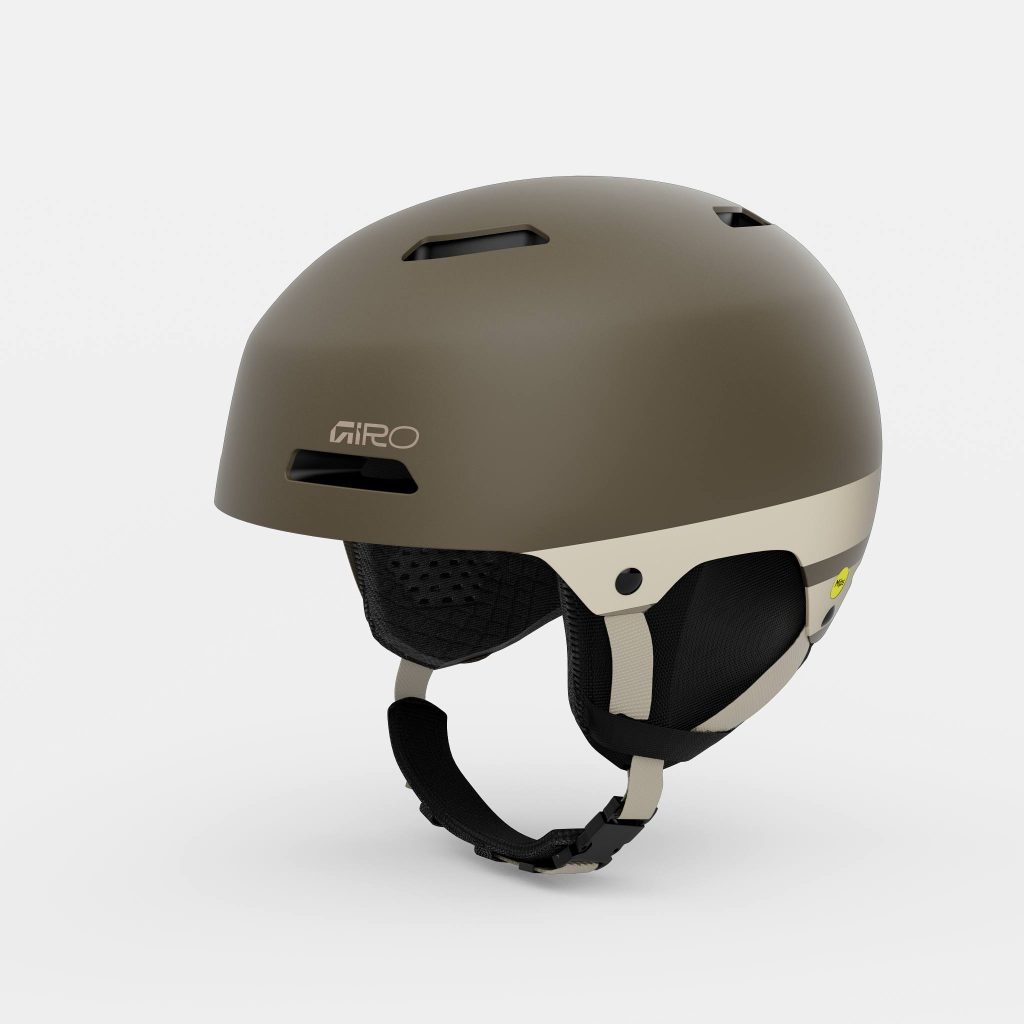
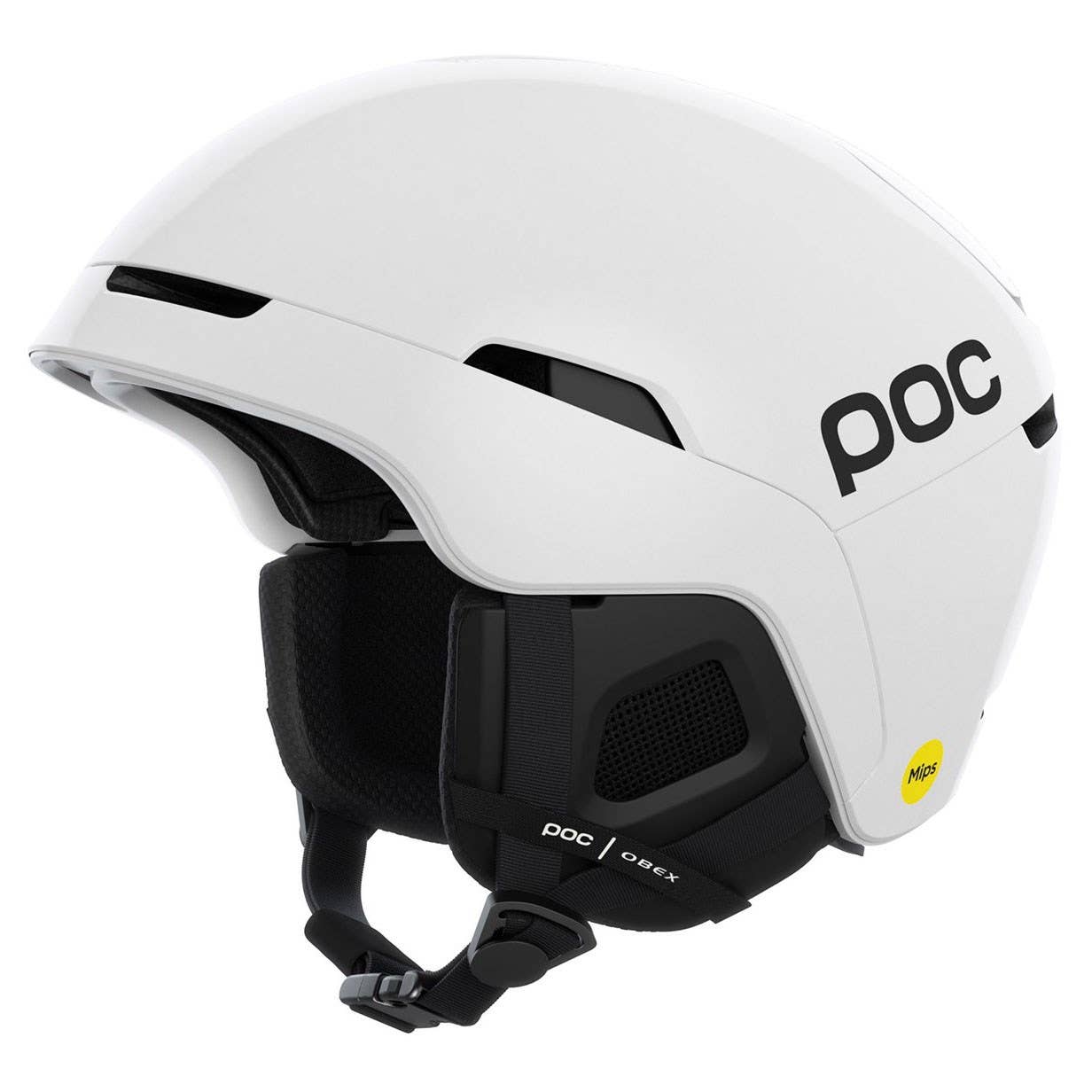
Ski helmets often have special safety tech like MIPS. This helps reduce brain injuries by managing rotational forces.
Some helmets include audio systems or goggle clips. These features improve comfort and convenience on the slopes.
- MIPS or similar systems for better impact protection
- Goggle strap holders
- Built-in audio compatibility

Credit: www.giro.com
Expert Opinions And Recommendations
Many people ask if they can use a bike helmet for skiing. Skiing and biking have different risks. Experts share their views on this topic.
This article covers advice from safety groups, ski pros, and users. It helps you understand the best helmet choice for skiing.
Advice From Safety Organizations
Safety groups say helmets protect your head from injuries. But bike helmets and ski helmets have different designs.
Bike helmets focus on impacts from falls on hard surfaces. Ski helmets protect against cold and impacts with snow or ice.
- The Snell Foundation recommends using a ski helmet for skiing.
- ASTM sets safety standards specific for ski helmets.
- Using a bike helmet while skiing may not meet ski safety rules.
Insights From Ski Professionals
Ski pros suggest wearing helmets made for skiing. These helmets are warmer and fit better with goggles.
They say bike helmets might not protect well in cold or snowy conditions. Ski helmets have special padding for comfort and safety.
- Ski helmets have vents to control temperature.
- They offer better ear coverage and insulation.
- Ski helmets meet impact tests for winter sports.
User Experiences
Some skiers use bike helmets in a pinch but report issues. They find them cold and less secure during skiing.
Users say ski helmets fit snugly and stay in place better. Many feel safer using helmets designed for skiing.
- Bike helmets can let in cold air and snow.
- Ski helmets feel more comfortable on long runs.
- Users notice better protection and warmth with ski helmets.
Choosing The Right Helmet
Using the right helmet is very important for safety on the slopes. Skiing and biking have different demands. Picking a helmet designed for skiing gives better protection and comfort.
This guide helps you find a helmet that fits your skiing needs well. You will learn what to check and how to get the best fit.
Assessing Your Needs
Think about the type of skiing you do and the conditions you face. Helmets for skiing offer features made for cold weather and impacts on snow.
- Are you skiing fast or slow?
- Do you ski in the park or on trails?
- Do you need extra warmth or ventilation?
- Will you use goggles or sunglasses?
- Are you skiing in crowded areas?
Key Features To Look For
Ski helmets have special features that bike helmets often lack. Look for these to stay safe and comfortable.
| Feature | Why It Matters |
| Insulation | Keeps your head warm on cold days |
| Ventilation | Allows airflow to prevent overheating |
| Goggle Compatibility | Fits well with ski goggles |
| Impact Protection | Designed for falls on snow and ice |
| Chin Strap | Secure fit that stays fastened |
Fitting Tips
A helmet must fit snugly but comfortably. Here are simple tips to find the right size and wear it correctly.
- Measure your head with a soft tape just above the eyebrows.
- Check the helmet size chart for your measurement.
- Try the helmet on and adjust the straps.
- The helmet should feel tight without pain.
- Move your head; the helmet should stay in place.
- Wear it with your ski goggles to check fit.

Credit: www.giro.com
Credit: www.powder.com
Frequently Asked Questions
Can A Bike Helmet Protect You While Skiing?
A bike helmet is not designed for skiing impacts. Ski helmets provide better protection for cold, high-speed crashes, and falls on snow. Using a bike helmet for skiing can increase injury risk. Always choose a helmet specifically made for skiing or snowboarding.
Are Bike Helmets Suitable For Winter Weather?
Bike helmets lack insulation and ventilation control needed for winter. Ski helmets include features like ear protection and warmth. Bike helmets can make you cold and uncomfortable on snowy slopes. For skiing, a helmet designed for cold weather is safer and more comfortable.
What Are The Key Differences Between Ski And Bike Helmets?
Ski helmets have thicker padding, more insulation, and ear coverage. Bike helmets focus on ventilation for warm weather and lightweight design. Ski helmets protect against different impact types and cold conditions. Choosing the correct helmet improves safety and comfort on the slopes.
Can I Legally Use A Bike Helmet For Skiing?
Helmet laws vary by location, but ski helmets meet specific safety standards. Bike helmets may not comply with ski regulations or insurance requirements. It’s best to use helmets certified for skiing to ensure legal protection and safety.
Conclusion
A bike helmet is not made for skiing safety. Ski helmets protect against colder weather and different impacts. Skiing requires gear designed for snow and ice conditions. Wearing the right helmet can prevent serious injuries. Choose a helmet that fits well and meets ski safety standards.
Protect your head properly to enjoy skiing safely. Safety first, no shortcuts.