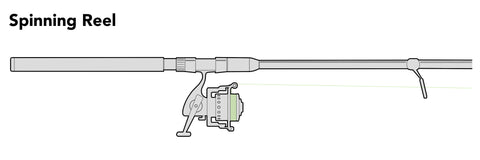
Are you ready to get your fishing rod ready for your next big catch? Knowing how to put line on your fishing rod the right way can make all the difference between a smooth day on the water and a frustrating one tangled in knots.
Whether you’re a beginner or just need a quick refresher, this guide will walk you through each step clearly and simply. By the end, you’ll feel confident and prepared to cast out with ease. Keep reading, and let’s get your fishing line set up perfectly!

Credit: n1outdoors.com
Choosing The Right Fishing Line
Choosing the right fishing line is important for a good fishing experience. The line must fit your rod, reel, and fishing style. Picking the correct line helps you catch fish easily and avoid line breaks.
This guide explains different fishing lines, line strength and diameter, and how to match the line to your rod and reel.
Types Of Fishing Lines
There are three main types of fishing lines: monofilament, fluorocarbon, and braided lines. Each type has its own uses and benefits.
- Monofilament:Made from a single fiber, it is flexible and easy to handle.
- Fluorocarbon:Almost invisible underwater, great for clear water fishing.
- Braided:Very strong and thin, it has little stretch and high sensitivity.
Line Strength And Diameter
| Line Type | Strength Range (lbs) | Diameter Range (inches) |
|---|---|---|
| Monofilament | 4 – 30 | 0.008 – 0.035 |
| Fluorocarbon | 4 – 40 | 0.008 – 0.037 |
| Braided | 10 – 80+ | 0.006 – 0.020 |
Stronger lines have thicker diameters. Thinner lines cast farther and are less visible but may break easier. Choose line strength based on fish size and fishing conditions.
Matching Line To Rod And Reel
Use the line strength that your rod and reel support. Check the rod’s label for the recommended line weight. The reel’s capacity also matters for line length and thickness.
- Light rods work best with light lines (4-10 lbs).
- Medium rods fit medium lines (10-20 lbs).
- Heavy rods need heavy lines (20+ lbs).
- Match reel spool size with line diameter and length.
Preparing The Fishing Rod
Getting your fishing rod ready is important for a successful day. Proper preparation makes fishing easier and more enjoyable.
Follow these steps to ensure your rod is in top condition before you head out. This guide will help you set up your fishing rod correctly.
Cleaning The Rod Guides
Rod guides need to be clean for smooth line movement. Dirt and salt can build up and cause problems.
Use a soft cloth and warm water to clean the guides. This removes any debris and keeps the line from snagging.
- Check guides for any visible dirt
- Use gentle pressure when cleaning
- Dry guides completely before use
Checking The Reel Setup
Ensure your reel is correctly attached to the rod. A secure reel setup is crucial for a good fishing experience.
Examine the reel seat and tighten it if needed. This prevents the reel from loosening while fishing.
- Inspect the reel for any damage
- Ensure all parts are securely fastened
- Test the reel’s drag system for smooth operation
Attaching The Line To The Reel
Putting fishing line on your rod starts with attaching it to the reel. This step is important to keep the line secure while fishing.
Follow simple steps to tie the line properly. A strong knot helps prevent losing fish or line slipping off the reel.
Spooling Techniques
Spooling means winding the fishing line onto the reel spool. It is important to spool the line evenly and tight.
Keep the line under gentle tension while spooling. This stops loose loops and tangles on the reel.
- Attach the line to the reel using an arbor knot.
- Hold the line tight as you turn the reel handle.
- Fill the spool to about 1/8 inch from the edge.
- Check that the line is evenly spread across the spool.
Avoiding Line Twists
Line twists cause tangles and reduce casting distance. Avoid twists by paying attention during spooling.
Make sure the line comes off the filler spool the same way it goes onto the reel spool. This helps keep the line straight.
- Place the filler spool so it spins freely on a smooth surface.
- Keep the line under tension while spooling.
- Do not let the line loop or tangle on the reel.
- Check for twists by pulling the line off the reel before fishing.
Threading The Line Through Guides
Threading the fishing line through the rod guides is key to a good cast. Each guide helps control the line during fishing.
Proper threading prevents tangles and keeps the line flowing smoothly. Let’s look at how to do it right.
Guide Order And Placement
Start threading from the bottom near the reel. Pass the line through each guide, moving toward the rod tip. Guides get smaller as you go up.
- Locate the guide closest to the reel.
- Pull the line through this guide.
- Continue threading through each guide in order.
- Ensure the line sits inside each guide ring.
- Finish by threading through the tip-top guide.
Ensuring Smooth Line Flow
| Tip | Why It Matters |
|---|---|
| Check for debris in guides | Prevents line damage and snags |
| Use smooth, even tension | Keeps line tight and reduces tangles |
| Replace damaged guides | Ensures consistent line flow |
| Keep guides clean and dry | Extends rod life and performance |
Securing The Line End
After putting fishing line on your rod, you need to secure the line end. This keeps the line from slipping off. It also helps keep your setup neat and ready to use.
There are simple ways to hold the line in place. You can tie knots or use line clips and stops. Both ways are easy and effective.
Tying Knots
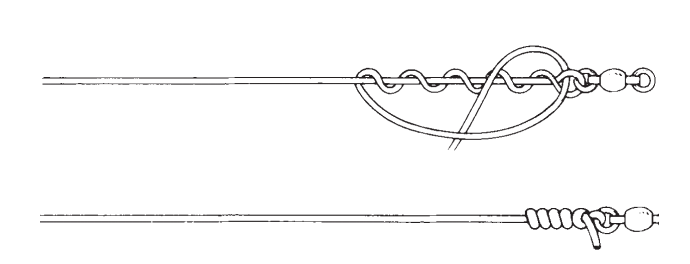
Tying knots at the end of the line is a strong way to secure it. A good knot stops the line from slipping through the rod guides or reel.
Simple knots work well and are easy to learn. Make sure you pull the knot tight to keep it secure.
- Overhand knot: easy to tie and holds well
- Figure-eight knot: strong and stops line slipping
- Uni knot: good for attaching hooks or clips
Using Line Clips Or Stops
Line clips or stops are small tools to hold the line end. They keep the line fixed without needing knots.
Clips snap onto the line and hold it tight. Stops slide on the line and block it from moving. Both help avoid line slips and keep your fishing gear tidy.
- Line clips attach quickly and release easily
- Line stops slide on and stay in place firmly
- Both prevent the line from unwinding on the rod
Credit: usfws.medium.com
Testing The Setup
After putting the line on your fishing rod, it is important to test the setup. Testing helps ensure the line is secure and works well. It also helps you find any problems before you start fishing.
Check the rod, reel, and line for smooth operation. Make sure the line flows easily and does not tangle. Testing your setup will give you confidence on the water.
Casting Practice
Practice casting the line several times in an open space. This helps you see how the line moves and if it flows well from the reel. Watch for any snags or tangles during the cast.
Try casting different distances to get a feel for the rod and line. Adjust your grip and casting speed to improve accuracy and distance. This practice builds muscle memory for smooth casts.
Adjusting Tension And Drag
Check the tension on the line by pulling it gently. The line should hold firm but still allow some stretch. Adjust the tension if the line feels too loose or too tight.
Set the drag on your reel to control how easily the line pulls out. Proper drag helps prevent the line from breaking when a fish pulls hard. Test the drag by pulling the line and adjusting the knob.
- Tighten drag for stronger fish or heavier line
- Loosen drag to allow line to pull freely
- Keep drag balanced to avoid line breakage
Maintaining Your Fishing Line
Taking care of your fishing line helps it last longer and work better. Regular maintenance keeps your fishing trips smooth and fun.
Checking and replacing your line prevents breaks and lost catches. Keep your fishing line in top shape with simple steps.
Regular Inspections
Look at your fishing line before and after each trip. Check for cracks, frays, or weak spots on the line.
Damaged line can break easily and cause you to lose fish. Running your fingers along the line helps find rough areas.
- Check for discoloration or worn spots
- Feel for nicks or rough patches
- Look closely at knots for slipping
- Inspect the line near the reel
Replacing Old Line
Old fishing line loses strength and stretch. Replace it regularly to avoid line breaks during fishing.
Remove the old line from your reel carefully. Wind new line tightly and evenly on the spool.
- Replace line after several fishing trips
- Change line if it looks faded or brittle
- Use the right type and strength for your fishing
- Store line in a cool, dry place when not in use

Credit: www.youtube.com
Frequently Asked Questions
How Do I Start Putting Line On A Fishing Rod?
Begin by threading the line through the rod guides starting at the tip. Secure the line to the reel spool with an arbor knot. Wind the line evenly onto the spool, maintaining tension to avoid tangles or loose coils during the process.
What Type Of Fishing Line Should I Use?
Choose a fishing line based on your target fish and environment. Monofilament is versatile, fluorocarbon is nearly invisible underwater, and braided line offers high strength. Consider factors like water clarity, rod type, and fish size when selecting your line.
How Much Line Should I Put On My Fishing Reel?
Fill the reel spool to about 1/8 inch below its rim. Overfilling can cause tangles, while underfilling reduces casting distance. Adjust the amount of line based on your fishing style and the reel’s capacity for optimal performance.
How Can I Avoid Line Tangles When Loading A Reel?
Keep consistent tension on the line while winding it onto the spool. Avoid twisting the line and ensure it lays evenly. Using a line conditioner or wetting the line before spooling can also help reduce tangles and improve casting smoothness.
Conclusion
Putting line on a fishing rod is simple with practice. Start slow, follow each step carefully. Check knots to keep the line strong. Make sure the line runs smooth and tight. This helps catch more fish without trouble. Try different lines for various fishing types.
Enjoy your time by the water. Each attempt gets easier and better. Happy fishing!