Are you wondering how much fishing line really costs before you make your next purchase? Whether you’re a beginner or a seasoned angler, knowing the right price can save you money and help you choose the best line for your fishing needs.
You’ll discover what affects the price of fishing line, the different types available, and tips to get the best value for your money. Keep reading to make sure your next fishing trip starts with the perfect line at the perfect price.

Credit: fishingbooker.com
Fishing Line Types
Fishing lines come in many types. Each type has different features. Choosing the right line helps catch more fish.
This guide explains four common types of fishing lines. Learn their uses and benefits.
Monofilament
Monofilament is a single strand of nylon. It is soft and easy to handle. This line stretches under pressure, reducing fish break-offs.
It works well for beginners and many fishing styles. Monofilament is usually affordable and comes in many colors.
Fluorocarbon
Fluorocarbon lines are nearly invisible underwater. They sink faster than monofilament. Anglers use them for clear water fishing.
- Low visibility for shy fish
- Good abrasion resistance
- Less stretch than monofilament
- Can be harder to handle
Braided
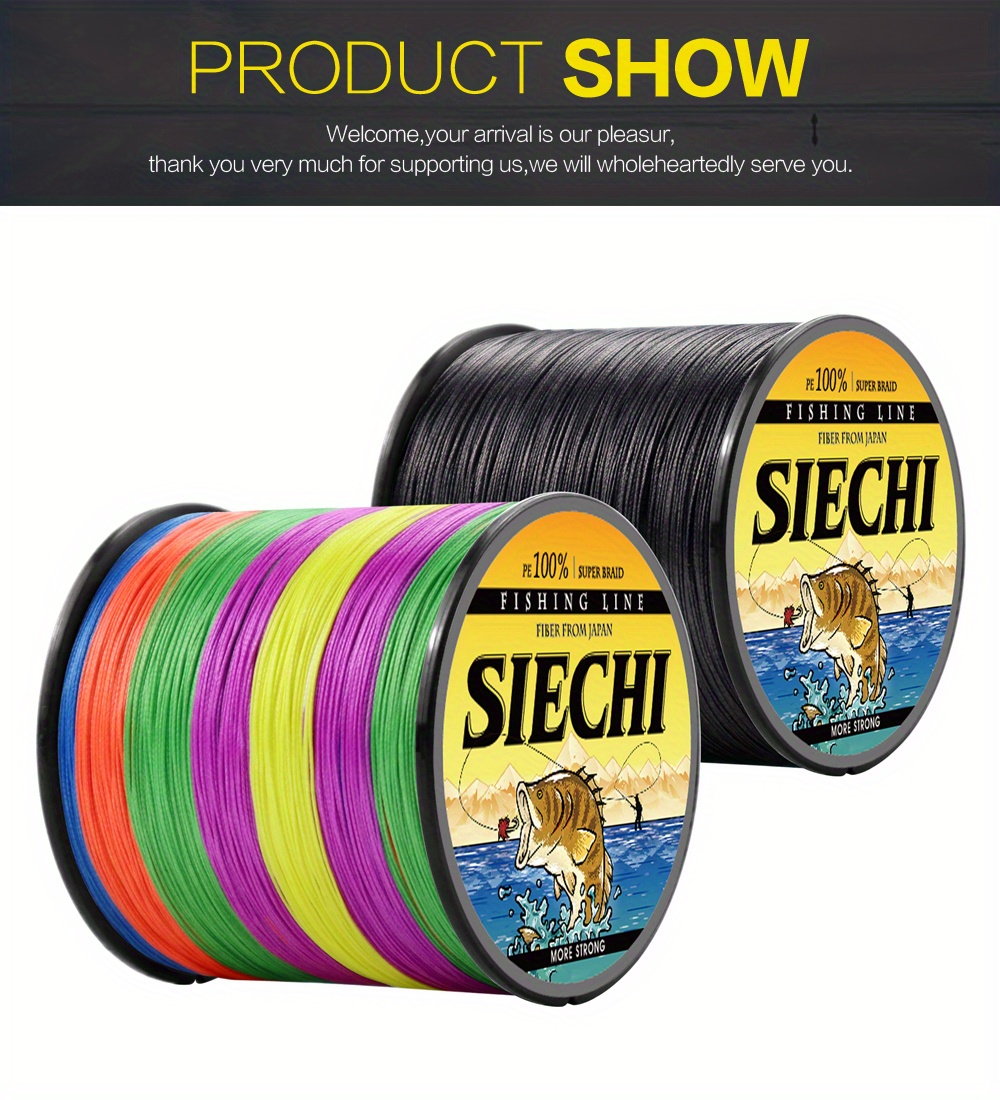
Braided lines are made of woven fibers. They have very high strength and almost no stretch. Braided lines cast far and last long.
| Feature | Benefit |
| High strength | Can catch big fish |
| No stretch | Better hook sets |
| Thin diameter | More line on reel |
| Visible in water | May scare fish |
Specialty Lines
Specialty lines include fluorocarbon-coated braided lines and copolymer lines. These combine features for specific fishing needs.
Examples of specialty lines:
- Fluorocarbon-coated braid: less visible, strong
- Copolymer: mix of nylon types, balanced stretch
- Lead core: sinks fast for deep water

Credit: farbank.com
Price Factors
Fishing line prices depend on many factors. Understanding these can help you make a smart purchase.
This guide covers the main elements that influence the cost of fishing lines.
Material Quality
The material of the fishing line greatly affects its price. Lines made from high-quality materials tend to cost more.
- Monofilament: Affordable and flexible
- Braided: Strong but can be expensive
- Fluorocarbon: Invisible underwater, often pricier
Line Strength And Thickness
Stronger lines with greater thickness usually cost more. They are made to handle heavier catches.
| Line Type | Strength (lb) | Price Range |
| Light | 2-8 lb | $5-$10 |
| Medium | 10-20 lb | $10-$20 |
| Heavy | 20+ lb | $20+ |
Brand Reputation
Well-known brands often charge more for their fishing lines. Their reputation for quality justifies the higher cost.
Spool Size
Larger spools provide more line, often at a better per-foot price. Buying in bulk can save money in the long run.
Cost Range By Type
Fishing lines come in many types and prices. The cost depends on the material and strength.
Choosing the right line means balancing quality and price. Here are typical cost ranges.
Budget Options
Budget fishing lines are good for beginners or casual fishers. They usually cost less but still work well.
These lines are often made from nylon monofilament. They are easy to handle and stretch a bit.
- Price range: $5 to $15 per spool
- Material: Monofilament
- Strength: Low to medium pound test
Mid-range Lines
Mid-range lines offer better durability and less stretch. They suit regular fishing activities.
These lines include fluorocarbon and braided options. They cost more but last longer.
- Price range: $15 to $40 per spool
- Material: Fluorocarbon or braided
- Strength: Medium to high pound test
Premium Choices
Premium fishing lines are designed for serious anglers. They offer high strength and low visibility.
These lines are made with advanced materials. They cost the most but give great performance.
- Price range: $40 to $80 or more per spool
- Material: High-quality braided or fluorocarbon blends
- Strength: Very high pound test with low stretch
Choosing Based On Fishing Style
Fishing line prices vary depending on type and quality. Choosing the right line depends on your fishing style.
Different fishing styles need different line strengths, materials, and lengths. Picking the right line helps catch more fish.
Freshwater Fishing
Freshwater fishing uses lines that balance strength and flexibility. Most lines cost less than saltwater lines.
Monofilament and fluorocarbon lines are popular for freshwater fishing. They work well for bass, trout, and panfish.
- Line strength: 6-12 lb test
- Price range: $5 to $15 per spool
- Common types: Monofilament, Fluorocarbon
Saltwater Fishing
Saltwater fishing needs strong and durable lines. These lines resist corrosion from salt and sun damage.
Braided lines are common because they offer high strength and low stretch. They cost more than freshwater lines.
- Line strength: 20-80 lb test
- Price range: $15 to $40 per spool
- Common types: Braided, Fluorocarbon
Fly Fishing
Fly fishing uses special lines that help cast light flies. These lines are thicker and heavier than regular lines.
Fly lines cost more because of their design. They come in weight classes to match different rods and fish types.
- Line weight: 1-12 weight classes
- Price range: $20 to $50 per spool
- Common types: Floating, Sinking
Ice Fishing
Ice fishing lines must stay flexible in cold weather. They also need to resist abrasion from ice.
Monofilament and braided lines work well for ice fishing. They are usually thinner and less expensive.
- Line strength: 4-10 lb test
- Price range: $5 to $20 per spool
- Common types: Monofilament, Braided
Durability And Performance
Fishing line quality affects how well it works and lasts. Durability and performance are key factors.
Good fishing line must resist damage and handle strong pulls from fish. It also needs to be sensitive for better control.
Abrasion Resistance
Abrasion resistance means how well the fishing line resists wear from rough surfaces. Rocks, logs, and fish teeth can damage the line.
Lines with high abrasion resistance last longer and reduce the chance of breaking during fishing.
- Strong coatings protect the line
- Thicker lines often resist abrasion better
- Some materials are more durable against friction
Knot Strength
Knot strength shows how well a fishing line holds when tied in knots. Weak knots can cause line breaks.
Good knot strength means the line keeps its strength even at knots, which are common weak points.
- Tying correct knots improves strength
- Some lines hold knots better than others
- Test knot strength before fishing
Stretch And Sensitivity
Stretch affects how much the line can extend under pressure. It helps absorb shocks from fish pulling hard.
Sensitivity is how well anglers feel bites or movements through the line. Less stretch means more sensitivity.
- Low stretch lines give better bite detection
- Higher stretch lines reduce shock on heavy fish
- Choose based on fishing style and target fish
Credit: officesuppliesphoenix.com
Where To Buy Fishing Line
Fishing line is an important part of fishing gear. It helps catch fish and affects fishing success. You can buy fishing line from many places. Choosing the right store can save money and time.
This guide shows common places to buy fishing line. It covers local stores, online retailers, and wholesale options.
Local Stores
Local stores are good for buying fishing line quickly. You can see the product before buying. Staff may help you choose the right type.
Common local stores include sporting goods shops and bait shops. Prices may be higher than online, but you get the product immediately.
- Sporting goods stores
- Fishing specialty shops
- Outdoor equipment stores
- General retail stores with fishing sections
Online Retailers
Online retailers offer many choices for fishing line. You can compare prices and brands easily. Delivery is usually fast and convenient.
Shopping online helps find special types or hard-to-find lines. Check product reviews before buying to make a smart choice.
- Large online marketplaces
- Fishing gear specialist websites
- Manufacturer official stores
- Discount and deal sites
Wholesale Options
Wholesale buying is good for fishing clubs or shops. Buying in bulk lowers the price per unit. It is useful if you need a lot of fishing line.
Wholesale suppliers may require a business license. Some sell to the public at a discount. Compare prices to find the best deal for bulk purchases.
- Wholesale fishing gear suppliers
- Bulk online marketplaces
- Local wholesalers for outdoor gear
- Trade shows and fishing expos
Tips For Saving Money
Fishing line prices vary based on type and length. You can save money by buying smart.
Use these tips to spend less while getting good fishing line that lasts.
Buying In Bulk
Buying fishing line in large spools lowers the price per yard. It reduces trips to the store too.
- Look for bulk packages online or in stores.
- Share large spools with friends to split costs.
- Store extra line properly to keep it fresh.
Seasonal Sales
Fishing gear often goes on sale in off-season months. Check stores around winter or early spring.
| Season | Sale Chances | Tips |
| Winter | High | Buy last year’s stock |
| Spring | Medium | Look for early deals |
| Summer | Low | Watch for holiday sales |
| Fall | Medium | Check clearance racks |
Choosing Versatile Lines
Select fishing lines that work for many types of fishing. This cuts down on buying many kinds.
Here are good line types to consider:
- Monofilament: Cheap and easy to use for many fish.
- Fluorocarbon: Durable and good for clear water.
- Braided: Strong and good for heavy fishing.
Frequently Asked Questions
How Much Does Fishing Line Usually Cost?
Fishing line prices vary by type and length. Basic monofilament lines start around $5 per spool. Premium braided or fluorocarbon lines can cost $15 to $30 or more. Specialty lines and longer spools increase the price. Always compare quality and brand for the best value.
What Factors Affect Fishing Line Price?
Price depends on line material, strength, length, and brand. Monofilament is cheapest, while braided and fluorocarbon are pricier. Higher pound-test ratings and longer lengths also raise costs. Specialty coatings and durability features may increase price. Choose based on fishing style and budget.
Where Can I Buy Affordable Fishing Line?
Affordable fishing line is available at sporting goods stores, online retailers, and big-box stores. Websites like Amazon and Bass Pro Shops offer competitive prices and deals. Local stores may have discounts or clearance sales. Compare prices online to find the best bargains.
Is Expensive Fishing Line Worth The Cost?
Expensive fishing lines offer better durability, sensitivity, and strength. They perform well in tough conditions and last longer. For casual fishing, budget lines may suffice. Serious anglers benefit from investing in quality lines for improved fishing success and reliability.
Conclusion
Fishing line prices vary based on type and quality. Nylon lines tend to be cheaper, while braided lines cost more. Choosing the right line depends on your fishing needs and budget. Always compare prices before buying to get the best deal.
Remember, good fishing line helps improve your catch. Spending a little more can mean better strength and durability. Think about the fish you want to catch and the water you fish in. This way, you pick the best line without overspending.
Keep your fishing trips fun and successful.