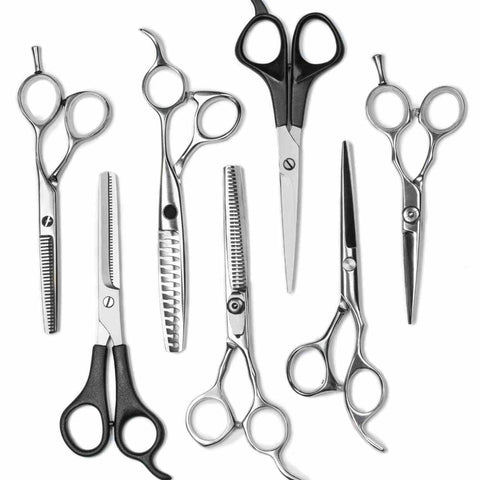
Have you ever stood in front of a tool rack wondering whether to grab scissors or shears? At first glance, they might look alike, but knowing the difference can save you time, effort, and frustration.
Whether you’re cutting fabric, paper, or something else, using the right tool makes all the difference. You’ll discover exactly what sets scissors and shears apart, so you can choose the perfect one for your task every time. Keep reading to unlock simple tips that will sharpen your skills and boost your confidence.

Credit: www.reddit.com
Scissor Basics
Scissors are simple tools used for cutting. They have two sharp blades joined in the middle.
People use scissors in homes, schools, and offices for many tasks. Understanding their design helps to use them better.
Design And Structure
Scissors have two metal blades connected by a pivot. This allows the blades to open and close smoothly.
- The handles are usually made of plastic or metal.
- They have finger holes for a comfortable grip.
- Blades are often straight and sharp for precise cutting.
- Some scissors have blunt tips for safety.
Common Uses
Scissors are used for many cutting tasks. They work well on paper, fabric, and thin materials.
| Use | Description |
| Paper Cutting | Cutting sheets of paper for crafts or office work |
| Fabric Cutting | Trimming cloth in sewing and tailoring |
| Hair Cutting | Shaping hair with special sharp scissors |
| Kitchen Use | Cutting herbs or opening packages |
Shears Explained
Shears are cutting tools often confused with scissors. They have specific features that set them apart.
Understanding these features helps in choosing the right tool for the job.
Design Features
Shears are designed with larger, longer blades. This makes them ideal for cutting through thicker materials.
- One handle is usually larger for better grip.
- Blades are often longer than 6 inches.
- They have a heavier build compared to scissors.
Typical Applications
Shears are used in various settings. They are versatile tools for different tasks.
| Application | Description |
| Gardening | Trimming plants and branches |
| Fabric Cutting | Seamstress tasks on heavy fabrics |
| Hairdressing | Styling and cutting hair |
Comparing Scissors And Shears
Scissors and shears are common tools for cutting materials. They look similar but have distinct differences. Understanding these differences helps in choosing the right tool for a task.
Both tools have two blades and handles. They cut by moving the blades past each other. Yet, their size, shape, and use vary significantly.
Size And Shape Differences
Scissors are usually smaller and lighter. They have equal-length blades and handles. Shears are larger with longer blades and bigger handles. This helps to cut thicker materials.
Shears often have one handle larger than the other. This design gives more power and control. Scissors are designed for precision and light tasks.
- Scissors: Small, equal blade and handle size
- Shears: Large, longer blades, bigger handles
- Shears’ handles differ in size for grip strength
Cutting Mechanism Variations
Both scissors and shears use a pivot to cut. Scissors blades cross each other closely. This allows precise and clean cuts.
Shears have a stronger pivot and blade angle. This helps cut thick or tough materials like fabric or metal. The blades are often sharper and more robust.
- Scissors: Blades cross closely for detailed cuts
- Shears: Stronger pivot and blade angle for tough cuts
- Shears cut thicker materials with more force
Material And Durability
Scissors are usually made from lighter metals or plastic. They are for everyday light use. Shears often use stronger metals like stainless steel.
Shears need to last longer and handle more force. Their blades are thicker and more durable. Scissors wear out faster when used on tough materials.
- Scissors: Lighter materials, less durable
- Shears: Strong metals, thicker blades
- Shears built for long-lasting use and strength

Credit: www.jpscissors.com
Choosing The Right Tool
Scissors and shears look alike but serve different purposes. Choosing the right one helps you finish tasks easily.
Knowing when to use scissors or shears saves time and gives better results. This guide helps you decide.
Task-specific Recommendations
Scissors are best for light cutting like paper or cloth. Shears work well on heavier materials like fabric or leather.
Use scissors for small, precise cuts. Use shears for larger, tougher jobs.
- Scissors: Paper, thin fabric, crafts
- Shears: Thick fabric, cardboard, upholstery
- Choose based on material thickness and cut size
Ergonomics And Comfort
Comfort matters if you cut for a long time. Shears often have bigger handles for a better grip.
Look for handles that fit your hand well. Scissors with soft grips reduce hand strain.
- Choose handles that match your hand size
- Soft grips lower fatigue
- Lightweight tools are easier to use for long tasks
Maintenance Tips
Keeping scissors and shears sharp and clean helps them last longer. Proper care makes cutting easier and safer.
Learn simple ways to sharpen and store your tools to protect their edges and prevent damage.
Sharpening Techniques
Both scissors and shears need regular sharpening to stay effective. Dull blades can tear fabric or make cutting hard.
- Use a sharpening stone or a diamond file for best results.
- Hold the blade at the correct angle, usually about 75 degrees.
- Sharpen each blade slowly and evenly from base to tip.
- Remove burrs by lightly running a fine file or a soft cloth along the edge.
- Test the sharpness by cutting a piece of paper or fabric carefully.
Storage Advice
Storing scissors and shears properly protects the blades and prevents accidents. Avoid tossing them in drawers with other tools.
| Storage Method | Benefit |
|---|---|
| Use a blade cover or sheath | Prevents blade damage and accidents |
| Keep in a dry place | Stops rust and corrosion |
| Store in a dedicated box or holder | Keeps tools organized and safe |
| Oil pivot points regularly | Maintains smooth opening and closing |

Credit: scissortec.com
Frequently Asked Questions
What Is The Main Difference Between Scissors And Shears?
Scissors are smaller, designed for light cutting tasks. Shears are larger with longer blades, meant for heavy-duty cutting like fabric or thick materials.
Are Shears Better Than Scissors For Fabric Cutting?
Yes, shears provide cleaner cuts on fabric due to their sharp, longer blades. Scissors may cause uneven edges on thick fabric.
Can Scissors And Shears Be Used Interchangeably?
While similar, they are not fully interchangeable. Shears suit heavy materials, scissors work best for precise, light cutting tasks.
Why Do Shears Have Longer Handles Than Scissors?
Longer handles on shears offer better leverage and power. This helps in cutting tougher materials with less effort.
Conclusion
Scissors and shears look alike but serve different tasks. Scissors are small and good for light cutting like paper. Shears are bigger and stronger for cutting thick materials. Choosing the right tool helps you work better and faster. Now you can pick scissors or shears with confidence.
Both have their place in daily use and crafts. Understanding their difference makes cutting easier and more precise. Use this knowledge next time you need to cut something. Simple tools, clear purpose.