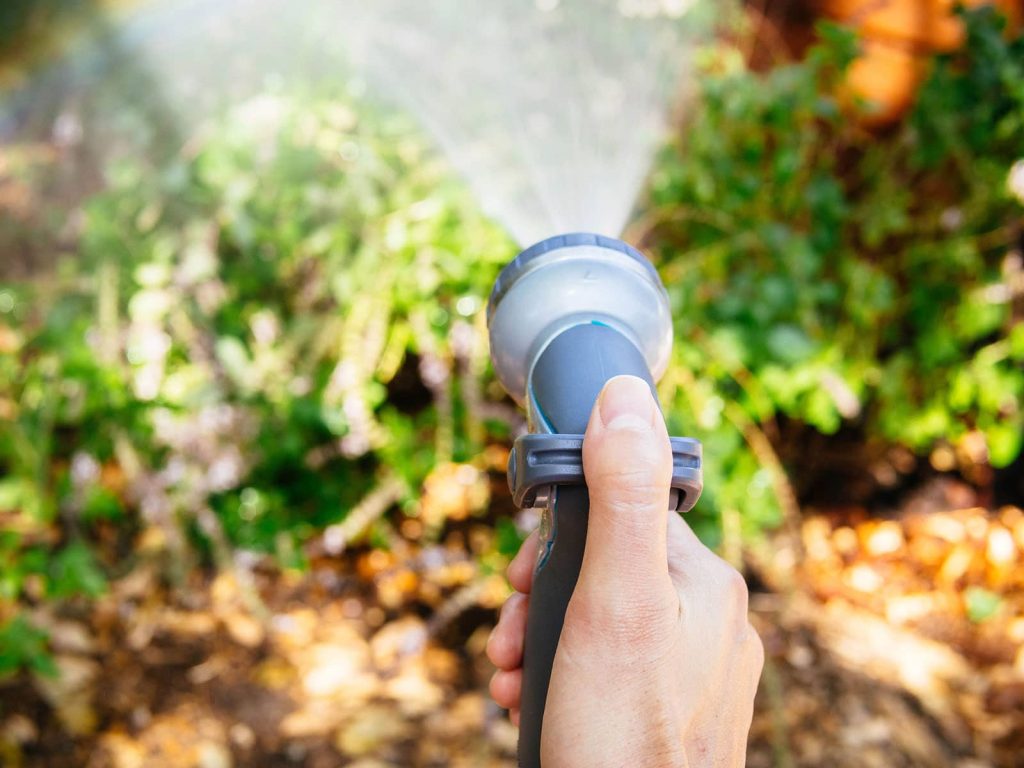
Have you ever wondered how much water flows through your garden hose every minute? Knowing the gallons per minute (GPM) from your hose can help you water your plants more efficiently, save water, and even avoid wasting money on your water bill.
Whether you’re filling a pool, washing your car, or watering your garden, understanding this simple number can make a big difference. Keep reading, and you’ll learn how to measure your hose’s flow rate easily and why it matters for your daily tasks.

Credit: www.amazon.ca
Factors Affecting Hose Flow
The flow rate of water from a garden hose depends on several factors. Understanding these can help you get the right amount of water for your needs.
We will look at hose diameter, water pressure, hose length, and nozzles to see how each affects water flow.
Hose Diameter Impact
The diameter of a hose controls how much water can pass through it. A larger diameter means more water flow.
Small diameters restrict water and reduce gallons per minute (GPM). Larger hoses let water flow faster and in bigger amounts.
- 1/2 inch hose: low flow, less water
- 5/8 inch hose: common size, medium flow
- 3/4 inch hose: high flow, more water
Water Pressure Role
Water pressure pushes water through the hose. Higher pressure increases the flow rate.
Low pressure means water moves slowly and less water flows out. Pressure depends on your water source and pump strength.
- High pressure: faster flow, more gallons per minute
- Low pressure: slower flow, less gallons per minute
Hose Length Effects
Longer hoses reduce water flow because friction slows down water inside the hose. Short hoses have less friction and better flow.
Keep hose length as short as possible to keep flow strong. Long hoses need higher pressure to keep good flow.
- Short hose: better water flow
- Long hose: lower flow, more pressure needed
Nozzle And Fitting Influence
Nozzles and fittings can restrict or increase water flow. A narrow nozzle reduces flow and raises pressure at the outlet.
Wide nozzles or open fittings allow more water to flow out. Some nozzles have adjustable settings to change flow rate.
- Narrow nozzle: less flow, higher pressure
- Wide nozzle: more flow, lower pressure
- Good fittings prevent leaks and flow loss
Measuring Gallons Per Minute
Knowing how many gallons flow per minute from your garden hose is useful for watering plants. You can also use this information for filling pools or other tasks.
There are several methods to measure the flow rate. These methods range from simple tests to using specialized tools.
Simple Flow Test Method
This is an easy way to find out how much water your hose gives. You only need a bucket and a stopwatch.
- Get a bucket of known volume, like a 5-gallon bucket.
- Place the bucket under the hose and turn the water on.
- Use a stopwatch to time how long it takes to fill the bucket.
- Calculate the gallons per minute using the formula:
Bucket Volume ÷ Time.
Using Flow Meters
Flow meters are tools that measure how much water passes through the hose. They are more accurate than the simple flow test.
Install the flow meter at the hose’s end. Then, read the display to see the flow rate in gallons per minute.
Calculating Flow Rate
You can also calculate the flow rate using measurements and math. This method involves knowing the hose size and water pressure.
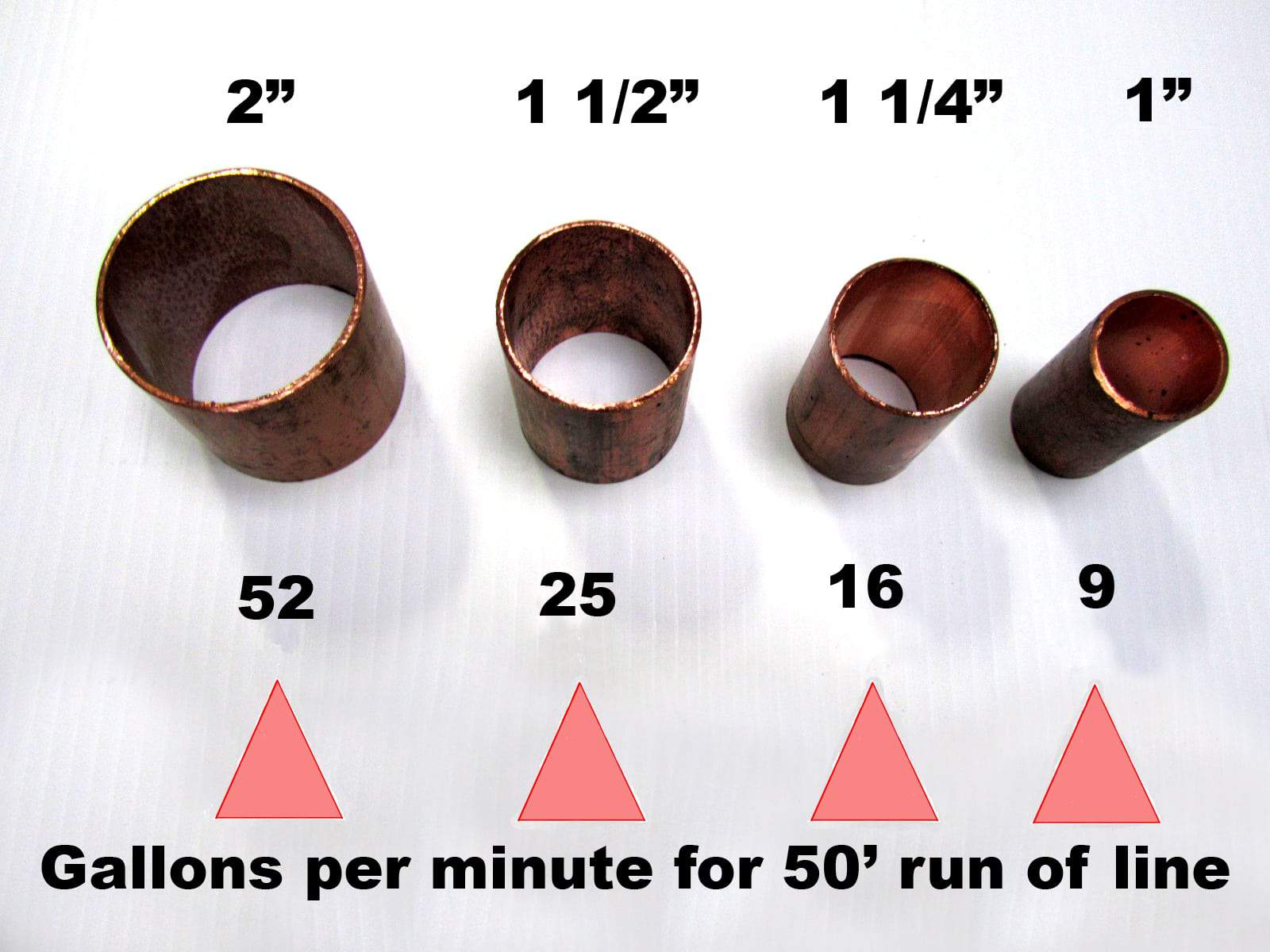
| Hose Diameter | Approximate Flow Rate (GPM) |
| 1/2 inch | 9 |
| 5/8 inch | 15 |
| 3/4 inch | 23 |
These flow rates assume average water pressure. Actual rates may vary.
Typical Flow Rates By Hose Size
Garden hoses come in different sizes, and each size lets water flow at a different rate. Knowing the flow rate helps with watering plants and other tasks.
The flow rate is usually measured in gallons per minute, or GPM. This depends on the hose diameter and water pressure.
1/2 Inch Hose Flow
A 1/2 inch hose has the smallest diameter used for garden hoses. It carries less water than larger hoses.
This hose typically flows about 4 to 7 gallons per minute. It works best for light watering or small garden tasks.
- Diameter: 1/2 inch
- Flow Rate: 4 to 7 GPM
- Best for: Small plants, flower beds
5/8 Inch Hose Flow
The 5/8 inch hose is the most common size for garden use. It balances water flow and flexibility.
This hose delivers about 8 to 12 gallons per minute. It suits general watering and washing tasks around the yard.
- Diameter: 5/8 inch
- Flow Rate: 8 to 12 GPM
- Best for: Lawns, gardens, car washing
3/4 Inch Hose Flow
A 3/4 inch hose has the largest diameter commonly used in gardens. It can deliver a strong water flow.
This hose flows around 15 to 20 gallons per minute. It is great for heavy watering and filling pools or large containers.
- Diameter: 3/4 inch
- Flow Rate: 15 to 20 GPM
- Best for: Large gardens, pools, heavy watering
Maximizing Water Flow
Garden hoses deliver water to your plants and outdoor spaces. Getting the most water flow helps finish tasks faster. Small changes can improve how much water comes out each minute.
This guide covers easy ways to keep water flowing well. You will learn how to reduce kinks, keep pressure steady, and choose the best hose type.
Reducing Kinks And Bends
Kinks and sharp bends slow water flow. Water can get stuck or pressure can drop. Avoid twisting or folding the hose too tightly. Store the hose in wide loops to keep it smooth.
- Use hose reels or holders to prevent tangles
- Lay the hose out straight before use
- Replace old hoses that kink easily
- Keep hose away from sharp edges or corners
Maintaining Proper Pressure
Water pressure affects how many gallons flow from the hose each minute. Too low pressure means slow flow. Too high pressure can damage the hose or fittings.
| Pressure Level (psi) | Effect on Flow |
| Below 20 | Low flow, slow watering |
| 20 – 50 | Optimal flow for most hoses |
| Above 50 | Risk of hose damage |
Check your outdoor faucet and hose connectors. Make sure they are tight and not leaking. Use pressure regulators if needed to keep steady flow.
Choosing The Right Hose Material
The hose material affects water flow and durability. Some materials handle pressure and bends better than others.
| Material | Flow Efficiency | Durability |
|---|---|---|
| Rubber | High | Very durable |
| Vinyl | Moderate | Less durable |
| Polyurethane | High | Lightweight, durable |
| Expandable | Varies | Prone to leaks |
Choose a hose that fits your watering needs. Rubber is best for strong flow and long life. Lightweight hoses may be easier to handle but check flow ratings.
Common Flow Problems And Fixes
Garden hoses deliver water to your plants and lawn. Sometimes, the flow slows down or stops. This can make watering hard and slow.
Understanding the common flow problems helps you fix them fast. This keeps your garden healthy and saves water.
Leaks And Blockages
Leaks let water escape before it reaches the nozzle. Blockages stop water from flowing fully through the hose.
Leaks often happen at connections or holes in the hose. Blockages can be dirt, leaves, or small objects inside.
- Check hose ends and joints for cracks or holes.
- Replace washers in connectors to stop leaks.
- Flush the hose with water to clear blockages.
- Use a wire or garden tool to remove stuck debris.
Pressure Drops
Pressure drops lower water flow speed and strength. This happens if the water source pressure is low or the hose is too long.
Old or thin hoses can cause pressure loss. Kinks and bends also reduce pressure and flow.
- Use a hose with the right diameter for your water source.
- Keep the hose straight to avoid kinks and bends.
- Shorten the hose length if possible.
- Check your water supply pressure with a gauge.
Nozzle Restrictions
Nozzles control water flow and spray pattern. Dirt or mineral buildup inside nozzles causes poor flow.
Some nozzles have adjustable settings that can get stuck or blocked. Cleaning or replacing nozzles often fixes these issues.
- Remove the nozzle and soak it in vinegar to dissolve mineral deposits.
- Use a small brush or toothpick to clean nozzle holes.
- Test all spray settings and move them to loosen stuck parts.
- Replace old or damaged nozzles for better flow.

Credit: www.amazon.ca
Applications Based On Flow Rate
The flow rate of a garden hose affects how you can use it. Different tasks need different gallons per minute (GPM). Knowing the flow rate helps you pick the right hose.
Many common uses depend on how much water flows through the hose each minute. This guide explains some uses based on flow rate.
Watering Gardens
Watering plants needs a gentle flow to avoid damage. A low to medium flow rate is best. Usually, 2 to 5 GPM works well for most gardens.
Slow watering lets soil soak up water deeply. It helps plants grow stronger roots and stay healthy.
Filling Pools And Ponds
Filling a pool or pond needs a higher flow rate. Around 5 to 10 GPM fills water faster. This saves time but needs a good water supply.
Make sure the hose and faucet can handle the pressure. Using a hose with too low flow will take longer to fill.
Power Washing Needs
Power washing requires a strong water flow to clean surfaces well. A flow rate of 6 to 10 GPM is common for this task.
High flow helps remove dirt and grime quickly. Using a hose with low flow may reduce cleaning power.
Credit: www.balkanplumbing.com
Frequently Asked Questions
How Many Gallons Per Minute Does A Garden Hose Deliver?
A typical garden hose delivers about 9 to 17 gallons per minute. The flow rate depends on hose diameter and water pressure. Larger hoses and higher pressure increase gallons per minute. This helps determine watering time and water usage.
What Affects Gallons Per Minute From A Garden Hose?
Water pressure, hose diameter, and length affect gallons per minute. Higher pressure and wider hoses allow more water flow. Longer hoses reduce flow due to friction loss. These factors influence how fast water exits the hose.
How To Measure Gallons Per Minute From A Garden Hose?
To measure, fill a container of known volume using the hose. Record the time it takes to fill it. Divide volume by time to get gallons per minute. This method is simple and accurate for flow rate measurement.
Why Is Knowing Gallons Per Minute Important For Garden Hoses?
Knowing gallons per minute helps manage water usage and irrigation timing. It ensures plants get enough water without waste. It also helps select the right hose for specific watering needs. Efficient water use saves money and conserves resources.
Conclusion
Knowing the gallons per minute from a garden hose helps manage water use. It affects how fast you water plants or wash your car. Hose size and water pressure both change the flow rate. Measuring flow helps save water and avoid waste.
Choose the right hose for your needs. Simple steps make watering easier and more efficient. Keep these points in mind for better garden care. Water smart, save time, and protect your plants.