Are you struggling to tie your fishing lure just right? Knowing how to tie a fishing lure properly can make all the difference between a great catch and a missed opportunity.
It’s not just about getting the knot done—it’s about making sure your lure stays secure, looks natural in the water, and helps you reel in more fish. You’ll discover simple, step-by-step techniques that anyone can master quickly. Get ready to improve your fishing game and enjoy more success on your next trip!

Credit: www.youtube.com
Choosing The Right Knot
Tying a fishing lure correctly starts with selecting the right knot. The knot you choose affects how strong and secure your lure stays on the line.
Different knots work better for various types of fishing lines and lures. Knowing which knot to use helps you catch fish without losing your tackle.
Popular Knots For Fishing
Some knots are popular because they are easy to tie and hold well. These knots suit many fishing situations, from freshwater to saltwater fishing.
- Improved Clinch Knot: Great for attaching lures to monofilament line.
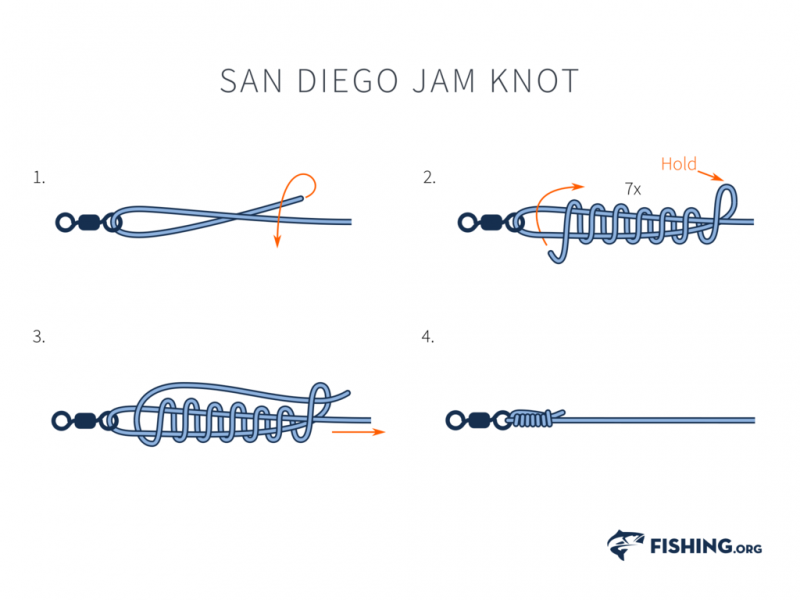
- Palomar Knot: Strong and simple, good for braided lines.
- Loop Knot: Allows lure to move freely for better action.
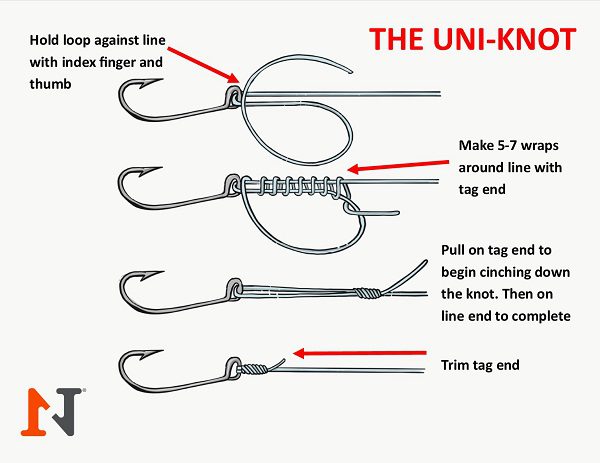
- Uni Knot: Versatile for different line types and sizes.
Knot Strength And Purpose
| Knot Name | Strength | Best Use |
|---|---|---|
| Improved Clinch Knot | High | General lure attachment on monofilament |
| Palomar Knot | Very High | Heavy lures and braided lines |
| Loop Knot | Moderate | Lures needing free movement |
| Uni Knot | High | Versatile for many line types |
Credit: medium.com
Preparing Your Line And Lure
Tying a fishing lure is an essential skill for anglers. It ensures your lure stays secure while fishing.
Let’s explore how to prepare your line and lure effectively for a successful fishing trip.
Selecting The Proper Line
Choosing the right fishing line is important. It depends on the type of fishing and fish.
Consider the strength and flexibility of the line. These factors help in casting and reeling in fish.
- Monofilament line is great for beginners.
- Braided line offers high strength and durability.
- Fluorocarbon line is almost invisible underwater.
Attaching The Lure
Attaching the lure correctly prevents it from slipping. This increases your chances of catching fish.
Use a reliable knot to secure the lure. Practice tying knots to ensure they are strong and secure.
- Palomar knot is simple and effective.
- Improved clinch knot is strong for most lures.
- Loop knot allows the lure to move freely.
Step-by-step Knot Tying
Tying a fishing lure correctly helps keep it secure on your line. This guide shows simple steps for three common knots. Each knot has a different use and strength.
Follow these steps carefully to tie your lure without slipping. Practice each knot to become comfortable with the process.
Improved Clinch Knot
The Improved Clinch Knot is popular for attaching a lure to a fishing line. It is strong and easy to tie. This knot works well with monofilament lines.
Start by threading the line through the lure eye. Wrap the line around itself five to seven times. Pass the end through the small loop near the eye, then back through the big loop. Pull tight and trim the tag end.
- Thread line through lure eye
- Wrap line 5-7 times around itself
- Pass end through small loop near eye
- Pass end back through big loop
- Pull tight and trim excess
Palomar Knot
The Palomar Knot is strong and simple. It keeps lure movement natural. This knot works well with braided and monofilament lines.
Double about six inches of line and pass the loop through the lure eye. Tie a loose overhand knot with the doubled line. Pass the lure through the loop. Pull both ends to tighten and cut the tag end.
- Double 6 inches of line
- Pass loop through lure eye
- Tie loose overhand knot
- Pass lure through loop
- Pull tight and trim excess
Loop Knot
The Loop Knot gives your lure more freedom to move. It is useful for lifelike action. This knot keeps the lure loose on the line.
Make an overhand knot in the line about 10 inches from the end. Pass the tag end through the lure eye. Then pass it through the overhand knot loop. Wrap the tag end around the standing line five times. Pass it back through the overhand knot loop. Tighten and trim the tag end.
- Make overhand knot 10 inches from line end
- Pass tag end through lure eye
- Pass tag end through overhand knot loop
- Wrap tag end around standing line 5 times
- Pass tag end back through overhand knot loop
- Tighten and trim excess
Tips For Knot Security
Tying a fishing lure correctly helps keep your catch on the line. Strong knots stop the lure from slipping off.
Use simple tricks to make your knot more secure and last longer in water.
Moistening The Line
Wet the fishing line before tightening the knot. This stops the line from heating up and breaking.
Use water or saliva to moisten the line. It helps the knot tighten smoothly and stay strong.
Tightening Techniques
Pull the knot slowly and evenly to tighten it. Fast pulling can weaken the line or cause a bad knot.
Hold the lure and the line firmly while tightening. Check the knot for any twists or loose loops.
- Pull line gently and steady
- Hold both ends during tightening
- Look for tight, neat knot loops
Trimming Excess Line
Cut off extra line close to the knot. Leaving too much line can cause tangles or catch weeds.
Use sharp scissors or clippers. Trim the tag end carefully without cutting the knot itself.
- Trim line about 1/8 inch from knot
- Use sharp tools for a clean cut
- Check knot after trimming
Common Mistakes To Avoid
Tying a fishing lure correctly helps catch more fish. Many anglers make simple mistakes that weaken their knots and lose fish. Avoiding these errors improves your success on the water.
Focus on the details when tying your lure. Small errors can cause big problems. Learn about common mistakes to improve your fishing skills.
Weak Knots
Using weak knots is a common problem. Knots that are tied poorly can slip or break under pressure. This causes you to lose your lure or the fish.
- Not tightening the knot enough
- Using too few wraps or turns
- Cutting the tag end too short
- Failing to wet the line before tightening
Incorrect Threading
Threading the line wrong hurts the knot strength. The line must pass correctly through the lure eye. Twisting or looping the line can weaken the connection.
| Common Threading Errors | Result |
| Crossing the line over itself | Reduces knot strength |
| Not passing through all lure eyelets | Causes lure wobble |
| Leaving slack before knot | Leads to slipping knot |
Ignoring Line Type
Different fishing lines need different knots and techniques. Ignoring your line type leads to weak ties and lost lures. Use the right knot for your line.
Here are tips based on line type:
- Monofilament:Use knots with multiple wraps like Improved Clinch.
- Fluorocarbon:Wet the line and tighten slowly to avoid damage.
- Braid:Use knots that grip well, such as Palomar or Double Uni.
Testing Your Knot Strength
It is important to test your fishing knot before casting. A strong knot will hold your lure safely. Testing helps avoid losing fish or gear.
Check your knot strength often. Water and use can weaken knots over time. Knowing how to test keeps your fishing line secure.
Pull Test Methods
Pull tests show how well your knot holds under pressure. Use your hands or tools to pull the line. Pull slowly to feel if the knot slips or breaks.
You can tie the knot to a fixed object or your lure. Pull the line hard but controlled. If the knot stays tight, it is strong enough.
- Hold the lure in one hand and the line in the other.
- Pull slowly to check for slipping or loosening.
- Try pulling with moderate force, similar to a fish pull.
- Look for any signs of damage or fraying.
- Repeat the test a few times to be sure.
When To Retie
Retie your knot if you notice any weakness. Always check after catching a fish or snagging on rocks. Knots can weaken and fail without warning.
Retie if the knot slips, loosens, or the line looks damaged. Change knots regularly to keep your fishing safe and reliable.
- After catching a large or strong fish
- When the knot feels loose or slips during the pull test
- If the line near the knot looks worn or frayed
- After snagging on underwater debris or rocks
- Before starting a new fishing session

Credit: www.youtube.com
Frequently Asked Questions
How Do You Tie A Fishing Lure Securely?
To tie a fishing lure securely, use a strong knot like the Improved Clinch Knot. Thread the line through the lure eye, wrap it five times, then pass through the loop and tighten. This ensures a reliable connection and prevents lure loss while fishing.
What Is The Best Knot For Tying Fishing Lures?
The Improved Clinch Knot is the best for tying fishing lures. It offers strength and durability, keeping the lure firmly attached. It’s easy to tie and works well with most fishing lines, making it a popular choice among anglers.
How Tight Should A Fishing Lure Knot Be?
A fishing lure knot should be tight but not overly so. Tighten the knot firmly to prevent slipping, but avoid pulling too hard to prevent line damage. Proper tension ensures the lure stays attached and performs effectively in the water.
Can I Use Any Fishing Line To Tie Lures?
Yes, you can use most fishing lines to tie lures, including monofilament, fluorocarbon, and braided lines. Each line type may require slight knot adjustments for optimal strength. Choose the line based on fishing conditions and lure type for best results.
Conclusion
Tying a fishing lure is simple with the right steps. Practice makes your knots strong and reliable. Use clear, smooth movements to avoid tangles. A well-tied lure stays on and catches fish. Try different knots to see which fits best.
Keep your line tight and check it often. Enjoy fishing more by tying your lures correctly. Small efforts lead to better catches and fun. Keep learning and improving each time you fish.