Are you ready to catch more fish and make your fishing trips more exciting? Using a lure can transform your fishing experience, making it easier and more fun to attract the fish you want.
But knowing how to fish with a lure isn’t just about throwing it in the water—you need the right techniques to get the best results. You’ll discover simple, effective tips that will help you master lure fishing quickly. Keep reading, and you’ll learn how to turn your next fishing adventure into a real success.

Credit: mysterytacklebox.com
Choosing The Right Lure
Fishing with a lure can catch more fish than bait. Picking the right lure is key. It helps you attract the fish you want to catch.
There are many types of lures. You also need to match the lure to the fish and the water. This guide will help you choose better.
Types Of Fishing Lures
Different lures work in different ways. Some look like small fish, while others flash or vibrate. Each type can catch certain fish better.
- Spinnerbaits: Flash and spin to attract fish.
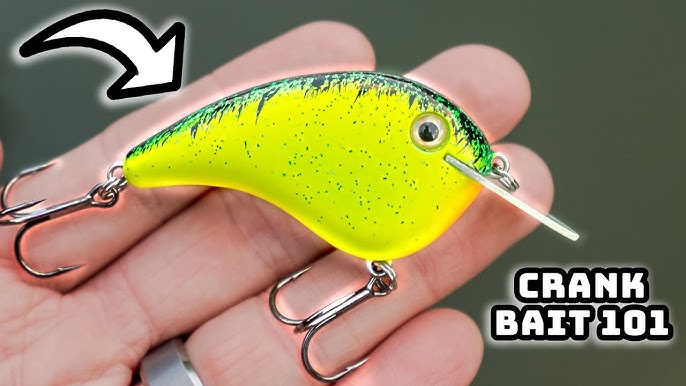
- Crankbaits: Dive and wobble like a swimming fish.
- Soft Plastics: Imitate worms or small creatures.
- Jigs: Bounce on the bottom to lure fish close.
- Spoons: Shine and flutter like injured baitfish.
Matching Lures To Fish Species
Each fish species prefers different lures. Choose a lure that looks like the fish’s usual food. This helps in catching the right fish.
| Fish Species | Best Lure Types |
| Bass | Spinnerbaits, Crankbaits, Soft Plastics |
| Trout | Spoons, Small Crankbaits, Jigs |
| Walleye | Jigs, Soft Plastics, Spinnerbaits |
| Pike | Spoons, Large Crankbaits, Spinnerbaits |
| Salmon | Spoons, Plugs, Jigs |
Lure Colors And Water Conditions
The color of your lure should match the water clarity and light. Fish see colors differently in clear or murky water.
- Clear Water: Use natural colors like silver, green, or brown.
- Murky Water: Bright colors like chartreuse, orange, or white work well.
- Low Light: Use dark colors or lures with glow to stand out.
- Sunny Days: Shiny or reflective lures attract fish.

Credit: www.youtube.com
Essential Fishing Gear
Fishing with a lure can be exciting and rewarding. To start, having the right gear is important. This includes the rod, reel, line, hook, and other accessories.
Each piece of equipment plays a role in making your fishing trip successful. Let’s explore the essential fishing gear you need.
Selecting The Proper Rod And Reel
The rod and reel are the foundation of fishing. They must be suited to the type of fish you aim to catch. Consider the length and strength of the rod.
Reels come in different types like spinning or baitcasting. Choose one that matches your skill level and fishing environment.
- Spinning reels are good for beginners
- Baitcasting reels offer more control
- Rod length affects casting distance
Line And Hook Choices
The line connects the lure to your rod. Lines vary in strength and thickness. Choose a line that can handle the size of fish you target.
Hooks come in many sizes and shapes. The size of the hook should match the fish’s mouth size. Proper hooks improve your chances of catching fish.
- Monofilament lines are versatile
- Braided lines offer more strength
- Circle hooks are good for catch and release
Additional Accessories
Accessories can make fishing easier. A tackle box holds your lures and tools. A net helps land the fish safely. Sunglasses protect your eyes from the sun’s glare.
Other helpful items include pliers for hook removal and a fish finder to locate fish. These tools enhance your fishing experience.
- Tackle box organizes your gear
- Fishing net aids in landing fish
- Sunglasses reduce sun glare
Lure Casting Techniques
Fishing with a lure is fun and effective. Casting the lure correctly helps catch more fish. Good casting sends the lure where fish are hiding.
Learning different casting techniques improves your fishing skills. This guide explains basic casting, how to increase accuracy and distance, and how to cast in various places.
Basic Casting Methods
The most common casting method is the overhead cast. Hold the rod with both hands and bring it behind you. Then swing it forward smoothly to release the lure.
The sidearm cast is another way. It works well when there are trees above. Move the rod sideways and throw the lure in a low arc.
- Overhead cast: simple and strong
- Sidearm cast: good for low spaces
- Roll cast: useful near banks or obstacles
Improving Accuracy And Distance
To cast farther, use a smooth, fast motion. Let the lure swing back before you cast forward. This adds power to your throw.
For better accuracy, aim at a visible spot. Watch your lure as you cast and adjust your arm’s angle. Practice helps you hit targets more often.
- Keep your wrist firm during the cast
- Use your whole arm, not just the wrist
- Practice casting at small targets
Casting In Different Environments
In open water, you can cast wide and far. Use long, strong casts to cover more area. Watch for wind and adjust your direction.
In tight places like near trees or rocks, use short casts. Try sidearm or roll casts to avoid hitting obstacles. Be careful and patient.
- Open water: use long overhead casts
- Near trees: try sidearm or roll casts
- Windy days: cast into the wind for control

Credit: www.reddit.com
Retrieval Methods For Lures
Using the right retrieval method can help catch more fish. It makes your lure look alive in the water.
Different fish respond to different movements. Try various retrieval styles to find what works best.
Steady Retrieve
Steady retrieve means pulling the lure evenly and smoothly. This keeps the lure moving at a constant speed.
This method works well for lures that look like swimming fish. It attracts fish by showing natural movement.
Twitching And Jerking
Twitching and jerking make the lure move in short, sharp bursts. It looks like a wounded or scared fish.
Use quick wrist movements to create twitches. Pause briefly between jerks to add a lifelike action.
- Quick twitch to grab attention
- Small jerks to mimic struggling prey
- Short pauses to tempt strikes
Stop-and-go Retrieval
Stop-and-go means reeling in the lure, then pausing. Fish often strike during the pause.
This method works well with many lures. It gives the fish time to notice and attack the lure.
- Reel in slowly
- Pause for 1-3 seconds
- Repeat the pattern
Locating Fish With Lures
Fishing with lures requires knowing where fish like to stay. Lures help attract fish by looking like food. Finding the right spot increases your chance to catch fish.
Fish move and hide based on water and weather. Learning to read these signs helps you place your lure in the best locations.
Reading Water And Weather
Water temperature, clarity, and current affect fish activity. Fish like certain temperatures and often stay where food is easy to find.
- Look for clear or slightly murky water where fish can see lures.
- Check water temperature; many fish prefer 60-75°F (15-24°C).
- Notice currents or waves; fish often gather near moving water.
- Watch the weather; fish feed more before storms and on cloudy days.
Identifying Fish Habitats
Fish live in places that offer food, shelter, and safety. Spotting these areas helps you cast your lure where fish are likely to bite.
| Habitat Type | Description | Why Fish Like It |
| Weeds and Plants | Areas with underwater plants | Hide from predators and find small prey |
| Rocks and Structure | Rocky bottoms or submerged logs | Good cover and ambush spots |
| Drop-offs and Ledges | Sudden changes in water depth | Feeds gather here, attracting fish |
| Shallow Bays | Protected shallow areas | Warm water and food sources |
Timing Your Fishing Trips
Fish feed at certain times of the day and year. Planning your trip around these times improves your chances of success.
- Fish often bite best early morning and late afternoon.
- Cloudy or overcast days can keep fish active longer.
- Fishing near dawn and dusk is usually more productive.
- Season affects fish behavior; spring and fall are great times.
Handling And Landing Big Fish
Landing a big fish using a lure takes skill and care. Proper handling protects both you and the fish.
Knowing how to play the fish, use tools, and release it safely is important for a good fishing experience.
Playing The Fish
Play the fish by keeping steady pressure on the line. Do not let the fish pull the lure freely.
Use your rod to guide the fish and tire it out. Avoid sharp jerks that can break the line.
- Keep the rod tip up to reduce line slack
- Let the fish run when needed, then reel in slowly
- Stay calm and patient to avoid mistakes
Using Nets And Gaffs
Use a net to lift the fish out of the water safely. Nets reduce harm to the fish and help you hold it.
A gaff can be used for very large fish but requires care. It hooks the fish for a strong hold but can injure it.
- Choose a net with soft mesh to protect fish scales
- Use a gaff only if you plan to keep the fish
- Work quickly to reduce stress on the fish
Safe Fish Release Techniques
Release the fish gently if you want to catch it again. Keep the fish in water as much as possible.
Remove the hook carefully with pliers. If the hook is deep, cut the line close to the hook.
- Hold the fish gently but firmly
- Support the fish’s body and keep it upright
- Release the fish when it shows strong movement
- Avoid touching the gills or eyes
Common Mistakes To Avoid
Fishing with a lure is fun but tricky. Many anglers make simple errors that hurt their success. Avoiding these mistakes helps you catch more fish.
Focus on key areas like lure care, following rules, and timing. These points improve your fishing experience and keep you safe.
Overlooking Lure Maintenance
Not taking care of your lures can reduce their effectiveness. Dirty or damaged lures do not attract fish well.
- Rinse lures with fresh water after each use.
- Check hooks and split rings for rust or damage.
- Replace dull or chipped paint on lures.
- Store lures properly to avoid tangling and damage.
Ignoring Local Regulations
Fishing rules protect fish populations and habitats. Ignoring them can lead to fines or harm the environment.
| Regulation | Why It Matters |
| Size limits | Protect young fish from being caught |
| Bag limits | Prevent overfishing in a day |
| Closed seasons | Allow fish to breed and grow |
| Restricted areas | Preserve sensitive habitats |
Poor Timing And Patience
Fishing at the wrong time or rushing can waste your effort. Fish bite better at certain times and need a calm approach.
- Fish early morning or late evening for best results.
- Be patient and give the fish time to strike.
- Change your lure or location if no bites after some time.
- Watch the water and weather for signs of fish activity.
Frequently Asked Questions
What Types Of Lures Work Best For Beginners?
Soft plastic and spinner lures are ideal for beginners. They are easy to use and versatile. These lures mimic natural prey, attracting various fish species. Beginners can learn different retrieval techniques without complexity. Starting with these lures boosts confidence and success in fishing.
How Do You Choose The Right Lure Size?
Choose lure size based on target fish species and water conditions. Smaller lures suit smaller fish and clear water. Larger lures attract bigger fish and work well in murky water. Matching lure size to natural prey improves catch rates and fishing experience.
What Is The Best Technique For Fishing With Lures?
The best technique involves casting and retrieving with varied speed. Use pauses and twitches to imitate injured prey. Adjust retrieval speed based on fish activity and water conditions. Experimenting with techniques increases chances of triggering fish strikes.
How Often Should You Change Your Lure While Fishing?
Change lures when fish are not biting or conditions change. Switching lures helps find the most effective color, size, or action. Regularly changing lures keeps the fish interested and improves success. Adapt your lure choice to water clarity, light, and fish behavior.
Conclusion
Fishing with a lure takes practice and patience. Choose the right lure for the fish you want. Cast your line smoothly and watch how the lure moves. Change your speed to see what works best. Keep learning from each fishing trip.
Enjoy the quiet and the thrill of catching fish. Fishing with a lure can be fun for everyone. Try different lures and techniques to find your style. Remember, each cast brings a new chance to catch fish.