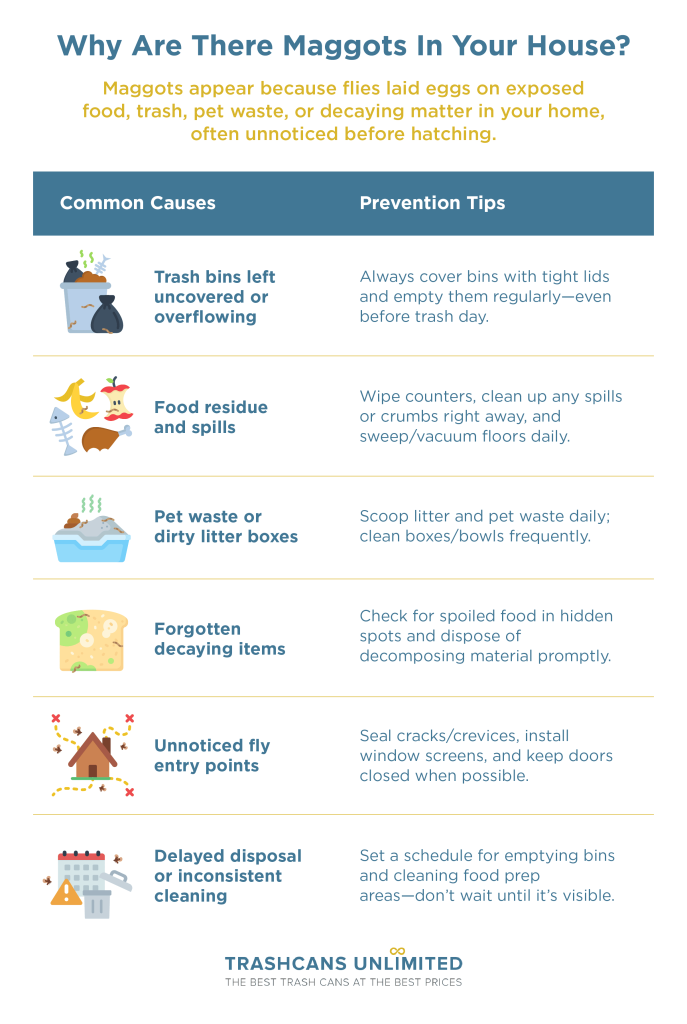
Are you tired of opening your compost bin only to find it crawling with maggots? Maggots can quickly turn your composting efforts into a messy, smelly problem.
But what if you could stop them before they even appear? You’ll discover simple and effective ways to keep your compost bin clean and maggot-free. By following these easy tips, you’ll protect your compost, speed up decomposition, and enjoy a healthier garden.
Keep reading to learn how you can take control and prevent maggots from invading your compost bin for good.
Causes Of Maggot Infestation
Maggots can appear in your compost bin if conditions are right. Understanding these causes helps prevent them.
Various factors attract maggots to compost. Knowing these can help keep them away.
Common Attractants In Compost
Some items in compost bins attract maggots. These items often provide food for maggots.
- Meat scraps can attract flies
- Dairy products lead to maggot growth
- Oily foods are prime attractants
- Rotted fruits and vegetables appeal to pests
Environmental Factors
Environmental conditions can make compost bins inviting for maggots. Keeping track of these factors is important.
Warmth and moisture create a perfect environment for maggots. Proper compost management reduces these conditions.
- High humidity levels encourage maggots
- Warm temperatures speed up maggot development
- Overly wet compost can harbor maggots

Credit: www.reddit.com
Best Composting Practices
Maggots can appear in compost bins if conditions are not right. Following good composting habits helps keep them away. This guide shows you how to care for your compost.
Focus on what you add and how you manage moisture and materials. These steps keep your compost healthy and maggot-free.
Proper Food Waste Selection
Choose the right food scraps to avoid attracting flies that lay eggs. Avoid adding meat, dairy, and oily foods. These attract pests and cause bad smells.
Use mostly fruit and vegetable scraps. Cut large pieces into smaller bits. This helps them break down faster and reduces maggot chances.
- Include: fruit peels, vegetable scraps, coffee grounds
- Avoid: meat, dairy, oils, bones, and cooked foods
- Chop big scraps into small pieces
Maintaining Moisture Levels
Keep your compost moist like a wrung-out sponge. Too much water makes it smelly and attracts maggots. Too little water slows down decomposition.
Check moisture by squeezing compost. Add water if dry or add dry materials if too wet. Good airflow helps too.
- Test moisture by squeezing handful of compost
- Add water if it feels dry
- Add dry materials like leaves if it is too wet
- Turn compost to improve air flow
Balancing Greens And Browns
Mix green and brown materials for healthy compost. Greens are rich in nitrogen and browns add carbon. This balance stops bad smells and pest problems.
Use about two parts browns to one part greens. Browns include dry leaves and paper. Greens include fresh food scraps and grass clippings.
- Greens: fruit scraps, vegetable peels, grass clippings
- Browns: dry leaves, straw, shredded paper
- Mix 2 parts browns with 1 part greens
- Turn pile to mix and add air
Physical Barriers And Bin Maintenance
Maggots can ruin your compost and slow down the process. Using physical barriers and keeping the bin clean stops them from growing. A few simple steps keep your compost healthy and free of pests.
This guide covers how secure lids, regular turning, and cleaning help prevent maggots in your compost bin.
Using Secure Lids And Covers
Always use a tight-fitting lid or cover on your compost bin. This stops flies from laying eggs inside. Choose lids made from durable material that seal well.
- Check the lid for cracks or holes regularly.
- Use mesh covers if you want air but need to keep bugs out.
- Make sure the lid fits snugly every time you add material.
- Consider adding a layer of dry leaves or soil on top to deter pests.
Regular Turning And Aeration
Turning your compost mix often brings air inside. Maggots grow in wet, smelly piles with low oxygen. Aeration keeps compost healthy and dry enough to stop maggots.
- Turn the compost at least once a week.
- Use a garden fork or compost aerator tool.
- Mix dry and wet materials evenly.
- Check for bad smells or wet spots after turning.
Cleaning The Compost Bin
Cleaning your bin regularly removes maggot eggs and larvae. It keeps flies away and prevents bad odors.
| Cleaning Task | Frequency | Purpose |
| Remove old compost buildup | Every 2-3 months | Stops pest hiding spots |
| Wash bin with water and mild soap | Every 3-6 months | Kills eggs and larvae |
| Dry bin fully before reuse | After washing | Prevents mold and pests |
Natural Deterrents And Remedies
Maggots in compost bins can be a common problem. Using natural methods helps keep your compost healthy. Avoid harsh chemicals that may harm the environment.
This guide covers easy ways to stop maggots from invading your compost using natural deterrents and remedies.
Adding Lime Or Ash
Adding lime or wood ash to your compost bin can reduce the acidity. Maggots dislike less acidic environments, so this helps keep them away.
- Sprinkle a thin layer of garden lime or wood ash over your compost
- Mix it gently into the compost to spread it evenly
- Avoid adding too much to prevent harming beneficial microbes
- Reapply after turning the compost or adding fresh waste
Using Beneficial Predators
Introducing natural predators can help control maggot populations. These predators feed on maggots and keep their numbers low.
| Predator | How It Helps |
| Earthworms | Eat larvae and improve soil quality |
| Centipedes | Feed on small insects and larvae |
| Beetles | Consume maggots and other pests |
Home Remedies To Repel Maggots
Simple home remedies can repel maggots naturally. These are safe and easy to use around your compost bin.
- Sprinkle salt or baking soda on the compost surface
- Use vinegar diluted with water as a spray around the bin
- Mix crushed garlic or chili powder into the compost
- Keep the compost covered to reduce moisture and odor
When To Seek Professional Help
Maggots in a compost bin can be a sign of a problem. Sometimes, the issue is small and easy to fix. Other times, it gets worse and needs expert help.
Knowing when to call a professional helps keep your compost safe and clean. It stops the problem from spreading to your home or garden.
Persistent Infestation Signs
Maggots often appear in compost, but some signs show when the problem lasts too long. Look out for these signs to know if you need help.
- Maggots cover a large part of the compost surface
- Strong, bad smell that does not go away
- Fly swarms around the compost bin all day
- Compost bin leaks or spills liquid that smells bad
- Maggots return quickly after cleaning or treatment
If you see these signs, the infestation is serious. It is best to get help from a pest control expert.
Safe Removal Methods
Removing maggots safely keeps you and the environment safe. Try these ways to get rid of maggots without harm.
- Use boiling water to kill maggots instantly
- Mix lime or wood ash into the compost to dry it out
- Turn the compost often to disturb maggots
- Cover food scraps with brown materials like dry leaves
- Keep the compost bin dry and well-ventilated
If these methods do not work or the infestation is large, call a professional. They have tools and knowledge to fix it safely.
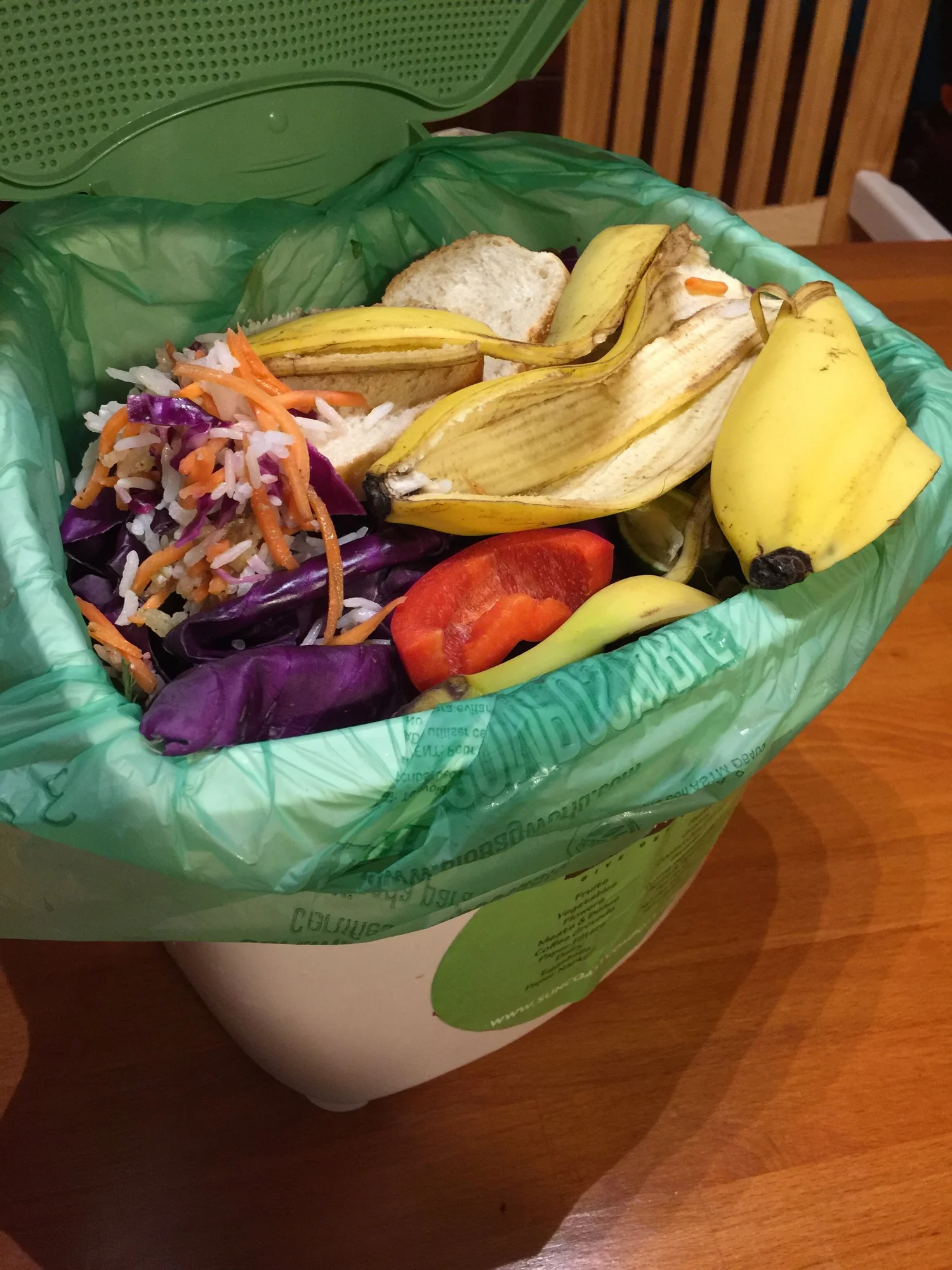
Credit: www.suncoastcompost.com
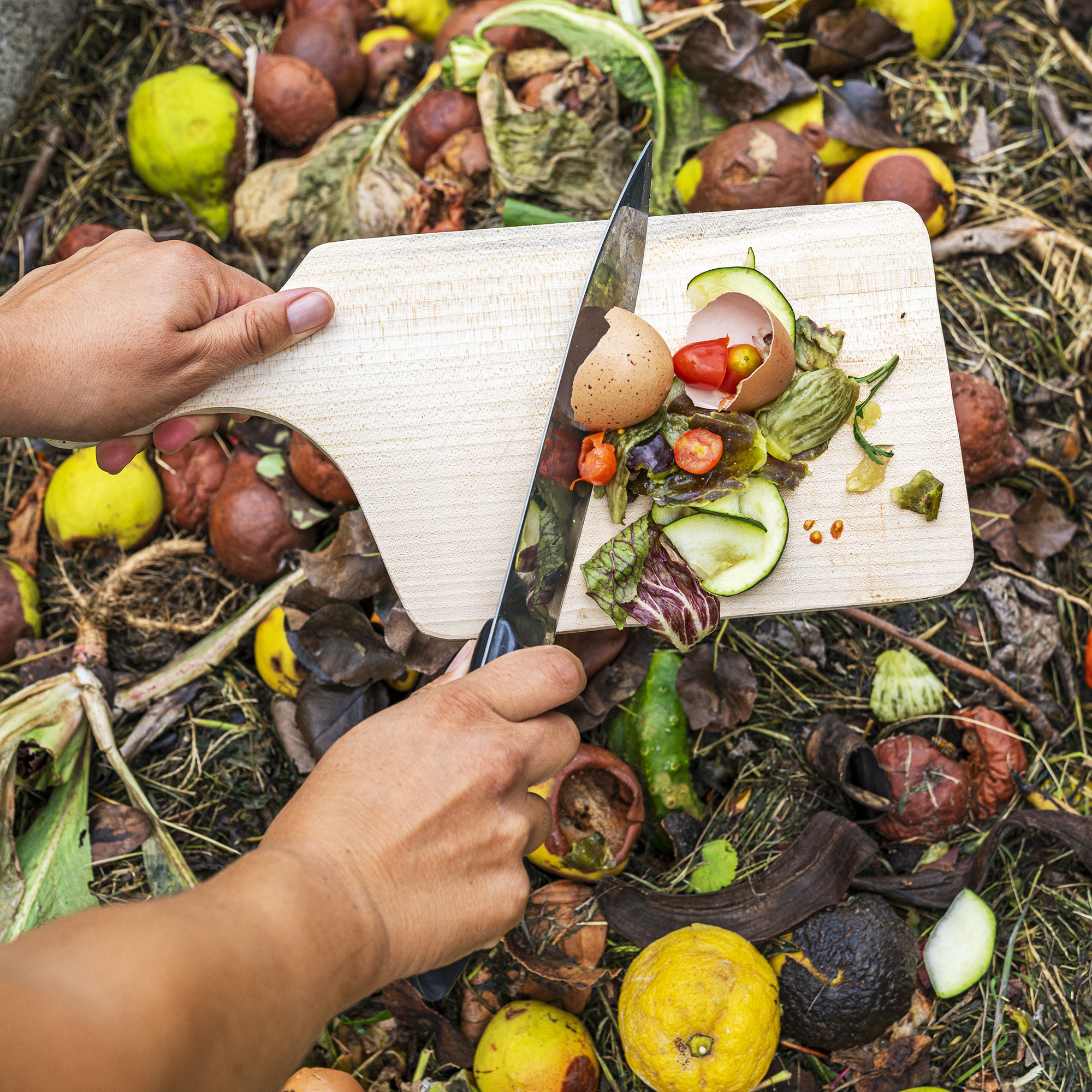
Credit: www.gardeningknowhow.com
Frequently Asked Questions
How Do Maggots Get Into Compost Bins?
Maggots enter compost bins when flies lay eggs on food scraps. Warm, moist conditions attract flies, encouraging egg-laying. Properly covering scraps and maintaining airflow reduces fly access and maggot presence in your compost.
What Materials Prevent Maggots In Compost?
Adding dry, carbon-rich materials like leaves or shredded paper balances moisture. This discourages maggots by making the environment less appealing for fly eggs. Maintaining a mix of greens and browns helps keep maggots away.
How Often Should I Turn My Compost Bin?
Turn your compost bin every 1-2 weeks. This aerates the pile, reduces moisture, and disrupts maggot development. Regular turning helps maintain healthy decomposition and prevents maggot infestations effectively.
Can Vinegar Or Lime Stop Maggots In Compost?
Yes, sprinkling vinegar or lime on compost can deter maggots. These substances raise acidity, making the environment unfavorable for fly eggs. Use them sparingly to avoid harming beneficial microbes in your compost.
Conclusion
Keeping maggots out of your compost bin is simple with good habits. Cover food scraps well and avoid too much moisture. Stir the compost often to stop pests from settling. Use dry leaves or shredded paper to balance wet waste.
These small steps help keep your compost clean and healthy. Enjoy fresh compost without the worry of maggots. Your garden will thank you for it. Stay consistent, and your compost bin will stay pest-free.