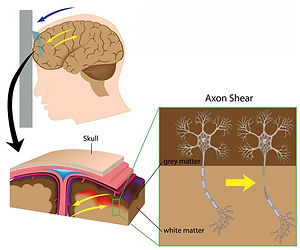
Have you ever wondered what happens when your body experiences a sudden, forceful pull or twist? That’s where a shearing injury comes in.
It might sound complicated, but understanding this type of injury could be crucial for protecting yourself or someone you care about. You’ll discover exactly what a shearing injury is, how it happens, and why it matters to your health. Keep reading to learn the simple facts that could make a big difference in how you respond to injuries in everyday life.
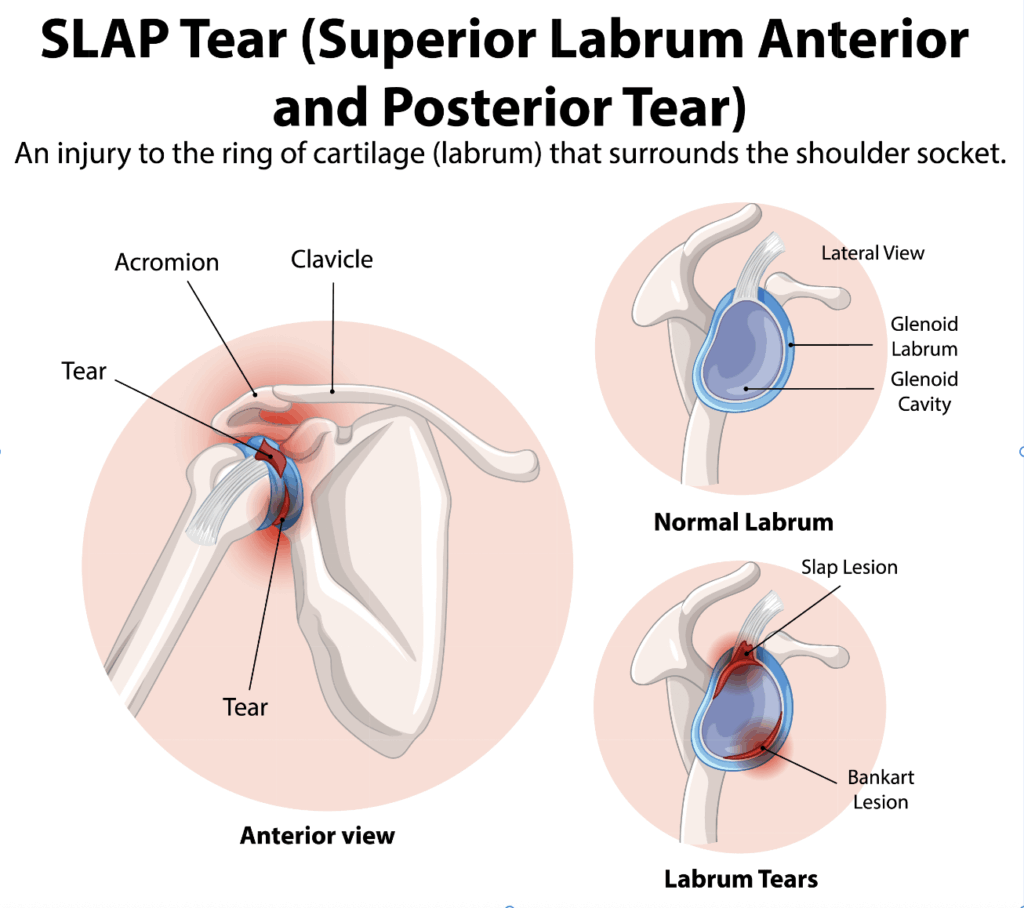
Credit: www.handtherapyacademy.com
Shearing Injury Basics
Shearing injury happens when layers of tissue slide in opposite directions. This can cause damage to skin, muscles, and blood vessels.
It often occurs during accidents or falls. Shearing forces stretch and tear the tissue, leading to pain and swelling.
What Causes Shearing Injuries?
Shearing injuries occur when two parts of the body move in different directions. This movement stretches the skin and underlying tissue.
Common causes include car crashes, falls, and contact sports. These events create strong forces that pull the tissue apart.
- Car accidents causing abrupt stops
- Falling on a hard surface
- Impact during sports activities
- Pressure from medical devices or equipment
Symptoms Of Shearing Injury
Symptoms vary depending on the injury’s severity. Skin may look torn or bruised, and pain is common.
Swelling and redness often appear around the injury site. Severe cases can cause bleeding and deep tissue damage.
- Red or bruised skin
- Swelling near the injury
- Pain or tenderness
- Open wounds or tears
- Bleeding in serious cases
How Shearing Injuries Affect The Body
Shearing injuries can harm skin, muscles, and blood vessels. This damage may slow healing and cause infections.
Blood flow can reduce if vessels are injured. This limits oxygen and nutrients to the tissue, making recovery harder.
- Skin layers separate or tear
- Muscle fibers stretch or break
- Blood vessels rupture or compress
- Increased risk of infection
- Longer healing times
Prevention Of Shearing Injuries
You can reduce shearing injuries by avoiding sudden movements and using safety gear. Proper care during accidents helps prevent damage.
In healthcare, careful patient handling lowers risk. Using soft surfaces and repositioning patients often protects the skin.
- Wear protective gear during sports
- Use seat belts in vehicles
- Avoid slippery floors
- Handle patients gently in hospitals
- Use cushions and pads to reduce pressure
Common Causes
A shearing injury happens when layers of skin or tissue are pulled in opposite directions. This can damage tissues and blood vessels.
These injuries often occur in situations where pressure, friction, or sudden movements are involved. Understanding the common causes can help in preventing them.
Workplace Hazards
Many jobs involve risks that can lead to shearing injuries. Workers may face these hazards in factories, construction sites, and offices.
Improper use of tools and equipment increases the risk. Lack of proper safety gear can also contribute to injuries.
- Heavy machinery can cause sudden pulls or twists.
- Slippery floors increase the chance of falls.
- Improper lifting techniques lead to injuries.
Sports And Physical Activities
Sports often involve quick changes in direction. This can cause shearing injuries, especially in contact sports like football or rugby.
Even non-contact sports can pose risks. For example, running on uneven surfaces may lead to twists and pulls.
- Incorrect footwear may lead to slips and twists.
- Not warming up can increase the risk of injury.
- Overexertion can strain muscles and tissues.
Accidental Falls
Falls are a common cause of shearing injuries. These can happen at home, in public places, or during recreational activities.
Simple actions like tripping over a carpet or slipping on a wet floor can result in these injuries.
- Stairs without handrails pose a risk.
- Cluttered walkways can cause trips and falls.
- Wet or icy surfaces increase slip hazards.
Recognizing Symptoms
A shearing injury happens when layers of tissue slide in opposite directions. This can cause damage under the skin. It is important to spot the signs early to get help.
Symptoms vary but often include pain, swelling, and bruising. You may also notice trouble moving the injured area.
Pain And Swelling
Pain is a common symptom of a shearing injury. The area may feel sore or tender. Swelling happens as the body reacts to the damage.
Swelling can make the skin look puffy or tight. It may increase over time and cause discomfort.
Limited Mobility
You might find it hard to move the injured part. This happens because of pain and swelling. The injury may make joints stiff or weak.
Limited mobility can affect daily tasks. It is important to rest and avoid straining the area.
Visible Bruising
Bruising shows when blood vessels under the skin break. The skin may turn blue, purple, or black. Bruises often appear soon after the injury.
- Look for dark spots or patches on the skin
- Bruises may grow larger over time
- Color changes as the bruise heals

Credit: www.trialguides.com
Risk Factors
Shearing injuries happen when skin or tissue is pulled in different directions. This can cause damage under the skin.
Some people have a higher chance of getting these injuries. It is important to know what raises the risk.
Age And Health Conditions
Older adults are more likely to get shearing injuries. Their skin is thinner and less elastic.
People with health issues like diabetes or poor blood flow heal slower. This makes injuries worse.
- Older skin tears easily
- Diabetes slows healing
- Poor circulation weakens tissues
Environmental Factors
Hard beds and rough surfaces can cause shearing injuries. Sliding on these surfaces pulls the skin.
Wet or sweaty skin also tears more easily. Proper skin care lowers the risk.
- Hard surfaces increase skin pulling
- Sliding causes skin damage
- Wet skin is more fragile
Improper Equipment Use
Using medical equipment incorrectly can lead to shearing injuries. Poorly fitted devices cause skin to stretch.
Wheelchairs and beds that do not support the body well increase risk. Proper adjustment is important.
- Wrong use of wheelchairs pulls skin
- Poor bed support causes friction
- Unstable devices increase injury chances
Prevention Strategies
Shearing injuries happen when body parts get caught between moving objects. These injuries can be very serious. Preventing them is important to keep people safe.
Using the right tools and following safety rules can lower the risk of shearing injuries. This guide explains three key ways to prevent these accidents.
Protective Gear
Wearing protective gear helps shield workers from shearing injuries. Gloves, helmets, and guards reduce the chance of harm. Proper gear fits well and is in good condition.
- Wear cut-resistant gloves to protect hands.
- Use helmets to protect the head from impacts.
- Put on safety goggles to protect eyes from debris.
- Use arm guards to shield arms near moving parts.
Safe Practices
Following safe work practices can prevent shearing injuries. Workers must stay alert and avoid rushing. Keeping hands and fingers away from moving parts is vital.
- Always turn off machines before cleaning or fixing.
- Use tools designed to keep hands safe.
- Do not wear loose clothes near moving machinery.
- Keep clear of pinch points and moving parts.
- Report damaged equipment immediately.
Workplace Safety Measures
Workplaces should have safety rules and equipment to reduce shearing injuries. Proper machine guarding and clear signs help keep workers safe.
| Safety Measure | Description |
| Machine Guards | Barriers that block hands from moving parts. |
| Emergency Stops | Buttons to quickly stop machines in danger. |
| Training | Teaching workers how to work safely around machines. |
| Signage | Warning signs near dangerous equipment. |
| Regular Inspections | Checking machines often for safety issues. |
Treatment Options
Shearing injuries happen when skin and tissue slide in opposite directions. This causes damage to layers under the skin. Treating these injuries quickly helps prevent infection and speeds healing.
Treatment includes first aid, medical care, and exercises for recovery. Each step plays a role in getting the injured area back to normal.
First Aid Steps
Start by cleaning the wound carefully to avoid infection. Use mild soap and water, and avoid scrubbing the area. Cover the injury with a clean, sterile dressing to protect it.
- Wash hands before touching the injury
- Gently rinse the wound with clean water
- Apply an antibiotic ointment if available
- Cover with a sterile bandage or dressing
- Avoid putting pressure or rubbing the injury
- Seek medical help if bleeding does not stop
Medical Interventions
Doctors may clean the wound more deeply and remove damaged tissue. They might give antibiotics to stop infection. In some cases, stitches or special dressings help the skin heal.
| Intervention | Purpose | Notes |
| Wound Cleaning | Remove dirt and bacteria | Done under sterile conditions |
| Debridement | Remove dead tissue | Helps faster healing |
| Antibiotics | Prevent or treat infection | Oral or topical use |
| Sutures or Staples | Close deep wounds | Used for large or deep injuries |
| Special Dressings | Protect and promote healing | May keep wound moist |
Rehabilitation Exercises
After the wound starts healing, exercises help restore movement and strength. Gentle stretching and range of motion activities reduce stiffness. These exercises support full recovery of the injured area.
- Start with slow, gentle movements
- Increase activity as pain decreases
- Stretch the area to improve flexibility
- Strengthen muscles around the injury
- Follow advice from a physical therapist

Credit: www.cliniciansbrief.com
Frequently Asked Questions
What Exactly Is A Shearing Injury?
A shearing injury occurs when forces move tissues in opposite directions. This causes tearing or damage to muscles, skin, or organs. It often happens during accidents or falls. The injury disrupts blood flow and can delay healing.
What Are Common Causes Of Shearing Injuries?
Shearing injuries often result from car crashes, falls, or sports. They happen when the body moves suddenly but skin or tissues stay fixed. Medical devices like catheters can also cause shearing in fragile skin. Understanding causes helps in prevention.
How To Identify A Shearing Injury?
Look for skin tears, bruising, or deep tissue damage. Pain and swelling are common signs. The injury may appear as a flap of skin pulled away. Early detection is vital to avoid complications and promote healing.
What Treatments Help Shearing Injuries Heal?
Treatment includes cleaning the wound and protecting the injured area. Dressings and pressure relief reduce further damage. Severe cases may need stitches or surgery. Physical therapy helps restore function after healing.
Conclusion
Shearing injuries happen when layers of tissue slide in opposite directions. These injuries can cause pain, swelling, and damage to skin and muscles. Quick care helps prevent infections and speeds healing. Knowing what causes shearing injuries helps you avoid them.
Always protect your skin during activities that might cause friction. Stay alert to early signs and act fast. Understanding shearing injuries keeps you safer and healthier every day.