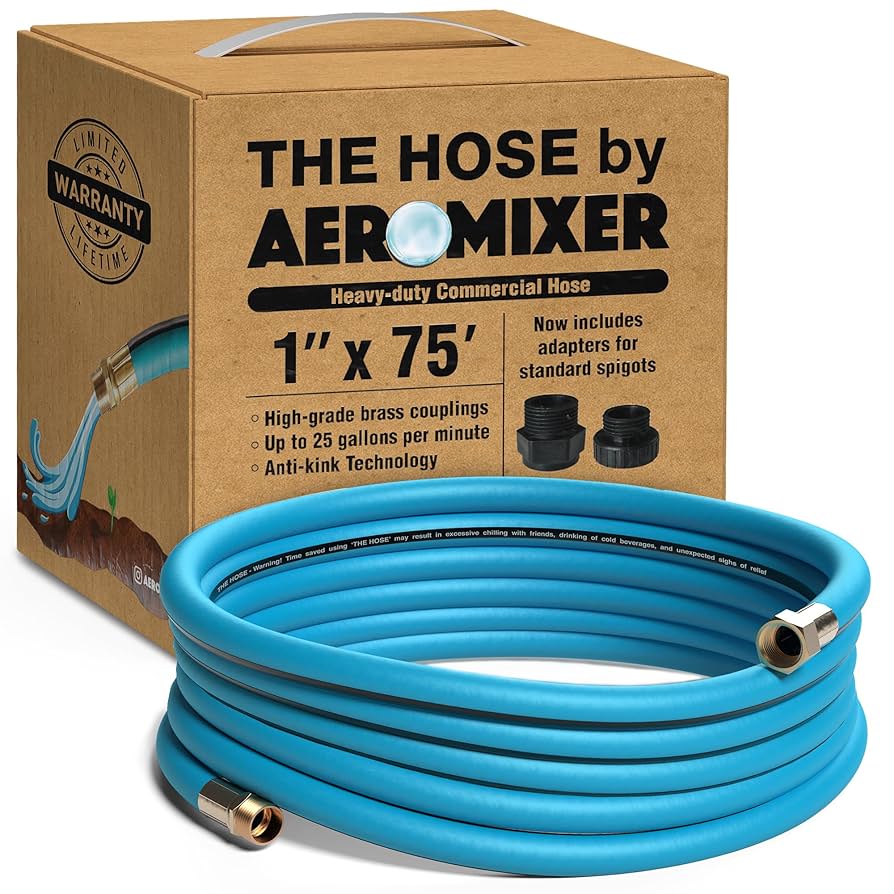
Do you ever wonder how much water flows through your garden hose every minute? Knowing how many gallons per minute your hose delivers can make a big difference.
It helps you water your plants better, save water, and even choose the right hose for your needs. You’ll discover simple ways to measure your hose’s flow and why this number matters more than you might think. Keep reading to take control of your garden watering like a pro!
Credit: gardenbetty.com
Gallons Per Minute Basics
Gallons per minute (GPM) measures how much water flows through a garden hose. It tells you the volume of water that comes out each minute.
Knowing GPM helps you choose the right hose for watering plants or washing cars. It affects how fast tasks get done.
What Gpm Means For Garden Hoses
GPM shows the water flow rate in a garden hose. A higher GPM means more water flows out quickly.
Different hoses have different GPM ratings. This affects how well the hose works for watering or cleaning.
- Low GPM hoses save water but take longer
- High GPM hoses water plants faster
- Choose GPM based on your watering needs
Factors Affecting Water Flow
Several things change the GPM of a garden hose. Hose length, diameter, and water pressure all affect flow.
Other factors include hose material and any bends or kinks that block water. These reduce flow rate.
- Hose length:Longer hoses lower water flow
- Diameter:Wider hoses allow more water
- Water pressure:Higher pressure increases flow
- Hose material:Smooth inside walls improve flow
- Bends/kinks:Restrict water and reduce GPM

Credit: www.amazon.ca
Measuring Your Hose Flow
Understanding how many gallons per minute your garden hose delivers is crucial for efficient watering. This guide will help you measure your hose flow easily.
With a few simple tools and steps, you can determine the flow rate. Knowing this helps in planning your garden watering needs better.
Tools Needed For Measurement
Gather the tools before you start. This makes the process straightforward and efficient.
- Bucket with known volume (e.g., 1 or 2 gallons)
- Stopwatch or timer
- Calculator (optional)
Step-by-step Flow Test
Follow these steps to measure your hose’s flow rate accurately. It is simple and quick.
First, fill the bucket using the hose. Time how long it takes to fill up completely.
- Start the timer as soon as water begins to fill the bucket.
- Stop the timer once the bucket is full.
- Note the time it took to fill the bucket.
To calculate the flow rate, divide the bucket’s volume by the time recorded. This gives you the gallons per minute.
| Example Calculation |
| If a 2-gallon bucket fills in 30 seconds, the flow rate is 4 gallons per minute. |
Hose Diameter And Length
The flow of water through a garden hose depends on its diameter and length. These two factors control how many gallons per minute (GPM) the hose can deliver.
Knowing how diameter and length affect water flow helps you pick the right hose for your garden or lawn.
Impact Of Diameter On Gpm
The diameter of a garden hose is the width of its inside opening. A larger diameter lets more water flow through.
Hoses with small diameters restrict water flow, lowering the GPM. Bigger diameters allow more water to pass quickly.
- 1/2 inch diameter hose: about 9 GPM
- 5/8 inch diameter hose: about 12 GPM
- 3/4 inch diameter hose: about 17 GPM
How Length Influences Flow
Longer hoses cause more resistance to water flow. This reduces how many gallons per minute reach the end.
Shorter hoses let water flow with less pressure loss. So, they deliver more water faster.
- 25 feet hose: little flow loss
- 50 feet hose: moderate flow loss
- 100 feet hose: significant flow loss
Water Pressure And Flow Rate
Understanding how many gallons per minute a garden hose delivers depends on water pressure and flow rate. These two factors control how much water comes out and how fast.
Water pressure pushes water through the hose, while flow rate measures the volume of water that flows per minute.
Typical Garden Hose Pressure
Most garden hoses work best with water pressure between 40 and 60 PSI (pounds per square inch). This range keeps the water flowing well without damaging the hose.
Higher pressure can increase flow rate but may cause leaks or bursts in weak hoses.
- Normal water pressure: 40-60 PSI
- Higher pressure risks hose damage
- Lower pressure reduces flow speed
Pressure Loss In Hoses
Pressure loss happens when water moves through a hose. It reduces the pressure at the nozzle compared to the source.
Long hoses and narrow diameters cause more pressure loss. This lowers the flow rate at the end of the hose.
| Factor | Effect on Pressure Loss |
|---|---|
| Hose Length | Longer hoses lose more pressure |
| Hose Diameter | Smaller diameter increases loss |
| Hose Material | Rough inside walls cause loss |
Choosing The Right Hose
Selecting the right garden hose affects how much water you get per minute. The flow rate depends on the hose’s material and design. Knowing these details helps you water your garden efficiently.
This guide explains how materials affect flow and which hose types provide the best gallons per minute (GPM).
Materials Affecting Flow
Hose material changes the hose’s inside diameter and flexibility. These factors impact the water flow speed and volume. Some materials create more friction, lowering the GPM.
- Rubber:Thick and flexible, rubber hoses have less friction. This means better flow rates.
- Vinyl:Lightweight but stiff, vinyl hoses often have smaller inside diameters, reducing flow.
- Hybrid:Combines rubber and vinyl layers for balance. These hoses usually offer moderate flow rates.
- Polyurethane:Lightweight and durable, they keep a steady flow but can be pricier.
Best Hose Types For High Gpm
To get a high gallons per minute rate, choose hoses designed with wider diameters and low friction materials. These types ensure strong water pressure and quick delivery.
| Hose Type | Inside Diameter | Approximate GPM | Notes |
|---|---|---|---|
| Rubber Hose | 5/8 inch | 9-17 GPM | Best for high flow and durability |
| Vinyl Hose | 1/2 inch | 7-10 GPM | Lower flow, less flexible |
| Expandable Hose | Variable | 6-12 GPM | Lightweight but flow varies |
| Soaker Hose | 1/2 inch | 4-8 GPM | Designed for slow, steady watering |
Tips To Maximize Water Flow
Garden hoses deliver water to plants and outdoor spaces. The flow rate depends on several factors. You can improve water flow with simple steps.
Using the right methods helps save water and time. It also keeps your hose working well for years.
Avoiding Kinks And Leaks
Kinks and leaks reduce water pressure. They slow the flow and waste water. Keep your hose smooth and sealed.
- Unroll the hose fully before use.
- Store the hose on a reel or hanger.
- Check for cracks or holes regularly.
- Replace washers to stop leaks at connectors.
- Avoid sharp bends or heavy objects on the hose.
Using Nozzles To Control Flow
Nozzles help adjust the water flow for different tasks. They control pressure and spray pattern. Choose the right nozzle for your needs.
| Nozzle Type | Flow Control | Best Use |
| Fan Spray | Wide, gentle flow | Watering plants |
| Jet Spray | Strong, focused flow | Cleaning surfaces |
| Shower | Soft, even flow | Delicate flowers |
| Soaker | Slow, deep watering | Garden beds |
Common Flow Problems
Garden hoses often have issues with water flow. These problems affect how many gallons per minute the hose delivers.
Knowing the common flow problems helps you fix them quickly. This keeps your garden watering smooth and efficient.
Clogs And Blockages
Clogs happen when dirt or debris blocks the hose. This reduces water flow and pressure inside the hose.
Small stones, leaves, or rust can cause blockages. These materials stop water from flowing at the normal speed.
- Check the hose end for visible dirt or debris
- Flush the hose with water to clear small blockages
- Use a pipe cleaner or a thin rod to remove tough clogs
- Replace the hose if blockages cannot be removed
Pressure Drops And Solutions
Pressure drops lower the gallons per minute flow in your hose. This can happen from leaks, kinks, or long hose length.
Fixing pressure drops improves water flow and garden hose performance. Simple checks can help spot these issues early.
- Inspect the hose for cracks or holes that leak water
- Straighten any kinks or bends in the hose
- Use a shorter hose or one with a larger diameter for better flow
- Check your water source pressure to ensure it is strong enough
Water Conservation And Efficiency
Garden hoses use water at different rates depending on size and pressure. Knowing gallons per minute helps save water.
Efficient watering means less waste and healthier plants. Let’s explore how to balance flow and use smart watering methods.
Balancing Flow And Usage
Garden hoses deliver water at varying gallons per minute (GPM). Typical hoses flow between 5 and 10 GPM. Too much flow wastes water and can cause runoff.
| Hose Diameter | Gallons Per Minute (GPM) |
| 1/2 inch | 5-6 |
| 5/8 inch | 8-9 |
| 3/4 inch | 9-10 |
Check your hose size to estimate water use. Use lower flow hoses for small gardens and higher flow for bigger areas.
Smart Watering Practices
Water plants at times when evaporation is low. Early morning or late evening watering saves water and helps plants absorb moisture.
- Use drip irrigation or soaker hoses to target roots directly
- Avoid overwatering by checking soil moisture first
- Fix leaks in hoses and connectors quickly
- Use timers to control watering duration
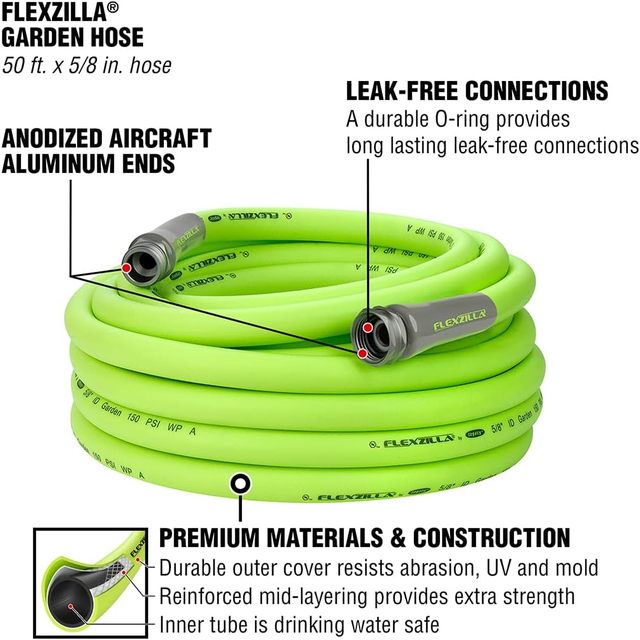
Credit: www.accio.com
Frequently Asked Questions
How Many Gallons Per Minute Does A Standard Garden Hose Deliver?
A standard garden hose typically delivers 9 to 17 gallons per minute. This depends on hose diameter and water pressure. Most 5/8-inch hoses average about 10 gallons per minute at 40 PSI pressure.
What Affects Gallons Per Minute In A Garden Hose?
Flow rate depends on hose diameter, length, water pressure, and nozzle type. Larger diameters and higher pressure increase gallons per minute. Longer hoses and restrictive nozzles reduce water flow.
Can A Garden Hose Flow Rate Be Increased?
Yes, increasing water pressure or using a wider hose diameter boosts flow rate. Avoid using long hoses or narrow nozzles that restrict water flow. Proper maintenance also prevents clogs and improves gallons per minute.
Why Is Gallons Per Minute Important For Garden Hoses?
Gallons per minute determine watering efficiency and speed. Knowing flow rate helps choose the right hose for tasks like irrigation or washing. It ensures adequate water supply without wasting resources.
Conclusion
Knowing your garden hose’s gallons per minute helps water plants well. It guides you in choosing the right hose for your needs. A hose with good flow saves time and effort. Remember, hose size and water pressure affect flow rates.
Use this knowledge to keep your garden healthy and green. Water smart, and enjoy a thriving garden every season.