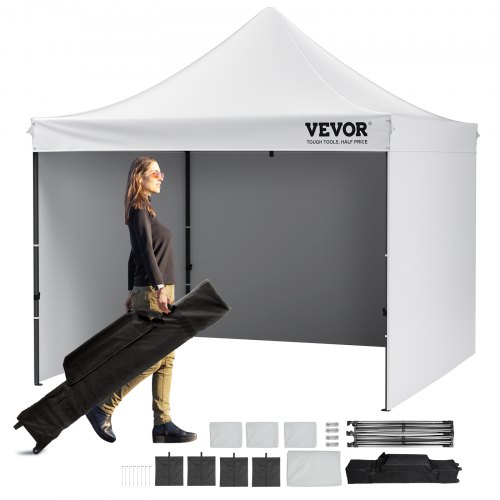
Setting up a pop up tent might seem tricky at first, but once you know the simple steps, it becomes quick and easy. Imagine having your shelter ready in just a few minutes, so you can spend more time enjoying the outdoors.
In this guide, you’ll learn exactly how to set up your pop up tent without any hassle. Whether you’re heading to a festival, camping, or just relaxing in your backyard, mastering this skill will save you time and stress. Keep reading, and you’ll be ready to pop up your tent like a pro in no time!
Choosing The Right Pop Up Tent
Choosing the right pop up tent makes your outdoor time more fun and safe. You need to think about the type, size, and material of the tent. These details help you pick a tent that fits your needs.
This guide will help you understand the main points for picking the best pop up tent for your trips and events.
Types Of Pop Up Tents
Pop up tents come in many styles. Some are for camping while others are for the beach or events. Choose a style that matches your use.
- Instant pop up tents open quickly for easy setup.
- Beach pop up tents offer shade and protect from wind.
- Backpacking tents are light and compact for travel.
- Event tents are bigger and great for gatherings.
Size And Capacity
Check the size and how many people can fit inside. Make sure the tent is not too small or too big for your group.
| Capacity | Suggested Use | Space Notes |
| 1-2 people | Solo camping or couples | Compact and easy to carry |
| 3-4 people | Small families or groups | Enough space for gear and sleeping |
| 5+ people | Large groups or events | Roomy but heavier to carry |
Material And Durability
Durable materials keep your tent strong and dry. Look for tents made from water-resistant fabric and strong poles.
- Polyester fabric resists water and dries fast.
- Fiberglass poles are flexible but less strong.
- Aluminum poles last longer and hold up well.
- Check for UV protection to avoid sun damage.
Preparing Your Site
Setting up a pop-up tent is easy when your site is ready. A good site keeps your tent stable and comfortable.
Follow these steps to prepare your site. Ensure a smooth camping experience.
Selecting A Flat Surface
A flat surface helps your tent stand firm. Look for a level area to pitch your tent.
- Check for slopes that can make sleeping uncomfortable.
- Avoid areas with uneven ground that might cause bumps.
- Consider areas with natural windbreaks like trees or bushes.
Clearing Debris
Clearing debris prevents damage to your tent. It also makes your space more comfortable.
Checking For Obstacles
Obstacles can affect your tent’s stability. Check the area for potential issues.
| Obstacle | Solution |
| Overhanging branches | Move tent away from trees |
| Rocks and roots | Clear or adjust tent position |
| Animal trails | Choose a different site |
Unpacking And Inspecting The Tent
Setting up a pop up tent starts with unpacking and checking all parts. This step makes sure you have everything to set up the tent safely.
Carefully unpacking and inspecting the tent helps avoid problems during setup. It also protects the tent from damage.
Removing Packaging
Remove the tent from its bag slowly. Avoid using sharp objects that might cut the fabric. Lay the tent flat on a clean surface to see all parts clearly.
Checking Tent Components
Check all parts to make sure nothing is missing or broken. Look for tears, holes, or bent poles. Confirm that zippers open and close smoothly.
- Main tent body
- Rainfly or cover
- Poles and connectors
- Stakes for ground anchoring
- Guy lines or ropes
- Carry bag or storage sack
Identifying Tent Poles And Stakes
| Component | Description |
| Shock-Corded Poles | Flexible rods held by an elastic cord inside. |
| Aluminum or Fiberglass Poles | Strong poles that form the tent frame. |
| Metal Stakes | Used to secure the tent to the ground. |
| Plastic Stakes | Lighter stakes for soft ground. |
Sort the poles by length and type. Group stakes by size and material. This helps to quickly find parts during setup.

Credit: www.costway.ca
Setting Up The Tent
Setting up a pop up tent is easy and fast. This guide covers the main steps to get your tent ready.
Follow the instructions below to unfold, pop up, and secure your tent properly for a safe shelter.
Unfolding The Tent
Start by removing the tent from its carrying bag. Lay it flat on the ground with enough space around it. Make sure the surface is clean and free of sharp objects.
Allowing The Frame To Pop Up
Hold the edges of the folded tent and gently pull it apart. The frame will start to open by itself. Let it fully expand until it locks into place.
- Grip two opposite corners firmly.
- Pull the tent outward to release the frame.
- Wait for the tent to snap open completely.
- Check all frame joints are locked securely.
Securing The Tent To The Ground
To keep the tent stable, anchor it using stakes and ropes. This prevents it from moving or blowing away in wind.
| Item | Purpose | How to Use |
| Stakes | Hold tent base to ground | Push or hammer into soil at tent corners |
| Ropes | Support frame stability | Tie ropes to frame loops and stake ends |
| Groundsheet | Protect tent floor | Place under the tent before setup |
Adding Accessories And Adjustments
Setting up a pop up tent is not complete without adding the right accessories. These help protect you from weather and make the tent more comfortable.
Adjustments like ventilation and door setup improve air flow and ease of use. Let’s look at these key steps.
Attaching Rainfly Or Cover
The rainfly or cover protects your tent from rain and sun. Start by spreading it evenly over the top of the tent.
Secure it with clips or straps at the tent’s corners. Make sure it is tight to avoid flapping in the wind.
- Place rainfly evenly over tent
- Clip or strap corners firmly
- Tighten straps to reduce movement
- Check for full coverage of the tent
Adjusting Ventilation
Good ventilation keeps air fresh inside the tent. Open vents or mesh panels to allow air to flow freely.
Adjust vents based on weather. Close them slightly if it is cold or windy, and open fully on warm days.
- Open mesh panels for fresh air
- Adjust vent openings by weather
- Use rainfly vents if available
- Avoid sealing tent completely
Setting Up Doors And Windows
Doors and windows let you enter, exit, and see outside. Zip doors up or down as needed to keep bugs out.
Use window flaps for light and air. Secure flaps with toggles or ties to keep them open safely.
- Zip doors closed to block bugs
- Open windows for light and air
- Use toggles to hold flaps open
- Check zippers for smooth operation
Tips For Stability And Safety
Setting up a pop up tent properly helps keep you safe and comfortable. Stability is key to avoid accidents or damage. Small steps can make a big difference in your tent’s strength.
Use the right tools and follow good habits to secure your tent. This guide covers ways to add extra support, prevent wind damage, and keep your tent in top condition.
Using Extra Stakes And Guy Lines
Extra stakes and guy lines help keep your tent firmly in place. They reduce movement and stop the tent from tipping over in wind or uneven ground.
- Place stakes at all corners and sides of the tent.
- Use guy lines attached to tent loops for added tension.
- Drive stakes deep into the ground at a 45-degree angle.
- Tighten guy lines but do not over-stretch them.
- Check and adjust stakes and lines during the day.
Avoiding Wind Damage
Strong winds can cause tents to collapse or blow away. Find a safe spot and use strategies to reduce wind impact on your tent.
| Wind Protection Tip | How to Do It |
| Choose a sheltered location | Set up near trees or hills that block wind |
| Face the tent door away from wind | Reduces air pressure inside the tent |
| Lower the tent height | Use low-profile tents or remove rainfly if safe |
| Secure all attachments | Tighten stakes and guy lines frequently |
Proper Tent Maintenance
Maintaining your tent improves safety and extends its life. Clean and inspect your tent regularly to avoid tears and weak spots.
- Dry your tent fully before storing to prevent mold.
- Check zippers, seams, and poles for damage.
- Patch small holes or tears promptly.
- Store your tent in a cool, dry place.
- Avoid leaving your tent in direct sunlight for long periods.
Packing Up The Tent
Packing up a pop-up tent properly keeps it safe and ready to use again. You need to clean, fold, and store it well.
Taking your time to do this helps the tent last longer and stay in good condition.
Cleaning And Drying
Clean the tent before packing it to remove dirt and debris. Dry the tent completely to stop mold and smell.
- Brush off dirt and leaves gently.
- Use a damp cloth to wipe stains.
- Leave the tent open in a shaded area to dry.
- Do not pack if the tent is wet.
Folding Techniques
Fold the tent carefully to avoid damage. Follow the shape of the frame to keep it neat.
- Collapse the frame fully before folding the fabric.
- Fold the tent in small sections to avoid creases.
- Keep fabric smooth as you fold to prevent wrinkles.
- Use the original folding pattern if you remember it.
Storing The Tent
Store the tent in a dry and cool place. Avoid direct sunlight to protect the fabric and frame.
- Use the tent bag or a breathable storage bag.
- Keep the tent away from heavy objects.
- Check the tent occasionally for any signs of damage.
- Store poles and stakes together to avoid loss.

Credit: www.ergodyne.com

Credit: www.vevor.ca
Frequently Asked Questions
How Do I Set Up A Pop Up Tent Quickly?
To set up a pop up tent, remove it from its bag and let it unfold naturally. Secure the corners with stakes and adjust the guy lines for stability. This process takes just a few minutes and requires minimal effort.
What Ground Surface Is Best For Pop Up Tents?
Flat, dry, and firm ground is ideal for pop up tents. Avoid rocky, wet, or uneven surfaces to ensure stability and comfort. Clear debris to prevent damage and make staking easier.
Can I Use A Pop Up Tent In Windy Conditions?
Pop up tents are not ideal for strong winds. Use extra stakes and guy lines to secure them. For safety, avoid using these tents in extreme weather or high wind areas.
How Do I Maintain And Store A Pop Up Tent?
Clean your tent after use and let it dry completely. Fold it back into its compact shape carefully to avoid damage. Store in a cool, dry place away from direct sunlight.
Conclusion
Setting up a pop-up tent can be quick and easy. Follow the steps carefully for best results. Practice helps you become faster and more confident. Always check the tent parts before starting. A well-set tent keeps you safe and dry.
Enjoy your outdoor time with less hassle. Try setting up your tent a few times at home. Soon, you will do it without any trouble. Simple steps lead to great camping experiences.