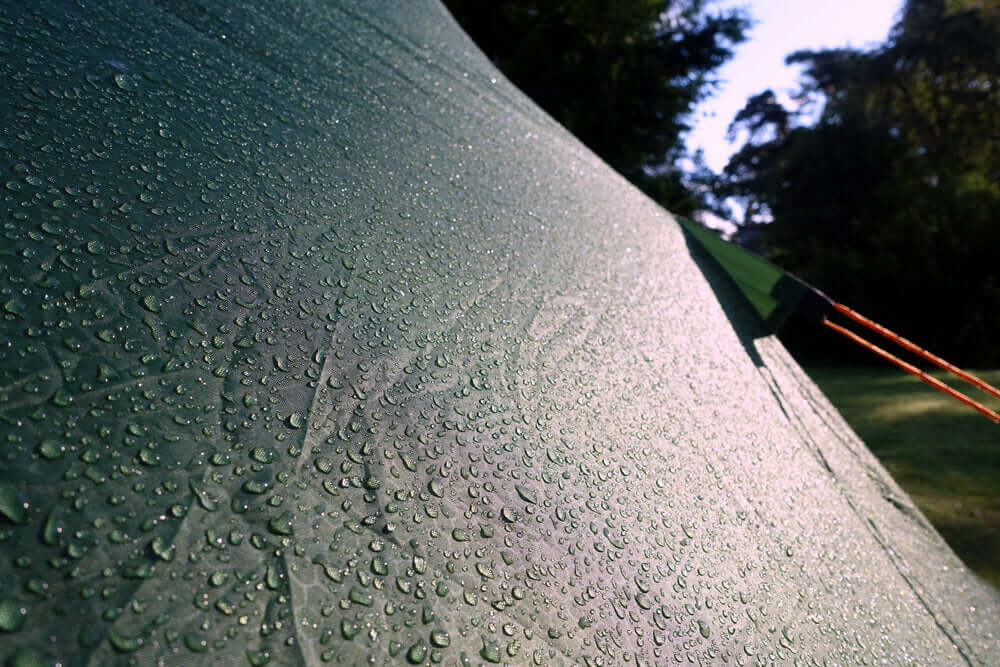
Have you ever woken up inside your tent only to find everything damp and covered in water droplets? Condensation can turn a cozy camping trip into an uncomfortable, soggy experience.
But what if you could keep your tent dry and fresh all night long? You’ll discover simple and effective ways to stop condensation from ruining your outdoor adventure. By following these easy tips, you’ll enjoy a warmer, drier, and more comfortable tent—no matter where you camp.
Keep reading to learn how to take control of moisture and make your next trip truly enjoyable.

Credit: www.reddit.com
Causes Of Tent Condensation
Tent condensation happens when water vapor turns into liquid inside your tent. It can make your gear wet and uncomfortable. Understanding the causes helps to reduce moisture build-up.
Several factors create condensation in tents. These include moisture from breath, temperature changes, and humidity levels inside and outside the tent.
Moisture From Breath And Body
When you breathe or sweat inside a tent, you release moisture into the air. This moisture collects on the tent walls, causing condensation.
- Breathing produces water vapor with every exhale.
- Body heat causes sweating, adding moisture to the air.
- Cooking or boiling water inside the tent increases humidity.
Temperature Differences
Condensation forms when warm, moist air inside the tent touches cold surfaces. The air cools down and water vapor turns into droplets.
| Inside Tent | Outside Tent | Effect |
|---|---|---|
| Warm, moist air | Cold tent walls | Dew forms on walls |
| Cold air | Warm tent walls | Less condensation |
Humidity Inside And Outside
High humidity means more water vapor in the air. When the outside air is moist, condensation inside the tent increases.
- Rain or wet ground raises outside humidity.
- Poor ventilation traps humid air inside.
- Dry air outside lowers condensation risk.
Selecting The Right Tent
Condensation inside a tent can make camping uncomfortable. Choosing the right tent helps reduce moisture buildup. Some tents are better at handling condensation than others.
Look for tents designed to allow air to flow and keep moisture out. This guide explains what to look for when selecting a tent to stop condensation.
Breathable Fabrics
Breathable fabrics let moisture escape from inside the tent. They reduce the chance of water drops forming on the walls. This keeps the inside dry and comfortable.
Materials like nylon with a breathable coating work well. Avoid tents made from non-breathable plastic or vinyl, which trap moisture.
Ventilation Features
Tents with vents allow air to flow freely. Good ventilation helps moisture leave the tent. Look for tents with mesh windows and roof vents.
- Mesh panels on doors and windows
- Roof vents that open and close
- Adjustable vents near the floor
These features help air move around and stop condensation from building inside.
Tent Size And Design
Choose a tent size that fits your group without extra space. Extra room means more air volume, which can increase moisture buildup. A snug tent helps control humidity.
Tents with a design that separates wet and dry areas also help. Vestibules and separate sleeping areas keep moisture away from bedding.
- Right size for the number of campers
- Separate areas for gear and sleeping
- Shape that promotes airflow inside
Effective Ventilation Strategies
Condensation in tents happens when warm air meets cold surfaces. This makes water droplets form inside your tent. Proper ventilation helps reduce this moisture.
Good airflow keeps the air dry and fresh. Use these strategies to stop condensation and stay comfortable during camping.
Opening Vents And Windows
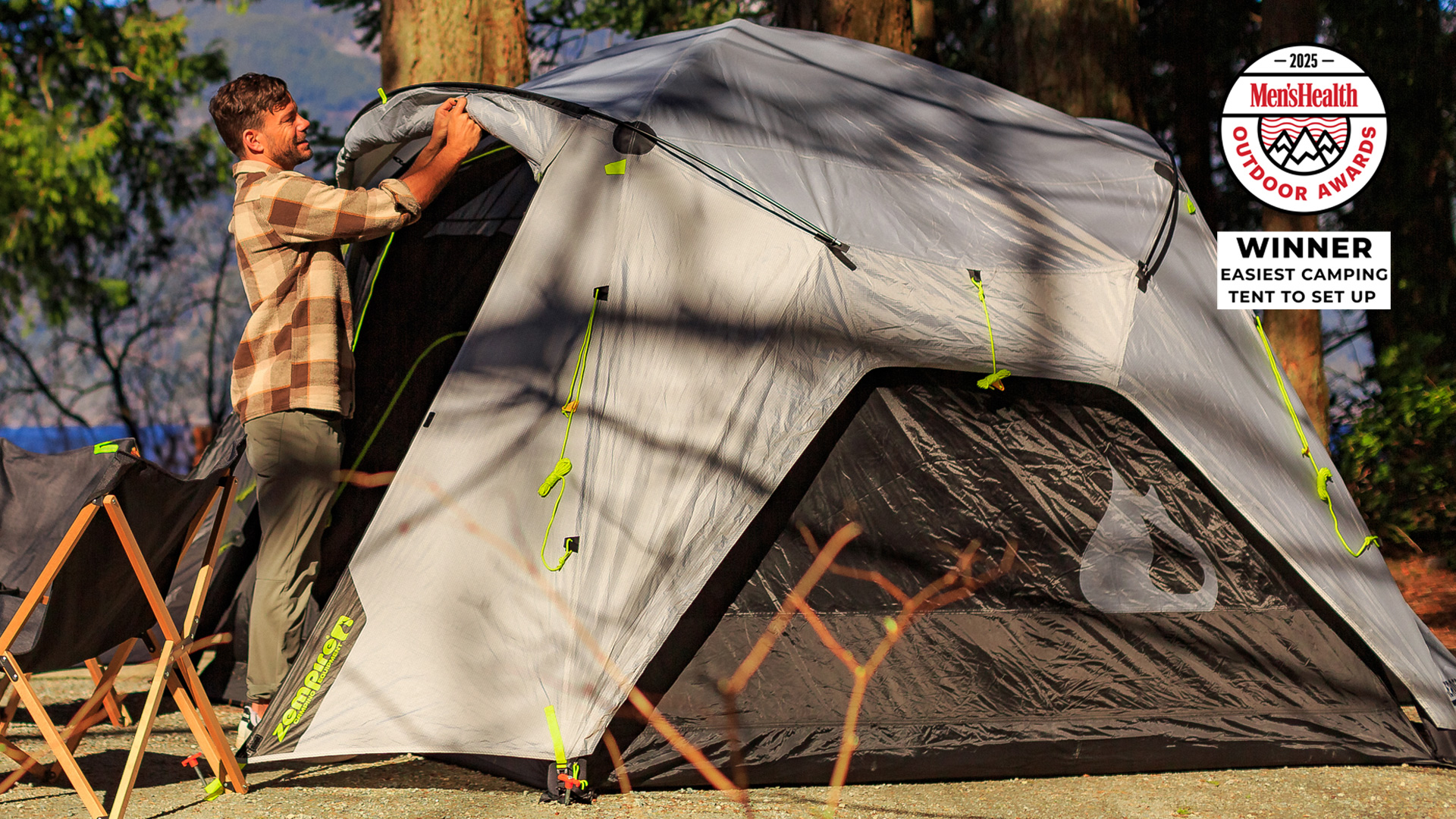
Most tents have vents and windows designed to let air flow. Open them slightly to let moist air escape. This reduces dampness inside your tent.
- Open vents at the top to let hot air out
- Keep windows open for fresh air
- Use rain flaps to protect from water while venting
Using Mesh Panels
Mesh panels let air flow but keep bugs out. They provide constant ventilation without exposing you to insects or rain.
| Benefit | Description |
|---|---|
| Airflow | Mesh panels allow air to pass freely |
| Protection | Keep insects and debris outside |
| Visibility | Let light in while maintaining privacy |
Creating Cross Breeze
Cross breeze means air moves through your tent from two opposite sides. This airflow helps dry moisture fast and cools the tent.
- Open vents or windows on opposite sides
- Position your tent where wind can flow freely
- Avoid blocking vents with gear or walls
Credit: zempire.ca
Proper Tent Setup Techniques
Condensation in a tent can make camping uncomfortable. Setting up your tent correctly helps reduce moisture. Let’s explore some effective techniques.
Proper setup involves choosing the right campsite and pitching your tent properly. Avoiding ground moisture is also essential.
Choosing The Campsite
Pick a campsite wisely to prevent condensation. Look for open areas with good airflow. Avoid camping near water bodies.
Stay away from low-lying areas where moisture collects. Choose a spot with natural wind to keep your tent dry.
- Open spaces for better airflow
- Avoid camping near lakes and rivers
- Stay on higher ground
Pitching The Tent Correctly
Pitching your tent right makes a big difference. Make sure the tent is taut. Use all the guy lines for stability.
Set up the rainfly to allow airflow. Leave some space between the rainfly and the tent for ventilation.
- Keep the tent taut
- Use all guy lines
- Ensure proper rainfly setup
Avoiding Ground Moisture
Ground moisture can seep into your tent. Use a footprint or tarp under your tent. This adds a layer of protection.
Avoid setting up on wet ground. Check the ground for dryness before pitching your tent.
- Use a tent footprint or tarp
- Check ground for dryness
- Avoid setting up on wet surfaces
Managing Moisture Inside The Tent
Condensation inside a tent happens when warm air meets cold surfaces. This creates water droplets that make the tent wet. Managing moisture helps keep the tent dry and comfortable.
Reducing moisture inside your tent prevents mold and keeps your gear safe. Simple habits can help you stop condensation from building up.
Drying Wet Gear Outside
Wet clothes and shoes add moisture inside your tent. Always dry wet gear outside before bringing it in. This stops extra water from making condensation worse.
Use a clothesline or hang gear on branches. If it rains, try to keep gear in a covered area outside the tent.
Limiting Cooking Inside
Cooking inside your tent releases steam and adds moisture. Avoid cooking in the tent to keep the air dry. Use a stove outside instead.
If you must cook inside, open vents or doors to let steam escape quickly. This reduces the chance of water forming on tent walls.
Using Absorbent Materials
Placing absorbent materials inside the tent helps soak up extra moisture. Use towels or microfiber cloths near tent walls or under sleeping bags.
Replace or dry these materials often to keep them effective. This simple step lowers condensation and keeps the tent dry.
Additional Tips And Gear
Condensation in tents can make camping uncomfortable. Using the right gear helps reduce moisture inside your tent. These tips focus on extra tools and treatments that keep your tent dry.
Below are some effective ways to stop condensation using tent footprints, portable dehumidifiers, and weatherproofing treatments.
Using Tent Footprints
Tent footprints are ground covers placed under your tent. They protect your tent floor from wet ground and help reduce moisture coming from the soil. A footprint also adds an extra layer of insulation.
- Choose a footprint slightly smaller than your tent base
- Make sure it is waterproof and durable
- Check for proper fitting to avoid water pooling
- Keep it clean and dry before packing
Portable Dehumidifiers
Portable dehumidifiers help remove moisture from the air inside your tent. They are useful in humid environments or during rainy weather. Small, battery-powered models work best for camping.
| Type | Power Source | Weight | Best Use |
| Electric Mini | Rechargeable Battery | Light | Short trips, mild humidity |
| Desiccant Packs | None | Very Light | Low humidity, small tents |
| Thermoelectric | Battery or USB | Moderate | Long trips, high humidity |
Weatherproofing Treatments
Weatherproofing sprays and treatments help your tent resist water and moisture. Applying them keeps water from soaking into the fabric. This reduces condensation buildup inside.
- Choose treatments designed for your tent material
- Apply evenly on clean, dry fabric
- Let the tent dry completely before use
- Reapply treatments regularly for best results

Credit: www.ultramarxl.com
Frequently Asked Questions
How Can I Reduce Tent Condensation Effectively?
To reduce tent condensation, improve ventilation by opening vents and windows. Use a breathable tent and avoid drying wet clothes inside. Set up your tent in a shaded, breezy spot to minimize moisture buildup.
Why Does Condensation Form Inside My Tent?
Condensation forms when warm, moist air meets the cooler tent surface. Body heat and breathing release moisture inside. Poor ventilation traps this moisture, causing water droplets to form on tent walls and ceiling.
What Tent Materials Prevent Condensation Best?
Tents made from breathable fabrics like polyester or nylon with mesh panels reduce condensation. These materials allow moisture to escape while keeping rain out. Avoid fully waterproof tents without ventilation, as they trap humidity inside.
Can Using A Groundsheet Increase Tent Condensation?
Yes, non-breathable groundsheets can trap moisture beneath your tent floor. This moisture rises, increasing condensation inside. Use a breathable groundsheet or place your tent on dry, elevated ground to minimize dampness and condensation.
Conclusion
Stopping condensation in your tent is easier than it seems. Keep air flowing by opening vents and windows. Use a groundsheet to block moisture from the ground. Avoid drying wet clothes inside the tent. Try to set up your tent where wind can pass through.
These small steps make camping more comfortable and dry. Enjoy your outdoor adventures without worrying about dampness. A dry tent means a better night’s sleep and more fun. Remember, simple habits prevent most condensation problems.